Nagasaki Museum of History & Culture things to do, attractions, restaurants, events info and trip planning
Basic Info
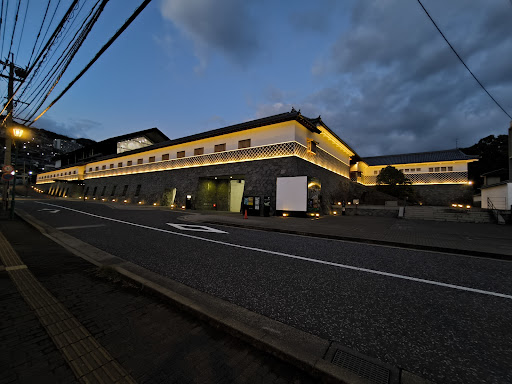
Nagasaki Museum of History & Culture
1 Chome-1-1 Tateyama, Nagasaki, 850-0007, Japan
4.2(111)
Open until 6:00 PM


tickets
Save
spot
spot
Ratings & Description
Info
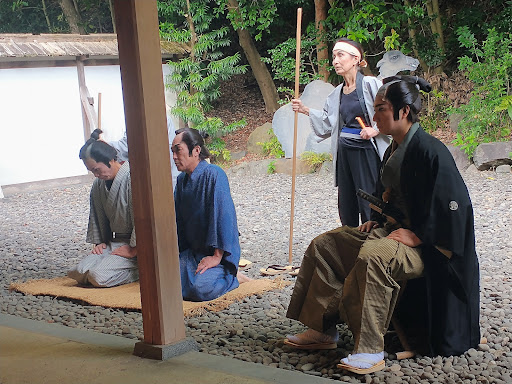
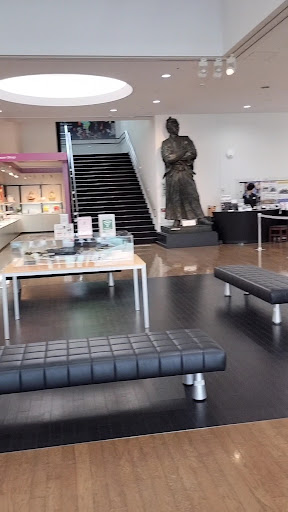
The Nagasaki Museum of History and Culture in Nagasaki, Japan is one of the few museums in Japan devoted to the theme of "overseas exchange".
Cultural
Accessibility
Family friendly
attractions: Suwa Shrine, Nagasaki Park, Santo Domingo Church Museum, Megane Bridge, Fukusaiji, Matsunomori Tenmangu Shrine, Nakamachi Catholic Church, Koeiji, 長崎の猫雑貨 nagasaki-no neco, Central Park, restaurants: Masusaki Bakery, とんかつ グランドゥ ルカン, Puha COFFEE STAND, Douhassen, 中華飯店 三吉, ピジョン·ドゥ·リヨン, 珈琲専科 囁き坂, MatiMahal Indian Restaurant Nagasaki, かうけん, Café Sevilla, local businesses: Suwa Shrine, Shioizaki Park, 聖福寺大雄宝殿, Shooken Main Store, 酒屋 諏訪の杜, Shōkandō, Ourasuwa Shrine, Amu Plaza Nagasaki, Nagasaki Baptist Church, Confectionery shop IWANAGA BAIJUKEN (Baijuken Limited Company)
 Learn more insights from Wanderboat AI.
Phone
+81 95-818-8366
Website
nmhc.jp
Open hoursSee all hours
Thu8:30 AM - 6 PMOpen
Plan your stay

Pet-friendly Hotels in Nagasaki
Find a cozy hotel nearby and make it a full experience.

Affordable Hotels in Nagasaki
Find a cozy hotel nearby and make it a full experience.

The Coolest Hotels You Haven't Heard Of (Yet)
Find a cozy hotel nearby and make it a full experience.

Trending Stays Worth the Hype in Nagasaki
Find a cozy hotel nearby and make it a full experience.
Reviews
Live events
Nagasaki Highlights Private Half Day Tour by Tram
Thu, Jan 29 • 8:30 AM
850-0921, Nagasaki, Nagasaki, Japan
View details
Authentic Kendo Experience with the Prestigious Baba School: A Journey of the Heart that Begins and Ends with Respect
Fri, Jan 30 • 10:00 AM
850-0013, Nagasaki, Nagasaki, Japan
View details
Nagasaki private walking tour with local
Thu, Jan 29 • 11:00 AM
852-8117, Nagasaki, Nagasaki, Japan
View details
Nearby attractions of Nagasaki Museum of History & Culture
Suwa Shrine
Nagasaki Park
Santo Domingo Church Museum
Megane Bridge
Fukusaiji
Matsunomori Tenmangu Shrine
Nakamachi Catholic Church
Koeiji
長崎の猫雑貨 nagasaki-no neco
Central Park

Suwa Shrine
4.4
(1.4K)
Open until 12:00 AM
Click for details
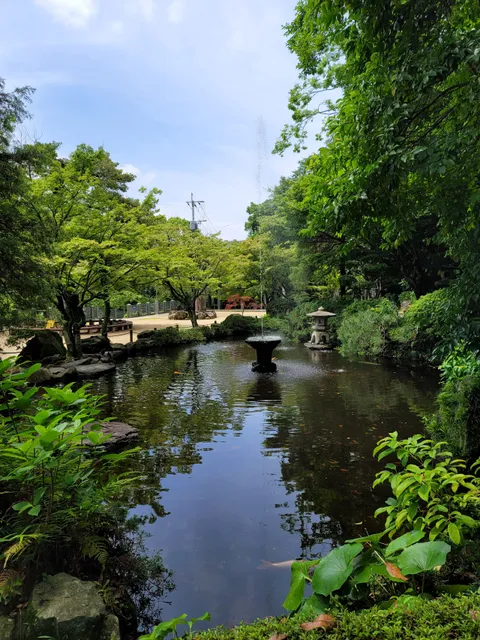
Nagasaki Park
4.0
(90)
Open until 5:00 PM
Click for details

Santo Domingo Church Museum
3.8
(42)
Open until 5:00 PM
Click for details
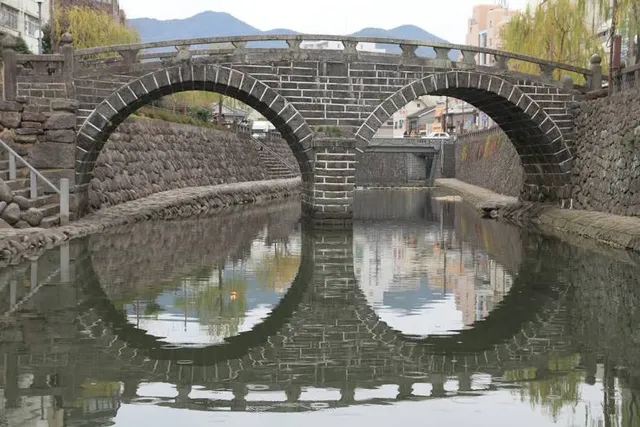
Megane Bridge
4.1
(4.2K)
Open until 12:00 AM
Click for details
Nearby restaurants of Nagasaki Museum of History & Culture
Masusaki Bakery
とんかつ グランドゥ ルカン
Puha COFFEE STAND
Douhassen
中華飯店 三吉
ピジョン·ドゥ·リヨン
珈琲専科 囁き坂
MatiMahal Indian Restaurant Nagasaki
かうけん
Café Sevilla
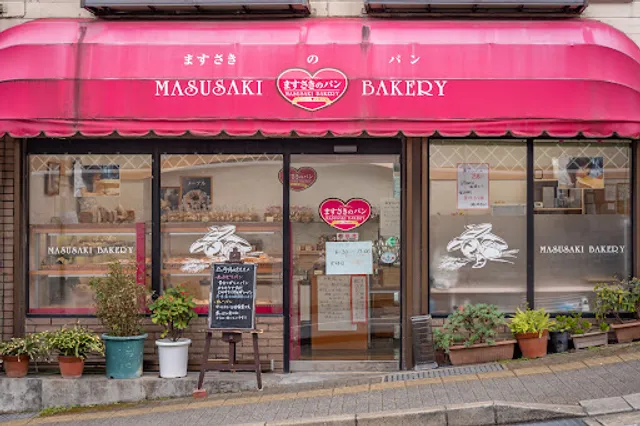
Masusaki Bakery
4.0
(42)
Open until 5:00 PM
Click for details
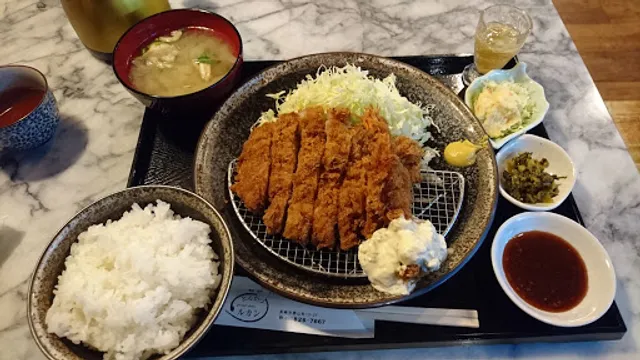
とんかつ グランドゥ ルカン
4.4
(105)
Closed
Click for details
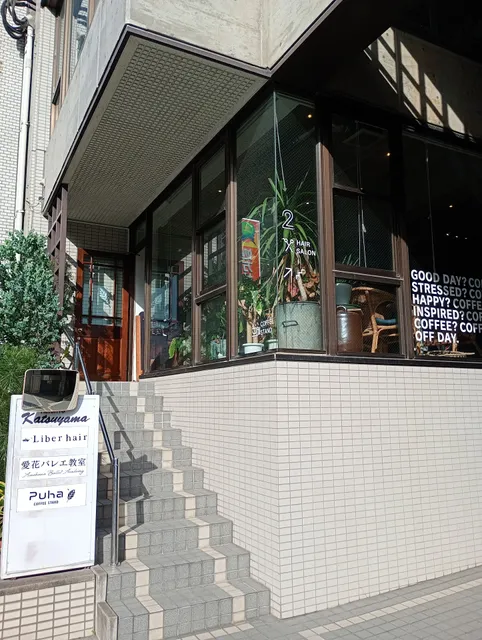
Puha COFFEE STAND
4.6
(42)
Open until 7:00 PM
Click for details
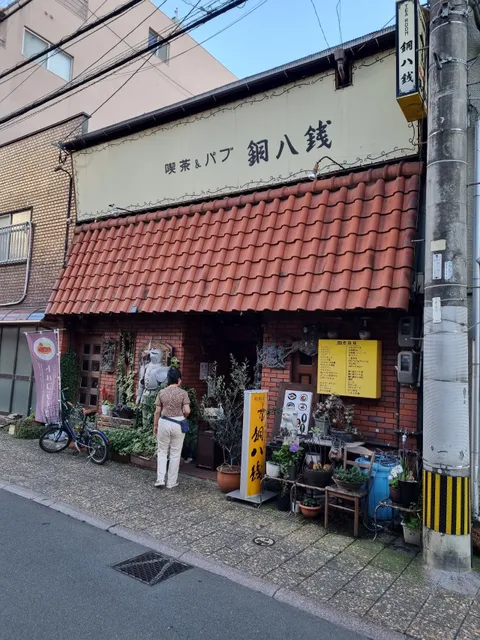
Douhassen
4.0
(175)
Open until 2:00 PM
Click for details
Nearby local services of Nagasaki Museum of History & Culture
Suwa Shrine
Shioizaki Park
聖福寺大雄宝殿
Shooken Main Store
酒屋 諏訪の杜
Shōkandō
Ourasuwa Shrine
Amu Plaza Nagasaki
Nagasaki Baptist Church
Confectionery shop IWANAGA BAIJUKEN (Baijuken Limited Company)
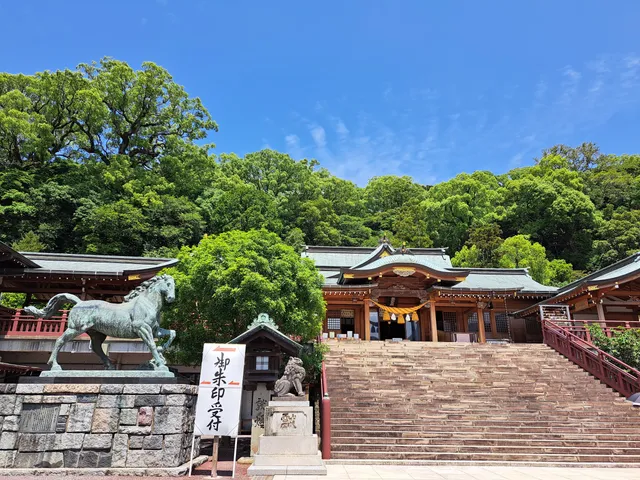
Suwa Shrine
4.3
(1.2K)
Click for details
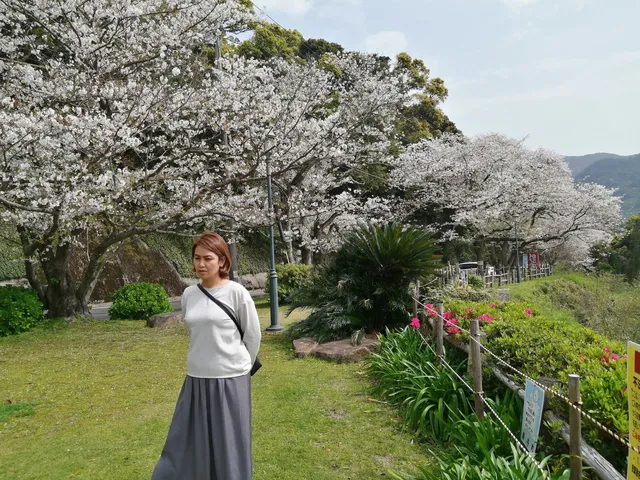
Shioizaki Park
4.1
(96)
Click for details
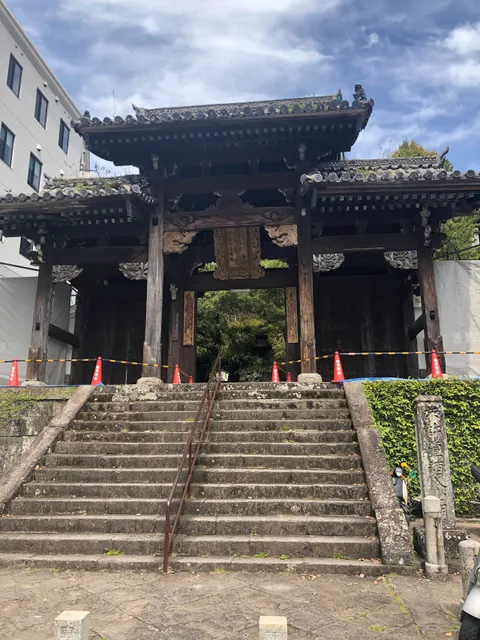
聖福寺大雄宝殿
4.2
(75)
Click for details
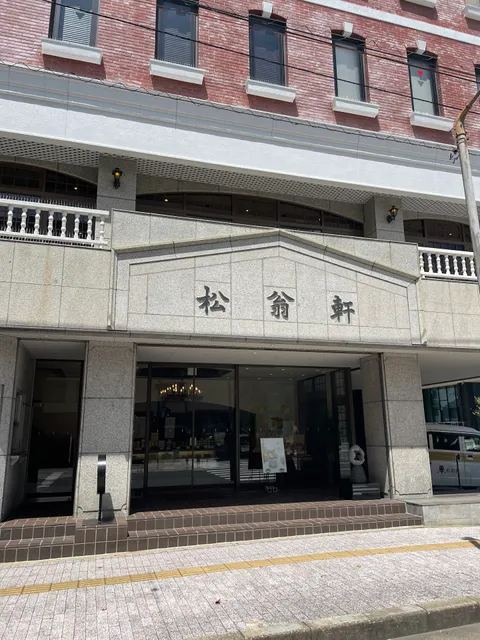
Shooken Main Store
4.5
(501)
Click for details