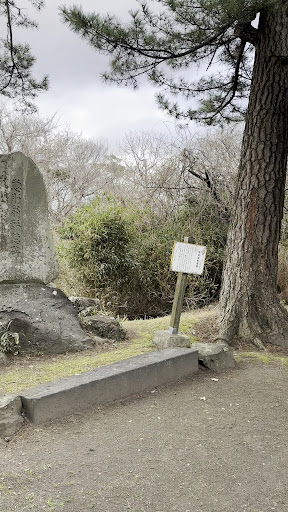
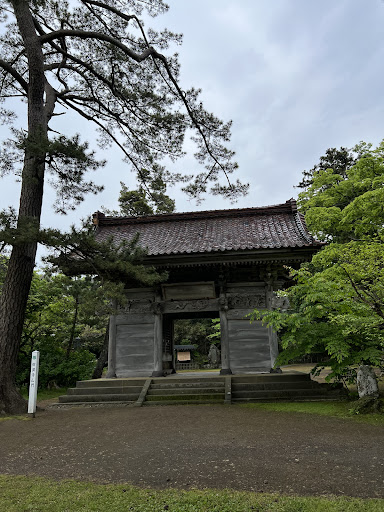
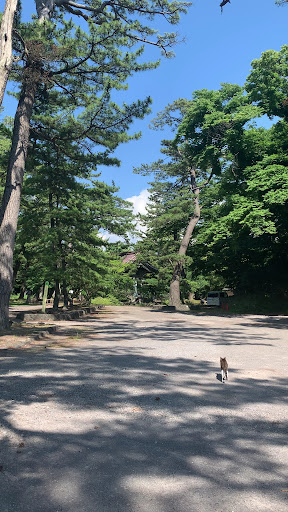
Kanmanji Temple things to do, attractions, restaurants, events info and trip planning
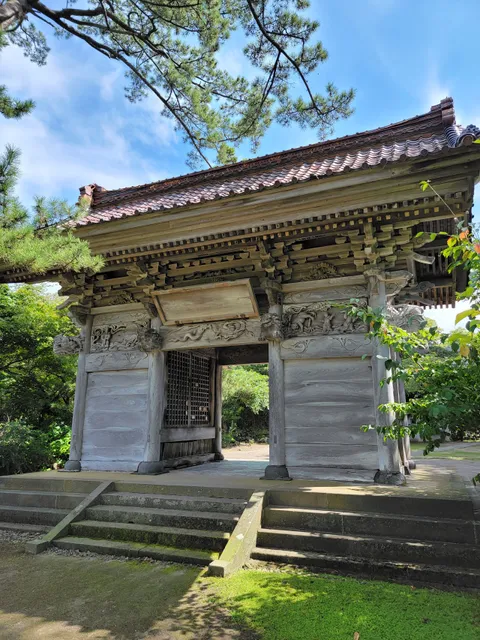
Basic Info
Kanmanji Temple
Japan, 〒018-0122 Akita, Nikaho, Kisakatamachi, Kisakatajima−2
4.0(147)
Open until 5:00 PM
Save
spot
spot
Ratings & Description
Info
Cultural
Relaxation
Scenic
Accessibility
attractions: , restaurants: ガスト 象潟店, ジュテーム, Jun, ひのいり食堂, Miyazo, Restaurant Chokai, 海鮮処 魚吉, Nekoma Coffee, Il Piatto, 五島, local businesses: Sainokami Shrine
 Learn more insights from Wanderboat AI.
Phone
+81 184-43-3153
Open hoursSee all hours
Wed8 AM - 5 PMOpen
Plan your stay

Pet-friendly Hotels in Nikaho
Find a cozy hotel nearby and make it a full experience.

Affordable Hotels in Nikaho
Find a cozy hotel nearby and make it a full experience.

The Coolest Hotels You Haven't Heard Of (Yet)
Find a cozy hotel nearby and make it a full experience.

Trending Stays Worth the Hype in Nikaho
Find a cozy hotel nearby and make it a full experience.
Reviews
Nearby restaurants of Kanmanji Temple
ガスト 象潟店
ジュテーム
Jun
ひのいり食堂
Miyazo
Restaurant Chokai
海鮮処 魚吉
Nekoma Coffee
Il Piatto
五島
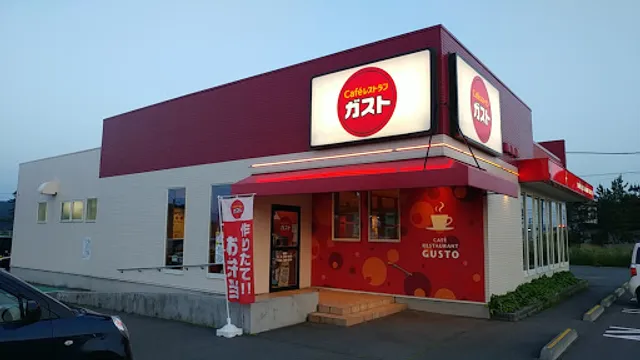
ガスト 象潟店
3.4
(151)
Open until 9:30 PM
Click for details
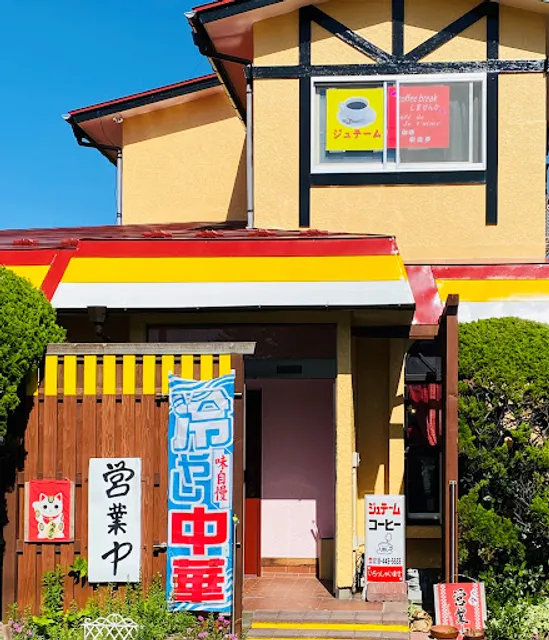
ジュテーム
4.1
(15)
Open until 6:00 PM
Click for details
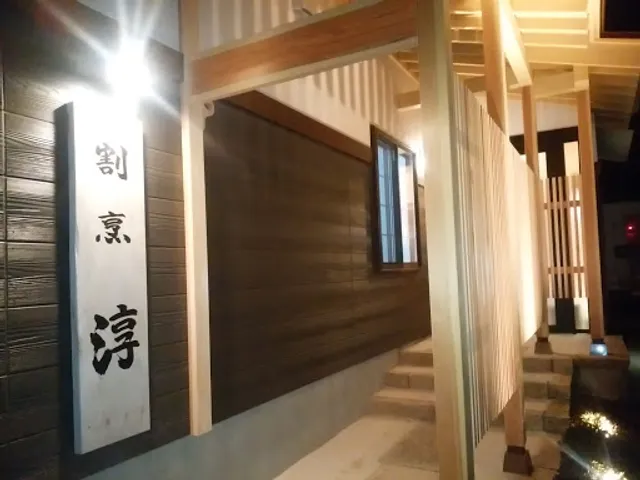
Jun
4.2
(50)
Open until 12:00 AM
Click for details
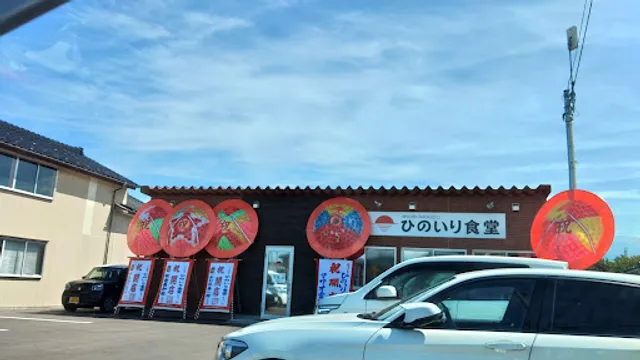
ひのいり食堂
3.9
(25)
Click for details
Nearby local services of Kanmanji Temple
Sainokami Shrine
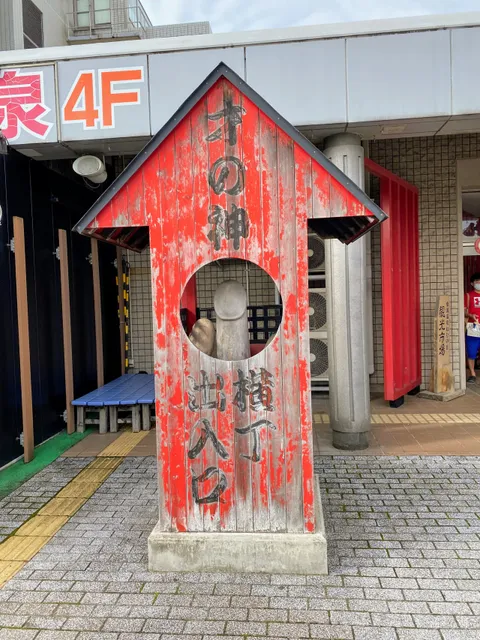
Sainokami Shrine
4.1
(13)
Click for details