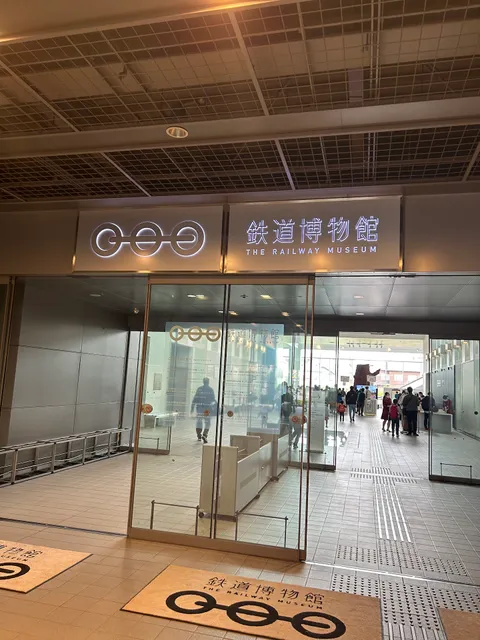
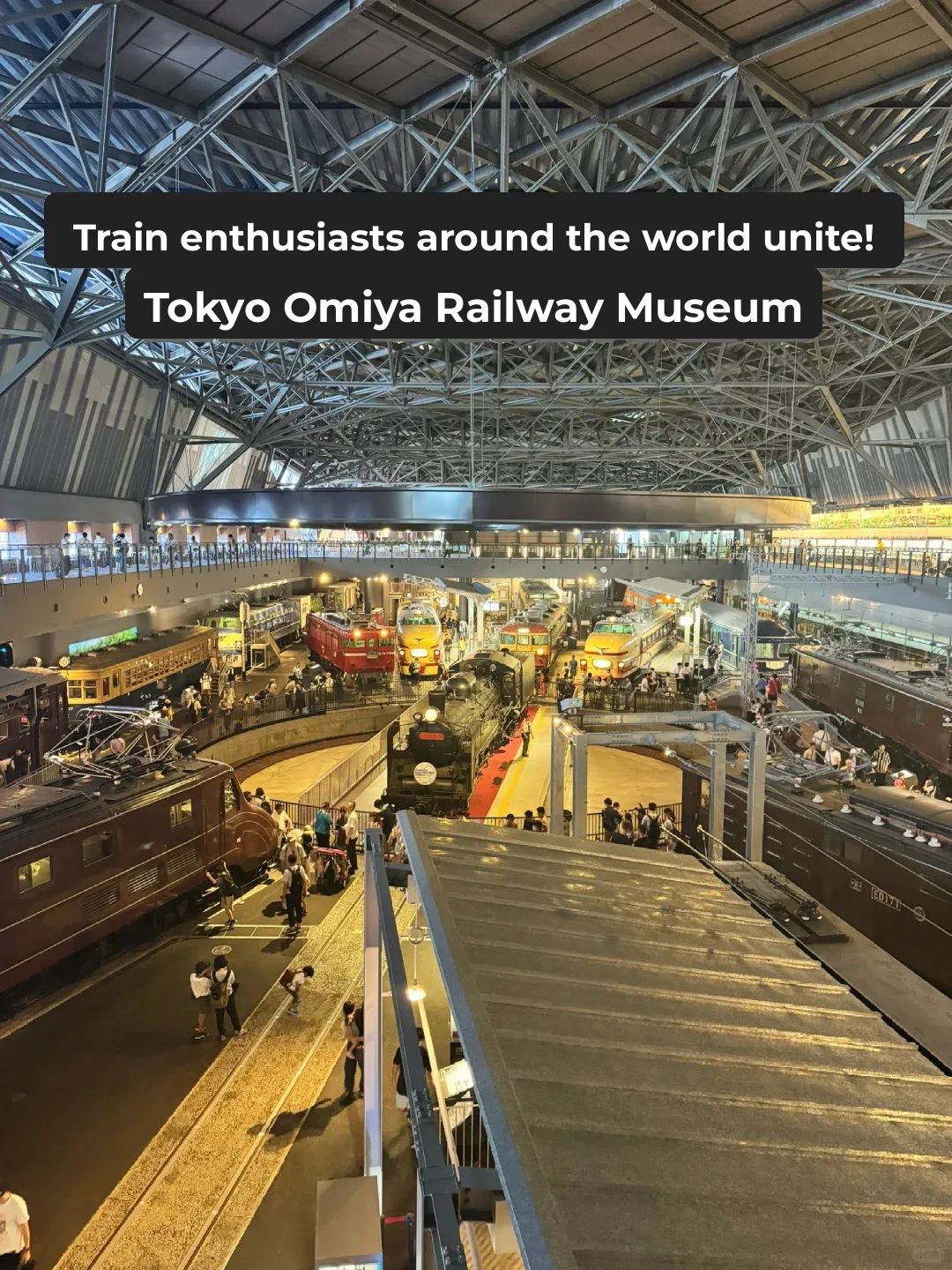
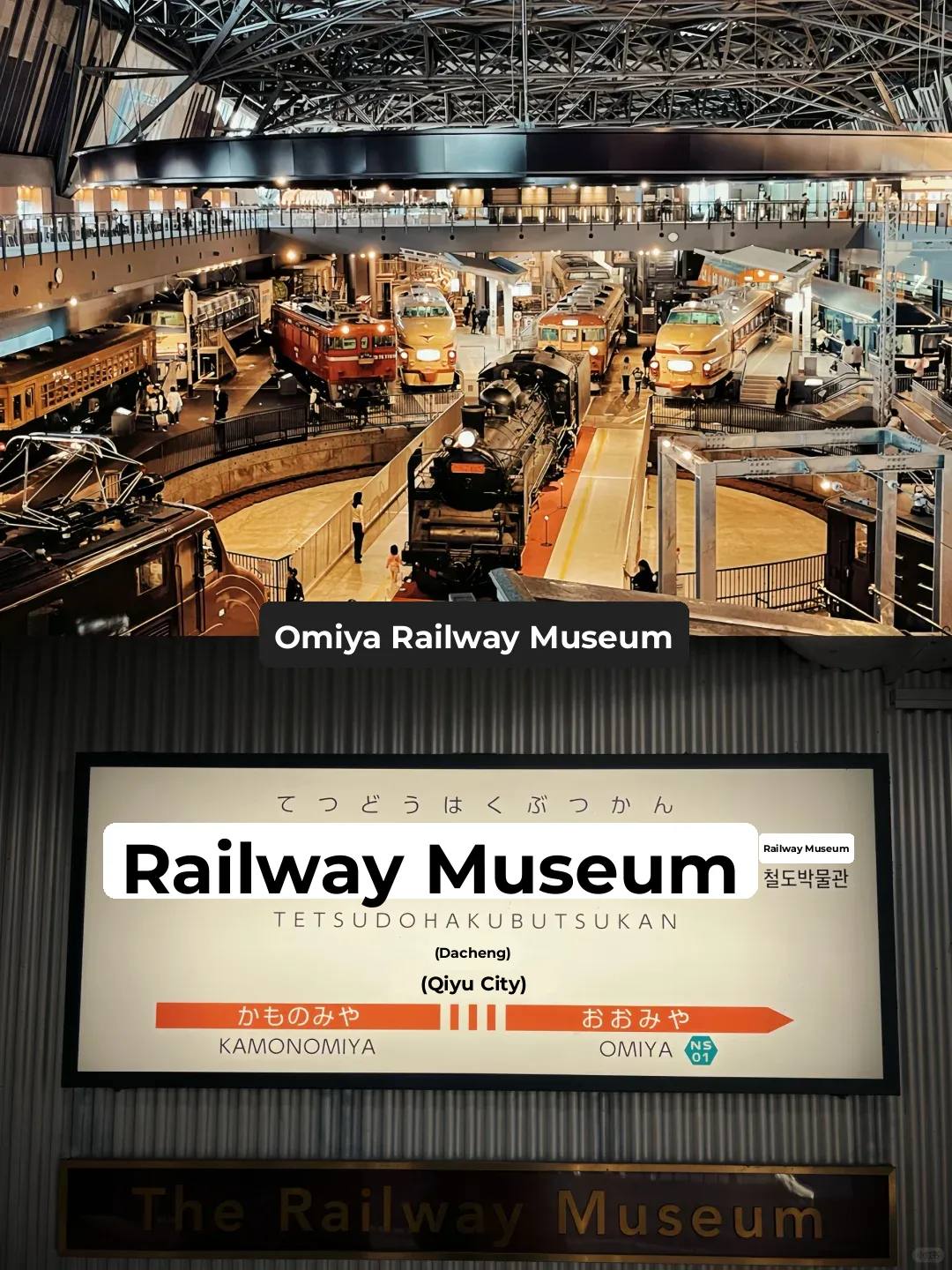
Before planning my most recent trip to Tokyo, I had watched quite a number of programs on NHK World. One of my favorite programs, Japan Railway Journal, had an entire program on the Railway Museum in Saitima. I had been anxious to visit this fascinating museum ever since I first watched that program. The museum is about an hour train ride north of Tokyo Station, but well worth the time and effort.
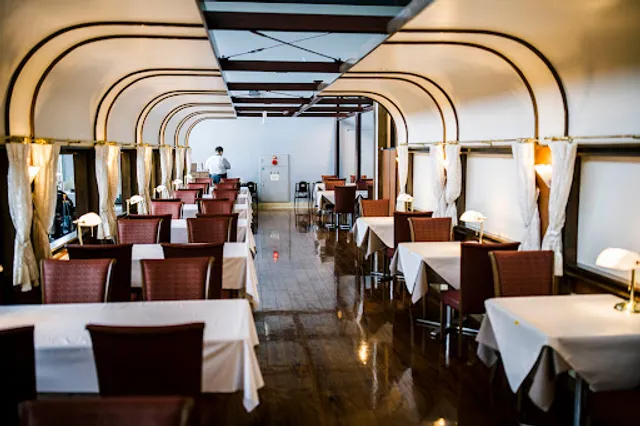
My first visit to Tokyo was in 1990 and I had my first experience riding the very unique trains and shinkansen (bullet train) in Japan. Ever since then I always looked forward to riding the trains in Japan! One of my favorite things to do is to get an ekiben (packaged bento lunch for traveling) and take a ride on a Shinkansen. At the museum you can purchase a variety of ekiben and sit inside one of the trains on display (outdoors) and enjoy your meal without the movement of a train you would normally experience! This apparently is a very popular place to have that experience. There is also a couple of more upscale restaurants. The View Restaurant on the 4th floor and the Nippon Shokudo on the 2nd floor.
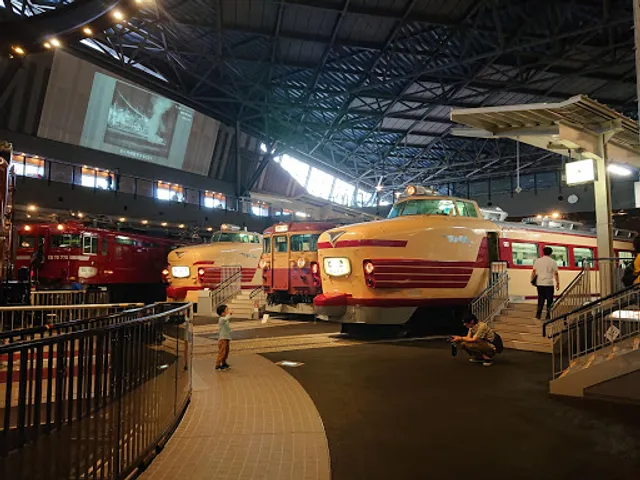
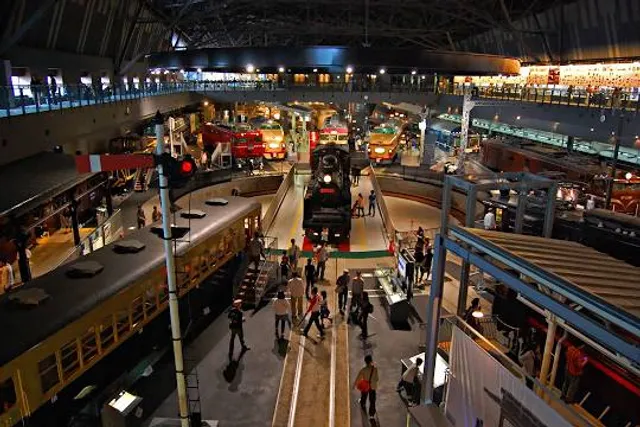
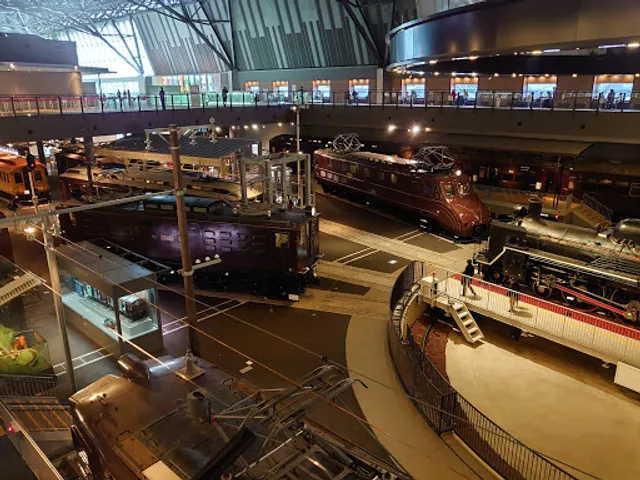
The Railway Museum was fascinating & enormous in size. I might recommend downloading the Museum’s app to your smart phone prior to visiting the museum. Most of the signage at the museum is, naturally, in Japanese and this app really helped give me a background on most all of the train cars on display. I believe there are around 40+ full-size train cars available to view and most all of them allow you to tour inside them. The second floor has an entire very long wall (75 yards long) of miniature trains which really show the evolution of trains in Japan—amazing.
I think it’s a great museum for families interested in trains, as they have a play area on the ground floor devoted to children. There is a “kid’s” café with many choices of meals available & most served in dishes to resemble a train car. There is also a small shinkansen which the kids can ride outside in this same area.
I think one of the most popular attractions is the train simulators. I believe there are 3 different simulators you can get in line for. Since my Japanese language is very rudimentary, I didn’t dare give it a try. I went on a weekday morning so there was virtually no waiting.
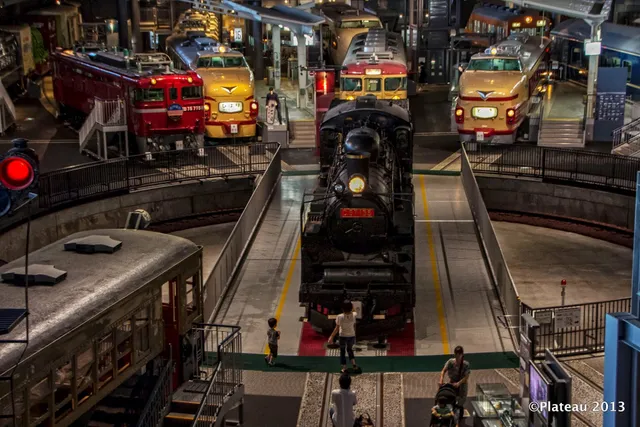
In the center of the main floor display of “Rolling Stock” trains, there is a large steam locomotive train on display. At noon and 5pm, it’s a big production and the train is turned around on a really enormous turntable complete with large train whistles and a conductor directing the move. All things considered, if you have an interest in trains, it’s well worth the time to travel to the Tetsudo-Hakubutsukan station to see this museum. (The museum is a direct short walk from the train station and sits parallel to the station.)
Lastly, there is an excellent museum shop, TRAINIART, which a huge variety of goods for gift giving...
Read moreThe Railway Museum (鉄道博物館, Tetsudō Hakubutsukan) is a railway museum in Saitama, Saitama, Japan, which opened on 14 October 2007. It was built and is operated by the East Japan Railway Culture Foundation, a non-profit subsidiary of the East Japan Railway Company (JR East). It consists of a 19,800 m² building on a site covering 42,500 m², with a display area 9,500 m² in size.
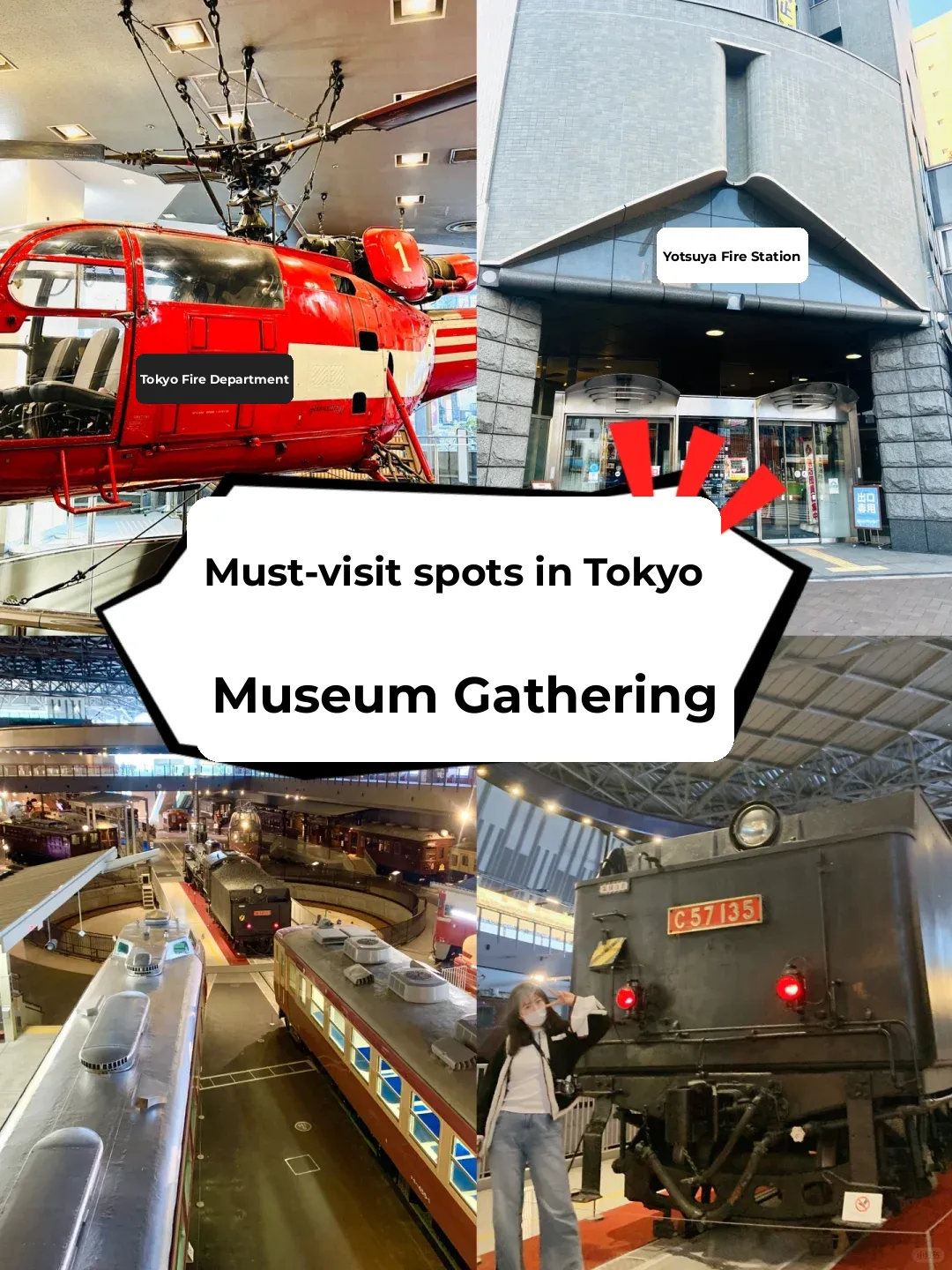
The museum features about 30 railway cars, train cab simulators, railway model dioramas, mini trains, storage for artifacts and books, video booths, a multi-purpose hall, a gallery balcony, a cafeteria, a museum shop, and a research room.
The museum places emphasis on learning through interactive experiences and is mainly divided into two zones: the history zone and the learning zone. The history zone recounts the history of railway technology with the help of trains that were in service in the past. In the learning zone, visitors can gain knowledge of the principles and mechanisms of railway with the use of actual parts and models. The tour of the museum takes roughly two hours with extra time for interactive exhibits.[1] A library room, known as the "Teppaku Reading Room" opened on 21 July 2012 in the remodelled North Wing of the museum.[2]
The present Railway Museum is the successor to the Transportation Museum (交通博物館, Kōtsū Hakubutsukan) in Chiyoda, Tokyo. This museum also opened as the Railway Museum under the elevated railway track near Tokyo Station celebrating the beginning of the 50th year of the railways in Japan on 14 October 1921. In 1936, the Railway Museum was relocated to the new facility built in the place of former building of Manseibashi Station, which station continued to operate until 1943 as an accessory of the museum. The museum was renamed the Transportation Museum in 1948 to cover various means of transportation. On 14 May 2006, the museum was closed pending a move to the new Railway Museum in Saitama. In November 2012, it was announced that the Railway Museum would form a sister-museum alliance with the National Railway Museum in York, England.[3]
The museum is located adjacent to Tetsudō-Hakubutsukan Station on the New Shuttle people mover, one stop from Ōmiya Station, a hub station of the JR East system. The museum has a limited number of parking spaces.
3-47 Ōnari-chō, Ōmiya-ku, Saitama-shi,...
Read moreAs a foreign tourist hoping to learn more about the Japanese railway system, I had high hopes for this museum given how highly this museum is rated. However, I was very disappointed with my experience and left early.
The biggest problem was that there was barely any English commentary provided. Beyond the map guide, the only English on the exhibits was often limited to the title of the section (not even the individual object on display). For example, the section of the history of the Japanese railway had one English sentence for the entire segment - just to announce the era of the exhibit. And another example, the section on the future of trains had no English at all! There was also a section to learn about train safety and also train science - once again, just only in Japanese.
The audio guide you could download was also a let down as it barely covered any of the items shown (coverage was mostly focused to descriptions of the trains being exhibited), and you would be forced to listen to the whole transcription as they don't provide the text translation directly in the app.
To access the popular simulators you need to download a separate app and enter a raffle. Unfortunately there is little information provided in English which discouraged me from applying. Note you have to pay a separate fee if successful.
Also they have a (separate!) app to download for the Museum, but the app obviously has not been updated for a long time. I was not able to download it as it was designed for an older version of Android.
I decided not to try the free simulators due to the poor experience as described above.
I note that if you already have a lot of train knowledge, are interested more in observing/taking photos of the trains, or are fluent in the Japanese language, your experience would be different to mine.
No feedback form or email address was made available on their English website, which was disappointing for I would have preferred to provide my comments privately.
Instead, I highly recommend the Tokyo Metro Museum, which came with far more English translations, no queuing system, was much cheaper (just 220 yen v 1600 yen if you get a ticket on the day) and a very friendly assistant who explained how to operate the simulator (complete with photo afterwards!). The quizzes there even came in an...
Read more