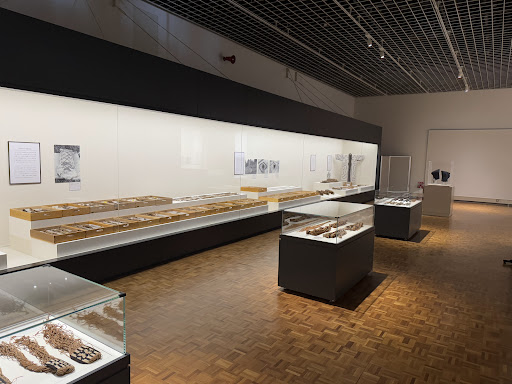
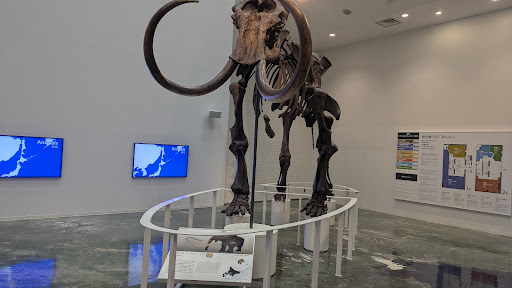
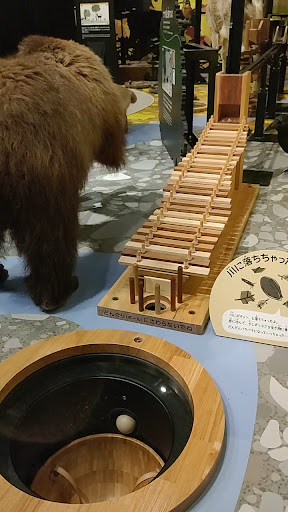
Hokkaido Museum things to do, attractions, restaurants, events info and trip planning

Basic Info
Hokkaido Museum
Konopporo-53-2 Atsubetsucho, Atsubetsu Ward, Sapporo, Hokkaido 004-0006, Japan
4.3(1.0K)
Closed


tickets
Save
spot
spot
Ratings & Description
Info
Cultural
Family friendly
Accessibility
attractions: Historical Village of Hokkaido, Hokkaido Colonization Commission Sapporo Main Office (Historical Village of Hokkaido), Urakawa Subprefactual Government Building (Historical Village of Hokkaido), Otaru Shinbun Co./Otaru Newspaper Co. (Historical Village Of Hokkaido), Hirose Photo Studio (Historical Village of Hokkaido), Aoyama Family Structures for Herring Fishing (Historical Village of Hokkaido), Kondō Clinic (Historical Village Of Hokkaido), Yamamoto Barbar Shop (Historical Village Of Hokkaido), restaurants: Restaurant (Historical Village Of Hokkaido), local businesses: Shinrin park spa KIYORA, Hokkaido Buried cultural property center, Historical Village Of Hokkaido Fishing Village Area
 Learn more insights from Wanderboat AI.
Phone
+81 11-898-0466
Website
hm.pref.hokkaido.lg.jp
Open hoursSee all hours
Sat9:30 AM - 4:30 PMClosed
Plan your stay

Pet-friendly Hotels in Sapporo
Find a cozy hotel nearby and make it a full experience.

Affordable Hotels in Sapporo
Find a cozy hotel nearby and make it a full experience.

The Coolest Hotels You Haven't Heard Of (Yet)
Find a cozy hotel nearby and make it a full experience.

Trending Stays Worth the Hype in Sapporo
Find a cozy hotel nearby and make it a full experience.
Reviews
Live events
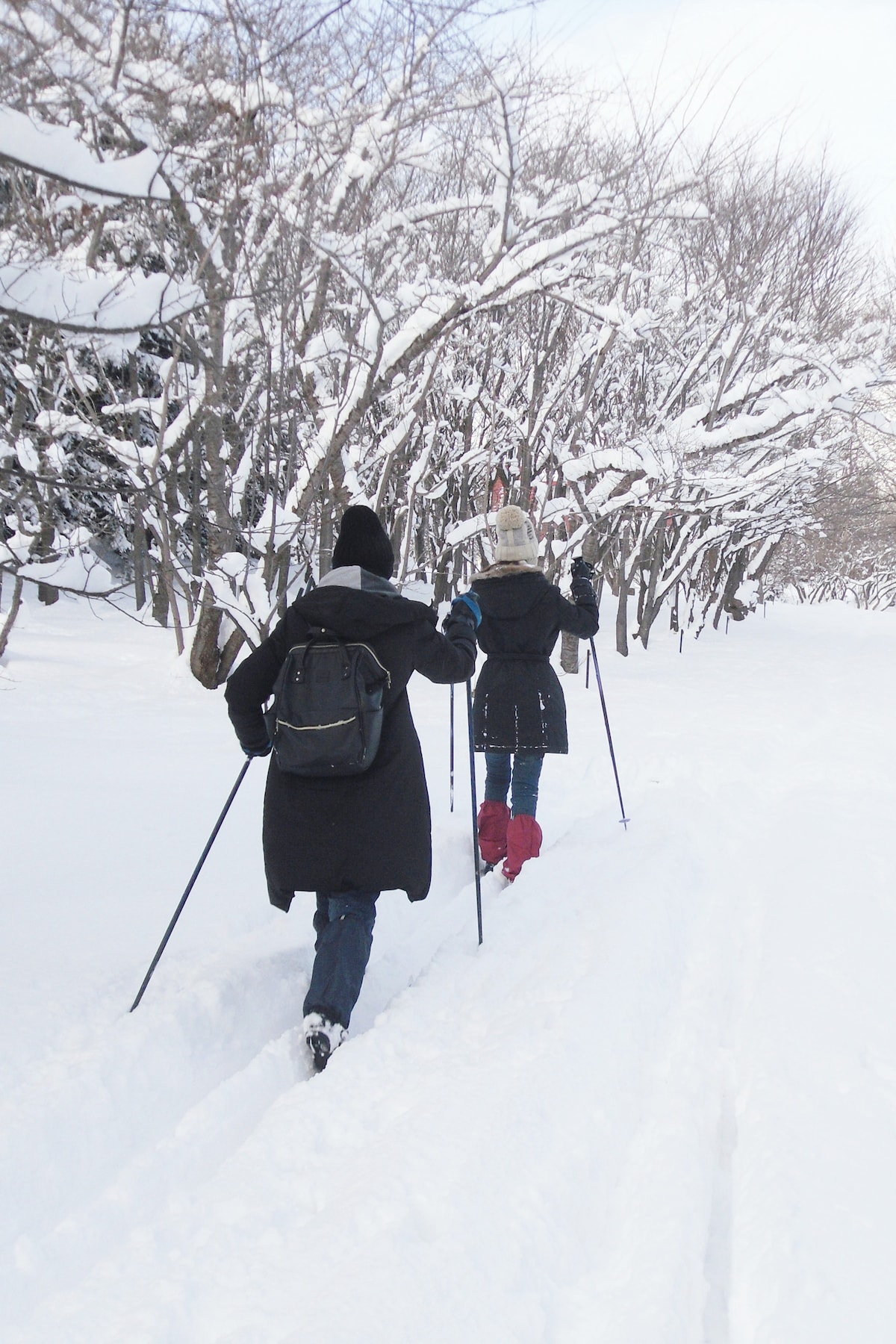
Cross Country Skiing and Powder Snow
Tue, Feb 24 • 9:30 AM
062-0035, Hokkaido, Sapporo, Japan
View details
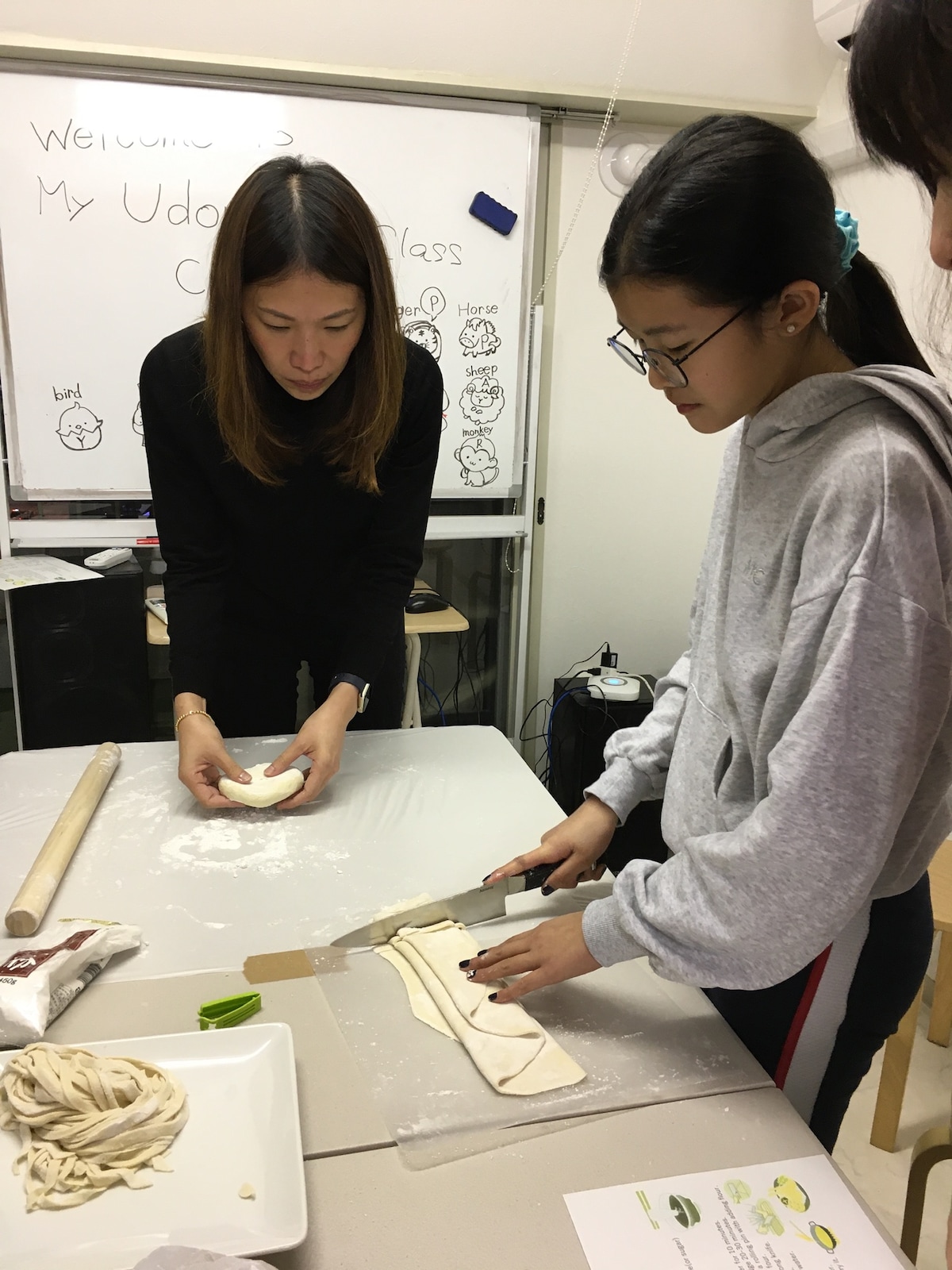
Learn to cook tempura and udon
Sat, Feb 21 • 7:00 PM
062-0004, Hokkaido, Sapporo, Japan
View details
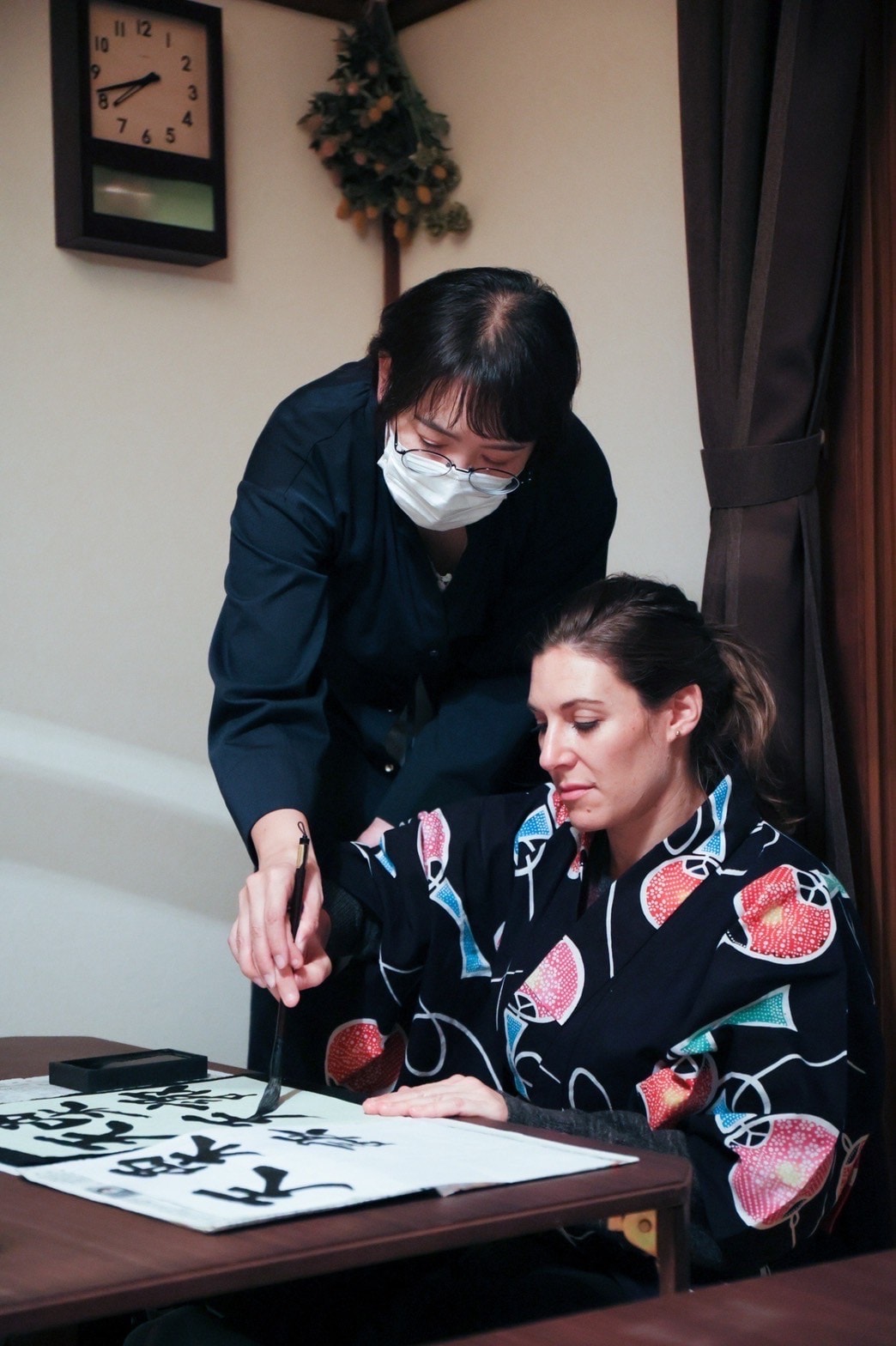
Calligraph name in Japanese and dress in kimono
Sat, Feb 21 • 2:00 PM
007-0872, Hokkaido, Sapporo, Japan
View details
Nearby attractions of Hokkaido Museum
Historical Village of Hokkaido
Hokkaido Colonization Commission Sapporo Main Office (Historical Village of Hokkaido)
Urakawa Subprefactual Government Building (Historical Village of Hokkaido)
Otaru Shinbun Co./Otaru Newspaper Co. (Historical Village Of Hokkaido)
Hirose Photo Studio (Historical Village of Hokkaido)
Aoyama Family Structures for Herring Fishing (Historical Village of Hokkaido)
Kondō Clinic (Historical Village Of Hokkaido)
Yamamoto Barbar Shop (Historical Village Of Hokkaido)
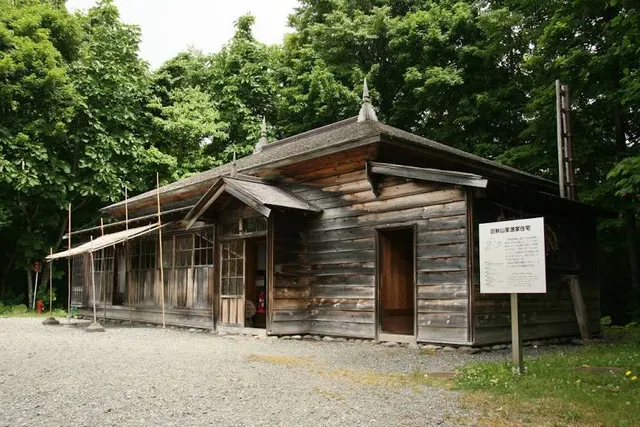
Historical Village of Hokkaido
4.4
(1.6K)
Closed
Click for details
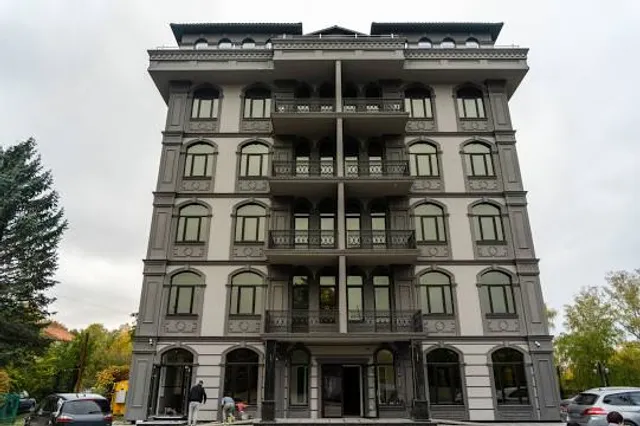
Hokkaido Colonization Commission Sapporo Main Office (Historical Village of Hokkaido)
4.3
(19)
Closed
Click for details
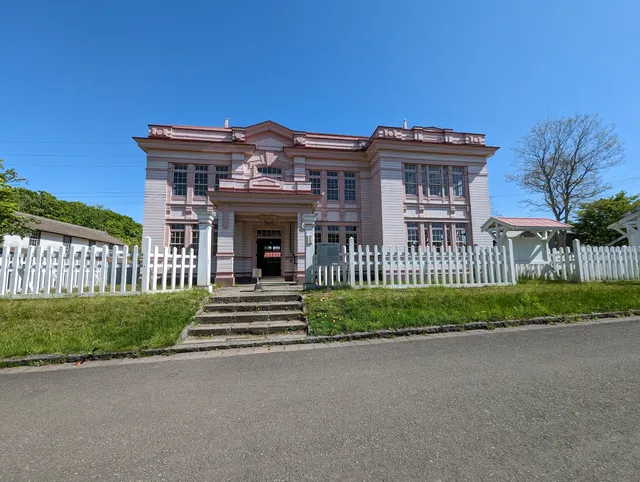
Urakawa Subprefactual Government Building (Historical Village of Hokkaido)
4.5
(11)
Closed
Click for details
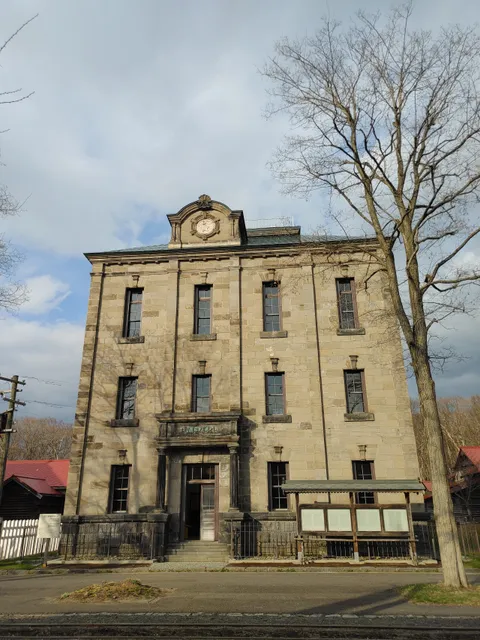
Otaru Shinbun Co./Otaru Newspaper Co. (Historical Village Of Hokkaido)
4.6
(10)
Closed
Click for details
Nearby restaurants of Hokkaido Museum
Restaurant (Historical Village Of Hokkaido)
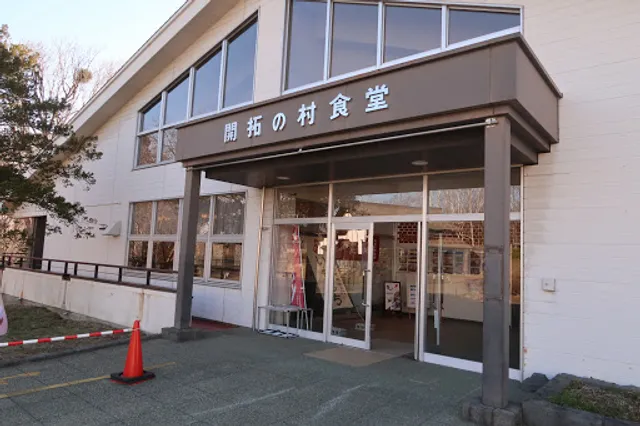
Restaurant (Historical Village Of Hokkaido)
3.7
(122)
Closed
Click for details
Nearby local services of Hokkaido Museum
Shinrin park spa KIYORA
Hokkaido Buried cultural property center
Historical Village Of Hokkaido Fishing Village Area
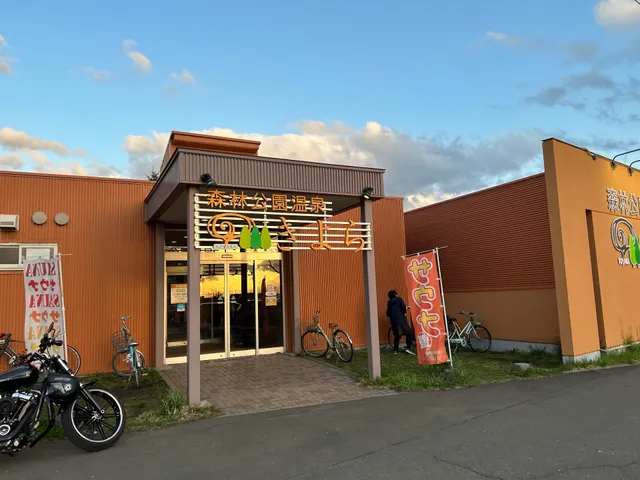
Shinrin park spa KIYORA
4.1
(1.0K)
Click for details
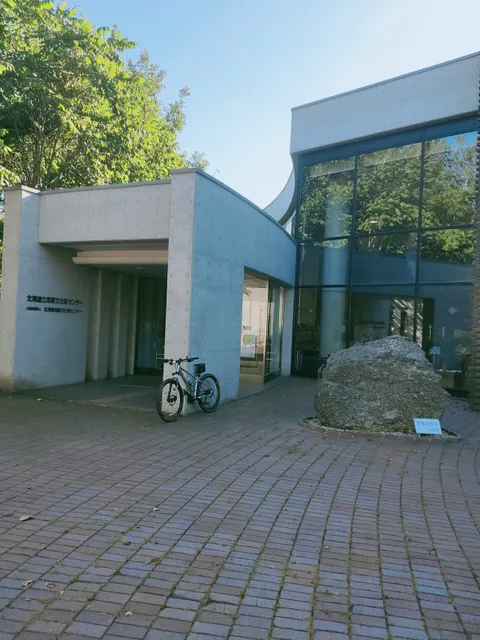
Hokkaido Buried cultural property center
4.2
(77)
Click for details
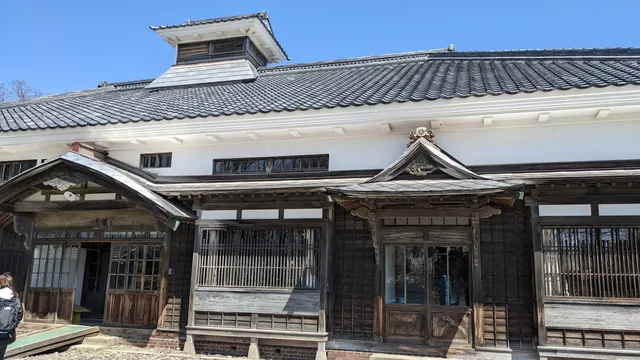
Historical Village Of Hokkaido Fishing Village Area
4.6
(16)
Click for details