Otsuka-Saikachido Archeological Park things to do, attractions, restaurants, events info and trip planning
Basic Info
Otsuka-Saikachido Archeological Park
1 Odananishi, Tsuzuki Ward, Yokohama, Kanagawa 224-0028, Japan
4.1(285)
Open until 12:00 AM
Save
spot
spot
Ratings & Description
Info
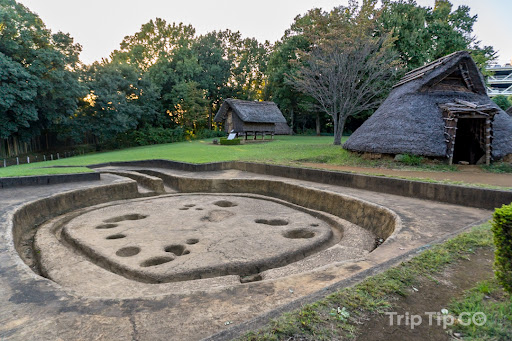
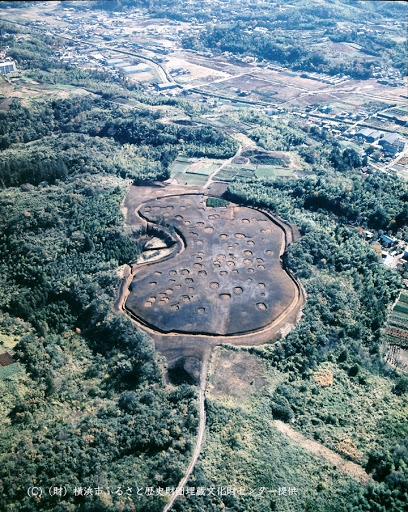
The Ōtsuka-Saikachido Site is an archaeological site in the Nakagawa neighborhood of Tsuzuki-ku, Yokohama, Kanagawa Prefecture, in the southern Kantō region of Japan containing a Yayoi period settlement trace. The site was designated a National Historic Site in 1986.
Cultural
Outdoor
Scenic
Family friendly
Accessibility
attractions: Yokohama History Museum, サープラ横浜あそびタウン, Hapipi Land, Fantasy Kids Resort Kohoku, Tokusho Park, Tsuzuki Chuo Park, Shokakuji, Chigasakihigashi Nanohana Park, Nakagawa Hachimanyama Park, restaurants: Wendy’s First Kitchen - Kohoku Northport Mall, Kamakura Pasta Northport MALL, Café de Crié Plus - Northport Mall, Plus Spice, 謝謝餃子軒, Tsuzukitei, Saint Marc Cafe - Northport Mall, Ringer Hut Yokohama northport MALL, Sushiro Kouhoku New Town Store, 寿司鷹 港北店, local businesses: northport MALL, BOOKOFF SUPER BAZAAR Northport Mall Store, Aeon Cinema Kohoku New Town, Yamada Denki Tecc Land New Kohoku Center Honten, OK Store Kohoku Chuo, Chigasakisugiyama Shrine, CAIT SITH, JA Farmer's Market, Yuttari CoCo, Mosaic Mall Kohoku
 Learn more insights from Wanderboat AI.
Phone
+81 45-912-7777
Website
rekihaku.city.yokohama.jp
Open hoursSee all hours
WedOpen 24 hoursOpen
Plan your stay

Pet-friendly Hotels in Yokohama
Find a cozy hotel nearby and make it a full experience.

Affordable Hotels in Yokohama
Find a cozy hotel nearby and make it a full experience.

The Coolest Hotels You Haven't Heard Of (Yet)
Find a cozy hotel nearby and make it a full experience.

Trending Stays Worth the Hype in Yokohama
Find a cozy hotel nearby and make it a full experience.
Reviews
Live events
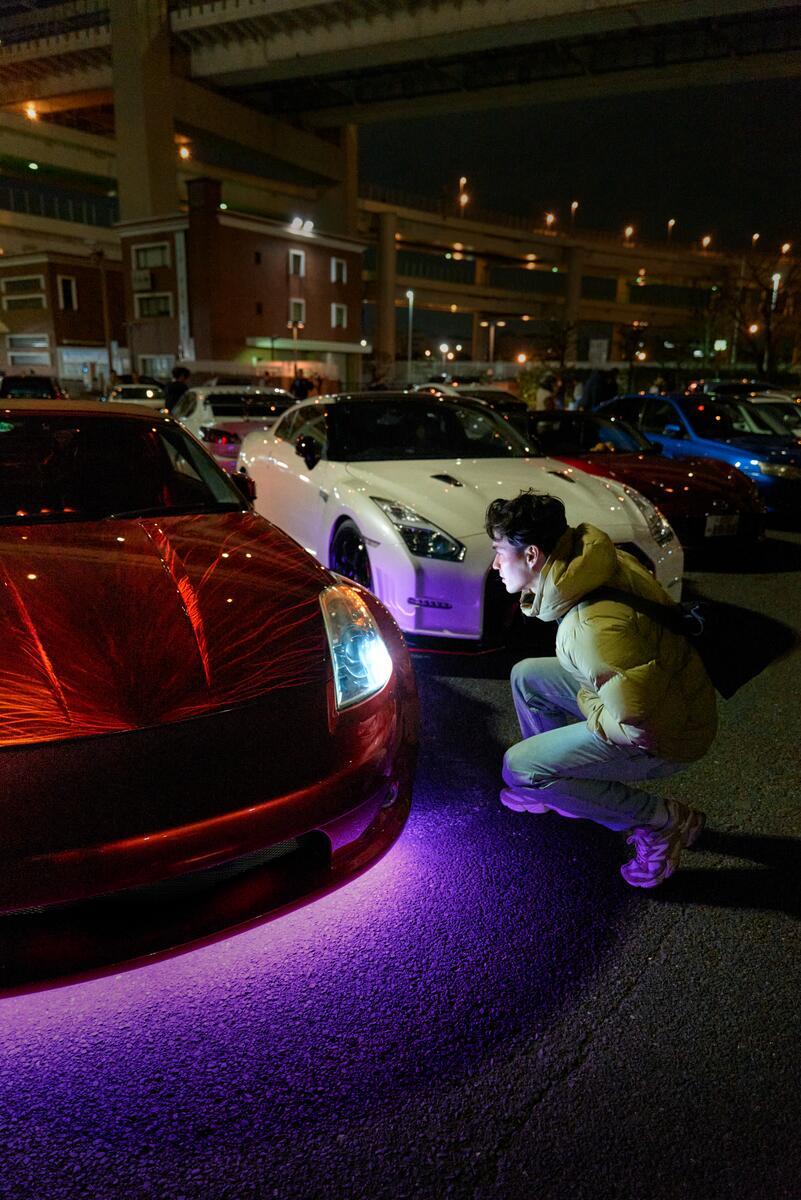
Drive Tokyo’s car culture in a Nissan Skyline
Wed, Feb 11 • 8:30 PM
150-0047, Tokyo Prefecture, Shibuya, Japan
View details

СНГ ВЕЧЕРИНКА KAÏF | ТОКИО
Fri, Feb 13 • 10:00 PM
Japan, 〒106-0032 Tokyo, Minato City, Roppongi, 7 Chome−14−23 B1F #B1F Minato City, Tokyo 106-0032
View details
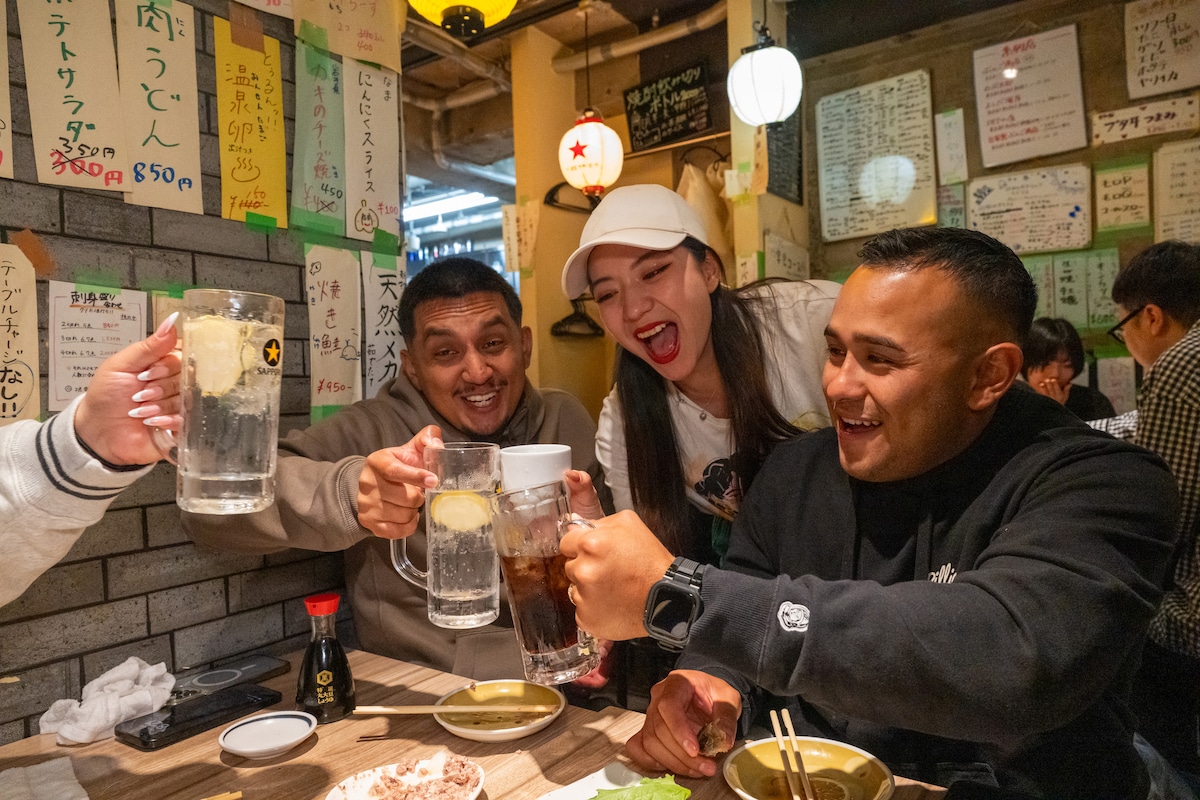
Unlimited Local Night《ALL-Y-Can-DRINK》Shinjuku Gem
Wed, Feb 11 • 7:15 PM
160-0022, Tokyo Prefecture, Shinjuku City, Japan
View details
Nearby attractions of Otsuka-Saikachido Archeological Park
Yokohama History Museum
サープラ横浜あそびタウン
Hapipi Land
Fantasy Kids Resort Kohoku
Tokusho Park
Tsuzuki Chuo Park
Shokakuji
Chigasakihigashi Nanohana Park
Nakagawa Hachimanyama Park
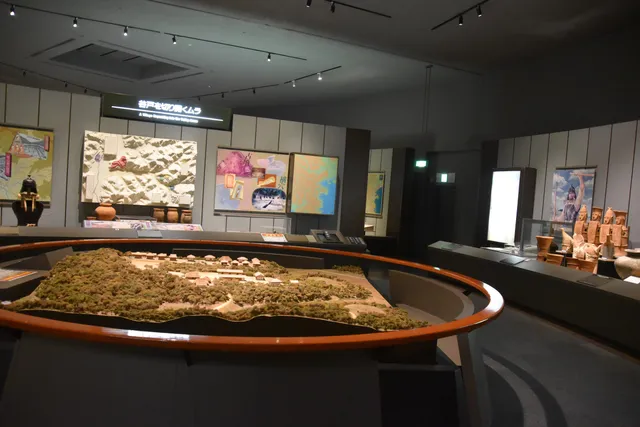
Yokohama History Museum
4.0
(480)
Closed
Click for details

サープラ横浜あそびタウン
3.4
(532)
Closed
Click for details
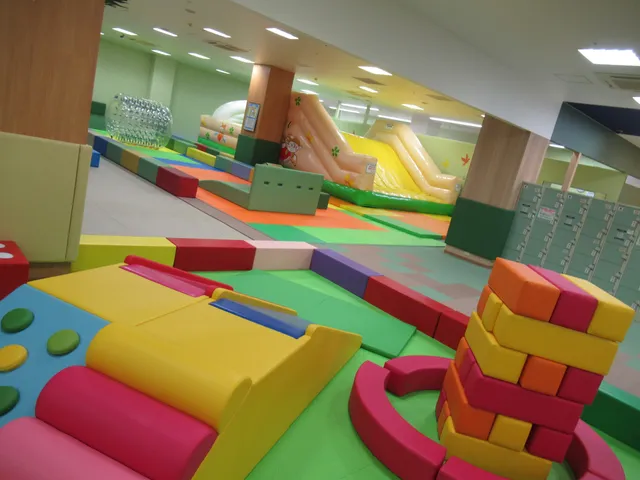
Hapipi Land
4.6
(166)
Closed
Click for details
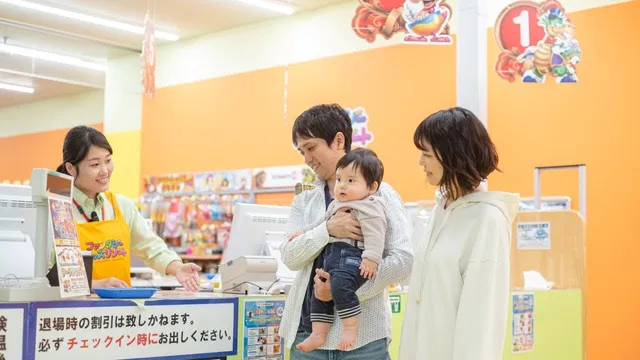
Fantasy Kids Resort Kohoku
3.9
(369)
Closed
Click for details
Nearby restaurants of Otsuka-Saikachido Archeological Park
Wendy’s First Kitchen - Kohoku Northport Mall
Kamakura Pasta Northport MALL
Café de Crié Plus - Northport Mall
Plus Spice
謝謝餃子軒
Tsuzukitei
Saint Marc Cafe - Northport Mall
Ringer Hut Yokohama northport MALL
Sushiro Kouhoku New Town Store
寿司鷹 港北店
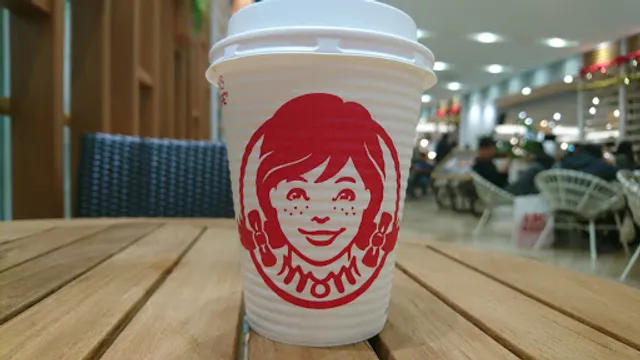
Wendy’s First Kitchen - Kohoku Northport Mall
3.3
(99)
Closed
Click for details
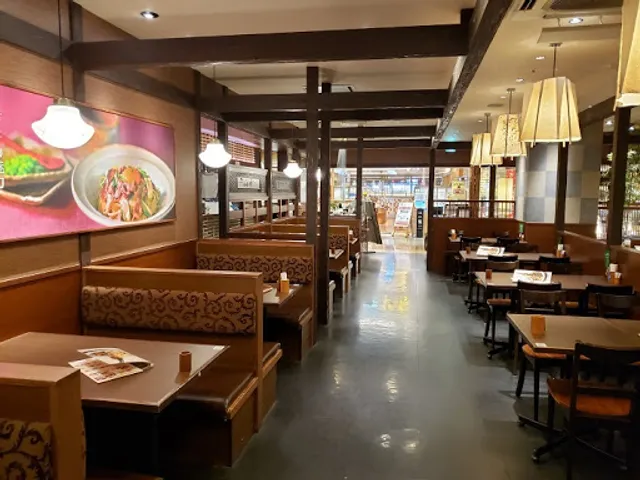
Kamakura Pasta Northport MALL
3.3
(145)
Closed
Click for details
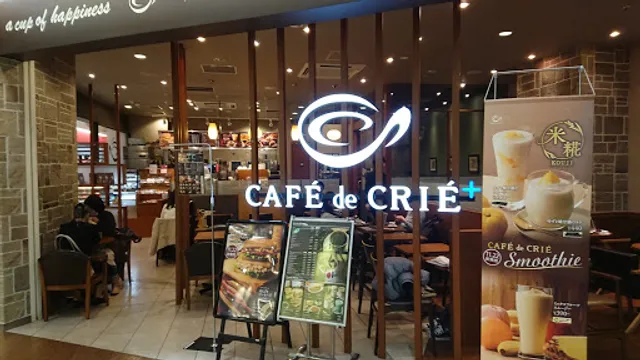
Café de Crié Plus - Northport Mall
3.6
(100)
Closed
Click for details
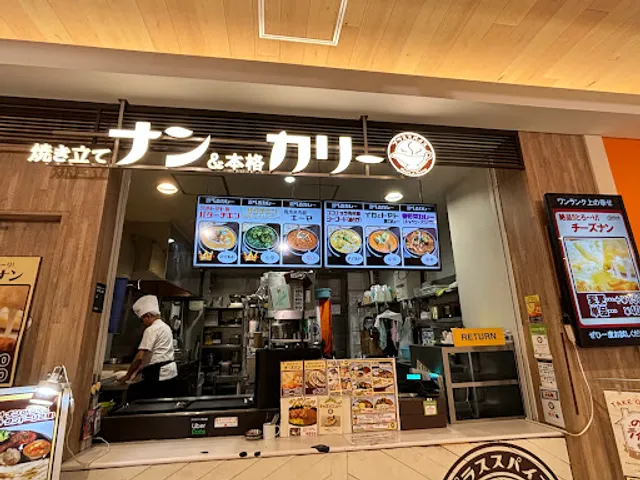
Plus Spice
3.5
(38)
Closed
Click for details
Nearby local services of Otsuka-Saikachido Archeological Park
northport MALL
BOOKOFF SUPER BAZAAR Northport Mall Store
Aeon Cinema Kohoku New Town
Yamada Denki Tecc Land New Kohoku Center Honten
OK Store Kohoku Chuo
Chigasakisugiyama Shrine
CAIT SITH
JA Farmer's Market
Yuttari CoCo
Mosaic Mall Kohoku
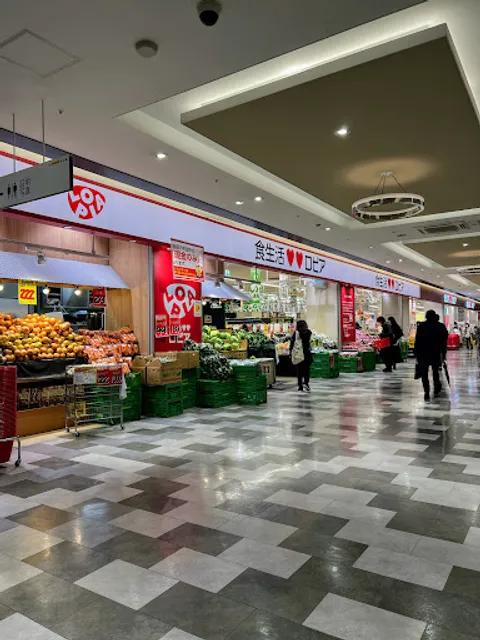
northport MALL
3.9
(1.3K)
Click for details

BOOKOFF SUPER BAZAAR Northport Mall Store
3.6
(595)
Click for details
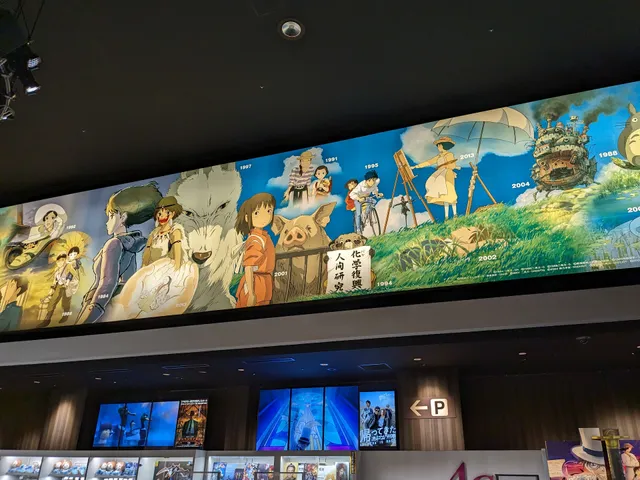
Aeon Cinema Kohoku New Town
3.9
(1.3K)
Click for details
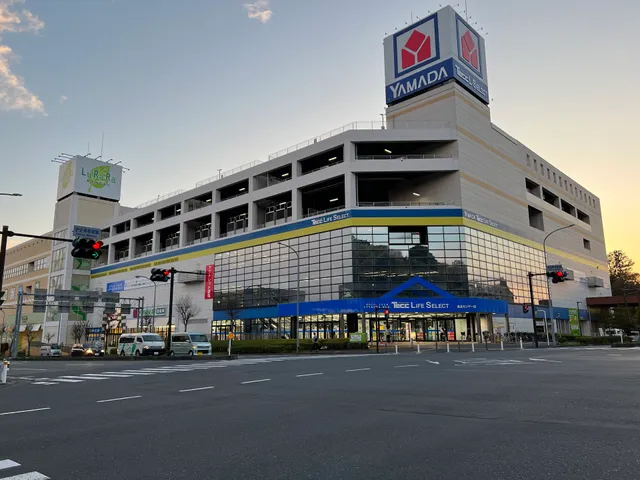
Yamada Denki Tecc Land New Kohoku Center Honten
4.4
(935)
Click for details