HTML SitemapExplore
logo
Find Things to DoFind The Best Restaurants

Sankeien Garden — Attraction in Yokohama

Name
Sankeien Garden
Description
Nearby attractions
Three-Story Pagoda of Former Tomyoji Temple
58-1 Honmokusannotani, Naka Ward, Yokohama, Kanagawa 231-0824, Japan
Sankei Memorial
58-1 Honmokusannotani, Naka Ward, Yokohama, Kanagawa 231-0824, Japan
Honmoku Shimin Park
59 Honmokusannotani, Naka Ward, Yokohama, Kanagawa 231-0824, Japan
Shanghai Yokohama Friendship Garden
59-59 Honmokusannotani, Naka Ward, Yokohama, Kanagawa 231-0824, Japan
Hasseiden (Eight Saints) Local Museum
76-1 Honmoku Motomachi, Naka Ward, Yokohama, Kanagawa 231-0822, Japan
Honmoku Rinkai Park
386-1 Honmoku Motomachi, Naka Ward, Yokohama, Kanagawa 231-0822, Japan
Honmoku Shrine
19 Honmokuwada, Yokohama, Kanagawa 231-0827, Japan
Honmoku Sancho Park
1-5 Wadayama, Naka Ward, Yokohama, Kanagawa 231-0805, Japan
Ikebukuro Park
11-3 Ikebukuro, Naka Ward, Yokohama, Kanagawa 231-0834, Japan
見晴台
1 Wadayama, Naka Ward, Yokohama, Kanagawa 231-0805, Japan
Nearby restaurants
Red Lobster Shinhonmokuten
27-1 Honmokuwada, Naka Ward, Yokohama, Kanagawa 231-0827, Japan
ステーキガスト 本牧店
33-13 Honmokumakado, Naka Ward, Yokohama, Kanagawa 231-0825, Japan
Boogie Cafe
Japan, 〒231-0825 Kanagawa, Yokohama, Naka Ward, Honmokumakado, 20−1 西島ハイツヒルサイド・アパート
Ramen Taisho Honten
30-51 Honmokumakado, Naka Ward, Yokohama, Kanagawa 231-0825, Japan
Darpan Indian Restaurant
32-10 Honmokumakado, Naka Ward, Yokohama, Kanagawa 231-0825, Japan
Dontei
Japan, 〒231-0827 Kanagawa, Yokohama, Naka Ward, Honmokuwada, 34−1 ベイサイド本牧Ⅰ団地 1号室
Toki Sushi
24-1 Honmokumakado, Naka Ward, Yokohama, Kanagawa 231-0825, Japan
故郷の家
18-8 Honmokusannotani, Naka Ward, Yokohama, Kanagawa 231-0824, Japan
Honmoku Makakado Mamematsu
1-2 Honmokumakado, Naka Ward, Yokohama, Kanagawa 231-0825, Japan
Check Mate
16-10 Honmokusannotani, Naka Ward, Yokohama, Kanagawa 231-0824, Japan
Nearby hotels
Related posts
Keywords
Sankeien Garden tourism.Sankeien Garden hotels.Sankeien Garden bed and breakfast. flights to Sankeien Garden.Sankeien Garden attractions.Sankeien Garden restaurants.Sankeien Garden travel.Sankeien Garden travel guide.Sankeien Garden travel blog.Sankeien Garden pictures.Sankeien Garden photos.Sankeien Garden travel tips.Sankeien Garden maps.Sankeien Garden things to do.
Sankeien Garden things to do, attractions, restaurants, events info and trip planning
Sankeien Garden
JapanKanagawa PrefectureYokohamaSankeien Garden

Basic Info

Sankeien Garden

58-1 Honmokusannotani, Naka Ward, Yokohama, Kanagawa 231-0824, Japan
4.4(3.3K)
Open 24 hours
Save
spot

Ratings & Description

Info

Cultural
Outdoor
Scenic
Relaxation
Family friendly
Accessibility
attractions: Three-Story Pagoda of Former Tomyoji Temple, Sankei Memorial, Honmoku Shimin Park, Shanghai Yokohama Friendship Garden, Hasseiden (Eight Saints) Local Museum, Honmoku Rinkai Park, Honmoku Shrine, Honmoku Sancho Park, Ikebukuro Park, 見晴台, restaurants: Red Lobster Shinhonmokuten, ステーキガスト 本牧店, Boogie Cafe, Ramen Taisho Honten, Darpan Indian Restaurant, Dontei, Toki Sushi, 故郷の家, Honmoku Makakado Mamematsu, Check Mate
logoLearn more insights from Wanderboat AI.
Phone
+81 45-621-0634
Website
sankeien.or.jp

Plan your stay

hotel
Pet-friendly Hotels in Yokohama
Find a cozy hotel nearby and make it a full experience.
hotel
Affordable Hotels in Yokohama
Find a cozy hotel nearby and make it a full experience.
hotel
The Coolest Hotels You Haven't Heard Of (Yet)
Find a cozy hotel nearby and make it a full experience.
hotel
Trending Stays Worth the Hype in Yokohama
Find a cozy hotel nearby and make it a full experience.

Reviews

Nearby attractions of Sankeien Garden

Three-Story Pagoda of Former Tomyoji Temple

Sankei Memorial

Honmoku Shimin Park

Shanghai Yokohama Friendship Garden

Hasseiden (Eight Saints) Local Museum

Honmoku Rinkai Park

Honmoku Shrine

Honmoku Sancho Park

Ikebukuro Park

見晴台

Three-Story Pagoda of Former Tomyoji Temple

Three-Story Pagoda of Former Tomyoji Temple

4.1

(56)

Open 24 hours
Click for details
Sankei Memorial

Sankei Memorial

3.6

(19)

Open 24 hours
Click for details
Honmoku Shimin Park

Honmoku Shimin Park

4.0

(916)

Open until 12:00 AM
Click for details
Shanghai Yokohama Friendship Garden

Shanghai Yokohama Friendship Garden

3.9

(37)

Open 24 hours
Click for details

Things to do nearby

TYFFONIUM お台場:FLORIA(フローリア)
Mon, Dec 8 • 1:40 PM
東京都江東区青海1丁目1−10 ダイバーシティ東京プラザ5F (1-1-10, Aomi, Koto-Ku, Tokyo DiverCity Tokyo Plaza 5F), 135-0064
View details
Toshi Experience World’s largest fish market tour
Mon, Dec 8 • 12:00 PM
135-0061, Tokyo Prefecture, Koto City, Japan
View details
Must do walking tour in Shibuya
Mon, Dec 8 • 3:00 PM
150-0043, Tokyo Prefecture, Shibuya, Japan
View details

Nearby restaurants of Sankeien Garden

Red Lobster Shinhonmokuten

ステーキガスト 本牧店

Boogie Cafe

Ramen Taisho Honten

Darpan Indian Restaurant

Dontei

Toki Sushi

故郷の家

Honmoku Makakado Mamematsu

Check Mate

Red Lobster Shinhonmokuten

Red Lobster Shinhonmokuten

4.1

(324)

$$

Click for details
ステーキガスト 本牧店

ステーキガスト 本牧店

3.7

(528)

Click for details
Boogie Cafe

Boogie Cafe

4.3

(78)

$

Click for details
Ramen Taisho Honten

Ramen Taisho Honten

3.9

(428)

Click for details
Get the Appoverlay
Get the AppOne tap to find yournext favorite spots!
Wanderboat LogoWanderboat

Your everyday Al companion for getaway ideas

CompanyAbout Us
InformationAI Trip PlannerSitemap
SocialXInstagramTiktokLinkedin
LegalTerms of ServicePrivacy Policy

Get the app

© 2025 Wanderboat. All rights reserved.
logo

Reviews of Sankeien Garden

4.4
(3,310)
avatar
5.0
5y

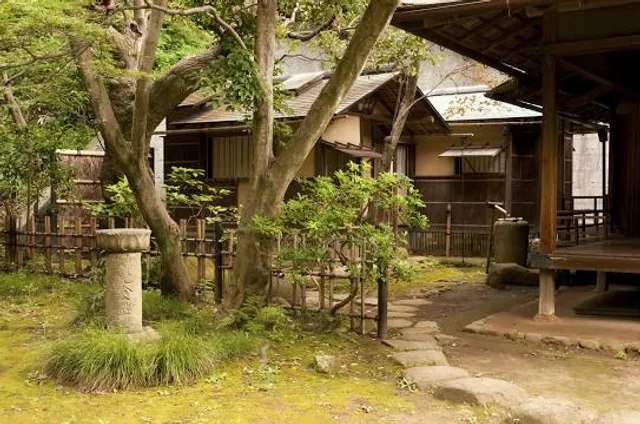
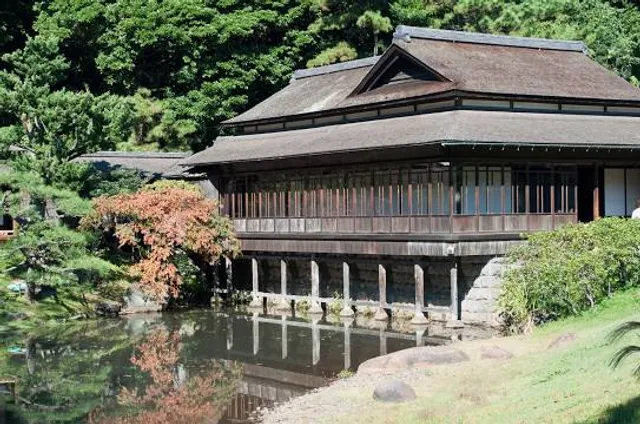
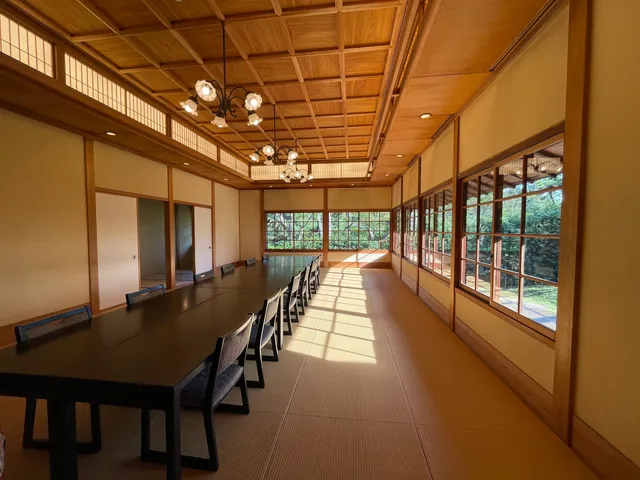
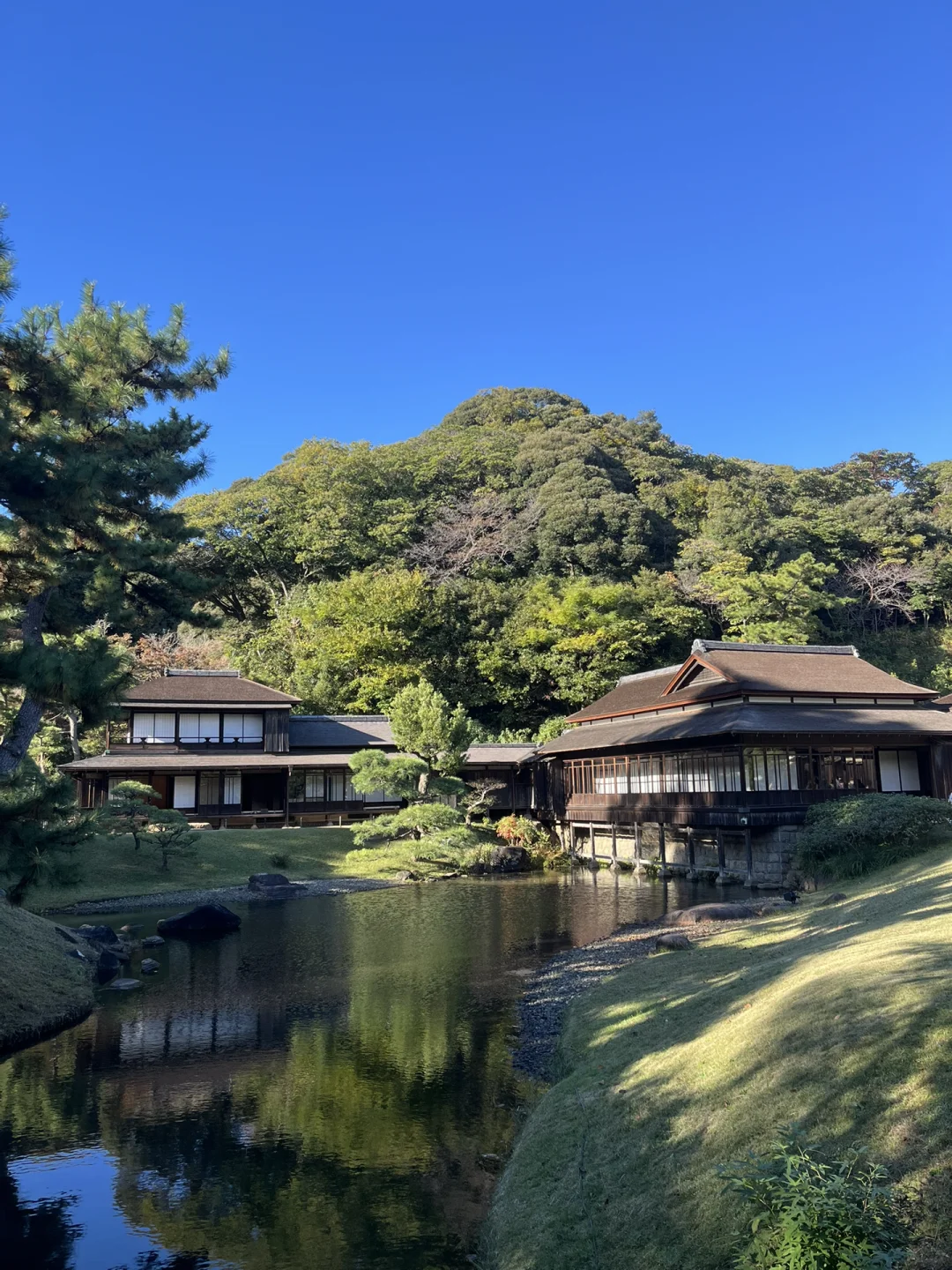
In the evening, I take a walk at Sankeien Garden, an ancient garden that is 152 years old. Rough History Sankeien Garden was built during the Meiji era, designed and built by Mr. Tomitaro Hara (原 富 太郎) (in 1868), known as the sankeihara, he was a merchant of Silk Almost all of the wooden buildings are historic buildings that Hara has bought from places around Japan, such as those from Tokyo, Kyoto and Kamakura and Gifu Prefecture and Wakayama Prefecture. This garden Declared an Important Cultural Property Considered a tangible Japanese cultural property, which was determined by Yokohama politics, San Gei Garden was severely damaged during World War II. This park was donated to Yokohama in 2009. In 1953, which was entrusted to the Sangen Foundation, the garden was then restored to its original condition before the war . The garden occupies a total area of ​​175,000 square meters with pools, streams and undulating trails. There is a Japanese-style garden designed by Sangehara himself, including a teak building. Many of the old buildings, such as Tomyo-ji and the ancient three-story wooden pagoda (旧 燈 明 寺 三重 塔), were originally built in Kyoto in 2000 and relocated in 1914 and the former Yanohara House. (旧 矢 箆 原 家 住宅) was originally a private residence of the Yanohara family Was moved to the garden as well Works in the gardens began in 1902 and ended in 1908, two years after it was opened to the public. During Hana's lifetime, this place became a gathering point for Meiji artists . World War II devastated many buildings in 1953. The park was donated by the Hara family to Yokohama, where the Sangen Hoshokai Foundation was built for repairs. And maintain Restoration began in 1953, and five years later the garden was restored and opened to the public again. The Japanese government has designated 10 structures in Sankeien Garden as important cultural properties, while the other three are tangible cultural properties designated by Yokohama. [This garden is popular for Cherry blossom viewing Ume blossoms and autumn leaves For the sensation of walking through this park during the absence of foreigners during COVID. It was so beautiful and so peaceful. There are many kinds of trees that look shady. Has a feeling of being in ancient times There is a vast lake There are pelicans, teal, cats, and turtles and squirrels. As for the old wooden house in the garden, it exhibits the objects and their old style. I was impressed to come to such a beautiful and...

   Read more
avatar
5.0
35w

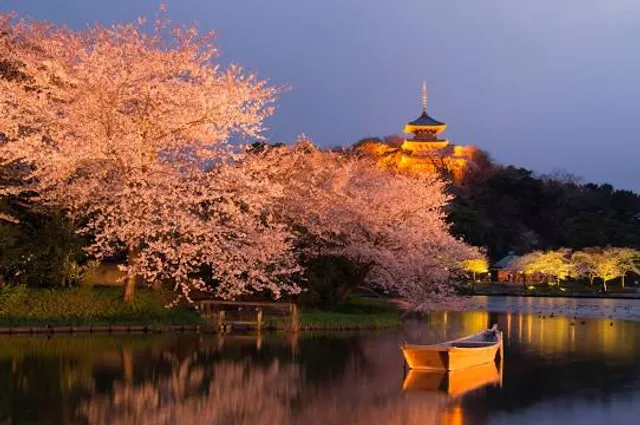
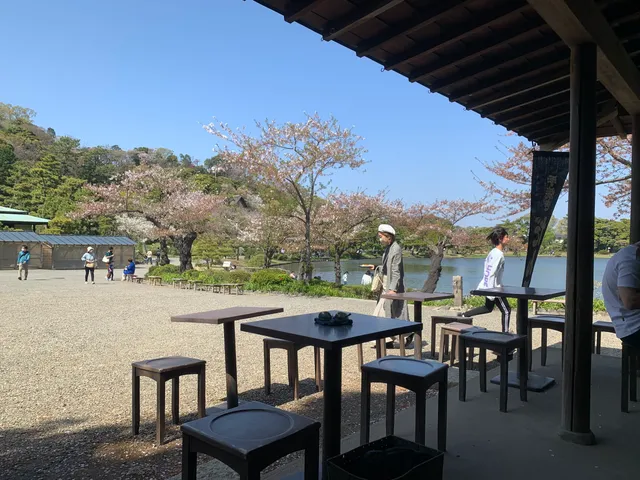
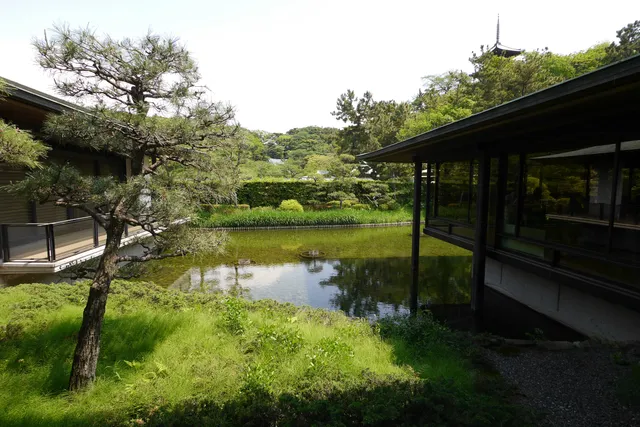
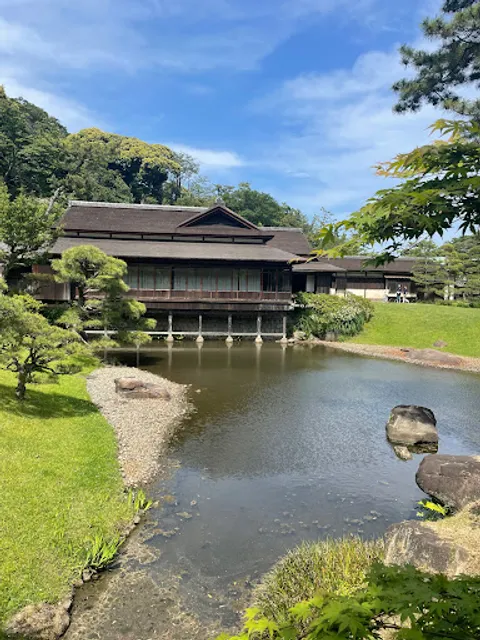
Visiting Sankeien Garden was one of the most peaceful and visually stunning experiences I’ve had in Japan. From the moment I stepped in, it felt like I had been transported back in time. The landscape is absolutely beautiful—perfectly maintained ponds, stone bridges, winding paths, and an incredible collection of historic buildings that were relocated from places like Kyoto and Kamakura. The three-story pagoda on the hilltop is especially breathtaking, and I couldn’t stop taking photos of it from different angles.

I went in the spring, and the cherry blossoms were in full bloom. The reflection of the sakura in the water, the koi fish swimming lazily below—it was honestly like a scene out of a postcard. I’ve heard it’s just as gorgeous in the fall when the leaves turn fiery red and gold, so I definitely plan to come back then.

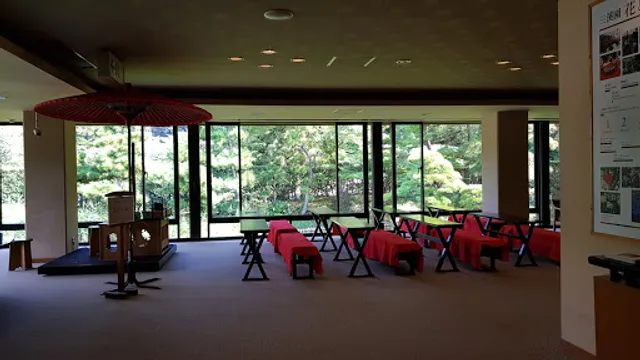
What really made the visit special was how quiet and calming it was. Even with other people around, it never felt crowded or noisy. I spent time just sitting by the water and enjoying the stillness, something that’s hard to find in a busy city like Yokohama. There’s also a traditional teahouse where I had a quiet matcha break, which felt like the perfect way to soak in the surroundings.

It’s not right next to a train station, so be ready for a short bus ride or walk, but it’s 100% worth the effort. If you’re looking for a place to slow down, appreciate nature, and feel a deep connection to Japan’s cultural heritage, Sankeien is a must-visit. I’ll be recommending it to...

   Read more
avatar
5.0
19w

Sankeien Garden in Yokohama is one of those places that feels like it belongs in a different time peaceful, spacious, and full of quiet stories. The moment you walk in, it’s like the city fades away. You’re surrounded by traditional wooden buildings, koi ponds, stone lanterns, and wide-open walking paths that invite you to slow down.

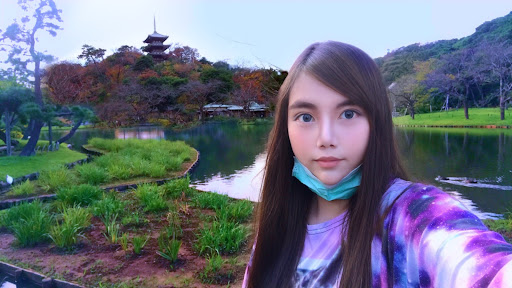
What makes Sankeien special isn’t just the scenery it’s the history woven into it. Many of the buildings here were brought from Kyoto and other parts of Japan, some over 500 years old. The three-storied pagoda perched on the hill is especially striking, like something out of a woodblock print. It feels almost surreal seeing it reflected in the still water below.

Every season has its moment here. In spring, cherry blossoms frame the garden in pink; summer brings lush green and lotus flowers; autumn turns the trees a deep, fiery red; and even in winter, the garden has a quiet charm with camellias and snow-dusted rooftops. You’ll find families with kids, elderly couples, and artists with sketchpads all soaking in the calm.

There’s also a small teahouse and a museum area that adds to the atmosphere. It's not flashy or crowded like some tourist spots, but that’s the beauty of it. Sankeien feels personal, like a well-kept secret you’ll want to revisit whenever life...

   Read more
Page 1 of 7
Previous
Next

Posts

🇯🇵 Must-Visit Tokyo Weekend Spot for Autumn Foliage! Sankeien Garden's Limited-Time Autumn Opening
CathyCathy
🇯🇵 Must-Visit Tokyo Weekend Spot for Autumn Foliage! Sankeien Garden's Limited-Time Autumn Opening
Onuma KurosakaOnuma Kurosaka
In the evening, I take a walk at Sankeien Garden, an ancient garden that is 152 years old. Rough History Sankeien Garden was built during the Meiji era, designed and built by Mr. Tomitaro Hara (原 富 太郎) (in 1868), known as the sankeihara, he was a merchant of Silk Almost all of the wooden buildings are historic buildings that Hara has bought from places around Japan, such as those from Tokyo, Kyoto and Kamakura and Gifu Prefecture and Wakayama Prefecture. This garden Declared an Important Cultural Property Considered a tangible Japanese cultural property, which was determined by Yokohama politics, San Gei Garden was severely damaged during World War II. This park was donated to Yokohama in 2009. In 1953, which was entrusted to the Sangen Foundation, the garden was then restored to its original condition before the war . The garden occupies a total area of ​​175,000 square meters with pools, streams and undulating trails. There is a Japanese-style garden designed by Sangehara himself, including a teak building. Many of the old buildings, such as Tomyo-ji and the ancient three-story wooden pagoda (旧 燈 明 寺 三重 塔), were originally built in Kyoto in 2000 and relocated in 1914 and the former Yanohara House. (旧 矢 箆 原 家 住宅) was originally a private residence of the Yanohara family Was moved to the garden as well Works in the gardens began in 1902 and ended in 1908, two years after it was opened to the public. During Hana's lifetime, this place became a gathering point for Meiji artists . World War II devastated many buildings in 1953. The park was donated by the Hara family to Yokohama, where the Sangen Hoshokai Foundation was built for repairs. And maintain Restoration began in 1953, and five years later the garden was restored and opened to the public again. The Japanese government has designated 10 structures in Sankeien Garden as important cultural properties, while the other three are tangible cultural properties designated by Yokohama. [This garden is popular for Cherry blossom viewing Ume blossoms and autumn leaves For the sensation of walking through this park during the absence of foreigners during COVID. It was so beautiful and so peaceful. There are many kinds of trees that look shady. Has a feeling of being in ancient times There is a vast lake There are pelicans, teal, cats, and turtles and squirrels. As for the old wooden house in the garden, it exhibits the objects and their old style. I was impressed to come to such a beautiful and valuable place.
Long NguyenLong Nguyen
Visiting Sankeien Garden was one of the most peaceful and visually stunning experiences I’ve had in Japan. From the moment I stepped in, it felt like I had been transported back in time. The landscape is absolutely beautiful—perfectly maintained ponds, stone bridges, winding paths, and an incredible collection of historic buildings that were relocated from places like Kyoto and Kamakura. The three-story pagoda on the hilltop is especially breathtaking, and I couldn’t stop taking photos of it from different angles. I went in the spring, and the cherry blossoms were in full bloom. The reflection of the sakura in the water, the koi fish swimming lazily below—it was honestly like a scene out of a postcard. I’ve heard it’s just as gorgeous in the fall when the leaves turn fiery red and gold, so I definitely plan to come back then. What really made the visit special was how quiet and calming it was. Even with other people around, it never felt crowded or noisy. I spent time just sitting by the water and enjoying the stillness, something that’s hard to find in a busy city like Yokohama. There’s also a traditional teahouse where I had a quiet matcha break, which felt like the perfect way to soak in the surroundings. It’s not right next to a train station, so be ready for a short bus ride or walk, but it’s 100% worth the effort. If you’re looking for a place to slow down, appreciate nature, and feel a deep connection to Japan’s cultural heritage, Sankeien is a must-visit. I’ll be recommending it to everyone I know.
See more posts
See more posts
hotel
Find your stay

Pet-friendly Hotels in Yokohama

Find a cozy hotel nearby and make it a full experience.

🇯🇵 Must-Visit Tokyo Weekend Spot for Autumn Foliage! Sankeien Garden's Limited-Time Autumn Opening
Cathy

Cathy

hotel
Find your stay

Affordable Hotels in Yokohama

Find a cozy hotel nearby and make it a full experience.

Get the Appoverlay
Get the AppOne tap to find yournext favorite spots!
In the evening, I take a walk at Sankeien Garden, an ancient garden that is 152 years old. Rough History Sankeien Garden was built during the Meiji era, designed and built by Mr. Tomitaro Hara (原 富 太郎) (in 1868), known as the sankeihara, he was a merchant of Silk Almost all of the wooden buildings are historic buildings that Hara has bought from places around Japan, such as those from Tokyo, Kyoto and Kamakura and Gifu Prefecture and Wakayama Prefecture. This garden Declared an Important Cultural Property Considered a tangible Japanese cultural property, which was determined by Yokohama politics, San Gei Garden was severely damaged during World War II. This park was donated to Yokohama in 2009. In 1953, which was entrusted to the Sangen Foundation, the garden was then restored to its original condition before the war . The garden occupies a total area of ​​175,000 square meters with pools, streams and undulating trails. There is a Japanese-style garden designed by Sangehara himself, including a teak building. Many of the old buildings, such as Tomyo-ji and the ancient three-story wooden pagoda (旧 燈 明 寺 三重 塔), were originally built in Kyoto in 2000 and relocated in 1914 and the former Yanohara House. (旧 矢 箆 原 家 住宅) was originally a private residence of the Yanohara family Was moved to the garden as well Works in the gardens began in 1902 and ended in 1908, two years after it was opened to the public. During Hana's lifetime, this place became a gathering point for Meiji artists . World War II devastated many buildings in 1953. The park was donated by the Hara family to Yokohama, where the Sangen Hoshokai Foundation was built for repairs. And maintain Restoration began in 1953, and five years later the garden was restored and opened to the public again. The Japanese government has designated 10 structures in Sankeien Garden as important cultural properties, while the other three are tangible cultural properties designated by Yokohama. [This garden is popular for Cherry blossom viewing Ume blossoms and autumn leaves For the sensation of walking through this park during the absence of foreigners during COVID. It was so beautiful and so peaceful. There are many kinds of trees that look shady. Has a feeling of being in ancient times There is a vast lake There are pelicans, teal, cats, and turtles and squirrels. As for the old wooden house in the garden, it exhibits the objects and their old style. I was impressed to come to such a beautiful and valuable place.
Onuma Kurosaka

Onuma Kurosaka

hotel
Find your stay

The Coolest Hotels You Haven't Heard Of (Yet)

Find a cozy hotel nearby and make it a full experience.

hotel
Find your stay

Trending Stays Worth the Hype in Yokohama

Find a cozy hotel nearby and make it a full experience.

Visiting Sankeien Garden was one of the most peaceful and visually stunning experiences I’ve had in Japan. From the moment I stepped in, it felt like I had been transported back in time. The landscape is absolutely beautiful—perfectly maintained ponds, stone bridges, winding paths, and an incredible collection of historic buildings that were relocated from places like Kyoto and Kamakura. The three-story pagoda on the hilltop is especially breathtaking, and I couldn’t stop taking photos of it from different angles. I went in the spring, and the cherry blossoms were in full bloom. The reflection of the sakura in the water, the koi fish swimming lazily below—it was honestly like a scene out of a postcard. I’ve heard it’s just as gorgeous in the fall when the leaves turn fiery red and gold, so I definitely plan to come back then. What really made the visit special was how quiet and calming it was. Even with other people around, it never felt crowded or noisy. I spent time just sitting by the water and enjoying the stillness, something that’s hard to find in a busy city like Yokohama. There’s also a traditional teahouse where I had a quiet matcha break, which felt like the perfect way to soak in the surroundings. It’s not right next to a train station, so be ready for a short bus ride or walk, but it’s 100% worth the effort. If you’re looking for a place to slow down, appreciate nature, and feel a deep connection to Japan’s cultural heritage, Sankeien is a must-visit. I’ll be recommending it to everyone I know.
Long Nguyen

Long Nguyen

See more posts
See more posts