Vasco da Gama Pillar things to do, attractions, restaurants, events info and trip planning
Basic Info
Vasco da Gama Pillar
Q4GH+GWX, Malindi, Kenya
4.3(918)
Closed
Save
spot
spot
Ratings & Description
Info
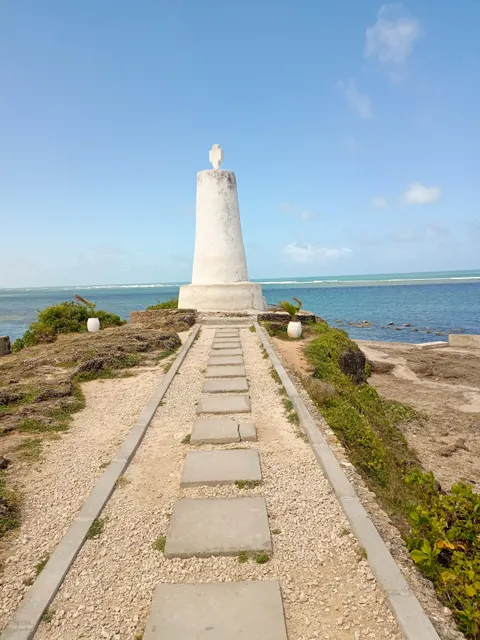
The Vasco da Gama Pillar in Malindi, Kenya, was erected by the Portuguese explorer Vasco da Gama. It was constructed in 1498 or 1499 during his pioneering maritime expedition from Lisbon to India via the Cape of Good Hope. Vasco da Gama first visited Malindi from 15 to 24 April 1498.
Cultural
Scenic
attractions: Portuguese Chapel, restaurants: Seafront Swahili Dishes, Baby Marrow, Coco Beach, Malaika Malindi Restaurant, Mariposa Residence, local businesses: BUTWANI WATERFRONT PARK, Malindi Beach Football Grounds, Afrikan Buffalo Wildlife Safaris
 Learn more insights from Wanderboat AI.
Phone
+254 41 2225428
Open hoursSee all hours
Sun9 AM - 5 PMClosed
Plan your stay

Pet-friendly Hotels in Shella ward
Find a cozy hotel nearby and make it a full experience.

Affordable Hotels in Shella ward
Find a cozy hotel nearby and make it a full experience.

The Coolest Hotels You Haven't Heard Of (Yet)
Find a cozy hotel nearby and make it a full experience.

Trending Stays Worth the Hype in Shella ward
Find a cozy hotel nearby and make it a full experience.
Reviews
Live events
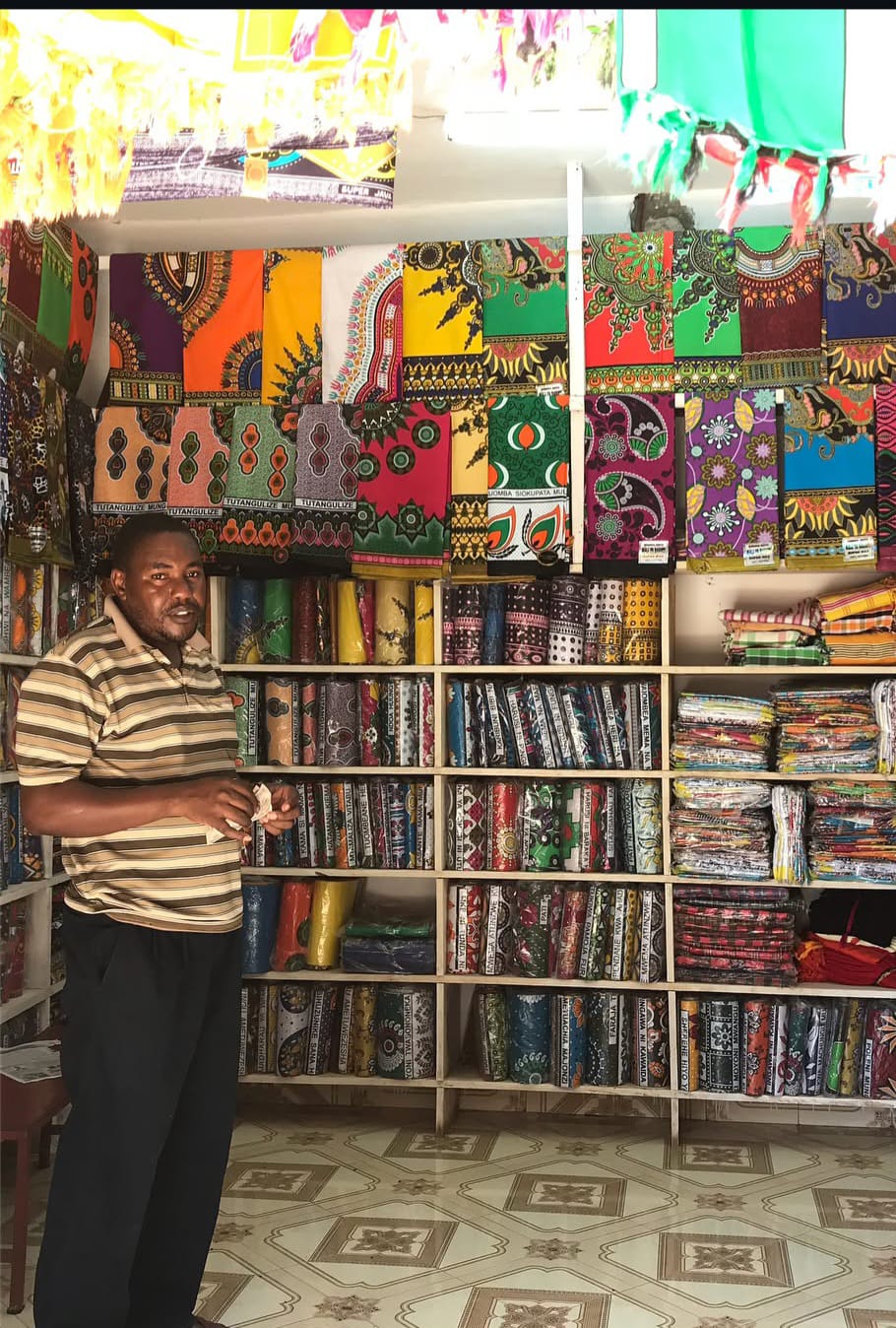
Stroll Malindi’s coastline with a guide
Sun, Feb 22 • 4:00 PM
Malindi Complex Malindi, Kenya
View details
Nearby attractions of Vasco da Gama Pillar
Portuguese Chapel
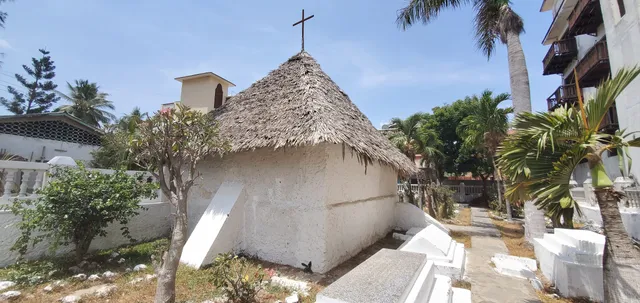
Portuguese Chapel
4.2
(177)
Open 24 hours
Click for details
Nearby restaurants of Vasco da Gama Pillar
Seafront Swahili Dishes
Baby Marrow
Coco Beach
Malaika Malindi Restaurant
Mariposa Residence
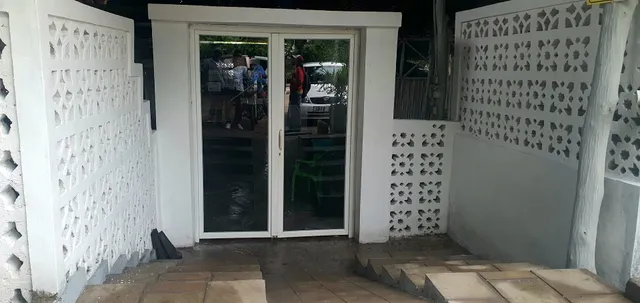
Seafront Swahili Dishes
4.2
(268)
Closed
Click for details
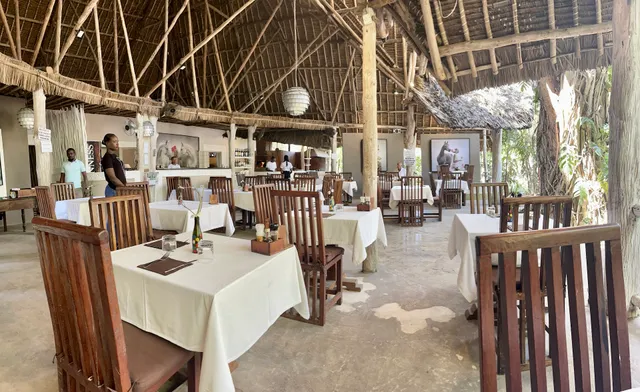
Baby Marrow
4.5
(326)
$$
Closed
Click for details
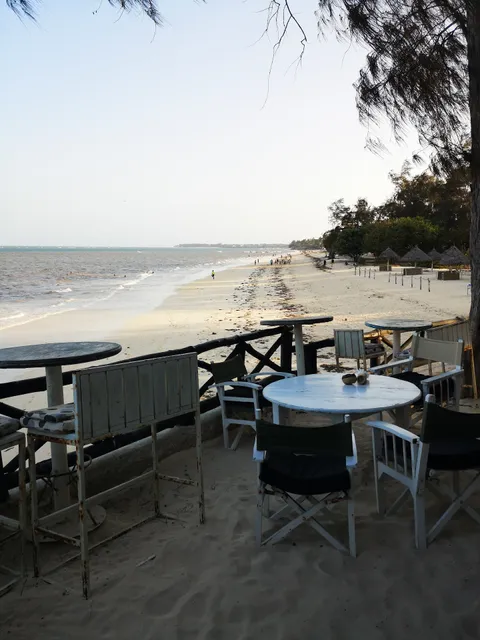
Coco Beach
4.3
(280)
$$
Closed
Click for details
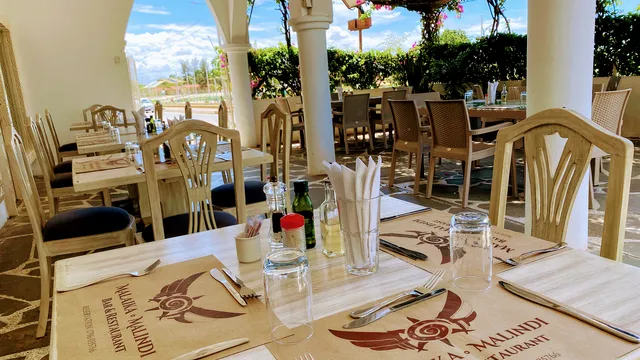
Malaika Malindi Restaurant
4.3
(135)
$$
Closed
Click for details
Nearby local services of Vasco da Gama Pillar
BUTWANI WATERFRONT PARK
Malindi Beach Football Grounds
Afrikan Buffalo Wildlife Safaris
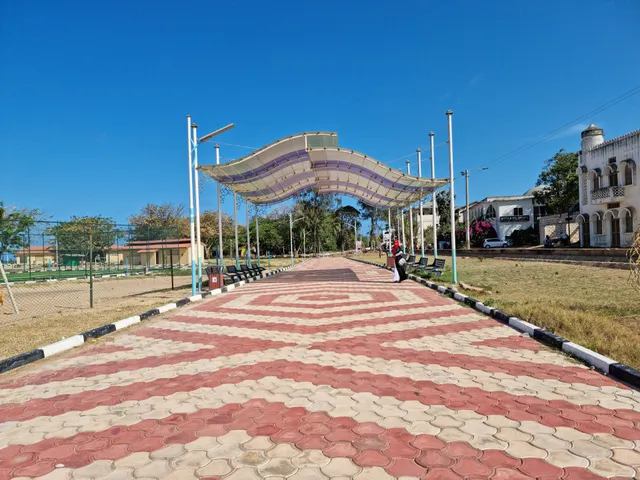
BUTWANI WATERFRONT PARK
4.4
(66)
Click for details
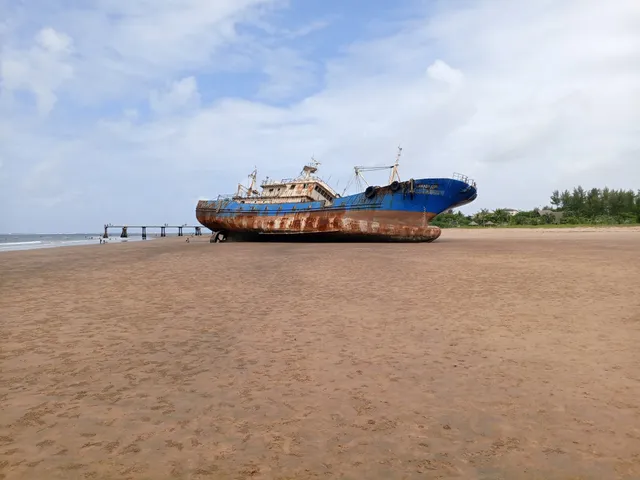
Malindi Beach Football Grounds
4.9
(10)
Click for details

Afrikan Buffalo Wildlife Safaris
5.0
(49)
Click for details