Title: The Japanese Village in Malaysia: A Tranquil Oasis of Japanese Culture
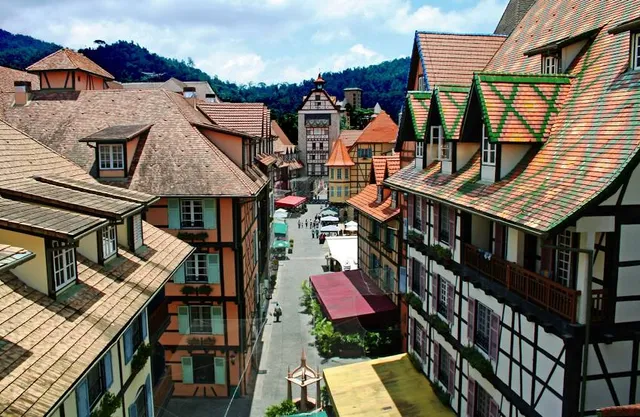
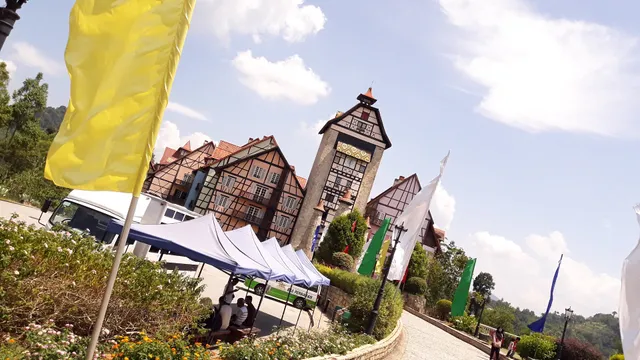
Introduction: The Japanese Village in Malaysia offers a serene and immersive experience that transports visitors to the captivating world of Japan while being nestled within the Malaysian landscape. Located in Bukit Tinggi, Pahang, this enchanting village showcases the beauty, traditions, and tranquility of Japanese culture, creating a unique and memorable experience for all who visit.
Authentic Architecture and Design: One of the highlights of the Japanese Village is its authentic architectural style, which reflects the elegance and precision found in traditional Japanese design. From the meticulously crafted wooden structures to the tranquil Zen gardens, every aspect of the village's architecture exudes a sense of harmony and serenity. The attention to detail in recreating the essence of Japanese architecture is truly commendable.
Cultural Experiences: Visiting the Japanese Village provides visitors with a captivating glimpse into Japanese culture. The village offers various cultural activities and workshops, such as tea ceremonies, origami, and Ikebana (flower arrangement), allowing visitors to immerse themselves in these ancient traditions. There are also opportunities to witness traditional Japanese arts and performances, including traditional music and dance, adding to the authenticity of the experience.
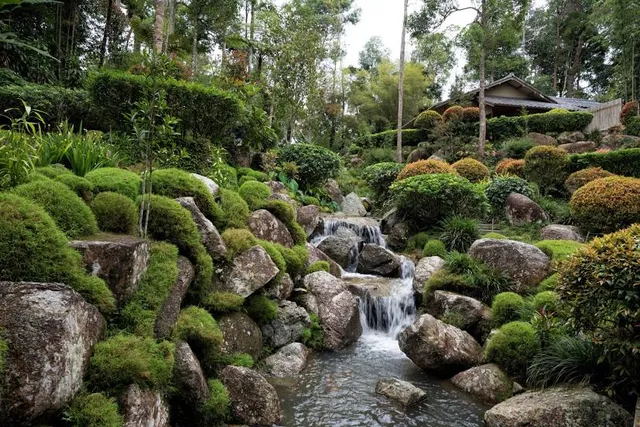
Gardens and Landscapes: The Japanese Village is surrounded by breathtaking natural landscapes, with lush greenery, tranquil ponds, and meticulously manicured gardens. The Zen gardens, with their meticulously placed rocks, raked sand, and carefully pruned bonsai trees, provide a sense of tranquility and contemplation. Walking through these gardens is a meditative experience and offers a peaceful escape from the bustling city life.
Culinary Delights: The Japanese Village is home to several authentic Japanese restaurants and cafes that offer a wide range of delicious Japanese cuisine. From fresh sushi and sashimi to flavorful ramen and delicate tempura, the culinary offerings in the village are a treat for food enthusiasts. The attention to detail in both the presentation and taste of the dishes ensures an unforgettable dining experience.
Cultural Exchange and Learning: The Japanese Village also serves as a center for cultural exchange and learning. It organizes cultural events, workshops, and exhibitions that provide valuable insights into Japanese traditions, arts, and crafts. This fosters a deeper understanding and appreciation of Japanese culture among visitors, making their experience all the more enriching.
Conclusion: The Japanese Village in Malaysia offers a tranquil oasis where visitors can immerse themselves in the beauty and serenity of Japanese culture. From the authentic architecture and design to the cultural experiences, gardens, and culinary delights, every aspect of the village exudes a sense of authenticity and tranquility. Whether you are a lover of Japanese culture, a nature enthusiast, or simply seeking a peaceful escape, the Japanese Village in Malaysia provides a captivating experience that will leave you with...
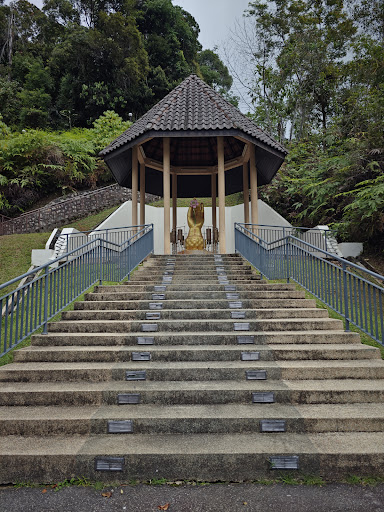
Read moreA Scenic Gem, but Not for Everyone: A Review of Japanese Village, Bukit Tinggi no The Japanese Village at Bukit Tinggi is undeniably a beautiful and serene destination. Nestled amidst lush greenery and offering a tranquil escape from the city, it provides a slice of Japanese-inspired tranquility right here in Malaysia. The cool air, well-manicured gardens, picturesque tea house, and charming koi pond create a truly zen atmosphere that is perfect for a peaceful stroll and some lovely photo opportunities. However, a crucial point for any potential visitor, especially those with mobility concerns or young children, is the lack of accessibility. The village is built on a steep hillside, and getting from the parking area to the main attractions involves a very strenuous uphill walk. The path is a combination of steep slopes and numerous stairs, which makes the entire area extremely unfriendly for strollers and wheelchairs. We quickly realized that navigating the terrain with a stroller would be a major struggle, if not impossible. The inclines are too steep to push a stroller comfortably, and the stairs are an insurmountable obstacle. This also means that it is not at all suitable for visitors who use a wheelchair or have difficulty walking long distances or climbing stairs. While the beauty of the gardens is undeniable, the challenging terrain is a significant drawback that visitors must be prepared for. If you're planning a family trip with a baby or a visit with an elderly person or a PWD, you need to be aware that they will likely not be able to fully explore the entire area. In summary, if you're able-bodied and ready for a good workout, the Japanese Village offers a beautiful and rewarding experience. Just be sure to wear comfortable walking shoes. But if you require a stroller or a wheelchair, or if you have any mobility issues, I would strongly advise against visiting this attraction, as the steep and uneven terrain makes it largely...
Read moreNot worth the visit. Don't come here. Go to Genting Highlands or anywhere else.
You have to pay RM14 and RM7 respectively to enter the area. Once more, not worth it if you drive there. I don't know the situation for those who live in the hotel. But for everyone else, to enter the area costs RM14 for an adult, paying through card only. There is no indication that I needed to pay in google maps.
The Japanese village is more of a collection of run-down buildings. While it does look pretty initially, the moment you look closer and pay attention you quickly realize that the park is very small and quite run down. You can lap it within less than 10 minutes.
The fake Koi stream is filled with Malaysian Koi. Many of the flowers are Malaysian flowers.
The buildings are mostly closed such as the Spa, which if you look from the outside it already show signs of ageing that tells me it has been closed for some time.
The Yukata rental place is the only place that's open, but the place is so small that you can't really enjoy it because other tourists clog the place up.
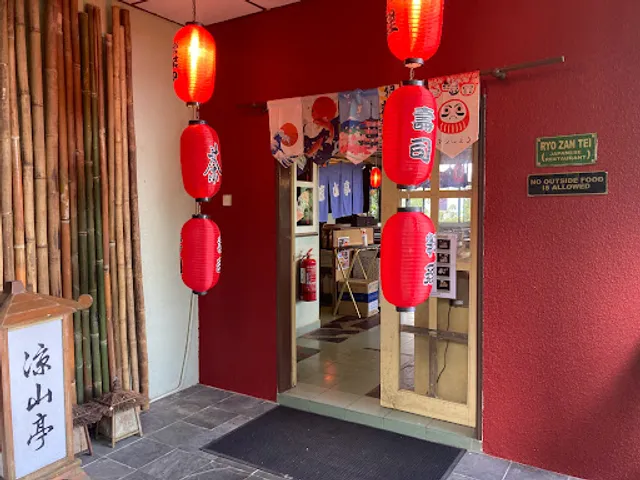
After finishing my rounds I decided to eat at the "Ryo Zan Tei" restaurant. Guess what? There is no restaurant!
Why do you put a sign if none of these amenities are there?
But guess what? There's an open souvenir shop, because if anything needs to be open, of course it had to be the souvenir shop.
I had a brief encounter with a Dusky Leaf Monkey. This was the only fun part of my visit to this place.
In conclusion, don't come visit this place. It's small, with many closed amenities not disclosed earlier. There's a fee to be paid that's not easily looked up. Maybe you'll end up seeing monkeys if...
Read more