
The Namdroling Nyingmapa Monastery or Thegchog Namdrol Shedrub Dargye Ling, or ನಮ್ಡ್ರೋಲಿಂಗ್ ವಿಹಾರ is the largest teaching center of the Nyingma lineage of Tibetan Buddhism in the world.
 Learn more insights from Wanderboat AI.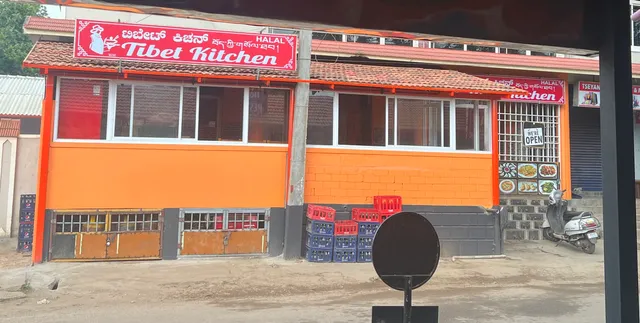
TIBET KITCHEN ROOFTOP
4.2
(504)
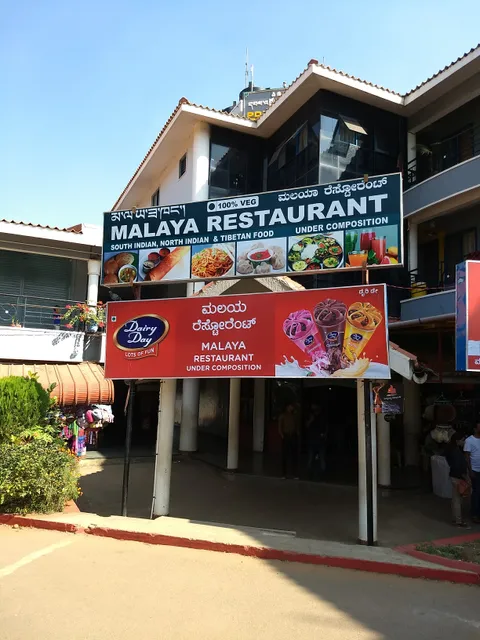
MALAYA PURE VEG RESTAURANT
3.9
(128)
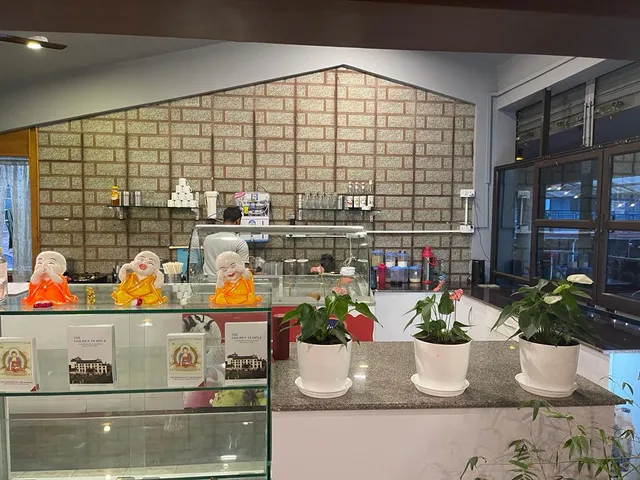
Buddha Cafe
3.7
(64)
$
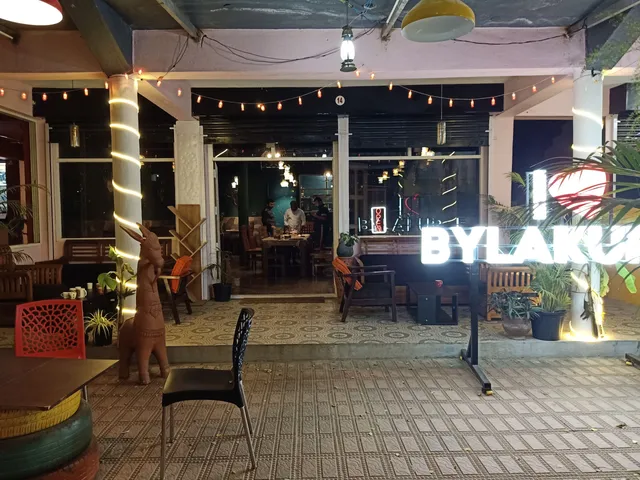
Masala Art
4.3
(153)

The Thegchog Namdrol Shedrub Dargye Ling(བོད་ཡིག ཐེག་མཆོག་རྣམ་གྲོལ་བཤད་སྒྲུབ་དར་རྒྱས་གླིང་།) (Wylie: theg mchog rnam grol bshad sgrub dar rgyas gling), informally known as Namdroling Monastery (or ನಮ್ಡ್ರೋಲಿಂಗ್ ವಿಹಾರ, Namdroling Vihara) is the largest teaching center of the Nyingma lineage of Tibetan Buddhism in the world. Located in Bylakuppe, part of the Mysuru district of the state of Karnataka, the monastery is home to a sangha community of more than five thousand monks and nuns and qualified teachers, a junior high school named Yeshe Wodsal Sherab Raldri Ling, a Buddhist philosophy college or shedra for both monks and nuns, a home for the elderly, and a hospital.
The monastery was established by the 11th throneholder of the Palyul lineage, the 3rd Drubwang Padma Norbu Rinpoche in 1963. It was founded after his 1959 escape from Tibet[2] which was also prompted by the 1957 arrest of Palyul's then-head Khenpo, the 4th Karma Kuchen, who was tortured to death by China's forces by 1958.[3] The Palyul Monastery and it 400 branches is considered one of the Nyingma school's "Six Mother Monasteries" in Tibet, before China's forces demolished the monastery and its branches in the late 1950s.[3] Palyul Monastery's reconstruction by Penor Rinpoche began in the late 1970s, and by 1983 Penor Rinpoche was again giving teachings and ordaining sangha members in Tibet.[3] Namdroling Monastery is considered a seat of Palyul Monastery's lineage in exile. The monastery's full formal name is Thegchog Namdrol Shedrub Dargyeling, but it's called "Namdrolling or Namdroling" for short. Its initial structure was a temple constructed from bamboo, covering an area of approximately 80 square feet (7.4 m2) and its founder Penor Rinpoche lived in a tent. Namdroling was carved into the jungle that the Indian government granted to Tibetans in exile for their resettlement. The initial challenges included rampaging elephants, a lack of roads and of funds, and other tropical dangers.
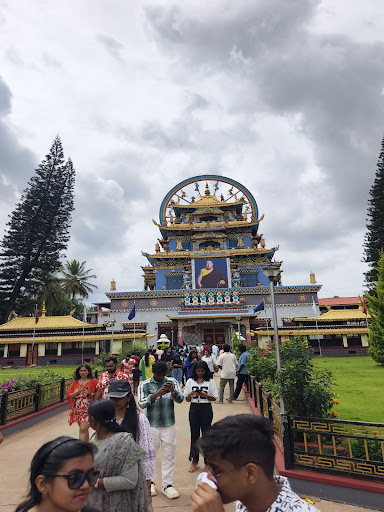
On 17 February 1978, the Buddhist College ("Shedra") was constructed and completed. A new temple, the "Padmasambhava Buddhist Vihara" (known by locals as the "Golden Temple") was inaugurated on 24 September 1999. The temple has space for several thousand monks. 27 November 1993, the Ngagyur Nyingma Nunnery mTsho-rGyal bShad-Drub Dargyas-Ling was established. In 2004 Zangdog Palri Temple a temple to the main Nyingma (old school) Buddha, Guru Rinpoche was built and inaugurated on 13 December of that year. As of 2016, the lodging facilities alone for the school include three buildings with over 200 rooms. The population fluctuates as monks attend or complete studies at Namdroling. A recent census had the population in excess of 4,000 monks and 800 nuns.[4]
Namdroling Monastery hosts several ceremonies yearly. Of particular interest is Tibetan New Year (Losar), based on the Tibetan lunisolar calendar; dates are not static but usually the event is in February or March. The monastery hosts traditional Lama Dances, the hanging of giant Thangka from the sides of its buildings, as well as solemn processions throughout the monastery grounds spanning approximately two weeks.
Namdroling Jr. High School (Yeshe Wodsal Sherab Raldri Ling) Ngagyur Nyingma Institute (NNI) Ngagyur Rigzod Editorial Committee (NREC) Rigzod Computer Section (RCS) Palyul Dictionary Editorial Committee Padma Mani Translation Committee (PMTC) Ngagyur Nyingma Research Center (NNRC) Ngagyur Nyingma Nunnery (NNN) Ngagyur Nyingma Nunnery Institute (NNNI) Tshogyal Editorial Committee (TEC) Samtan Odsalling Retreat Center Nunnery Retreat Center (Drub Nyi Gatshal Ling) TT Daycare Medical Center...
Read more
Nestled amidst the emerald hills and mist-kissed valleys of Coorg, lies a sanctuary of serenity and spiritual splendor – the Namdroling Monastery, also known as the Golden Temple. My recent visit was nothing short of a transformative experience, leaving me utterly captivated by its vibrant beauty and profound tranquility.
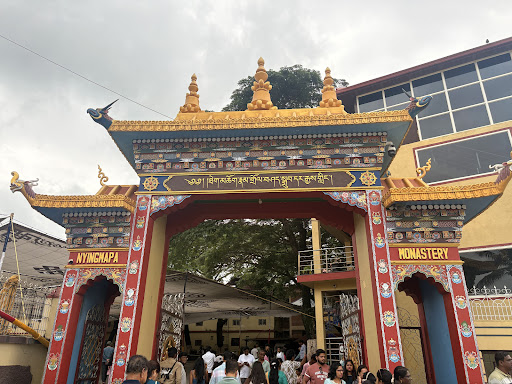
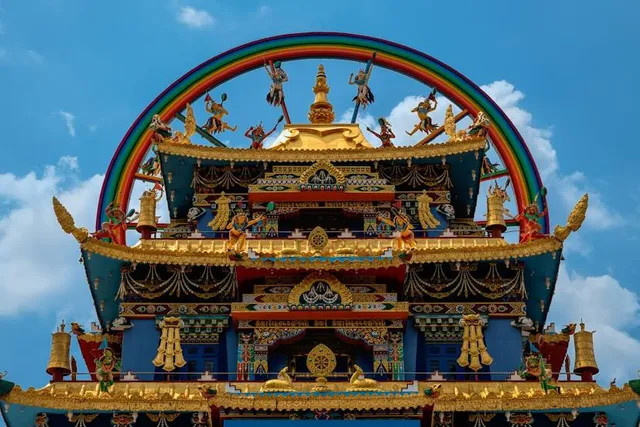
From the moment I stepped through the intricately adorned gates, I was transported to another world. The sheer scale and artistry of the monastery are breathtaking. Towering golden statues of Buddha, Padmasambhava, and Amitayus radiate a powerful aura of peace and wisdom. Their serene expressions and the meticulous detail of their craftsmanship are truly awe-inspiring. Every corner of the temple complex is a feast for the eyes, with vibrant murals depicting Buddhist deities and legends adorning the walls, telling stories of compassion and enlightenment.
The air within the prayer halls hums with a palpable spiritual energy. The rhythmic chanting of the monks, accompanied by the deep resonance of traditional Tibetan instruments, creates an atmosphere of profound devotion and introspection. Witnessing the monks engaged in their rituals, their focused concentration and harmonious unity, was a deeply moving experience. It offered a glimpse into a way of life dedicated to inner peace and the pursuit of spiritual growth.
Beyond the main temples, the monastery grounds are a haven of tranquility. Lush gardens, dotted with colorful prayer flags fluttering gently in the breeze, invite peaceful contemplation. Strolling along the pathways, listening to the soothing sounds of nature and the distant chants, provided a welcome respite from the hustle and bustle of everyday life. The vibrant colors of the monastic robes worn by the residents add a touch of warmth and vibrancy to the serene surroundings.
The cleanliness and meticulous upkeep of the entire monastery complex are remarkable. It speaks volumes about the dedication and respect of the monastic community towards their sacred space. The sense of order and harmony is pervasive, contributing significantly to the overall feeling of peace and well-being.
Furthermore, the opportunity to interact with the monks and learn about their culture and traditions was invaluable. Their gentle demeanor, warm smiles, and willingness to share their knowledge created a welcoming and enriching experience. Observing their daily life, their discipline, and their commitment to their spiritual path was truly inspiring.
The Namdroling Monastery is not just a religious site; it is a cultural treasure and a beacon of peace. It offers a unique opportunity to immerse oneself in Tibetan Buddhism, to witness its vibrant traditions, and to experience a profound sense of inner calm. Whether you are spiritually inclined or simply seeking a place of beauty and tranquility, a visit to this magnificent monastery in Coorg is an absolute must. It is an experience that will undoubtedly leave a lasting impression and a renewed sense of...
Read more
The Namdroling Monastery, popularly known as the Golden Temple, is a vibrant and awe-inspiring Buddhist monastery located in Bylakuppe, a Tibetan settlement near Kushalnagar in Coorg. It stands as a remarkable testament to Tibetan culture and spirituality in South India, offering a truly unique experience. What makes it special: Architectural Grandeur: The monastery's main temple, the Golden Temple (Padmasambhava Vihara), is a visual marvel. Its intricate Tibetan architecture, vibrant murals, ornate outer walls, and elaborately decorated tower are stunning. The sheer scale and detail of the artwork inside are captivating. Magnificent Statues: The highlight for many visitors are the three towering golden statues within the main prayer hall: Guru Padmasambhava, Buddha Sakyamuni, and Amitayus. Standing at impressive heights (around 40-58 feet), their intricate craftsmanship and serene expressions are truly majestic and convey a profound sense of peace. Spiritual Ambiance: The monastery exudes a palpable sense of tranquility and devotion. Witnessing the daily rituals, the rhythmic chanting of the monks, and the aroma of incense creates a deeply meditative and spiritual atmosphere. Visitors are encouraged to observe and absorb the peaceful vibes. Cultural Immersion: Beyond being a place of worship, Namdroling is a thriving hub of Tibetan culture. It's home to thousands of monks and nuns, and serves as a major teaching center for Tibetan Buddhism. You'll see monks in their traditional robes, prayer flags fluttering everywhere, and potentially even traditional Lama Dances during special festivals like Losar (Tibetan New Year). Well-Maintained Grounds: The surrounding complex is well-kept, with neat gardens and clear pathways, adding to the overall pleasant experience. There are usually shops selling Tibetan artifacts, religious items, and local souvenirs. Tips for Visitors: Dress respectfully: While there isn't a strict dress code, modest attire that covers shoulders and knees is appreciated as a mark of respect. Be mindful: It's a place of worship, so maintain silence, especially inside the prayer halls. Refrain from touching statues or disturbing rituals. Prayer Wheels: Spin the prayer wheels clockwise while walking around the temples. Best Time to Visit: The monastery can be visited year-round. However, the period from June to March offers pleasant weather. Visiting during Tibetan New Year (Losar, usually Feb/March) provides a unique cultural experience with special ceremonies and dances. Overall, Namdroling Monastery is more than just a tourist attraction; it's a spiritual sanctuary and a cultural treasure. It offers a fascinating glimpse into Tibetan Buddhism and provides a serene, enriching experience that leaves a...
Read more


&promo_pic=/hotel-sample/coolest.webp)




