Jal Binayak Temple ( Kwoyena Ganedyo) things to do, attractions, restaurants, events info and trip planning
Basic Info
Jal Binayak Temple ( Kwoyena Ganedyo)
M75V+77G, Kirtipur 44600, Nepal
4.5(221)
Open until 12:00 AM
Save
spot
spot
Ratings & Description
Info
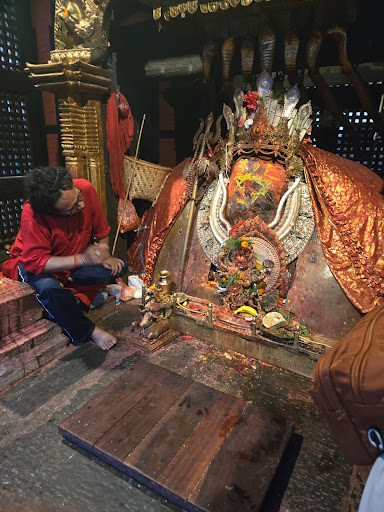
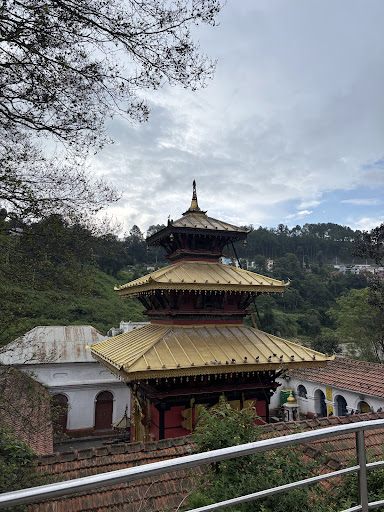
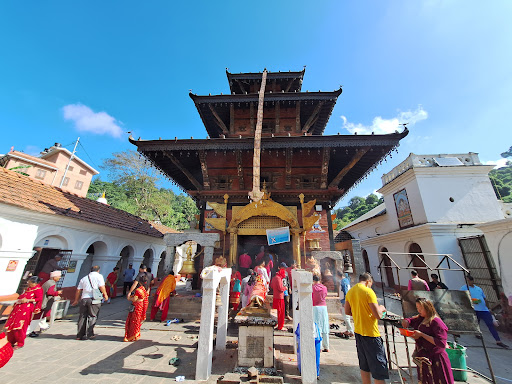
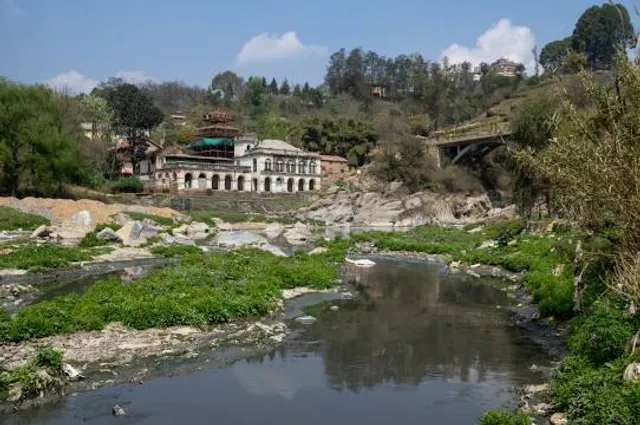
Jal Binayak is a Hindu Temple of Lord Ganesh located in the Chobhar, central part of Kathmandu District, Nepal. The Jal Binayak temple is the most important Ganesh shrine of the central region Kathmandu. It is one of the four Binayak of Kathmandu Valley.
Cultural
Family friendly
Accessibility
attractions: Manjushree Park, Whoopee Land Amusement Water Park, restaurants: Wags N. Tails Cafe and Restaurant, Kwoyena Newa Nasa, Layaku garden restro, Cafe PCK & Mom's Dosirak, Chiya Chautari, Firke Bhansa Ghar, local businesses: Tsoknyi Gechak Ling, Aanandadi Lokeshwar Temple
 Learn more insights from Wanderboat AI.
Open hoursSee all hours
TueOpen 24 hoursOpen
Plan your stay

Pet-friendly Hotels in Kirtipur Municipality
Find a cozy hotel nearby and make it a full experience.

Affordable Hotels in Kirtipur Municipality
Find a cozy hotel nearby and make it a full experience.

The Coolest Hotels You Haven't Heard Of (Yet)
Find a cozy hotel nearby and make it a full experience.

Trending Stays Worth the Hype in Kirtipur Municipality
Find a cozy hotel nearby and make it a full experience.
Reviews
Live events

Explore hidden Nepali eateries
Tue, Jan 27 • 2:30 PM
Kathmandu, Bagmati Province 44600, Nepal
View details
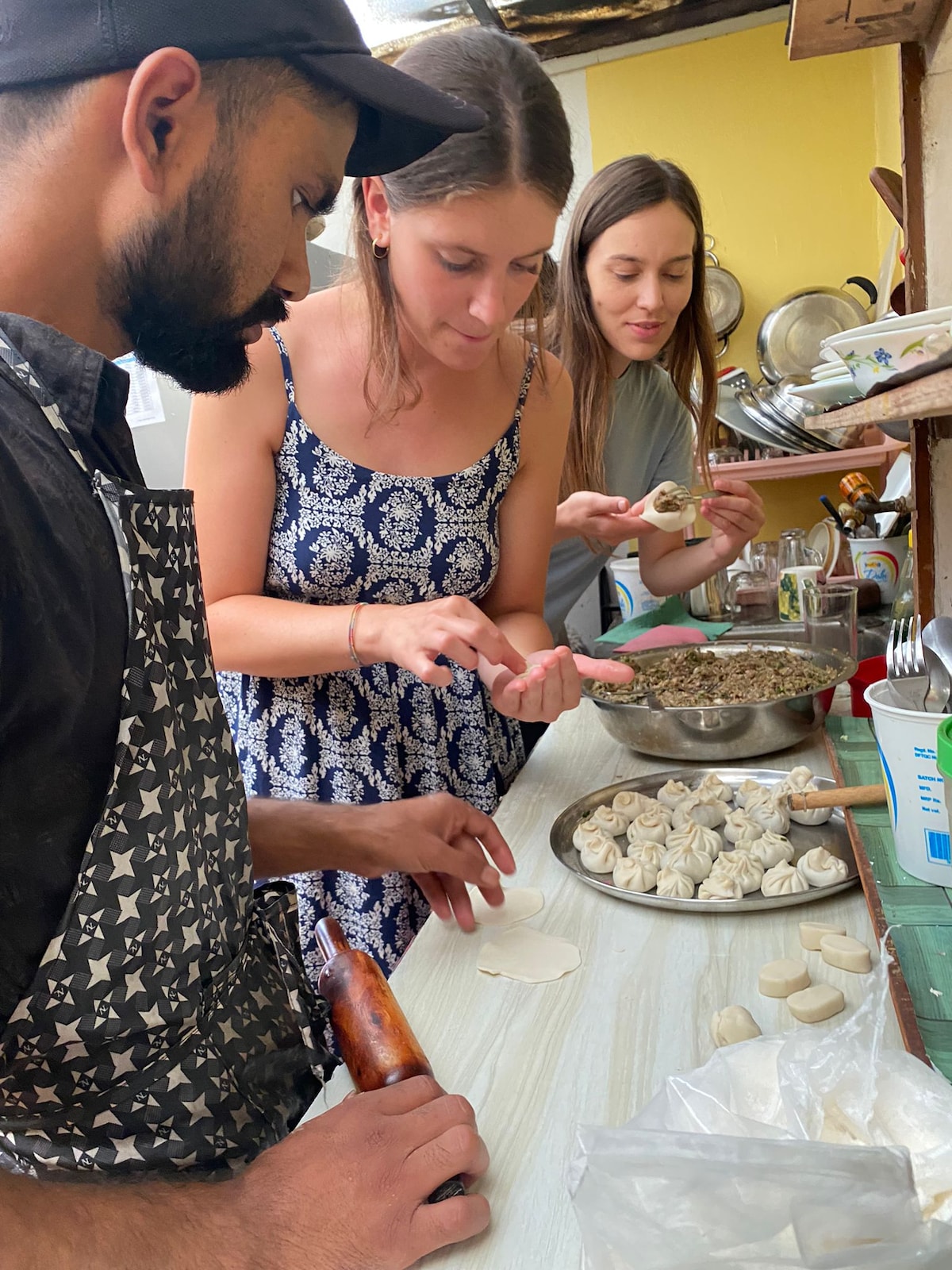
Learn Nepali cooking in Patan
Tue, Jan 27 • 10:00 AM
Lalitpur, Bagmati Province 44600, Nepal
View details
Nearby attractions of Jal Binayak Temple ( Kwoyena Ganedyo)
Manjushree Park
Whoopee Land Amusement Water Park
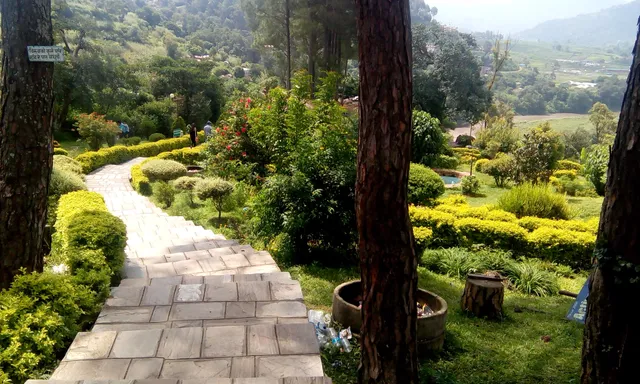
Manjushree Park
4.1
(1.3K)
Closed
Click for details
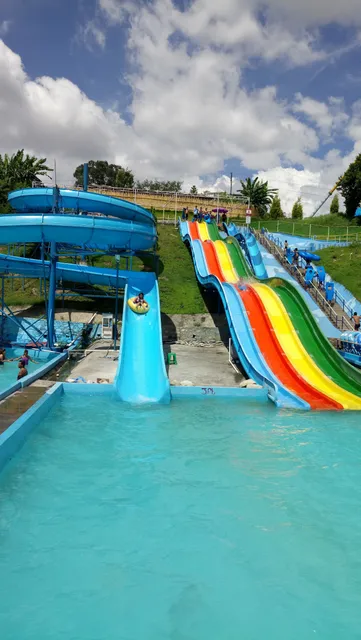
Whoopee Land Amusement Water Park
4.1
(1.5K)
Open 24 hours
Click for details
Nearby restaurants of Jal Binayak Temple ( Kwoyena Ganedyo)
Wags N. Tails Cafe and Restaurant
Kwoyena Newa Nasa
Layaku garden restro
Cafe PCK & Mom's Dosirak
Chiya Chautari
Firke Bhansa Ghar
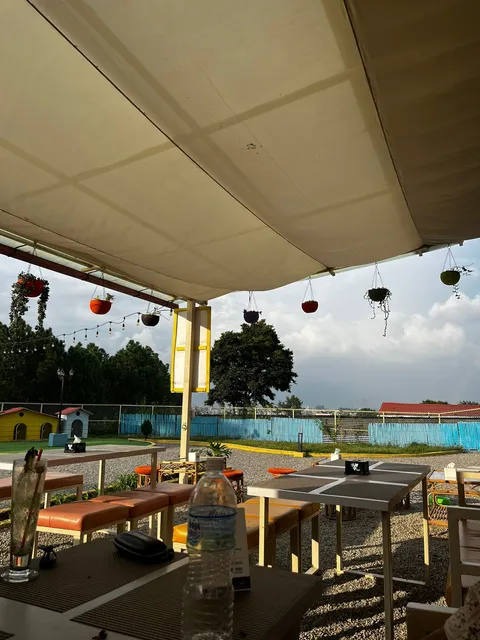
Wags N. Tails Cafe and Restaurant
4.1
(68)
Closed
Click for details
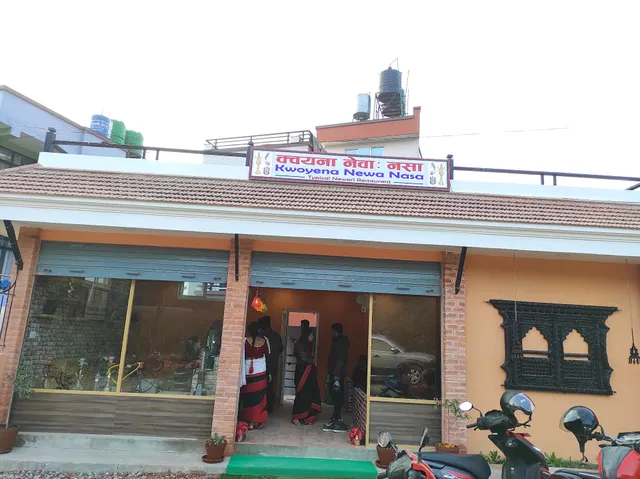
Kwoyena Newa Nasa
3.9
(18)
Closed
Click for details
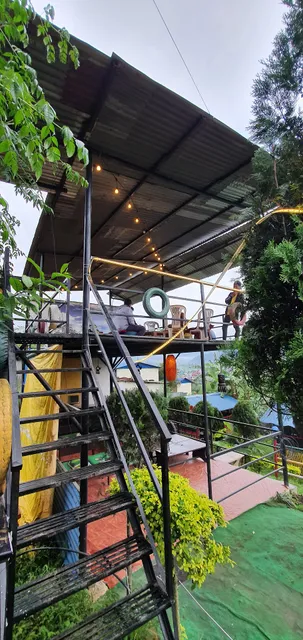
Layaku garden restro
4.6
(7)
Closed
Click for details
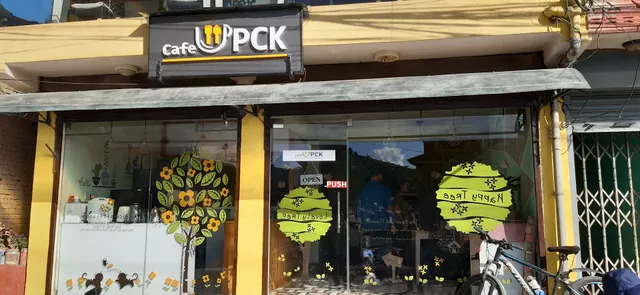
Cafe PCK & Mom's Dosirak
4.6
(61)
Closed
Click for details
Nearby local services of Jal Binayak Temple ( Kwoyena Ganedyo)
Tsoknyi Gechak Ling
Aanandadi Lokeshwar Temple
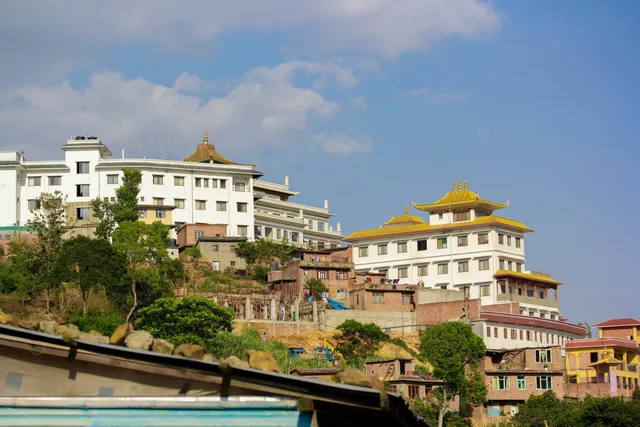
Tsoknyi Gechak Ling
4.4
(58)
Click for details
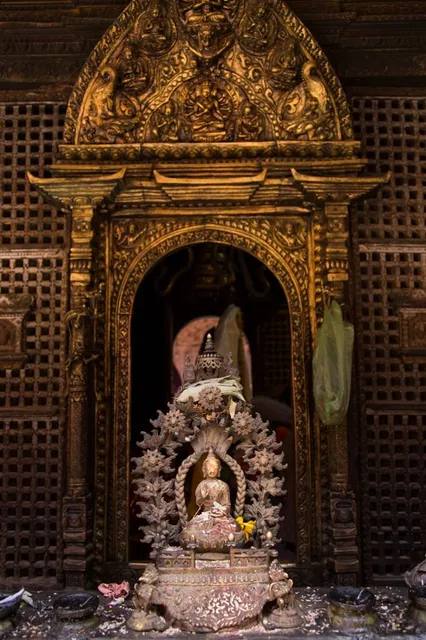
Aanandadi Lokeshwar Temple
4.6
(154)
Click for details