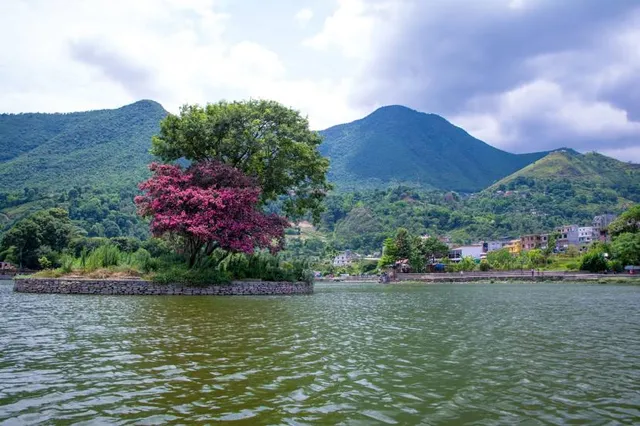
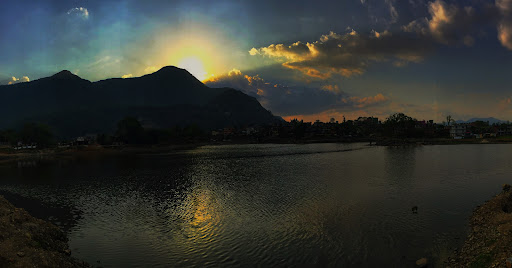
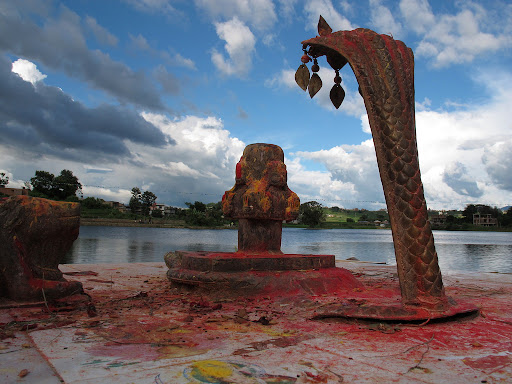
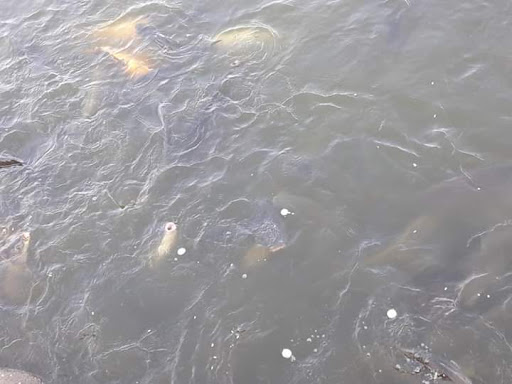
Taudaha is a freshwater lake located in Kirtipur, renowned for its natural beauty, mythological significance, and rich biodiversity, especially as a habitat for birds. Mythological background A remnant of ancient history: According to local legend, the Kathmandu Valley was once a massive lake. The Buddhist deity Manjushree, using his sword, cut a gorge at Chobhar, which drained the valley and made it habitable. Taudaha is believed to be one of the small ponds left behind from that ancient lake. Abode of the Naga King: When the valley was drained, the Naga (serpent) king, Karkotak, was left homeless and grew furious. To appease him, locals built an opulent underwater palace for the king and his serpent subjects in Taudaha. Sacred site for snakes: In return for the palace, Karkotak promised to protect the people living around the lake, as long as the water's tranquility was respected. Devotees visit Taudaha to worship the serpent king and his wife, particularly during the Nag Panchami festival. Attractions and activities Birdwatching: The lake is a haven for birds, attracting migratory species from Siberia, Mongolia, and China during the winter. Birdwatchers can spot numerous varieties, including the pink-head duck, ruddy shelduck, and northern shoveler. Relaxation: Taudaha offers a tranquil escape from the bustling city of Kathmandu. The calm waters and lush greenery provide a peaceful setting for walks and relaxation. Photography: The scenic landscape and diverse wildlife make Taudaha a popular spot for photographers. Biodiversity: In addition to its birds, the lake is a wetland supporting numerous aquatic plants, fish, and macro-invertebrates. Conservation concerns Urban development around Taudaha has led to the degradation of the wetland and a decline in its wildlife population. Noise pollution and human-made concrete structures have disturbed the habitat of both resident and...
Read moreTaudaha Lake is undeniably a historical gem, nestled just beyond the bustling streets of Kathmandu. Its rich heritage and ecological significance make it a must-visit destination, but it's not without its challenges, particularly with the overabundance of restaurants and cheap resorts that now line its shores.
From a historical perspective, Taudaha Lake holds a special place in Nepal's narrative. Legend has it that this serene body of water was once connected to the larger Valley's water system, serving as a crucial reservoir for ancient civilizations. The area is also steeped in religious lore, believed by many to be inhabited by nagas—serpent deities revered in Hindu mythology. This cultural depth lends an air of mystique to Taudaha, making it more than just a picturesque spot.
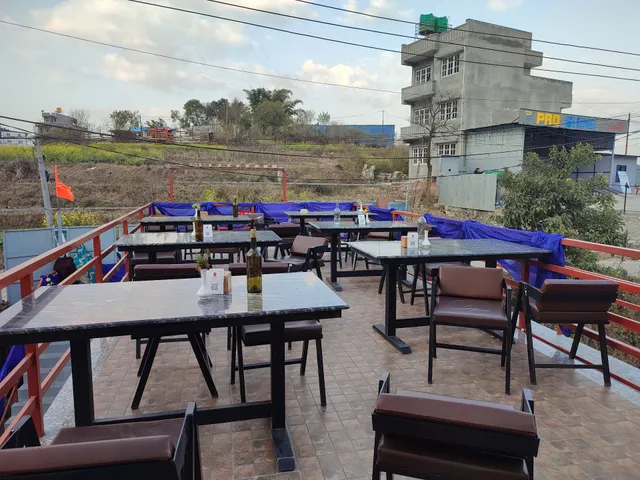
However, the lake's charm is somewhat overshadowed by the encroaching development. As you approach, you're greeted not only by the tranquility of the water but also by an array of restaurants and resorts dotting the lake's perimeter. While these establishments cater to tourists, offering convenience and refreshment, their sheer number can detract from the lake's natural beauty and serenity. The haphazard construction of cheap resorts further mars the landscape, creating an unfortunate clash between modern commercialism and historical allure.
Despite these drawbacks, Taudaha Lake remains a worthwhile destination. Its historical and ecological significance, combined with its proximity to Kathmandu, make it an accessible escape for locals and tourists alike. The challenge lies in striking a balance between preserving its heritage and ensuring sustainable tourism practices. Perhaps a more concerted effort to regulate development and maintain the lake's natural integrity could help restore Taudaha to its full splendor as a historical and...
Read moreTaudaha- A remnant of Big Lake
Taudaha Lake is a small lake in the outskirts of Kathmandu, in Nepal. The name comes from a combination of Newari words 'Ta', meaning snake and 'Daha', which means lake.
The Taudaha Lake is believed to be a remnant pool of the huge lake that once existed where now the city of Kathmandu sits. According to mythology, a Buddhist mythical character Manjushree cut the hill in the valley's south, allowing the lake's water to drain off, thereby creating land that was duly occupied by people. Folklore suggests that that "cut" in the hill is the Chobar Gorge, a narrow passage from which the Bagmati River exits the Kathmandu Valley. After the water of the ancient lake drained away, a few small lakes and ponds were created beyond the hills. Taudaha is believed to be one of those ponds.
When the lake was drained, countless nagas, mythological creatures that were half human and half serpent, were left homeless. This made the Naga King Karkotak livid. In order to allay his wrath, the locals living near Taudaha built an underwater palace, studded with precious stones and riches beyond imagination. The Serpent King was pleased and ruled his serpent subjects in their underwater kingdom. The king also promised to protect the humans living around the lake, on the condition that the tranquility of his water abode never be disrupted. It is due to this that even today locals do not swim or fish...
Read more