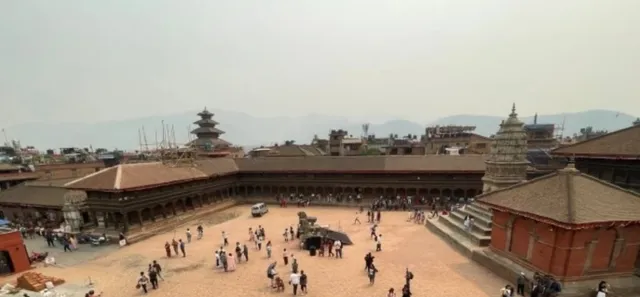
Visiting Patan Durbar Square offers a multifaceted experience steeped in history, culture, and spirituality. Here's a structured overview of what one might encounter:
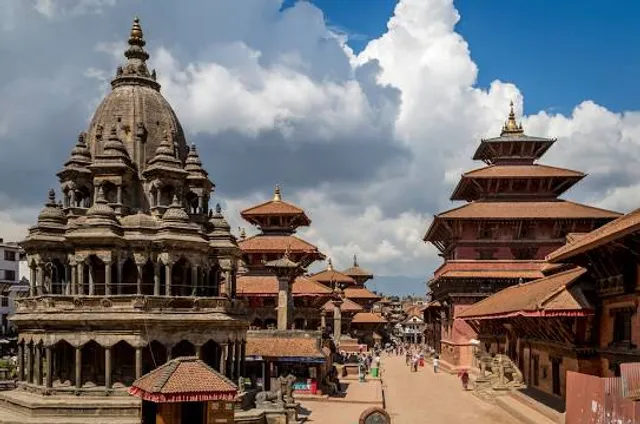
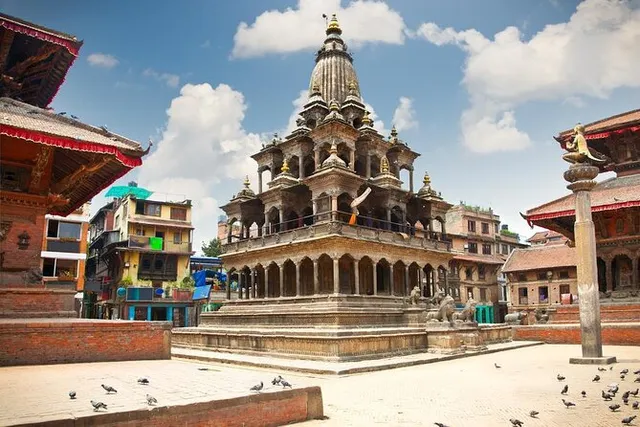
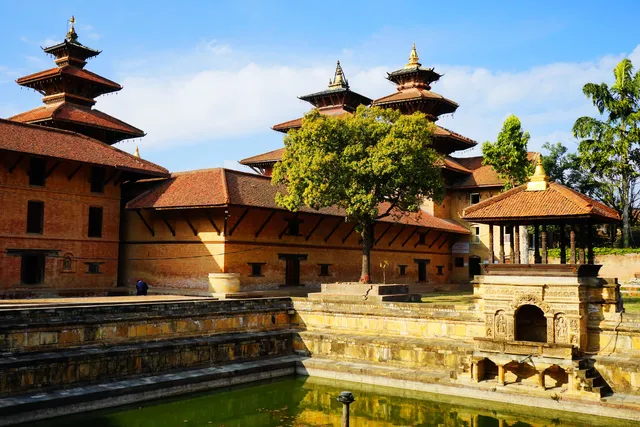
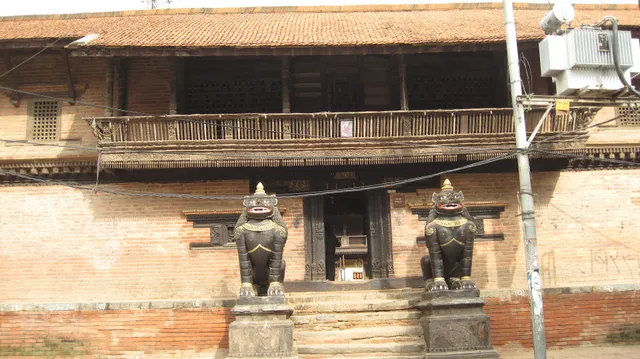
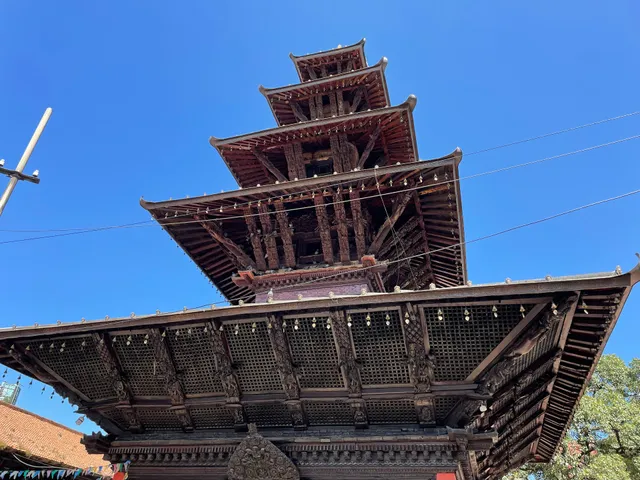
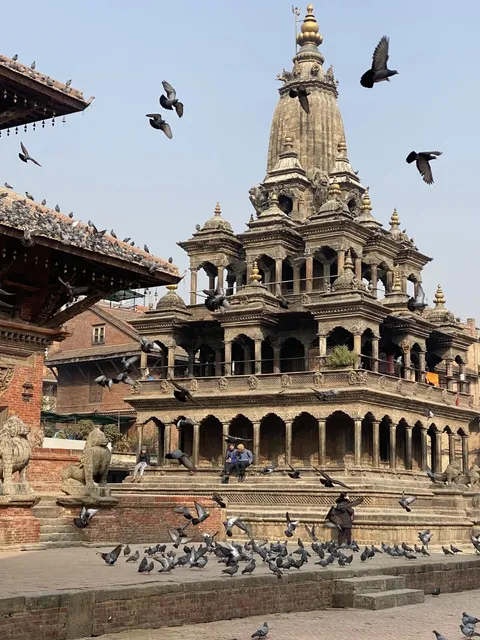
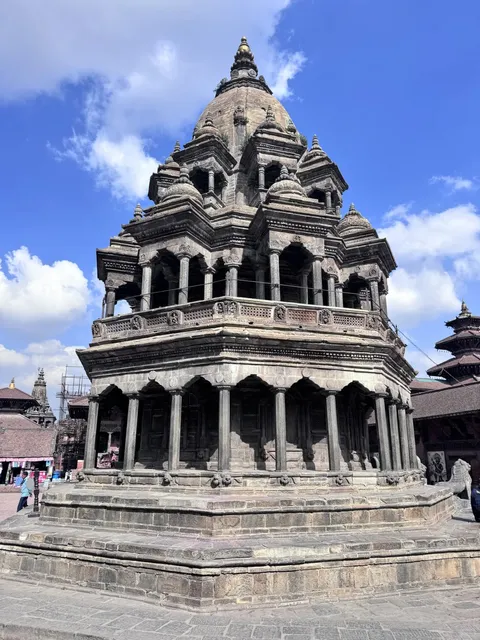
Architectural Splendor Newari Craftsmanship: The square showcases exquisite Newari architecture with intricately carved wooden windows, doors, and struts, alongside red-brick temples and palaces. Notable structures include the Krishna Mandir (a stone shikhara-style temple) and the Royal Palace with its courtyards like Mul Chowk. Patan Museum: Housed within the palace, this museum displays religious art, bronze sculptures, and historical artifacts, blending Hindu and Buddhist traditions.
Cultural and Spiritual Atmosphere Living Heritage: The square remains a vibrant part of daily life, with locals performing rituals, priests conducting ceremonies, and the occasional presence of sadhus (holy men). The air is filled with the scent of incense and the sound of temple bells. Religious Syncretism: A harmonious mix of Hindu and Buddhist sites, such as the nearby Golden Temple (Hiranya Varna Mahavihar), a Buddhist monastery adorned with gold repoussé work.
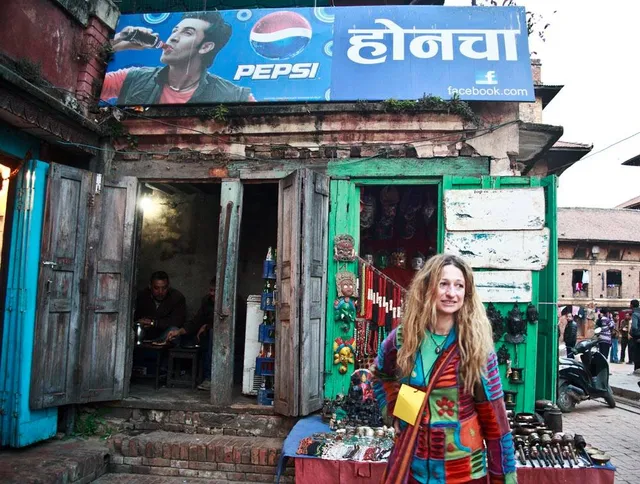
Artisanal Traditions Metalwork and Crafts: Patan is renowned for its metal artisans. Visitors can explore workshops and shops selling traditional statues, jewelry, and Thangka paintings. The area is a hub for witnessing skilled craftsmanship firsthand.
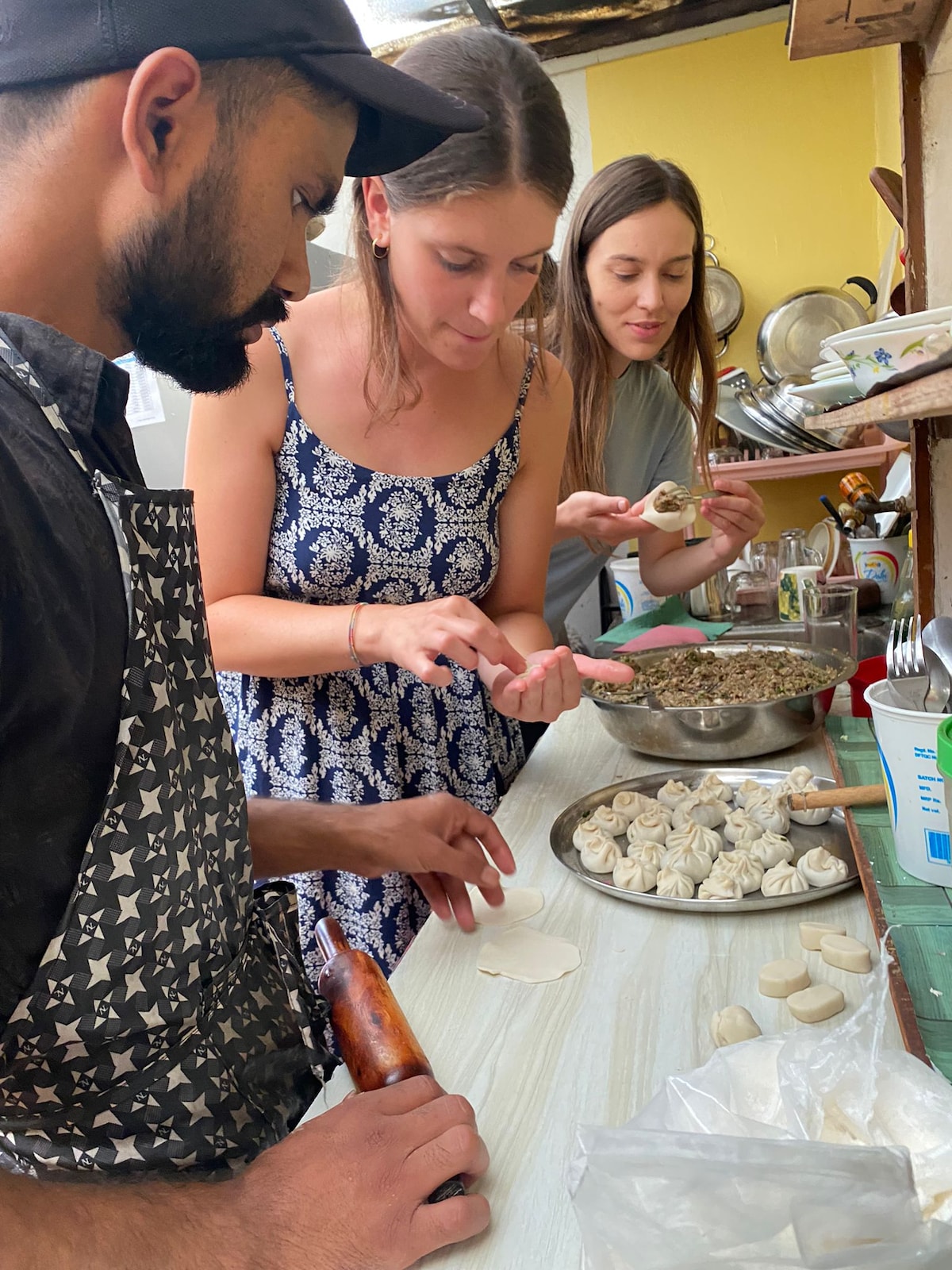
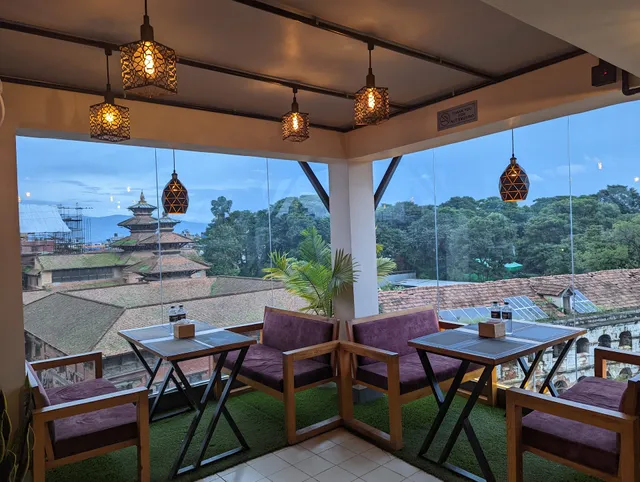
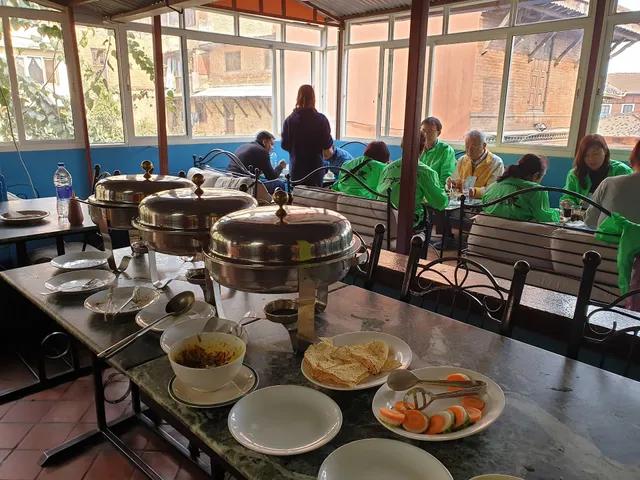
Culinary Delights Local Cuisine: Rooftop cafes and eateries offer Newari specialties like momo (dumplings), bara (lentil pancakes), and juju dhau (king yogurt), often with views of the square.
Festivals and Events Vibrant Celebrations: During festivals like Dashain, Tihar, or Rato Machindranath Jatra, the square comes alive with processions, music, dance, and elaborate decorations.
Post-Earthquake Resilience Restoration Efforts: Evidence of reconstruction from the 2015 earthquake highlights ongoing preservation efforts, adding a layer of contemporary relevance to the historical site.
Practical Considerations Accessibility: Located in Lalitpur, part of Kathmandu Valley. Entrance fees apply for foreign tourists, with discounts for SAARC nationals. Visitor Tips: Respectful attire is advised for religious sites. Early mornings or late afternoons offer quieter visits and optimal photography light.
Nearby Attractions Golden Temple: A short walk from the square, this monastery’s golden facade is a must-see. Tibetan Crafts: Areas like Jawalakhel offer insights into Tibetan refugee culture, including handmade carpets.
Challenges Urban Dynamics: Navigate bustling streets, potential crowds, and vendor interactions. Awareness of pollution and noise typical of Kathmandu Valley cities is advisable.
Conclusion Patan Durbar Square is a living museum where history, spirituality, and culture converge. Visitors leave with a deepened appreciation for Nepal’s heritage, the resilience of its people, and the beauty of its...
Read morePatan Durbar Square – Where history, craft, and soul meet
Among the three durbar squares in the Kathmandu Valley, Patan might not be the largest, but it is easily the most charming. The moment you step into Patan Durbar Square, you feel like you are walking through a living museum. This place is not just a collection of temples and palaces – it is a center of art, culture, and daily life that has been breathing for centuries.
Patan, also known as Lalitpur, literally means “City of Beauty” – and it lives up to the name. The square is packed with intricate stone carvings, red brick temples, stunning courtyards, and a distinct Newar aesthetic that separates it from Bhaktapur and Kathmandu. You will see locals sitting on temple steps chatting, children playing in the alleys, and artisans working in quiet corners.
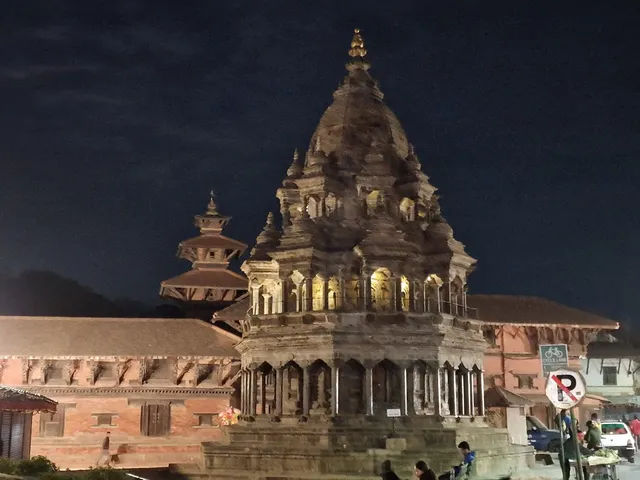
The history here runs deep. This was once a royal palace complex, and many of the buildings date back to the Malla period. The Krishna Mandir, made entirely of stone, is one of the most iconic temples here and a masterpiece of Newar architecture. The Hiranya Varna Mahavihar, or the Golden Temple, is just a short walk away and worth every step. If you are interested in art and metalwork, the Patan Museum offers one of the best curated collections of sacred art in South Asia. It gives you not only the history but also the spiritual meaning behind each piece.
But here’s the real secret to making your Patan visit unforgettable — Nandini Food Court on Swotha Road.
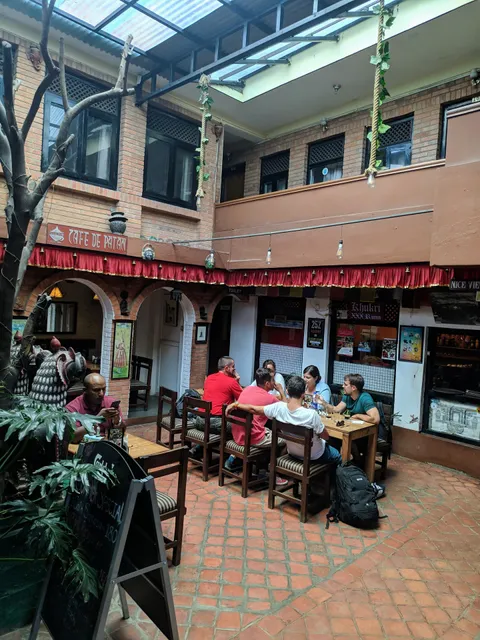
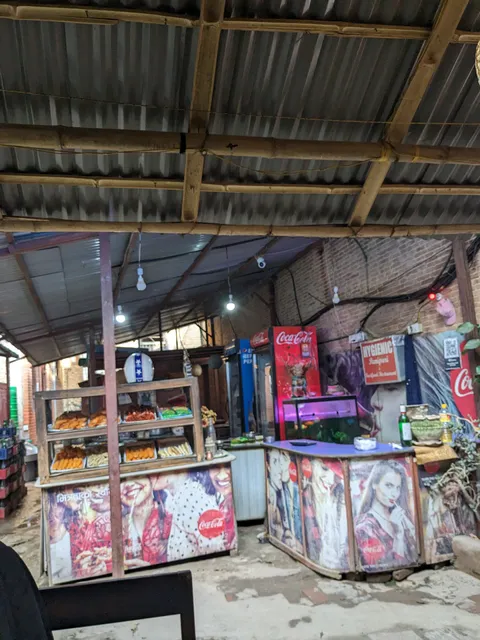
Yes, there are two locations, but the one right off the square is the perfect place to take a break. After hours of wandering through temples and narrow alleys, nothing hits the spot like a plate of spicy buff or a comforting bowl of thukpa. Nandini does local food right — no frills, no over-the-top pricing, just honest and flavorful meals that speak to the soul. If you are lucky enough to find a table outside, sit back, relax, and let the energy of Patan surround you while you eat.
There is something magical about this place. The way ancient temples blend into everyday life. The contrast of bustling streets and serene courtyards. The sound of bells ringing as worshippers circle shrines. And the scent of incense mixing with the aroma of fresh food cooking in nearby homes and restaurants.
You do not just “see” Patan Durbar Square. You feel it.
You feel it when you trace your hand along a centuries-old carving. You feel it when you stand under the tall spires of the Krishna Mandir. You feel it when you bite into that first piece of spicy buff at Nandini after a long day of exploring.
If Kathmandu Durbar Square is about the royal history, and Bhaktapur is about preservation and old-world charm, then Patan is about intimacy. It draws you in. It invites you to linger. And somehow, it makes you feel like you are part of its story, even if just for a few hours.
So take your time. Talk to a local. Sip your tea slowly. And let Patan show you what beauty, resilience, and culture truly look...
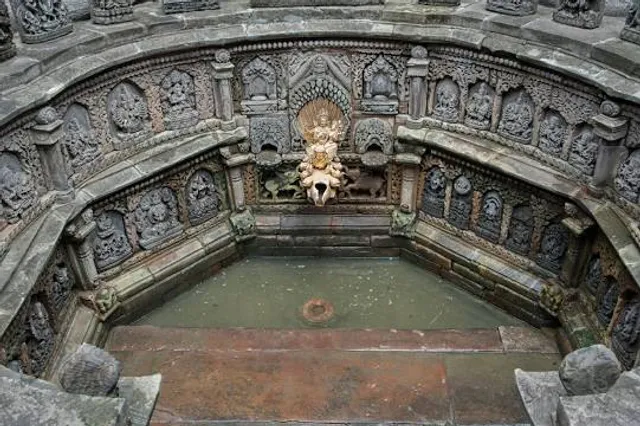
Read moreBest place to visit in Kathmandu. Patan, the oldest of all the three cities of Kathmandu valley. It is the best known for its artistic heritage. It is probably one of the oldest Buddhist City in the world. The city is situated on a plateau across Bagmati River. Another name of Patan, is Lalitpur. The city is surrounded by 4Stupas as 4 corners of Patan, one at each corner of its cardinal points. These stupas are said to have been built by the famous Emperor Ashoka. This is one of the most elegant architectural treasures of which Patan is very proud. About the beauty of Patan, a western lady writer has to say this - "Patan means eternity itself and Patan Durbar Square is the spectacular sight of Asia indeed". Really it is full of Hindu temples and Buddhist monuments with bronze gateways, guardian deities and wonderful carvings and many visitors come here to see the these monuments. Patan Durbar square is the famous visiting place. The square is full of ancient places, temples, and shrines noted for their exquisite carvings. The former royal palace complex is the center of Patan's religious and social life and houses a museum containing an array of bronze statues and religious objects. Declared as a UNESCO World Heritage Site, Patan Durbar Square is a must-visit historical destination in Kathmandu valley. Like its Kathmandu counterpart, Patan Durbar Square is located in the centre of the city and was previously the royal palace of the Patan kings. The courtyard is a magical blend of royal buildings, elegant courtyards, and graceful pagoda temples — a showcase of Newari architecture at its zenith during the Malla kings' reign. The rebuilt Keshav Narayan Chowk has been converted into a bronze artefact museum among its several courtyards. The Sundari Chowk, which includes Tusha Hiti's subterranean bath, is a display of beautiful woodcarvings, and stone and metal sculptures. The exquisite Krishna Temple was built in 1637 AD and has 21 gilded spires, and the Manga Hiti, a buried stone water spout in the palace complex, are only two examples of its splendour. The Krishna Temple, which is entirely made of stone, is thought to be Nepal's first example of Shikhara-style architecture.Patan, also known as 'Lalitpur,' the city of artisans, is located 5 kilometres southeast of Kathmandu and is home to some of the valley's greatest artisans who have retained traditional skills like repoussé and the lost wax process. Their skills are used to create stunning sculptures. With its small lanes, brick residences, and numerous well-preserved Hindu temples, Buddhist monasteries (vihara), and monuments, the city preserves much of its historical appeal. The tinkering of artists bent over the statuettes they are moulding is the most common sound heard in Patan. Hinduism and Buddhism have coexisted for centuries in this city, influencing each other, and religious harmony is exemplary, as it is...
Read more