Mahabuddha Temple things to do, attractions, restaurants, events info and trip planning
Basic Info
Mahabuddha Temple
Lalitpur 44700, Nepal
4.7(222)
Open until 12:00 AM
Save
spot
spot
Ratings & Description
Info
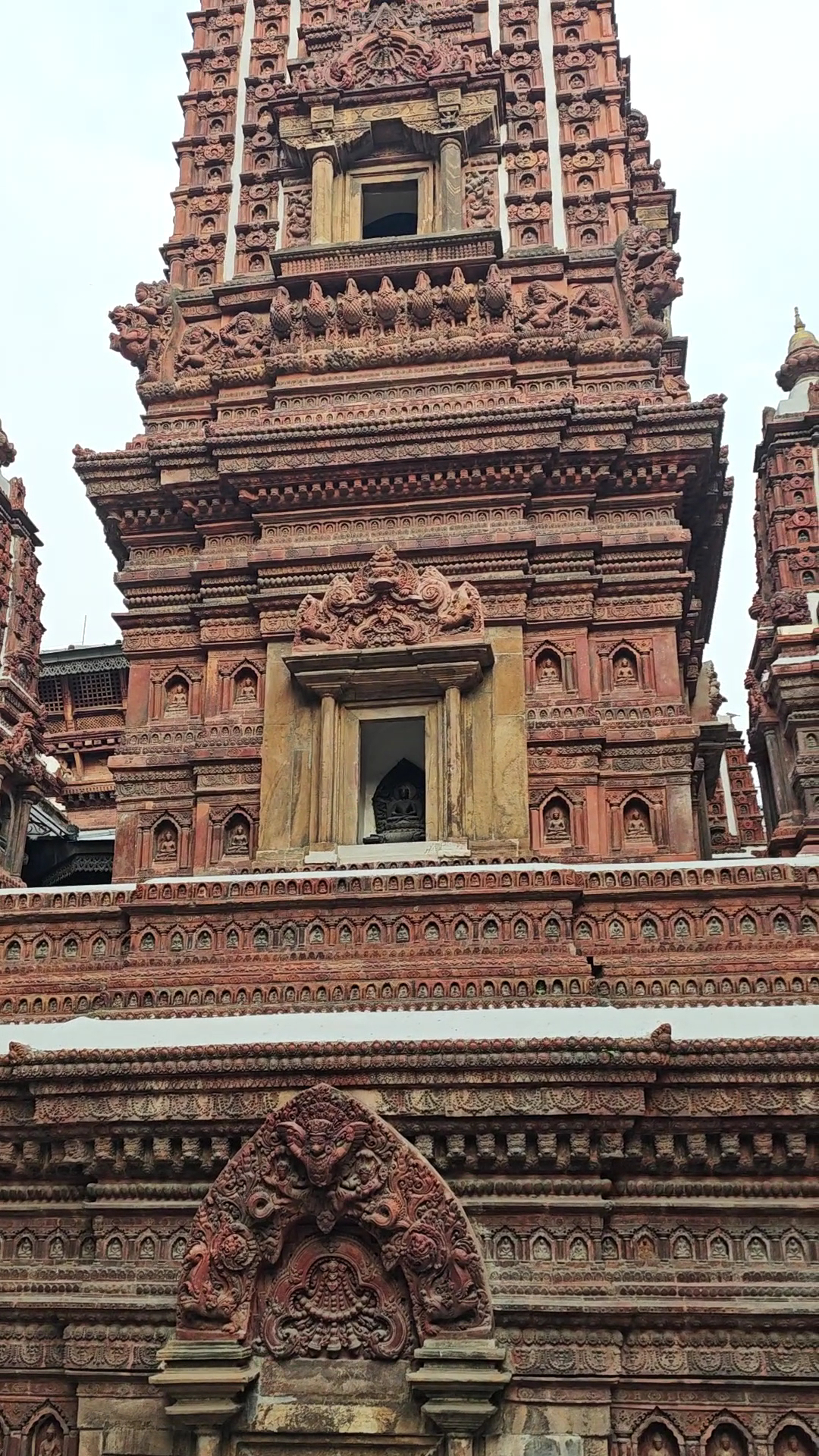
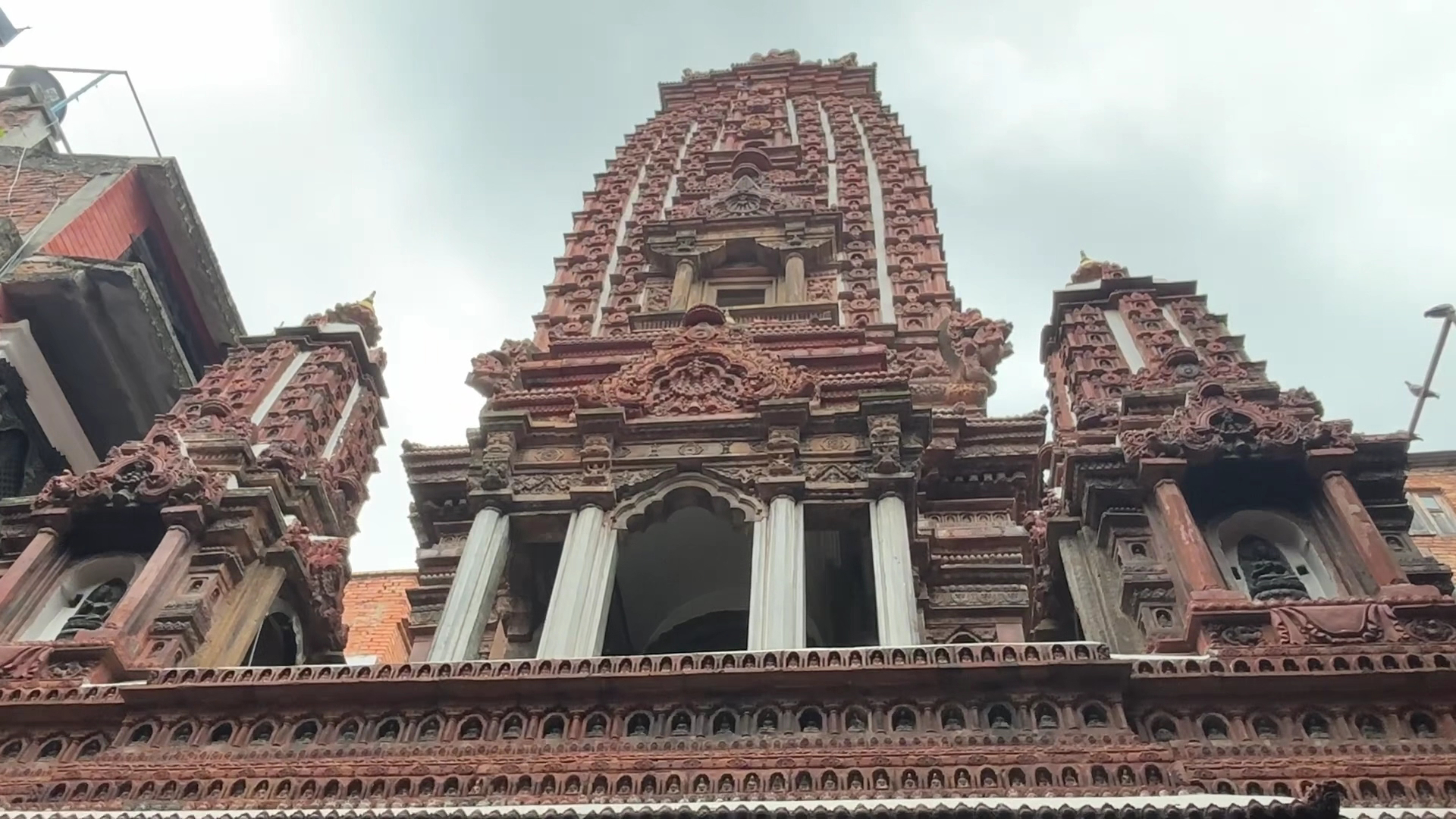
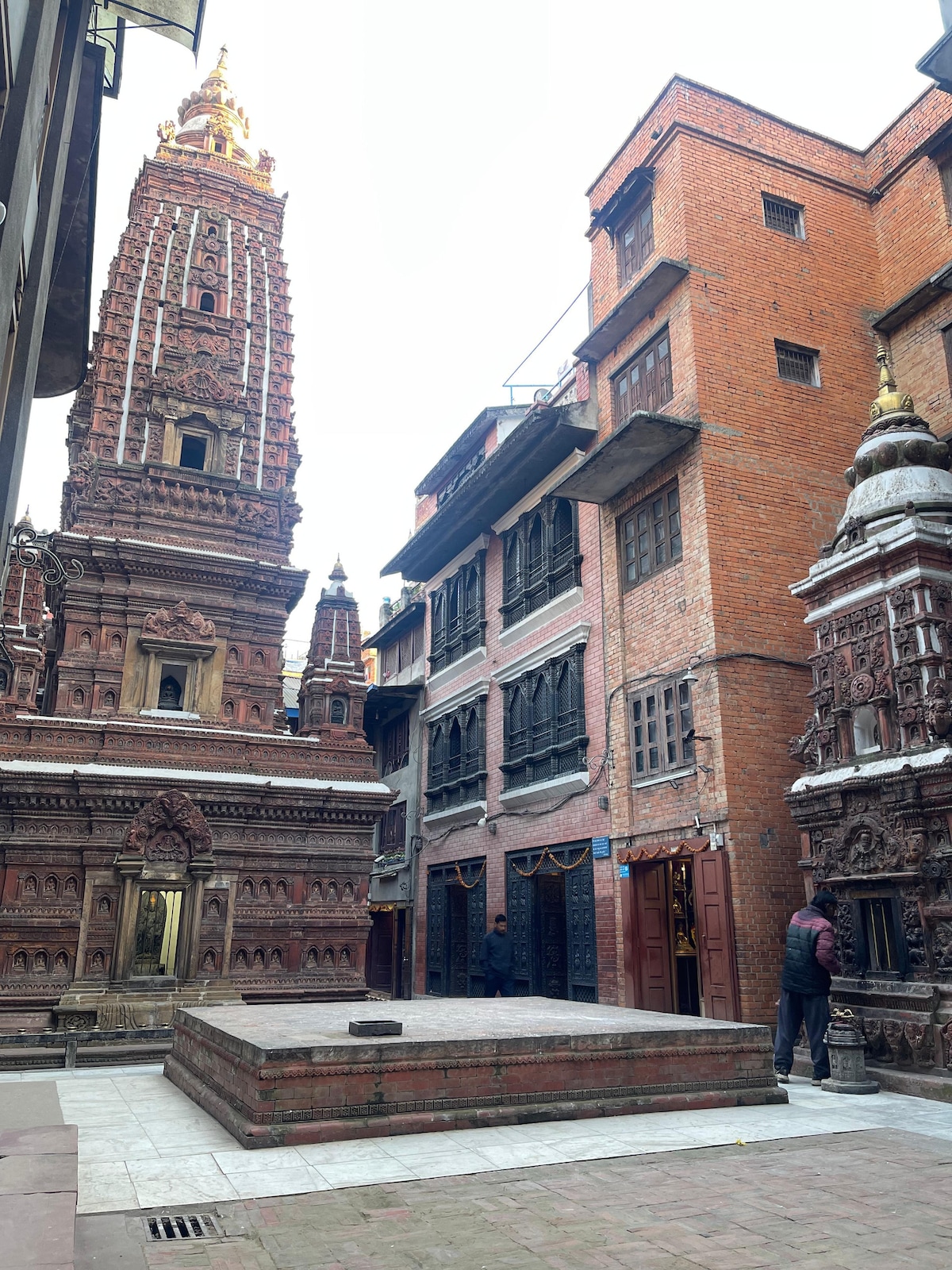
Mahaboudha Temple is a shikhara Newar Buddhist temple in Lalitpur, Nepal. The temple dates back to 1585 and it was rebuilt after the 1934 Nepal–India earthquake. Mahaboudha's design is loosely based on the Mahabodhi Temple, Bodh Gaya.
Cultural
Scenic
Family friendly
attractions: Rudra Varna Mahavihar , Oku Bahal, Patan Darbar Square, Patan Darbar Square, Krishna Mandir, Patan Museum, Sundari Chowk, Taleju Bell, Hiranya Varna Mahavihar, Hari Shankar Temple, Char Narayan / Pyamha Narandya, restaurants: Bhatti Jaam, Newa Ghasa Patan, FLAMES CAFE & RESTAURANT, Almaya Fried House, Weavers Inn, Durbar Bakery Cafe, Patan House Cafe, Krishna Newari Khajaghar, Drishya Restaurant, Tip Top Sweets, local businesses: OkuBahal उकु बहाल Rudra Varna Mahavihar, S and s fancy shop lagankhl, Simhavarna Rajasri Vihar, I Baha Bahi, Chakrabahil., Hygienic Pani Puri, Dhaugal Bazaar, Santaneshwar Mahadev Temple, Kumbheshwor Temple(Patan), Nagbahaa नागबहा
 Learn more insights from Wanderboat AI.
Open hoursSee all hours
FriOpen 24 hoursOpen
Plan your stay

Pet-friendly Hotels in Lalitpur Metropolitan City
Find a cozy hotel nearby and make it a full experience.

Affordable Hotels in Lalitpur Metropolitan City
Find a cozy hotel nearby and make it a full experience.

The Coolest Hotels You Haven't Heard Of (Yet)
Find a cozy hotel nearby and make it a full experience.

Trending Stays Worth the Hype in Lalitpur Metropolitan City
Find a cozy hotel nearby and make it a full experience.
Reviews
Live events
Secrets Of Old Patan City - with a local
Fri, Feb 27 • 7:30 AM
Lalitpur, Bagmati Province 44600, Nepal
View details

Explore hidden Nepali eateries
Fri, Feb 27 • 2:30 PM
Kathmandu, Bagmati Province 44600, Nepal
View details
Nearby attractions of Mahabuddha Temple
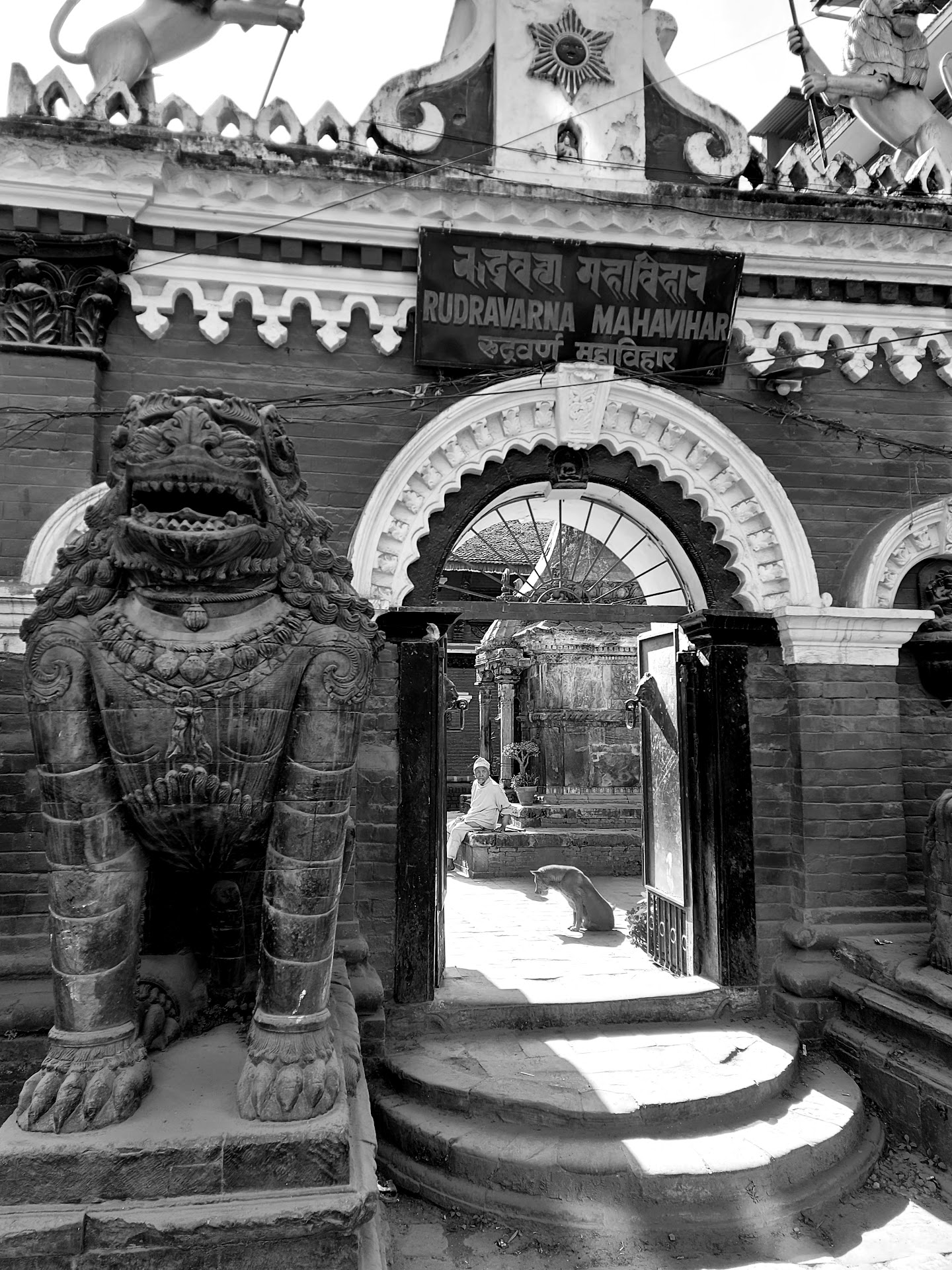
Rudra Varna Mahavihar , Oku Bahal
Patan Darbar Square
Patan Darbar Square
Krishna Mandir
Patan Museum
Sundari Chowk
Taleju Bell
Hiranya Varna Mahavihar
Hari Shankar Temple
Char Narayan / Pyamha Narandya
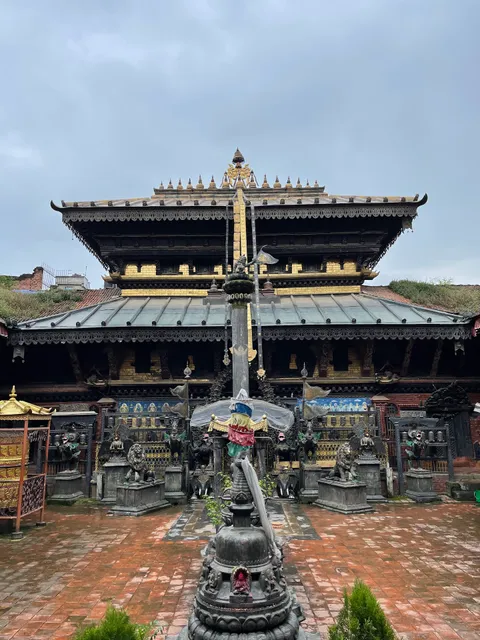
Rudra Varna Mahavihar , Oku Bahal
4.7
(224)
Closed
Click for details
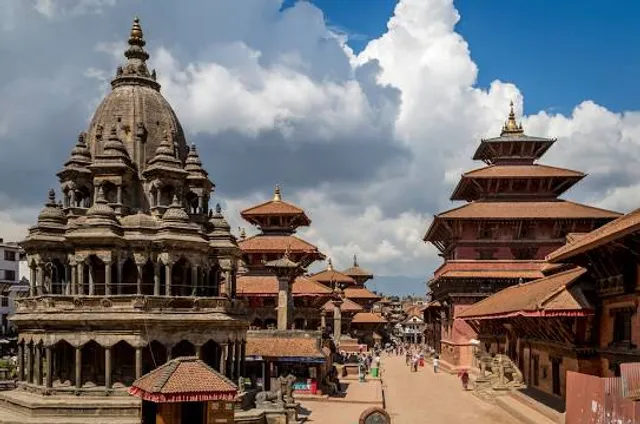
Patan Darbar Square
4.6
(12.4K)
Open 24 hours
Click for details
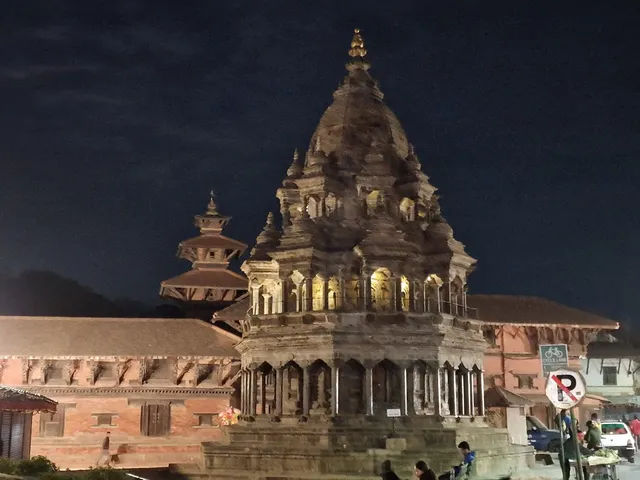
Patan Darbar Square
4.6
(12.3K)
Open 24 hours
Click for details
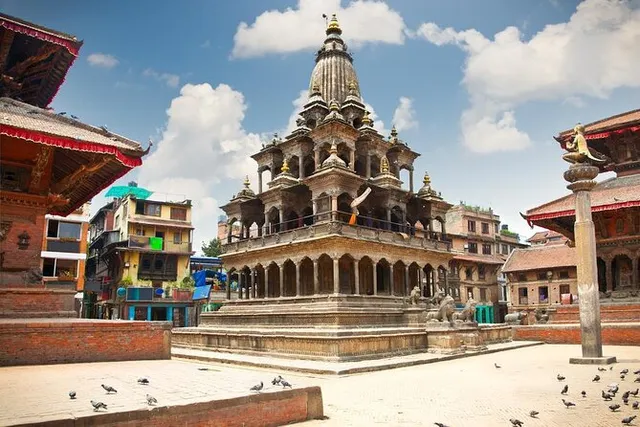
Krishna Mandir
4.7
(4.1K)
Closed
Click for details
Nearby restaurants of Mahabuddha Temple
Bhatti Jaam
Newa Ghasa Patan
FLAMES CAFE & RESTAURANT
Almaya Fried House
Weavers Inn
Durbar Bakery Cafe
Patan House Cafe
Krishna Newari Khajaghar
Drishya Restaurant
Tip Top Sweets
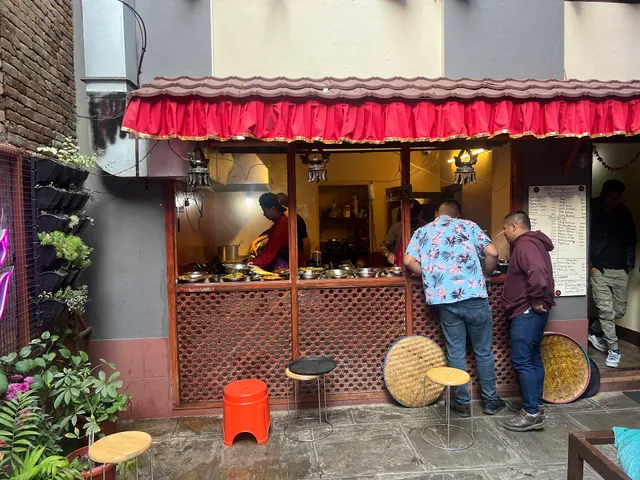
Bhatti Jaam
4.1
(172)
Closed
Click for details
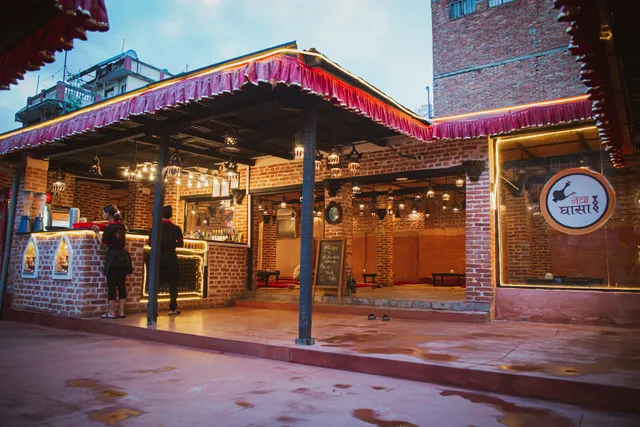
Newa Ghasa Patan
4.0
(311)
$$
Closed
Click for details

FLAMES CAFE & RESTAURANT
4.6
(47)
Closed
Click for details
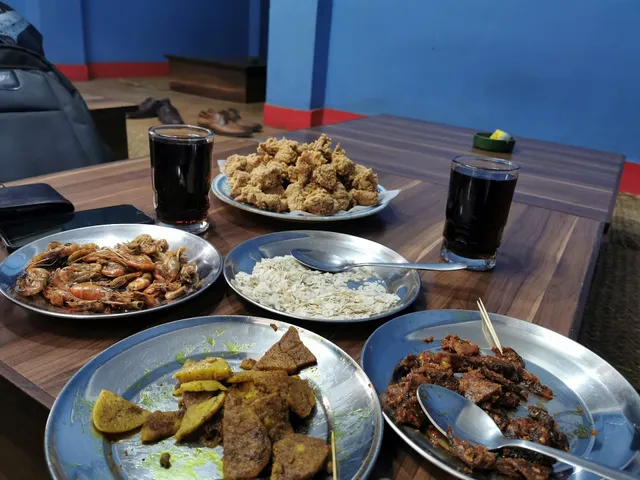
Almaya Fried House
3.9
(192)
Closed
Click for details
Nearby local services of Mahabuddha Temple
OkuBahal उकु बहाल Rudra Varna Mahavihar
S and s fancy shop lagankhl
Simhavarna Rajasri Vihar, I Baha Bahi, Chakrabahil.
Hygienic Pani Puri
Dhaugal Bazaar
Santaneshwar Mahadev Temple
Kumbheshwor Temple(Patan)
Nagbahaa नागबहा
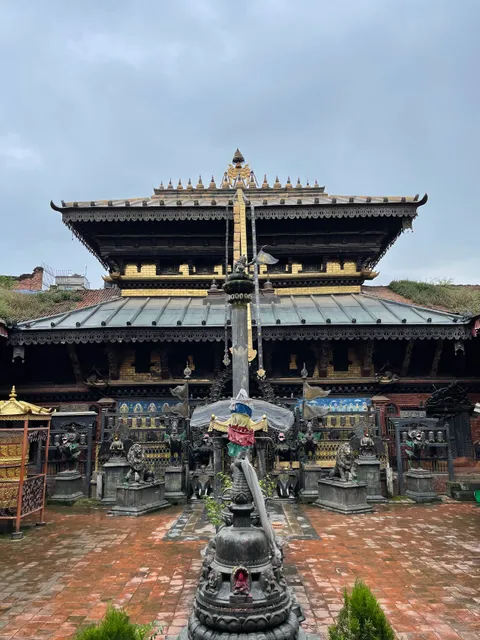
OkuBahal उकु बहाल Rudra Varna Mahavihar
4.6
(203)
Click for details

S and s fancy shop lagankhl
4.0
(64)
Click for details
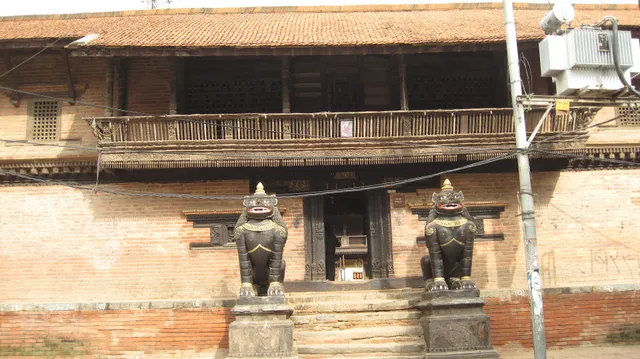
Simhavarna Rajasri Vihar, I Baha Bahi, Chakrabahil.
4.0
(9)
Click for details
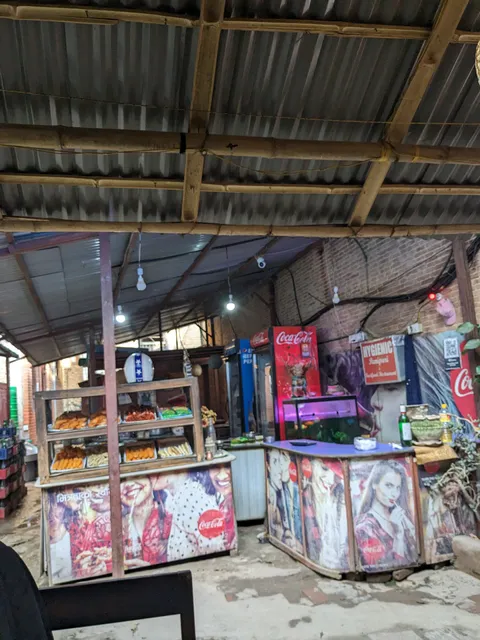
Hygienic Pani Puri
3.0
(98)
Click for details