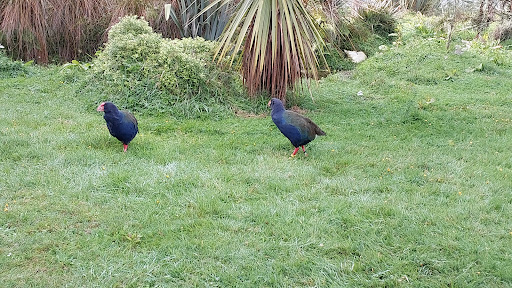
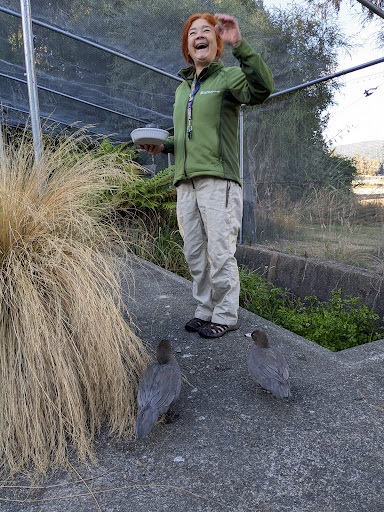
I was very impressed with the breeding programs and facilities for the threatened birds at the Te Anau Sanctuary. It was great to see breeding programs and interpretative information regarding species that are less well-known and usually less popular. Water birds never get the same attention as more charismatic birds such as parrots or raptors, so this was great to see. Despite my other concerns this is very much worth a visit to the support the volunteers and to see and support native birds that are otherwise very difficult to see in the wild.
I was however very disappointed to see an open-air enclosure with feral domestic mallards in it. I don't believe the intent was to house mallards, but after asking the guide about it, he said they occasionally cull the males due to them killing the scaups. There was a lone scaup duckling in this enclosure without any adult scaups, so I do not understand why all of the mallards aren't removed. I can only assume this scaup was killed by the aggressive male mallards in the following days or weeks. This is unacceptable.
I understand that the park staff and volunteers can not control free-ranging feral species, but it also was very disappointing to see the tour guide start feeding free-ranging shelducks and feral mallards. Encouraging people to feed waterfowl is not the best practice in regards to wildlife conservation and education, especially in regards to species that can hybridise. Feeding attracts Grey Ducks into Mallard feeding areas, significantly increasing the rate the two species hybridise. It also did not make sense to be feeding and therefore attracting feral Mallards into the Sanctuary, only to then have to occasionally remove them. There was no information given about the fact that the Mallards are an introduced species and there was no mention of Grey Ducks. It honestly felt that Mallards were given more importance than a native NZ species.
I read a recent google review where staff responded: "Our male pateke/brown teal (part of a crucial breeding programme) is frustrated by the presence of free ranging paradise shelducks and sometimes paces his aviary as he tried to chase them off. This pair will shortly be moved to an aviary where they will not be disturbed by rival species like shelducks." It would be much simpler to stop feeding the shelducks, which would currently be encouraging them to hang around more than usual due to the reliable and constant food source.
After learning about the great work being done by the DOC to control and eradicate introduced mallards in NZ, I am confused as to why introduced mallards seemingly get a free pass. The guide spent time a decent length of time talking about the impacts of possums and stouts, using the classic "the only good possum is a dead possum," but then starts feeding another introduced species. I contacted the Sanctuary about these concerns but didn't receive...
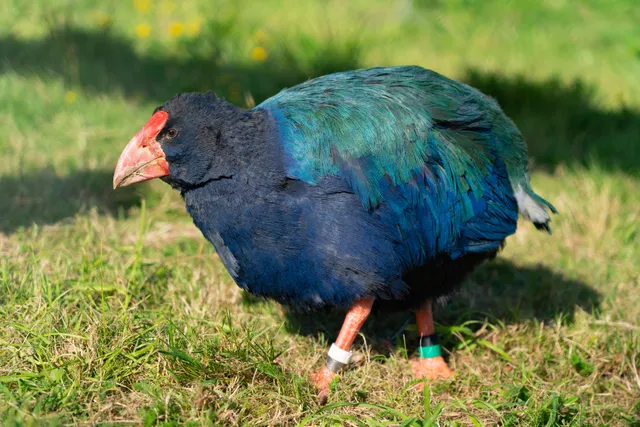
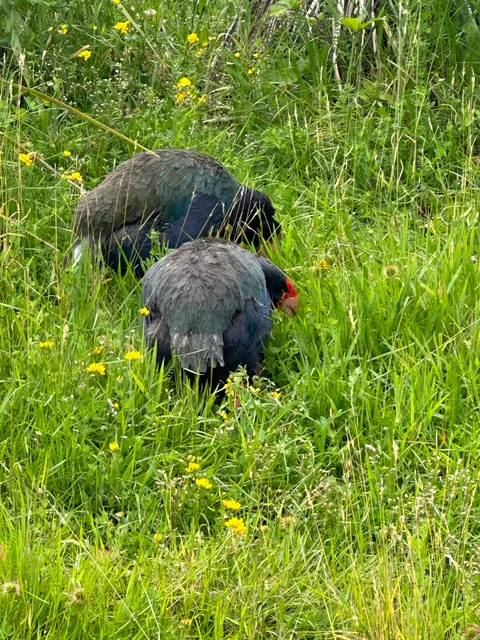
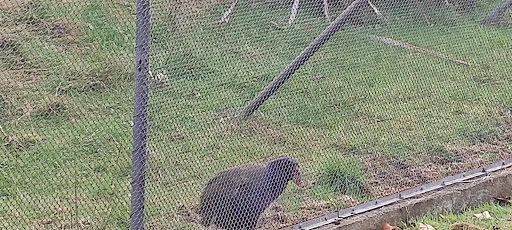
Read moreThe South Island takahē is a flightless endangered bird indigenous to New Zealand and the largest living member of the rail family.
The first recorded European encounter with takahe was in 1849, when a gang of Dusky Bay sealers found and followed the trail of a large and unknown bird. When pursued by their dogs, the bird “. . . ran with great speed, and upon being captured uttered loud screams, and fought and struggled violently.” Three or four days later they roasted and ate the bird, declaring it delicious.
The Dodo is a lesson in extinction. Found by Dutch soldiers around 1600 on an island in the Indian Ocean, the Dodo became extinct less than 80 years later.
The takahe was also thought extinct.
In November 1948, Orbell found takahē in Fiordland's remote Murchison Mountains. The species had been presumed extinct, but Orbell was convinced he had heard a strange bird call when tramping in the area. He then tracked and located three of the birds.
Department of Conservation's (DOC) Takahē Recovery Programme has brought their population back from the brink of extinction, to just over 400 birds today.
The answer is no, you are not allowed to eat them and they...
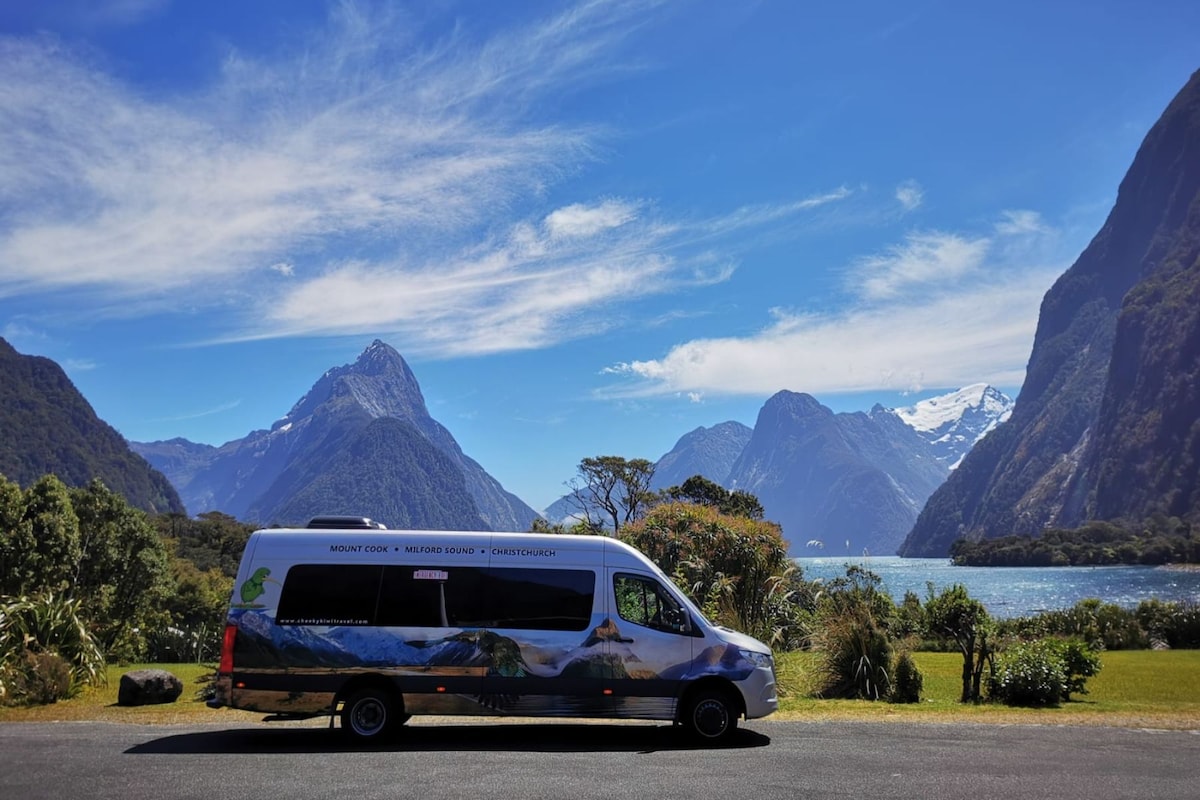
Read moreAbsolutely fabulous tour and information session from Sarah. We turned up for a quick wander round this free/gold coin donation bird sanctuary in Te Anau after a mention by our tour bus guide. Just as we were setting out a ranger mentioned there was a guided tour beginning in 5 minutes, at NZ$10 per person, which would include time inside the enclosures. So we signed up ... easily the best value tour of our whole trip! We got to see Takahe (once thought extinct and still less than 500 adults left anywhere) up close; and likewise kaka, "the laid back hippies" of the endangered parrots (around 5000 of these left). But what really made this special was the engaging and informative commentary and explanations that Sarah gave. So much information, and so well presented; as a teaser, we learnt why the chick's from the first attempts at hand rearing Takahe didn't survive their first winter in the wild, so now they have to be reared by foster parent Takahe, ... and for a real trivia night bonus, how many metres of poo does a Takahe produce each...
Read more