Sandefjord Museum things to do, attractions, restaurants, events info and trip planning

Basic Info
Sandefjord Museum
Museumsgata 39, 3210 Sandefjord, Norway
4.4(376)
Open until 12:00 AM

tickets
Save
spot
spot
Ratings & Description
Info
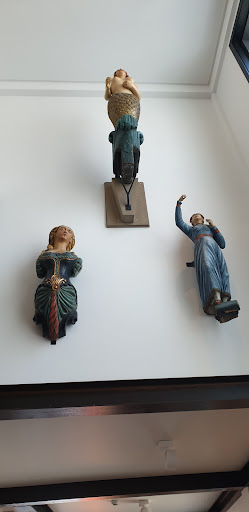
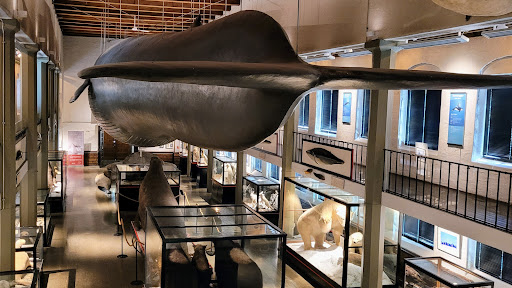
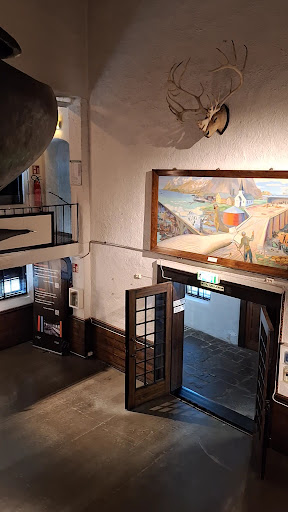
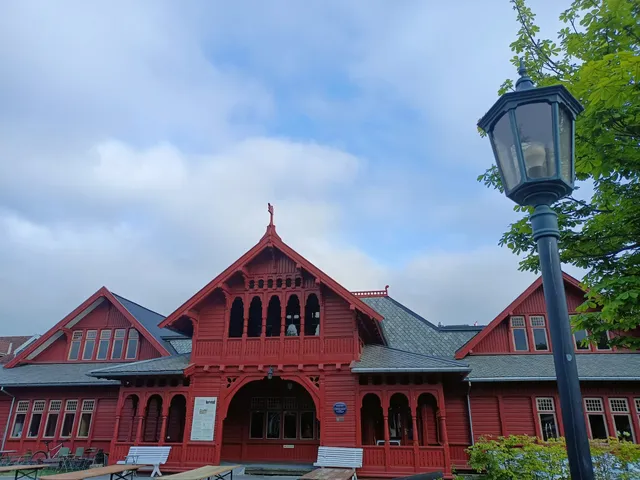
Sandefjordmuseene is a museum located in Sandefjord, Norway. It is dedicated to the whaling industry and is the only specialized museum on the subject of whales and whaling in Europe. Since 2009, the museum has been associated with the Vestfold Museum.
Cultural
Family friendly
Accessibility
attractions: Byparken, Sandar Church, Hvalfangstmonumentet, Bakgården Café AS, Gokstad Coastal Association, restaurants: Golden Indian Restaurant, Kafka Sandefjord AS, Thai Aroy Dee, Sabi Sushi Sandefjord, Perfect pizza, HongRui Cafe Restaurant, La Baguette - Hvaltorvet, Pujisushi Pujitea, Huset, Espresso House, local businesses: Cafe Vintage, Preståsen, Zorba - Catering og lunsj i Oslo, Sandefjord Spa, Strømbadet
 Learn more insights from Wanderboat AI.
Phone
+47 94 79 33 41
Website
hvalfangstmuseet.no
Open hoursSee all hours
Tue11 AM - 4 PMOpen
Plan your stay

Pet-friendly Hotels in Sandefjord
Find a cozy hotel nearby and make it a full experience.

Affordable Hotels in Sandefjord
Find a cozy hotel nearby and make it a full experience.

The Coolest Hotels You Haven't Heard Of (Yet)
Find a cozy hotel nearby and make it a full experience.

Trending Stays Worth the Hype in Sandefjord
Find a cozy hotel nearby and make it a full experience.
Reviews
Nearby attractions of Sandefjord Museum
Byparken
Sandar Church
Hvalfangstmonumentet
Bakgården Café AS
Gokstad Coastal Association

Byparken
4.4
(75)
Open until 12:00 AM
Click for details
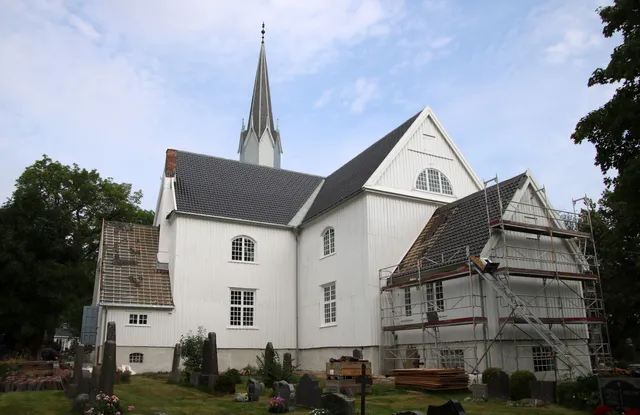
Sandar Church
4.5
(101)
Closed
Click for details
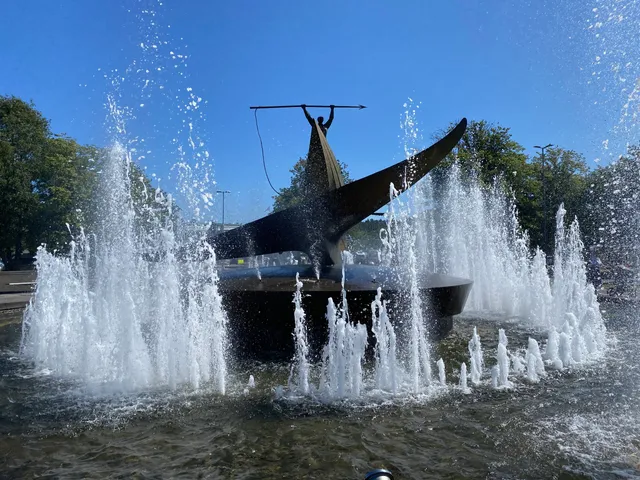
Hvalfangstmonumentet
4.7
(88)
Open until 12:00 AM
Click for details
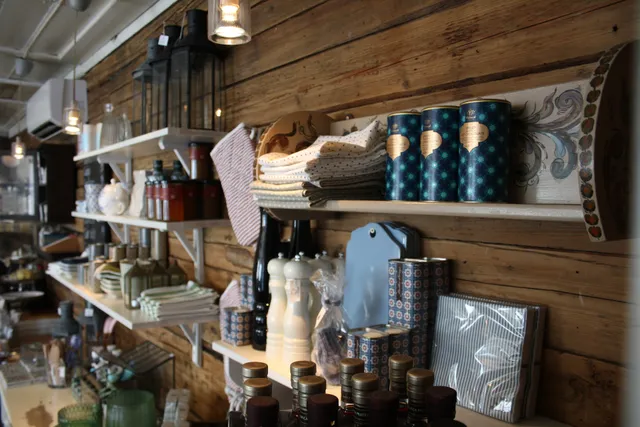
Bakgården Café AS
4.2
(62)
Open until 12:00 AM
Click for details
Nearby restaurants of Sandefjord Museum
Golden Indian Restaurant
Kafka Sandefjord AS
Thai Aroy Dee
Sabi Sushi Sandefjord
Perfect pizza
HongRui Cafe Restaurant
La Baguette - Hvaltorvet
Pujisushi Pujitea
Huset
Espresso House
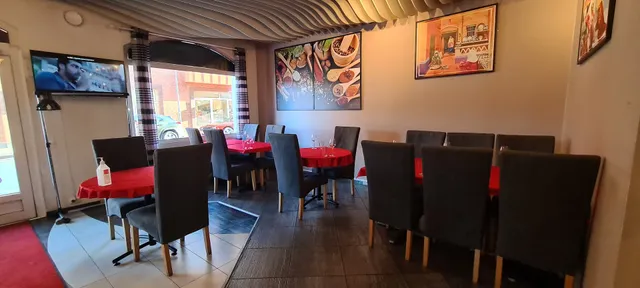
Golden Indian Restaurant
4.6
(163)
Open until 12:00 AM
Click for details
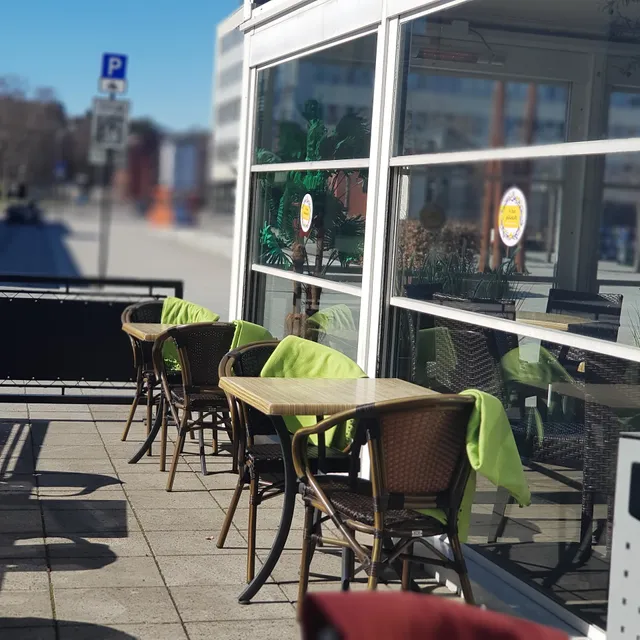
Kafka Sandefjord AS
4.0
(350)
Closed
Click for details
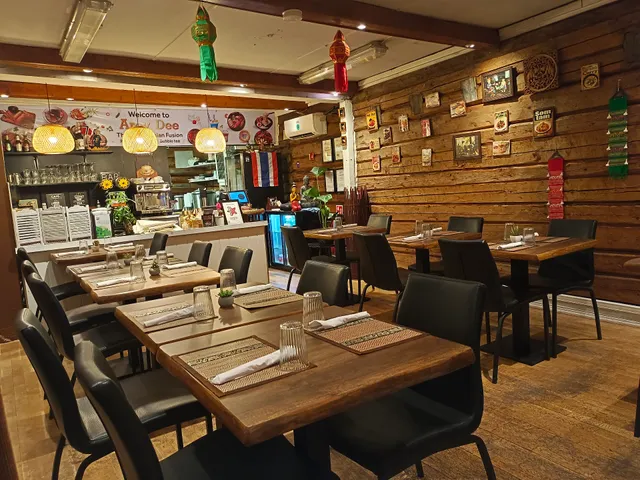
Thai Aroy Dee
4.8
(119)
Closed
Click for details
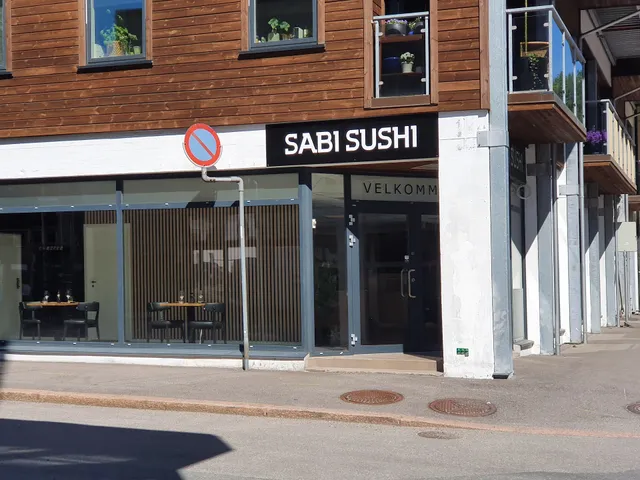
Sabi Sushi Sandefjord
4.5
(70)
Open until 12:00 AM
Click for details
Nearby local services of Sandefjord Museum
Cafe Vintage
Preståsen
Zorba - Catering og lunsj i Oslo
Sandefjord Spa
Strømbadet
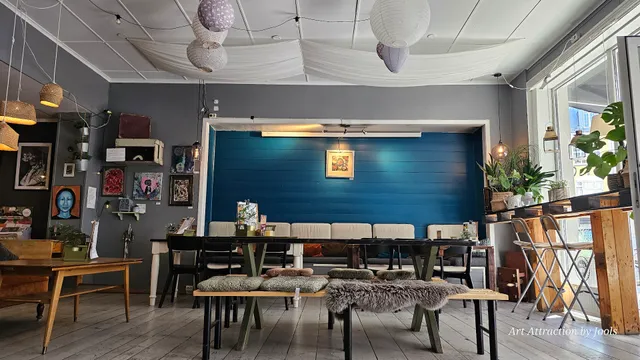
Cafe Vintage
4.6
(73)
Click for details

Preståsen
4.7
(78)
Click for details
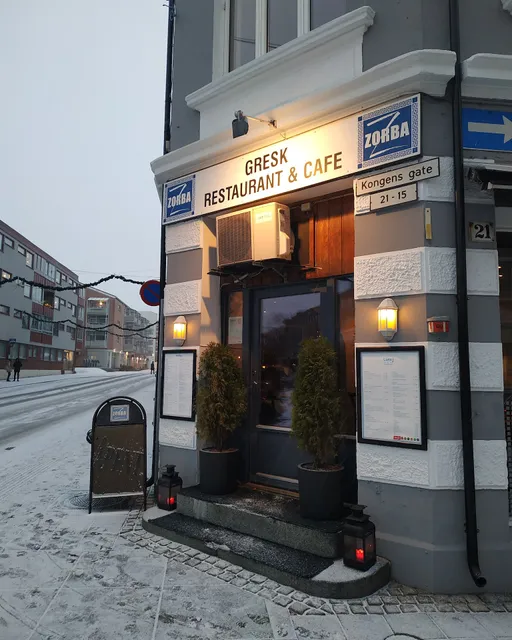
Zorba - Catering og lunsj i Oslo
4.2
(156)
Click for details
Sandefjord Spa
4.3
(41)
Click for details