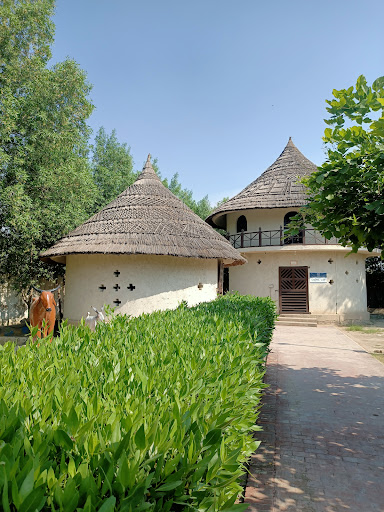
The Sindh Museum is located in Hyderabad that is the second largest city of Sindh.The objective behind the establishment of museum was collection and preservation of Sindhi culture and traditions. The main focus of the museum is on history and heritage of Indus valley civilization. The museum actually depicts the life style of people who lives in Sindh especially in rural areas.
Sindh museum promotes Sindhi culture and give awareness to tourists about old civilization and cultures prevailing in Sindh. This museum displays the great art of Sindh’s civilizations Aryans and Indus civilization. This museum helped various scholars to know about history of Sindh and the life style of people living in Sindh
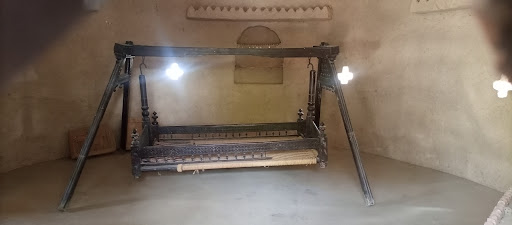
Sindh museum covers all aspects of life of Sindhi people their living style, their working style and their traditions. Different materials of Soomra, Talpur and Kalhora rulers are present in the museum.One can find swords that are used by rulers in different wars.Other defense material is also present which was used by rulers to defend their territories. A part from that one can see different machines used during cultivation of crops.Sindh Museum has models of people who are working on different jobs such as working for manufacturing of handicrafts, working on conversion of cotton into cloths or working of women in the home. Models of ancient civilizations are also placed in to show visitors that how the people of these civilizations were living and working. In early times people of Sindh were mainly dependent on their animals for purpose of survival. They get milk from them and use it as a food. So animal models were also present
Museum is full of handicrafts. The art work is impressive. Combination of different colors has made every handicraft a different one. Simple pots and water storage pots are the remaining of early civilization. One can find a complete environment of Sindhi rural culture in the museum.How women’s live and do work in their homes is also prominent factor. Even environment of a kitchen is also present in the museum. Different wearing of women including different dresses, footwear’s and bangles are also part of museum. In rural areas people live in joint families so joint family system model is also present in Sindh museum.
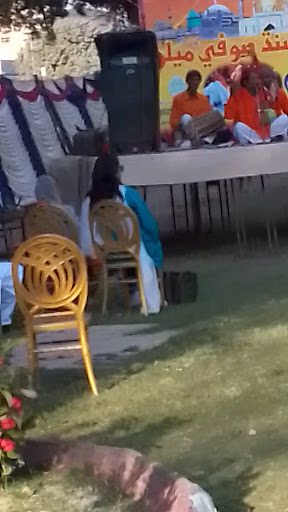
Different music instruments are also part of museum. Every instrument has its own specialty in terms of sound. Reflection of Sindhi culture is also present in the museum. The marriage ceremony and other events are show in their true pictures. This shows the richness and originality of culture.
Other than that different monumental in different languages are also present there. The museum reflects some very good days of Sindhi culture when people live together and shares problems with each other. Museum also reflects unity of the Sindhi people which they lack today.As they were living in joint family system they address problems of each other and live with peace and calm. As at early times there was no technology so people work manually.
Similarly like other places it is a tourist spot. People from different places come here and learn a lot about Sindhi culture...
Read moreThe Indus Valley was home to one of the world's first large civilisations.
It began nearly 5,000 years ago in an area of modern-day Pakistan and Northern India.
There were more than 1,400 towns and cities in the Indus Valley.
We do not know what the Indus people called their cities, because nobody has been able to translate their ancient language.
The Indus people lived on the banks of the Indus river.
The Indus river starts in the Himalayan mountains (the tallest mountain range in the world), and flows nearly 3,000 kilometres through modern-day Pakistan.
Downstream it carves out a valley. This is where the Indus people lived.
People used river water to drink, wash and to grow crops.
The Indus civilisation seems to have been a peaceful one.
The cities were built with strong walls and gates, which usually means they needed protection.
However few weapons have been found and there is no evidence of an army.
Ancient writing can tell us about civilisations, but we can't translate the Indus writings. We have to look for other clues.
The Indus cities had straight roads which criss-crossed in a grid pattern to form city blocks.
The main streets were almost 10 metres wide - wide enough for two carts or elephants to pass each other.
Drains ran along the edge of the streets to carry rubbish away and wells were dug for clean water.
Some cities, like Mohenjo-Daro, had high walls. These walls had gateways so people could come and go.
Some city districts inside were raised on mounds. The highest mound was known as the citadel.
Most Indus buildings were made from mud bricks.
Source BBC:...
Read moreThe Sindh Museum in Qasimabad, Hyderabad, is a captivating testament to the rich cultural heritage and history of the Sindh region. Nestled amidst picturesque surroundings, this museum offers a fascinating journey through the diverse tapestry of Sindhi culture, art, and civilization.
Visiting the Sindh Museum is akin to embarking on a voyage through time, as it showcases an impressive collection of artifacts, relics, and exhibits dating back centuries. From ancient artifacts and archaeological finds to intricate handicrafts and textiles, each display offers a glimpse into the vibrant and multifaceted heritage of Sindh.
What sets the Sindh Museum apart is its commitment to education and preservation. The museum's meticulously curated exhibits are accompanied by informative descriptions and interactive displays, making it an engaging and enlightening experience for visitors of all ages.
Moreover, the museum serves as a hub for cultural exchange and appreciation, hosting events, workshops, and exhibitions that celebrate the diversity and richness of Sindhi traditions.
With its serene ambiance, informative exhibits, and dedication to showcasing the best of Sindhi culture, the Sindh Museum in Qasimabad, Hyderabad, is a must-visit destination for locals and tourists alike. Whether you're a history buff, an art enthusiast, or simply curious about the heritage of Sindh, this museum offers a captivating and enriching experience that will leave a...
Read more