Visiting the Memorial and Museum Auschwitz is an experience that leaves a profound and lasting impact on one's soul. As I walked through the gates of this historical site, I couldn't help but feel a mixture of reverence, sadness, and deep reflection. The importance of preserving and remembering the atrocities committed during the Holocaust becomes undeniably clear within moments of arriving at this haunting place.
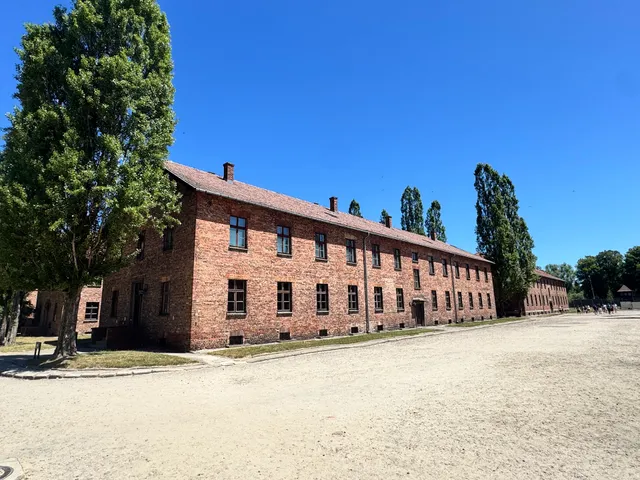
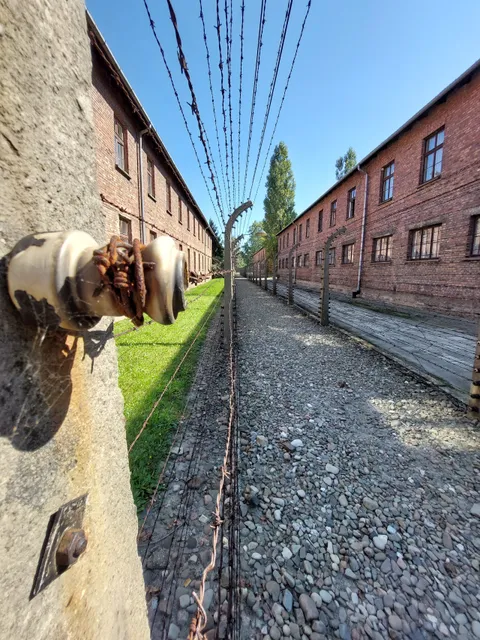
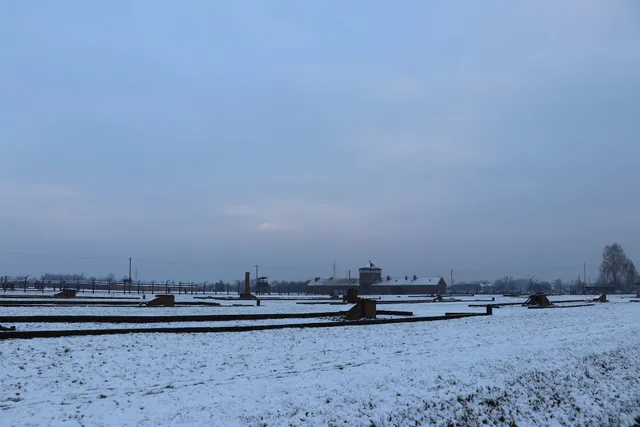
The memorial and museum are meticulously maintained, and the exhibits are thoughtfully curated to provide visitors with a comprehensive understanding of the Holocaust and the horrors that unfolded at Auschwitz. The sheer scale of the site is staggering, with multiple barracks, gas chambers, and crematoria spread across the vast compound. The solemnity of the grounds demands utmost respect from all who visit.
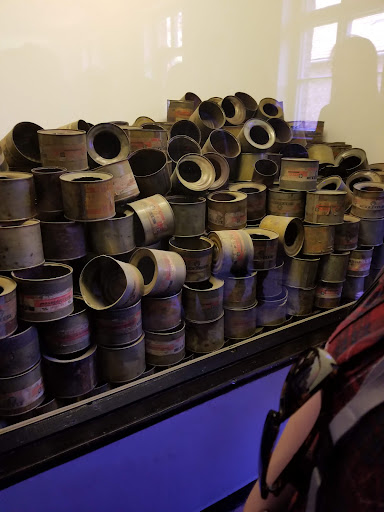
The museum's exhibitions are both informative and emotionally charged. They offer a comprehensive historical narrative, presenting the chilling details of the camp's operation and the systematic dehumanization that took place. Personal belongings, photographs, and testimonies of survivors provide a deeply personal glimpse into the lives of those who suffered and perished at Auschwitz. The museum strikes a delicate balance between honoring the memory of the victims and exposing the sheer brutality of the Nazi regime.
The guides and staff members at Auschwitz are highly knowledgeable, compassionate, and sensitive to the weight of the subject matter. They provide valuable insights, answer questions, and ensure that visitors approach the site with the utmost respect. Their dedication to preserving the memory of the victims and educating the public is truly commendable.
Emotions run high throughout the visit, and it is impossible not to be moved by the experience. The silence that envelopes the grounds, broken only by whispers and solemn footsteps, adds to the overall atmosphere of reverence. It is a place where one cannot help but confront the darkest depths of human cruelty and question the nature of humanity itself.
Visiting the Memorial and Museum Auschwitz is not an easy experience, nor should it be. It serves as a stark reminder of the horrors of the Holocaust, urging visitors to reflect on the past and actively work towards a future free from bigotry and hatred. It is a somber pilgrimage that pays homage to the millions of lives lost and serves as a powerful testament to the resilience of the human spirit.
In conclusion, a visit to the Memorial and Museum Auschwitz is an essential and deeply moving experience. It offers a profound education about the Holocaust and serves as a solemn reminder of the importance of remembrance and tolerance. The dedication of the staff, the historical significance of the site, and the emotional impact it leaves on visitors make it a place that everyone should visit at least once in...
Read moreWe went on a Monday midday with "Super Krakow", skip the line tour in English booked through "GetYourGuide". We got WhatsApp message for confirmation and meeting place. A representative met us with tickets and a group sticker to put on. Everything was clearly explained to us. Btw. You need ID or passports for entry. We made our own way there as we got a lift to the main gate, and we were collected after to save us from bringing the car. The tour guide had good English, explained everything, and kept a good eye on the group of about 20. You get headphones for the first part. Austwitz I has exhibitions and photos and you can enter the buildings. The history was explained to us. The tour was maybe 1.5 hours. Summer temperatures were okay, plenty of shade, and the buildings were cool. Austwitz II, we took the shuttle bus over. You shouldn't have the group sticker on as they are not meant to take you. Buses are very frequent. Tour guide waited for everyone to arrive. There are toilets and a small shop for water etc here. There is quite a bit of walking in Austwitz II and no shade with the sun. I liked entering the Barracks where they were kept to see some of the conditions they had to live in. The pace of the tour was faster because of the longer walks and the midday heat, but the tour guide again kept an eye on us all. Tour was more of what happened to prisoners and the SS, and again, it was around 1.5 hours. Afterwards, we walked around a bit and entered a few more buildings. Highly recommended to visit. I did start to get disturbing dreams that night but luckily woke up and managed to put them out of mind. The sheer scale of everything is mind-boggling and hard to comprehend even after seeing it. I would recommend downloading one of the PDF guide books from the main Austwitz website to prepare yourself for the visit. They have several languages. The book is 32 pages with text and pictures and maybe takes an hour to read. It prepares you for what you are to see, and I think it helped me absorb and disgest the information, perhaps helpful in dealing with it after. Other information. It was around 30 minutes getting all the people from the group to arrive and get fully organised. Once done, entry to Austwitz is very quick with ticket and ID, no...
Read moreMust experience. Visit both memorials (Auschwitz and Birkenau). I was there with a scheduled group tour as part of a larger European tour, so rules may be different for individual travelers. Bring tissues. Crying is normal. Be respectful. Rules communicated: Don't use terms like death camp or slurs of any kind when speaking, but try to remain quiet. Do not smile in pictures, if they must be taken. Photos are not allowed everywhere (visitors are advised where beforehand). (End) Heavy places. Yet what happened cannot be forgotten, and the stories need to be told. Expect waiting, walking, and stairs. There are free restrooms available before entering Auschwitz, and vending machines with beverages (soda, water, tea, lemonade, snacks, and sandwiches). Bring your passports - they are verified before entry. (ID for residents) Possessions are searched and scanned. People are divided into groups (we were, anyhow) and assigned colored stickers to wear to indicate which group they were in. Tours left 5-10 min or so apart to manage crowd size at exhibits. Headsets were provided so everyone could hear as we traveled through Auschwitz. Know some concrete stairs are worn in many places, and a few were difficult to navigate. Step sizes are not consistent (some taller than others). There are no paved paths outdoors between buildings (buildings did not appear to be handicapped accessible - FYI, but I could be wrong). If it rains - you are in it, yet umbrellas were permitted. Visitors go in and out of buildings often, so some folks struggled with opening and closing them so often. Birkenau is located a few minutes away from Auschwitz by bus. After a lifetime of seeing pictures and hearing the size - I didn't understand the scale. The pictures you see of the long train tracks leading up to a building? That's Birkenau. It's massive. And horrible...the place is a nightmare. Along the walk back to the meeting spot of our bus (the museum and bookstore portion of Birkenau) there were a few vendors selling Coca-Cola and Coke Lite, hotdogs or other items, and some candy and souvenirs. I appreciated the diet coke at that moment...the levity of normalcy was appreciated. I...
Read more