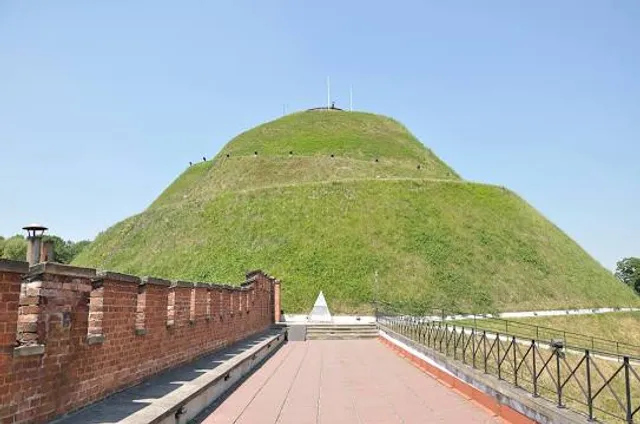
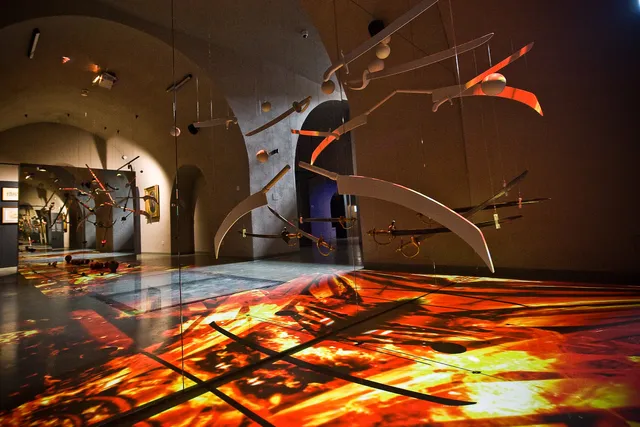
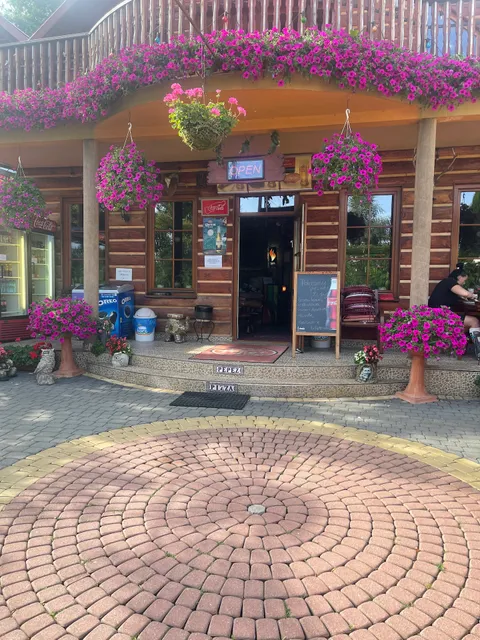
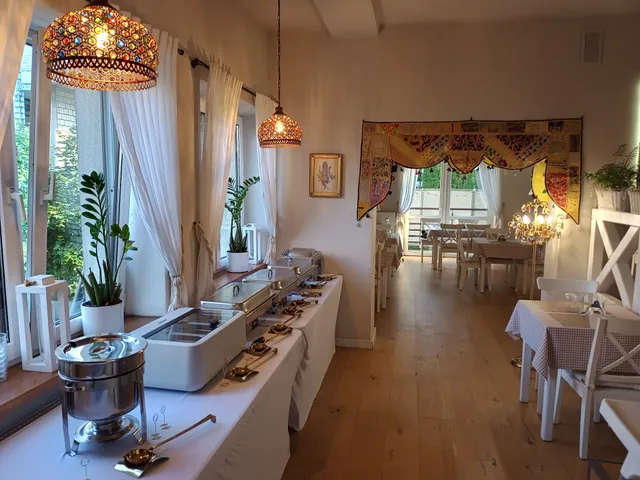
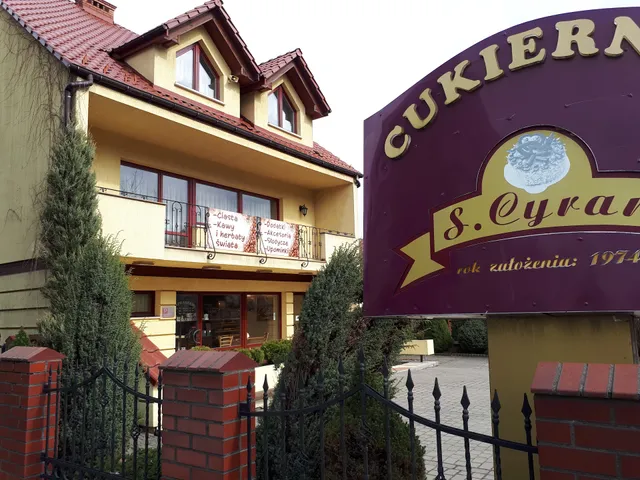
While visiting Krakow, we took the bus to see the mound on a perfect sunny October day. We learned that this mound serves as a symbol of patriotism and freedom and was built in 1823 to pay tribute to a Polish national hero named Tadeusz Kosicuszko, who fought for Polish independence. This location provides any visitor one of the best places to enjoy breathtaking views of Krakow and the Vistula River. The mound is located only a short bus ride from the city, but there is also free parking for those who wish to drive. We recommend that, as you are climbing to the top, take your time and enjoy the view. During your climb, you will see the mound is surrounded by a park, which after your view from the top, you can then take a stroll in the park or even enjoy a picnic. We highly recommend you arrive as early as possible to avoid the crowds, which will increase in volume as the day progresses, especially when the weather is perfect. This way, you can have the entire mound to yourself or only a limited number of people. The top of the mound is not that large, and it only takes 10-15 people to make it less enjoyable. After you are done at the top, you can either stop in for a drink or a bite to eat and one of several dining facilities, but we recommend the café. You can also visit the museum, which you will first pass through to get to the mound, but we recommend doing this after visiting the top of the mound. The museum will provide you with more information on the life and legacy of Kosciuszko, including personal belongings, letters, military material associated with this Polish hero. Probably the most interesting aspect of the mound is what it is made from. According to what we read, the mound is constructed from soil and stones that are actually from the very battlefields Kosciuszko fought at. Now how amazing is that. So, we would recommend this location to anyone interested in military history, Polish history and culture and those just looking for the best place to view the...
Read moreKosciuszko Mound erected by Cracovians in commemoration of the Polish national leader Tadeusz Kościuszko, is an artificial mound modeled after Kraków's prehistoric mounds of Krak and Wanda. A serpentine path leads to the top, approx. 326 metres (1,070 ft) above sea level, with a panoramic view of the Vistula River and the city. It was completed in November 1823. The location selected for the monument was the natural Blessed Bronisława Hill (Polish: Wzgórze bł. Bronisławy), also known as Sikornik, situated in the western part of Kraków's Zwierzyniec District.
Kościuszko Mound is one of Kraków's four memorial mounds, consisting of two prehistoric mounds, Krakus Mound and Wanda Mound, and two modern ones, Piłsudski Mound and Kościuszko Mound.
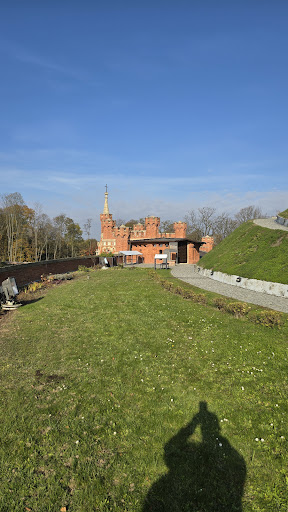
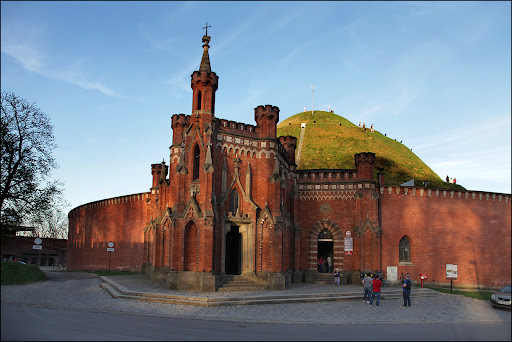
Between 1850 and 1854, the Austrian authorities built a brick citadel around the Mound and began using it as a strategic lookout. As compensation for an earlier historical church that had been demolished, a neo-Gothic chapel of Blessed Bronisława was also built. However, the Austrian fortifications, including the gateway and the southwestern rampart and entrenchment were eventually dismantled following World War II, between 1945 and 1956.
Next to the Mound there is a museum devoted to Kościuszko, that displays artifacts and mementoes of his life and achievements. In 1997, heavy rains eroded the Mound, thus threatening its existence. It went through a restoration process from 1999 till 2003 in which state-of-the-art technology and modern materials were used. The Mound was equipped with a drainage system and a new waterproofing membrane.
Kościuszko Mound inspired Count Paul Strzelecki, Polish patriot and Australian explorer, to name the highest mountain in Australia Mount Kosciuszko, because of its perceived resemblance to the Kościuszko...
Read moreAlso known as Kopiec Kościuszki, the site is a prominent historical monument in Kraków, Poland, dedicated to national hero Tadeusz Kościuszko.
Constructed between 1820 and 1823, the mound stands 34 meters high atop Blessed Bronisława Hill, reaching approximately 326 meters above sea level. Its design was inspired by Kraków’s prehistoric mounds, Krak and Wanda, symbolizing Poland’s enduring spirit and unity during times of partition.  
Visitors can ascend a serpentine path to the summit, offering panoramic views of Kraków, the Vistula River, and, on clear days, the Tatra Mountains. The site also encompasses a museum detailing Kościuszko’s life and legacy, as well as the neo-Gothic Blessed Bronisława Chapel, built between 1856 and 1861 within the surrounding fortifications. 
The mound is open daily, with operating hours varying seasonally: from April to September, 9:00 AM to 7:00 PM; and from October to March, 10:00 AM to 4:00 PM. Ticket prices are 14 PLN for adults, 10 PLN for students and seniors, and free for children under 6. Notably, admission is free on specific dates commemorating Kościuszko’s contributions: February 4th, March 24th, and October 15th.  
To reach Kościuszko Mound, visitors can take public transportation to the Salwator tram stop, followed by a 25-minute walk, or opt for a taxi for more direct access. While the ascent is manageable for most, it may present challenges for individuals with mobility issues. It’s advisable to wear comfortable footwear and check weather conditions before visiting. 
Overall, Kościuszko Mound offers a blend of historical significance and scenic beauty, making it a worthwhile destination for those interested in Poland’s rich heritage and panoramic...
Read more