Jewish Museum and Synagogue things to do, attractions, restaurants, events info and trip planning
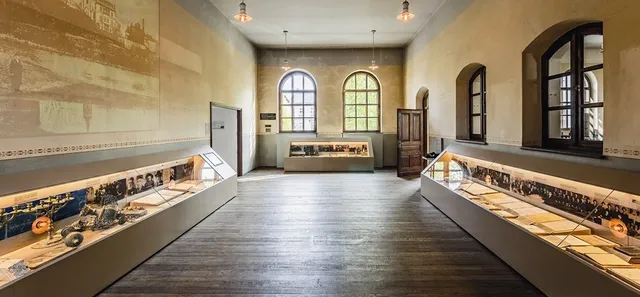
Basic Info
Jewish Museum and Synagogue
Plac Księdza Jana Skarbka 5, 32-600 Oświęcim, Poland
4.7(271)
Open until 6:00 PM

tickets
Save
spot
spot
Ratings & Description
Info
Cultural
Family friendly
Accessibility
attractions: Muzeum Zamek w Oświęcimiu, Tunnels - Underground Tourist Route, RATUSZ Oddział Muzeum Zamek, restaurants: Bulwary 1 | restauracja, Restauracja „Na Rynku”, Restauracja Bistro Kastel, Pizzeria Matteo, local businesses: Muzeum Wódki 1804 Oświęcim, The Great Synagogue Memorial Park in Oświęcim
 Learn more insights from Wanderboat AI.
Phone
+48 510 781 199
Website
oshpitzin.pl
Open hoursSee all hours
Sat10 AM - 6 PMOpen
Plan your stay

Pet-friendly Hotels in Oświęcim
Find a cozy hotel nearby and make it a full experience.

Affordable Hotels in Oświęcim
Find a cozy hotel nearby and make it a full experience.

The Coolest Hotels You Haven't Heard Of (Yet)
Find a cozy hotel nearby and make it a full experience.

Trending Stays Worth the Hype in Oświęcim
Find a cozy hotel nearby and make it a full experience.
Reviews
Live events

Candlelight: Walentynkowy Wieczór
Sun, Feb 15 • 5:00 PM
Warszawska 18, Katowice, 40-006
View details
Nearby attractions of Jewish Museum and Synagogue
Muzeum Zamek w Oświęcimiu
Tunnels - Underground Tourist Route
RATUSZ Oddział Muzeum Zamek
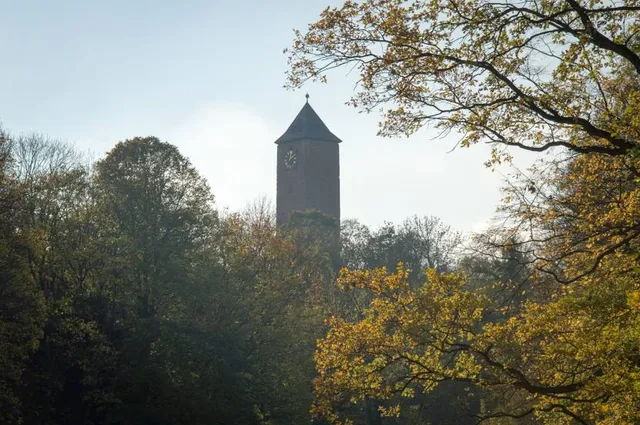
Muzeum Zamek w Oświęcimiu
4.5
(603)
Open until 12:00 AM
Click for details
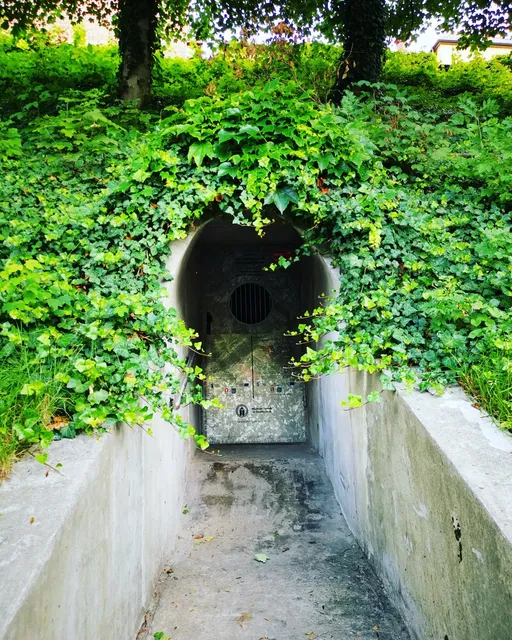
Tunnels - Underground Tourist Route
4.2
(44)
Open until 6:00 PM
Click for details
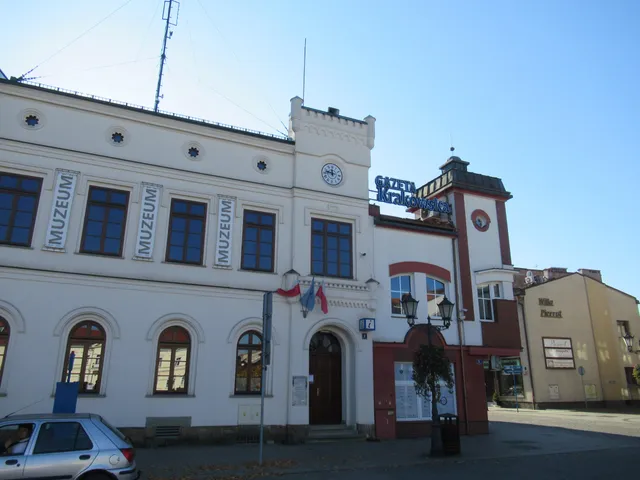
RATUSZ Oddział Muzeum Zamek
4.9
(53)
Open until 12:00 AM
Click for details
Nearby restaurants of Jewish Museum and Synagogue
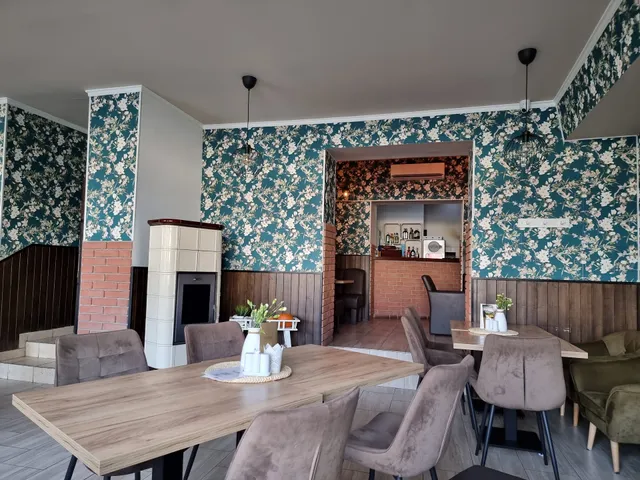
Bulwary 1 | restauracja
Restauracja „Na Rynku”
Restauracja Bistro Kastel
Pizzeria Matteo

Bulwary 1 | restauracja
4.8
(391)
Open until 11:00 PM
Click for details
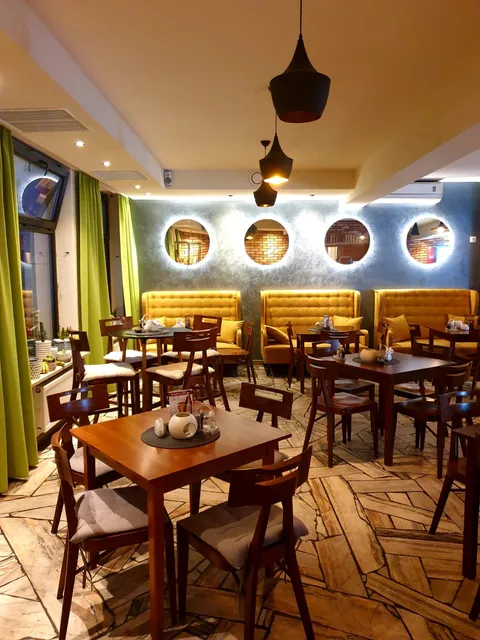
Restauracja „Na Rynku”
4.5
(712)
Open until 10:00 PM
Click for details
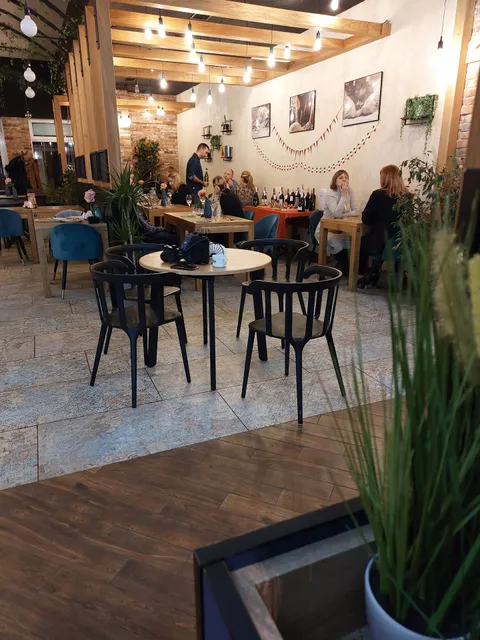
Restauracja Bistro Kastel
4.6
(629)
Open until 9:00 PM
Click for details
Pizzeria Matteo
4.1
(401)
Open until 10:00 PM
Click for details
Nearby local services of Jewish Museum and Synagogue
Muzeum Wódki 1804 Oświęcim
The Great Synagogue Memorial Park in Oświęcim
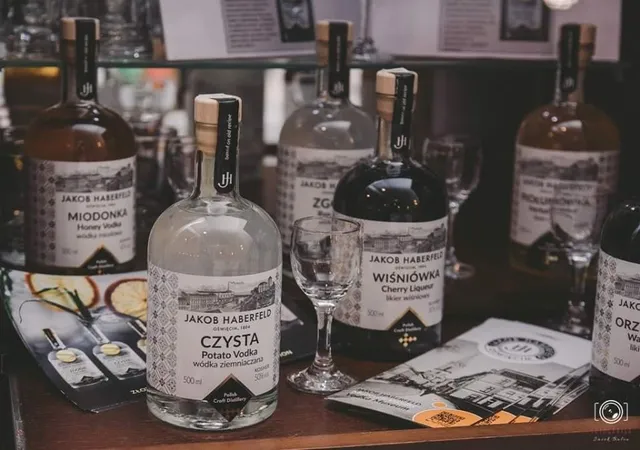
Muzeum Wódki 1804 Oświęcim
4.5
(63)
Click for details
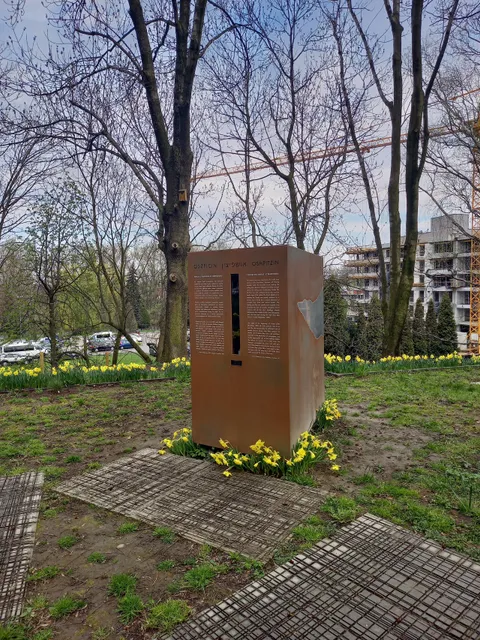
The Great Synagogue Memorial Park in Oświęcim
4.7
(16)
Click for details