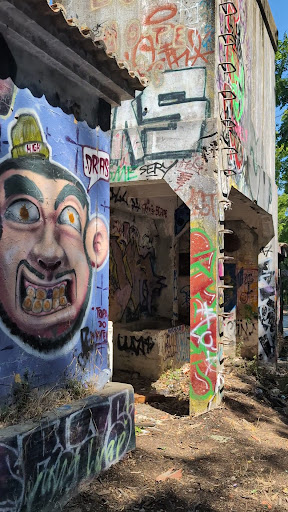
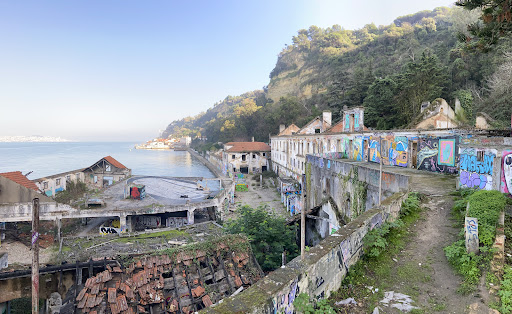
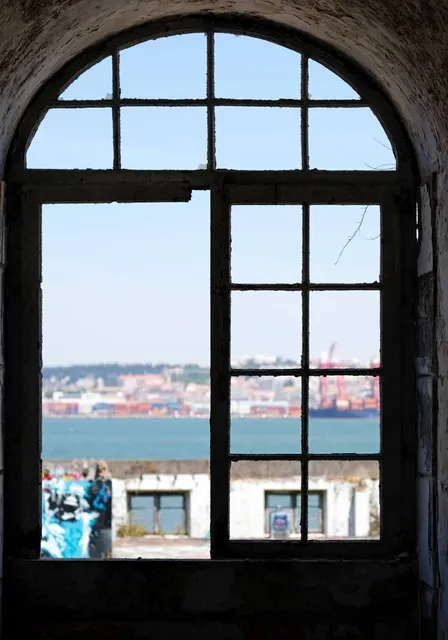
Quinta da Arealva things to do, attractions, restaurants, events info and trip planning
Basic Info
Quinta da Arealva
Arialva, 2800-058 Almada, Portugal
4.5(295)
Open 24 hours
Save
spot
spot
Ratings & Description
Info
Cultural
Scenic
attractions: Sanctuary of Christ the King-Portugal, Museu da Água - SMAS de Almada, Ginjal Pier, Casa da Cerca, Jardim do Rio, Panoramic Elevator of Boca do Vento, Pipa Fountain, Jardim Botânico - Chão das Artes, restaurants: The Baptist, A Redentora, Olhares D´Alecrim, Jazz pizzeria, Damasqino Terrace, Pérola do Cristo Rei, Camponesa do Alva, SUSHI HOUSE - Japonês Restaurante, O Galo, Pé Chato, local businesses: Museu de Almada Naval, Largo José Alaiz 42, Musée médiéval
 Learn more insights from Wanderboat AI.
Website
cm-almada.pt
Plan your stay

Pet-friendly Hotels in Almada
Find a cozy hotel nearby and make it a full experience.

Affordable Hotels in Almada
Find a cozy hotel nearby and make it a full experience.

The Coolest Hotels You Haven't Heard Of (Yet)
Find a cozy hotel nearby and make it a full experience.

Trending Stays Worth the Hype in Almada
Find a cozy hotel nearby and make it a full experience.
Reviews
Live events

Splash&Spa
Tue, Feb 24 • 10:00 AM
Rua das Palmeiras, Lote 5 - Quinta da Marinha, 2750-005
View details

Horizonte de Quéops: Viagem ao Antigo Egito
Thu, Feb 26 • 12:00 PM
Terreiro do Paço, Lisboa, 1100-278
View details

Museu das Ilusões - Lisboa
Mon, Feb 23 • 5:20 PM
R. Ivens 62, Lisboa, 1200-227
View details
Nearby attractions of Quinta da Arealva
Sanctuary of Christ the King-Portugal
Museu da Água - SMAS de Almada
Ginjal Pier
Casa da Cerca
Jardim do Rio
Panoramic Elevator of Boca do Vento
Pipa Fountain
Jardim Botânico - Chão das Artes

Sanctuary of Christ the King-Portugal
4.6
(15.1K)
Closed
Click for details
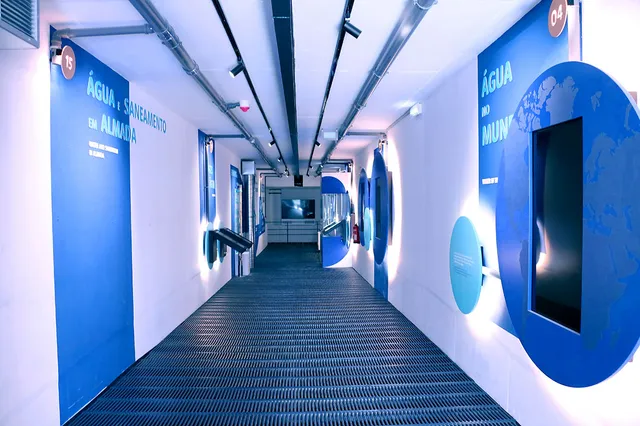
Museu da Água - SMAS de Almada
4.7
(23)
Open until 12:00 AM
Click for details

Ginjal Pier
4.6
(228)
Open until 12:00 AM
Click for details
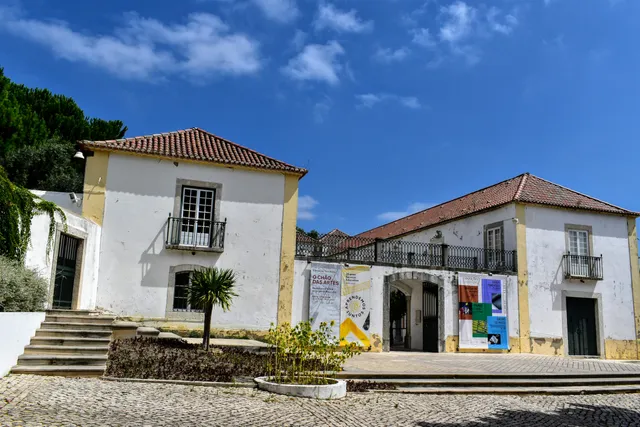
Casa da Cerca
4.7
(1.3K)
Closed
Click for details
Nearby restaurants of Quinta da Arealva
The Baptist
A Redentora
Olhares D´Alecrim
Jazz pizzeria
Damasqino Terrace
Pérola do Cristo Rei
Camponesa do Alva
SUSHI HOUSE - Japonês Restaurante
O Galo
Pé Chato
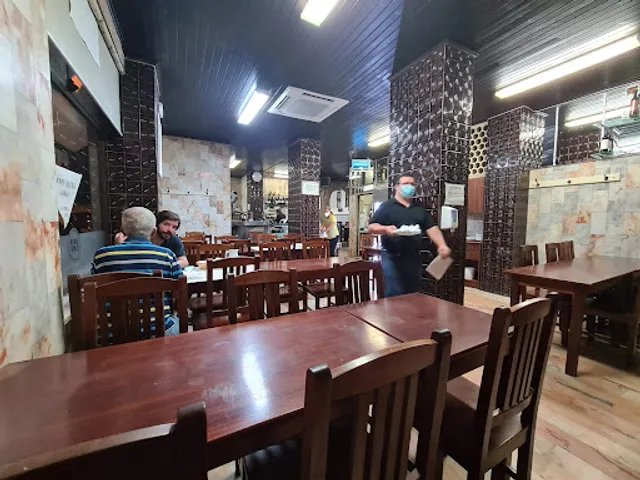
The Baptist
4.2
(557)
Open until 10:00 PM
Click for details
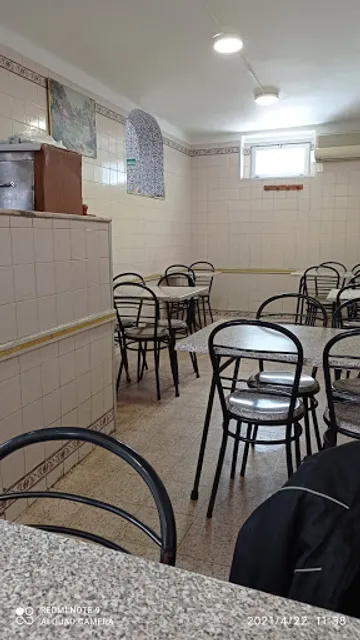
A Redentora
4.4
(174)
Open until 12:00 AM
Click for details
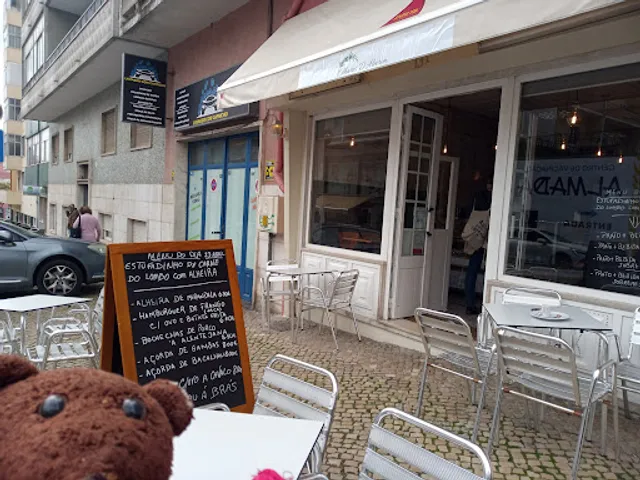
Olhares D´Alecrim
4.8
(150)
Open until 12:00 AM
Click for details

Jazz pizzeria
4.5
(46)
Open until 12:00 AM
Click for details
Nearby local services of Quinta da Arealva
Museu de Almada Naval
Largo José Alaiz 42
Musée médiéval

Museu de Almada Naval
4.3
(81)
Click for details
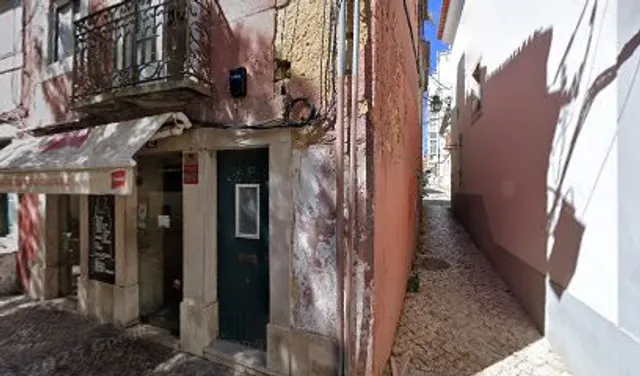
Largo José Alaiz 42
4.9
(236)
Click for details
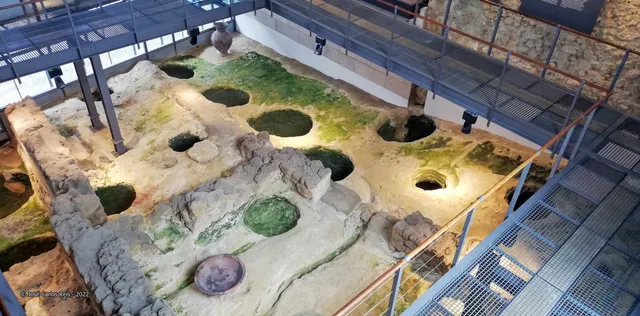
Musée médiéval
4.3
(29)
Click for details