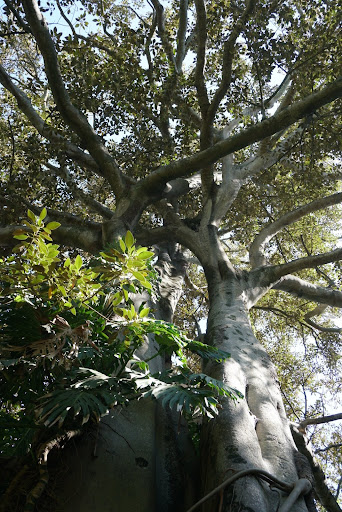
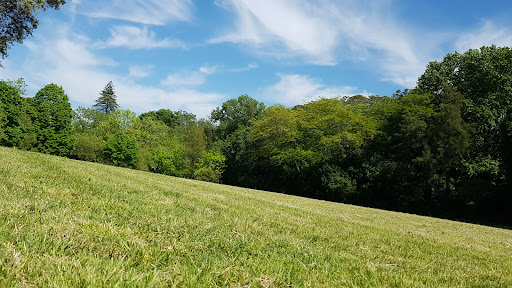
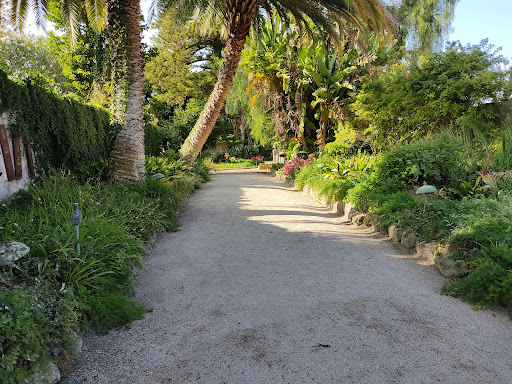
Parque Botânico do Monteiro-Mor things to do, attractions, restaurants, events info and trip planning

Basic Info
Parque Botânico do Monteiro-Mor
Largo Júlio Castilho, 1600-483 Lisboa, Portugal
4.5(484)
Closed
Save
spot
spot
Ratings & Description
Info
Outdoor
Relaxation
Scenic
Family friendly
Accessibility
attractions: Museum of Theater and Dance, Garden Quinta de Santa Clara, restaurants: Tasca do João, O Loureiro, Cova Funda, Toledo, Jazz Cafe - Lisboa, Pastelaria Santo António, Caracol do Bairro, Lisbonne Caffé, Os Compadres, Gardens, local businesses: Costume Museum, Mercado do Lumiar, Folhas de louro, ALDI Telheiras, Kiosk Santa Clara
 Learn more insights from Wanderboat AI.
Phone
+351 21 756 7620
Website
informacoeseservicos.lisboa.pt
Open hoursSee all hours
Sat10 AM - 1 PM, 2 - 6 PMClosed
Plan your stay

Pet-friendly Hotels in Lisbon
Find a cozy hotel nearby and make it a full experience.

Affordable Hotels in Lisbon
Find a cozy hotel nearby and make it a full experience.

The Coolest Hotels You Haven't Heard Of (Yet)
Find a cozy hotel nearby and make it a full experience.

Trending Stays Worth the Hype in Lisbon
Find a cozy hotel nearby and make it a full experience.
Reviews
Live events
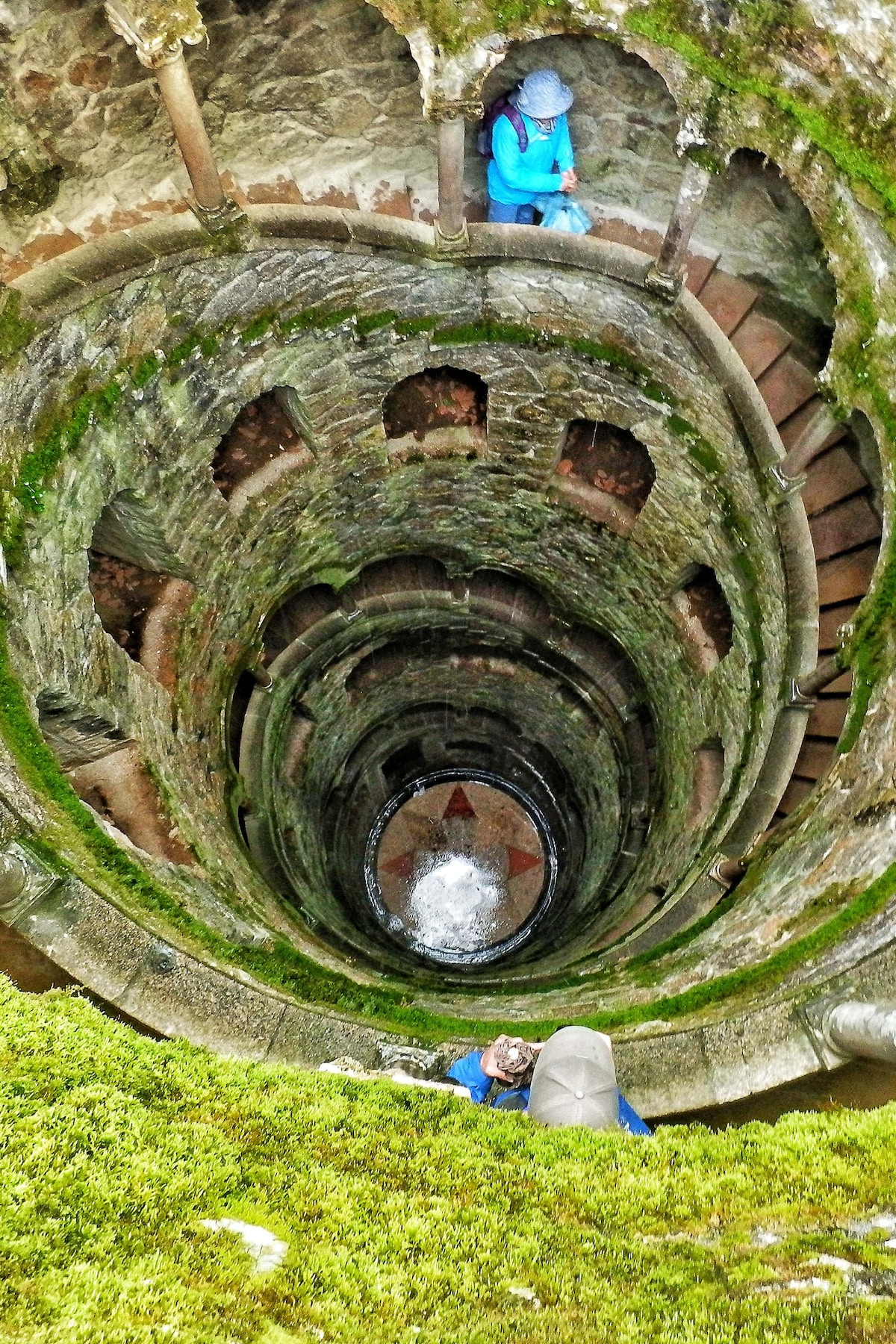
Sintra Tour from Lisbon - The True Experience
Sun, Feb 8 • 8:45 AM
1249-970, Lisbon, Portugal
View details

Bake Pastel de Nata in a real bakery in Lisbon
Sun, Feb 8 • 10:00 AM
1100-581, Lisbon, Portugal
View details
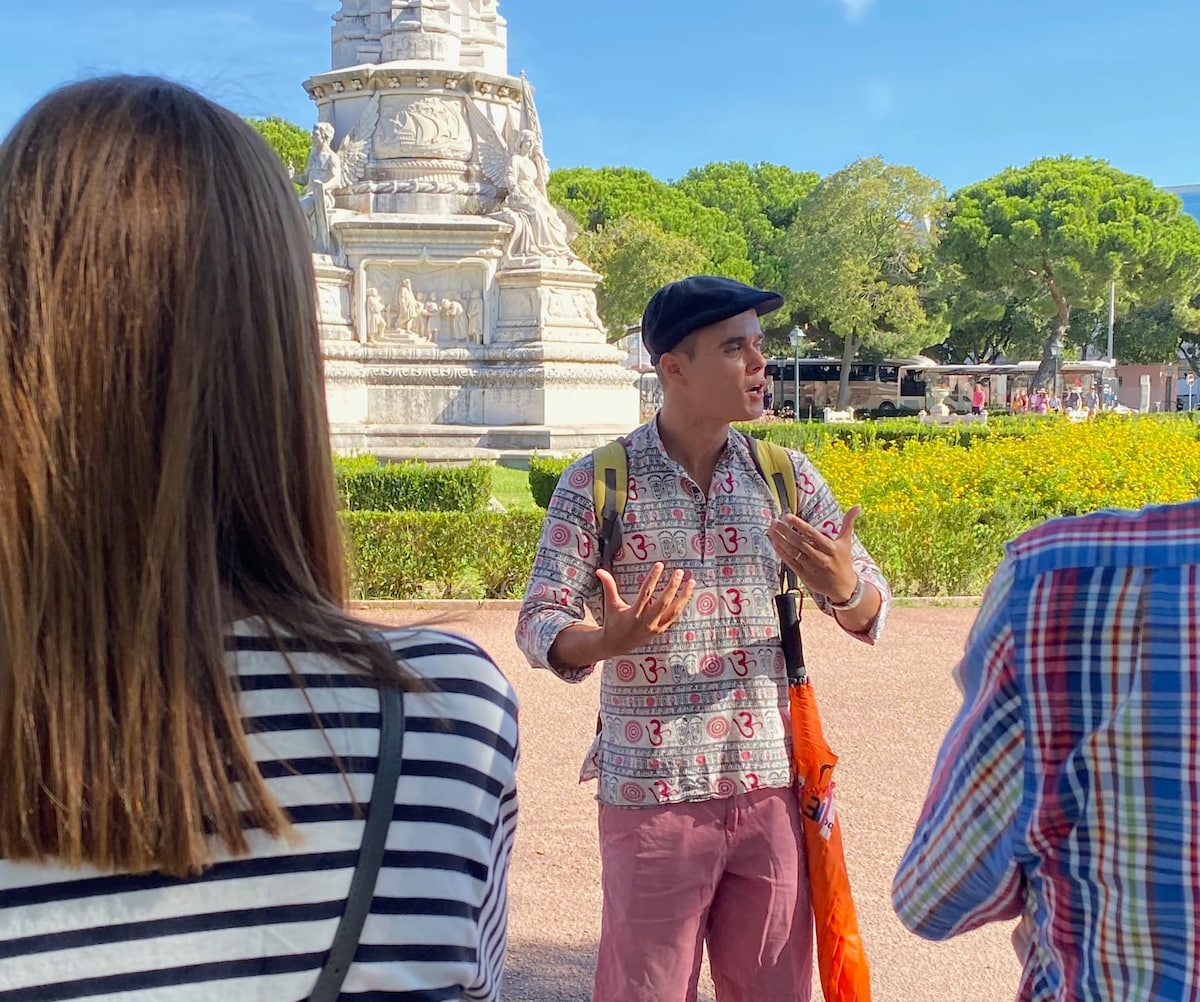
Discover Lisbons heart
Sun, Feb 8 • 10:00 AM
1100-148, Lisbon, Portugal
View details
Nearby attractions of Parque Botânico do Monteiro-Mor
Museum of Theater and Dance
Garden Quinta de Santa Clara
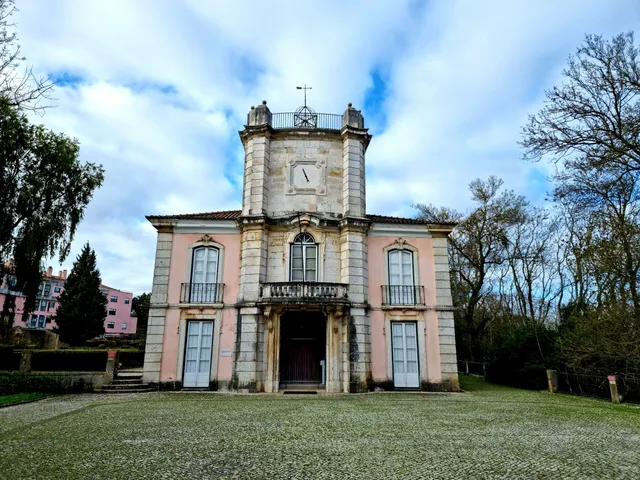
Museum of Theater and Dance
4.3
(355)
Open 24 hours
Click for details
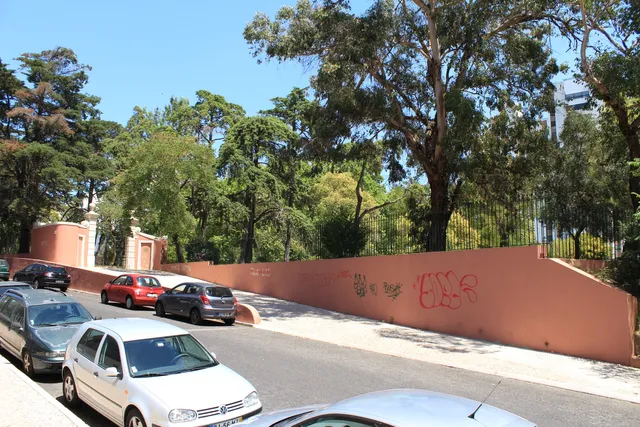
Garden Quinta de Santa Clara
4.4
(652)
Open until 11:00 PM
Click for details
Nearby restaurants of Parque Botânico do Monteiro-Mor
Tasca do João
O Loureiro
Cova Funda
Toledo
Jazz Cafe - Lisboa
Pastelaria Santo António
Caracol do Bairro
Lisbonne Caffé
Os Compadres
Gardens
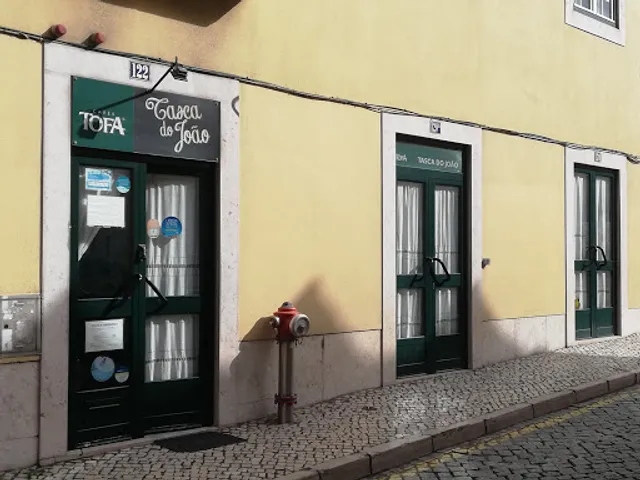
Tasca do João
4.3
(159)
$$
Open until 10:30 PM
Click for details

O Loureiro
4.3
(201)
Open until 10:00 PM
Click for details
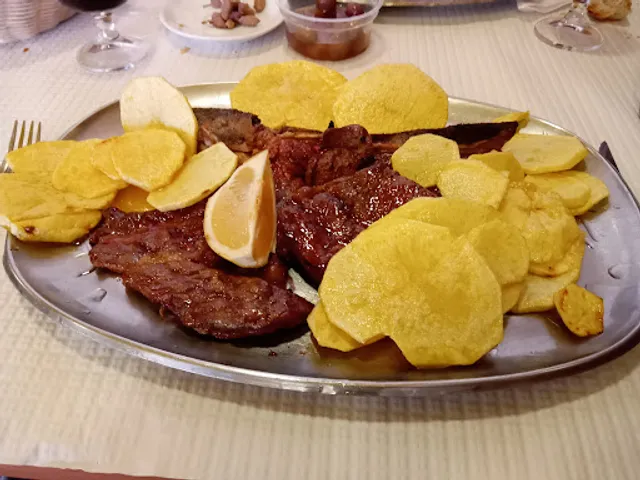
Cova Funda
4.5
(72)
Click for details
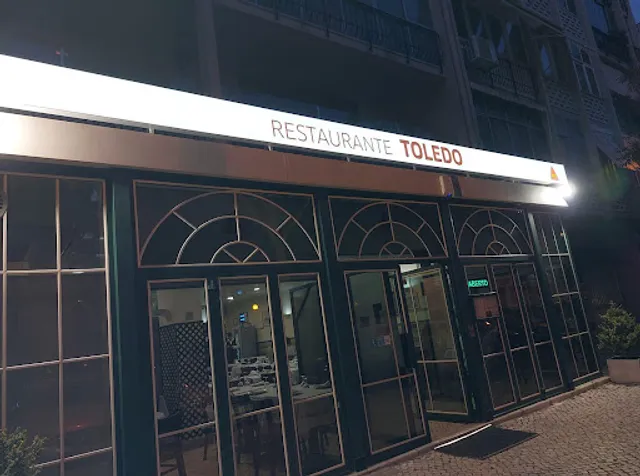
Toledo
4.1
(234)
Open until 12:00 AM
Click for details
Nearby local services of Parque Botânico do Monteiro-Mor
Costume Museum
Mercado do Lumiar
Folhas de louro
ALDI Telheiras
Kiosk Santa Clara
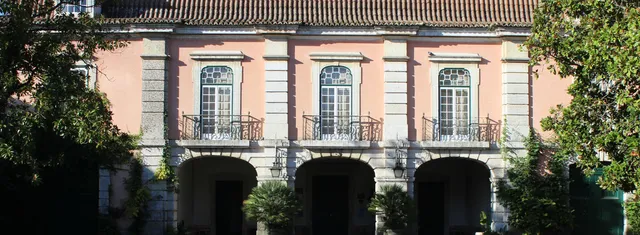
Costume Museum
4.4
(574)
Click for details
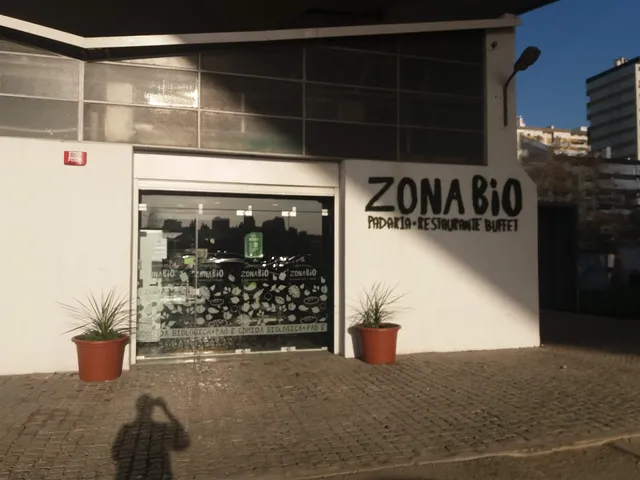
Mercado do Lumiar
4.0
(586)
Click for details
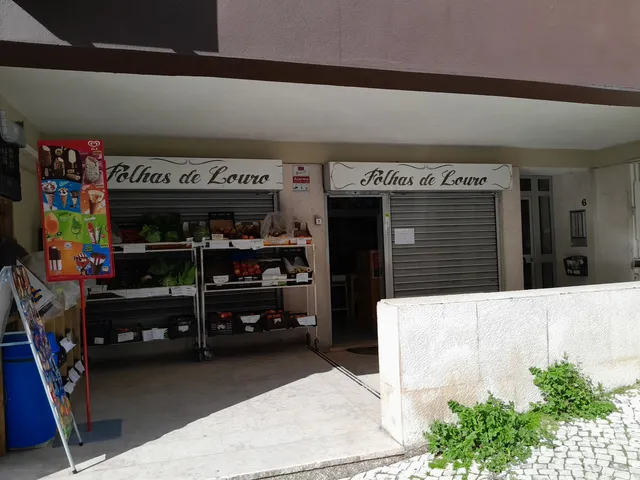
Folhas de louro
4.0
(43)
Click for details

ALDI Telheiras
4.2
(1.1K)
Click for details