HTML SitemapExplore
logo
Find Things to DoFind The Best Restaurants

Salinas de Rio Maior — Attraction in Rio Maior

Name
Salinas de Rio Maior
Description
Nearby attractions
Sal Sem Mar
Estr. das Salinas 13, 2040-133 Rio Maior, Portugal
Nearby restaurants
Restaurante Churrasqueira Solar do Sal
da, Estr. das Salinas, Portugal
SALARIUM
Rua Principal Marinhas do Sal, N 21, 2040-133 Rio Maior, Portugal
Taberna 1865
Rua Principal das Salinas 28, 2040-133 Rio Maior, Portugal
Nearby hotels
Solar do Sal Alojamento
R. Carniceira Marinhais do Sal, Rio Maior, Portugal
Related posts
Keywords
Salinas de Rio Maior tourism.Salinas de Rio Maior hotels.Salinas de Rio Maior bed and breakfast. flights to Salinas de Rio Maior.Salinas de Rio Maior attractions.Salinas de Rio Maior restaurants.Salinas de Rio Maior travel.Salinas de Rio Maior travel guide.Salinas de Rio Maior travel blog.Salinas de Rio Maior pictures.Salinas de Rio Maior photos.Salinas de Rio Maior travel tips.Salinas de Rio Maior maps.Salinas de Rio Maior things to do.
Salinas de Rio Maior things to do, attractions, restaurants, events info and trip planning
Salinas de Rio Maior
PortugalRio MaiorSalinas de Rio Maior

Basic Info

Salinas de Rio Maior

Estr. das Salinas 47, 2040-133 Rio Maior, Portugal
4.6(4.2K)
Open 24 hours
Save
spot

Ratings & Description

Info

Cultural
Outdoor
Family friendly
attractions: Sal Sem Mar, restaurants: Restaurante Churrasqueira Solar do Sal, SALARIUM, Taberna 1865
logoLearn more insights from Wanderboat AI.
Phone
+351 243 991 121
Website
localo.site

Plan your stay

hotel
Pet-friendly Hotels in Rio Maior
Find a cozy hotel nearby and make it a full experience.
hotel
Affordable Hotels in Rio Maior
Find a cozy hotel nearby and make it a full experience.
hotel
The Coolest Hotels You Haven't Heard Of (Yet)
Find a cozy hotel nearby and make it a full experience.
hotel
Trending Stays Worth the Hype in Rio Maior
Find a cozy hotel nearby and make it a full experience.

Reviews

Nearby attractions of Salinas de Rio Maior

Sal Sem Mar

Sal Sem Mar

Sal Sem Mar

4.8

(11)

Open 24 hours
Click for details

Things to do nearby

Medieval Tales of Óbidos
Wed, Dec 10 • 2:30 PM
2510, Óbidos, Portugal
View details
Surf Portugal’s waves with a personal coach
Wed, Dec 10 • 8:30 AM
2450-159, Nazaré, Portugal
View details
Nazaré Best Beaches
Nazaré Best Beaches
Thu, Dec 11 • 10:00 AM
2450-199, Nazaré, Portugal
View details

Nearby restaurants of Salinas de Rio Maior

Restaurante Churrasqueira Solar do Sal

SALARIUM

Taberna 1865

Restaurante Churrasqueira Solar do Sal

Restaurante Churrasqueira Solar do Sal

4.5

(667)

Click for details
SALARIUM

SALARIUM

4.3

(318)

$$

Click for details
Taberna 1865

Taberna 1865

4.7

(54)

Click for details
Get the Appoverlay
Get the AppOne tap to find yournext favorite spots!
Wanderboat LogoWanderboat

Your everyday Al companion for getaway ideas

CompanyAbout Us
InformationAI Trip PlannerSitemap
SocialXInstagramTiktokLinkedin
LegalTerms of ServicePrivacy Policy

Get the app

© 2025 Wanderboat. All rights reserved.
logo

Reviews of Salinas de Rio Maior

4.6
(4,181)
avatar
5.0
29w

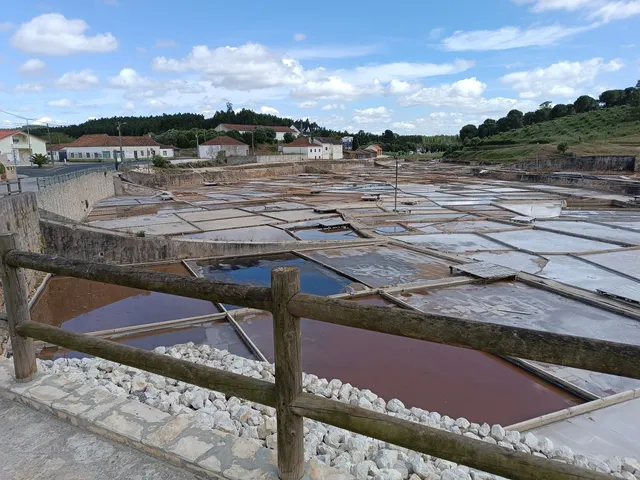
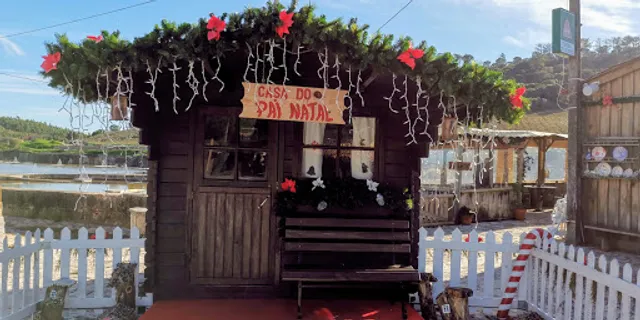
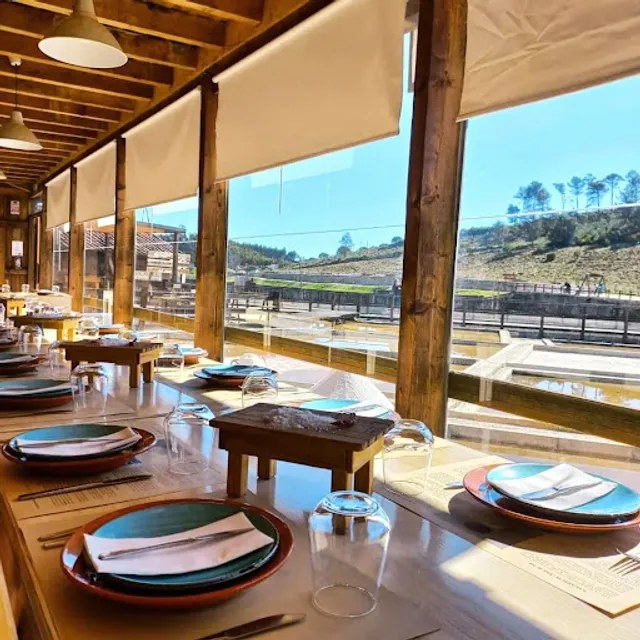
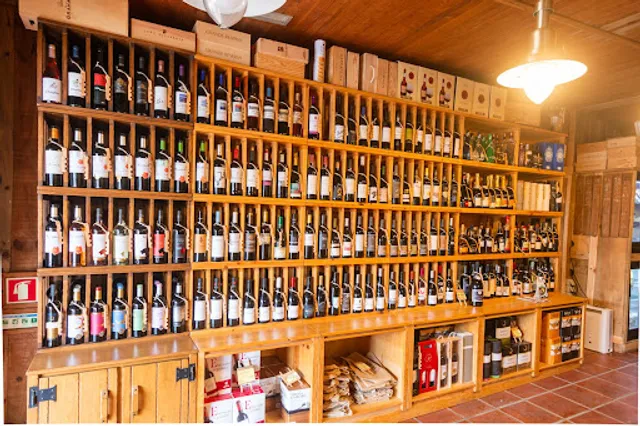
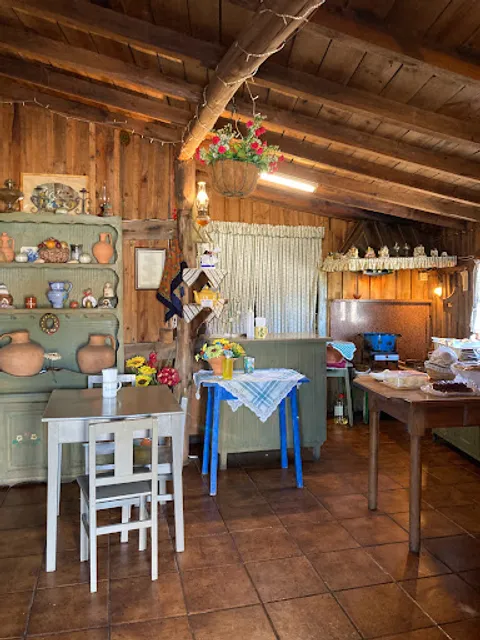
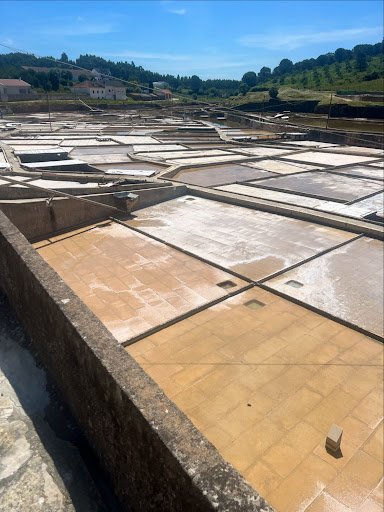
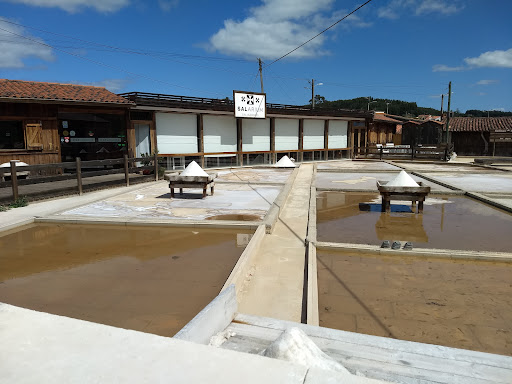
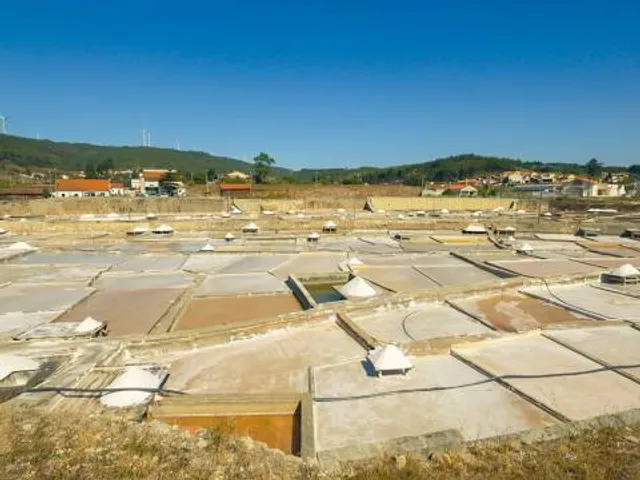
Category: Attraction. What a great discovery! Staying at the Quinta da Lapa winery (see my review), we were looking for something to do until our winery tour started at 4pm. We were told about this village, where they have been extracting sea salt from sea water since 1177 (yes, the year 1177). We were also told that despite almost 900 years of operation, they were not extracting salt that day because it had recently rained 😂, but that there are restaurants and shops where we could buy the local salt. Despite the salt flats’ dormancy, we went anyway (about a 30 minute drive), motivated by the prospect of buying the local salt. Really glad we did. We had a great afternoon there. The expansive salt ponds/flats reminded me a little of the leather tannery in Fez, Morocco, without the colors. The flats were mostly dormant that day, but we got the idea of how the extraction happens, and there were a few pyramids of salt (tiny pyramids, not like Khufu in Giza), which is how they gather the evaporated salt. After viewing the salt flats, we explored the village, which has one short, narrow main drag lined on both sides with very old, very weathered wooden sheds that were formerly used to store salt. Now they are shops and restaurants, and the street reminded me a little of similar narrow streets of very old weathered wooden shops in Japan, the kind sometimes shown in Japanese woodblock prints depicting such shops on snowy nights, and used on Christmas cards. We explored each shop along the street before settling on one of the several restaurants for lunch (Taberna 1865, see my review). Most of them sell — wait for it — the local salt, along with a wide selection of other goods, such as salt products, local olive oil and wine, ceramics and pottery, cork ware, cooking and serving wares, woodworking, and art. After exploring for about 2 hours, we had lunch, talking about how happy we were that we discovered this unusual place. Is it for tourists? Yes, but it was very different and unexpected, and we enjoyed our time here very much. And yes, we bought some salt, both for ourselves and to give as gifts. YouTube’s...

   Read more
avatar
5.0
6y

What a fascinating place!! We got a 'personal tour / explanation' from a great guy named Jose (sorry that I don't have Portuguese punctuation on my phone) whose family has been I solved for generations. Documents dated 1177 show that this area has been producing salt since at least that time. Historical digs indicate that this has been going on since Roman times so maybe 1900 years!!! We were here on a Wednesday (or Quarta-Feira in Portuguese) in early April and the place was almost empty. We were able to engage with some of the shopkeepers in our very limited Portuguese. Then, one young man stepped out from behind his counter (at Salarium) and engaged us in very good English. Being a slow day, he was able to give us his (mostly) undivided attention and a very nice lesson on the history and workings of the salt production here.

Well worth a trip, we will go back again to enjoy a meal at their family's restaurant (which is closed on Wednesday...

   Read more
avatar
5.0
1y

Well worth a visit.

The only inland salt pans in Portugal, and the only ones in full operation in Europe. The first reference to their existence dates back to 1177. All the old warehouses are made of wood, and converted to use as shops and restaurants now, but still with wooden locks and keys to avoid corrosion from the salt. Attractive.

Nice cafes and shops. We stopped for coffee and a pastry and some ice cream. Friendly staff.

Information and history of the site is spread about, but pretty good if you read the information boards, which offer Portuguese, French and English.

We didn't pay for tickets or guided tour or anything. I gather there are guided tour options. It was very quiet when we went. No salt being harvested but it's not high summer. Many/most shops shut out of season on a Friday, but we really enjoyed our...

   Read more
Page 1 of 7
Previous
Next

Posts

John Hornick Chef’s ApprenticeJohn Hornick Chef’s Apprentice
Category: Attraction. What a great discovery! Staying at the Quinta da Lapa winery (see my review), we were looking for something to do until our winery tour started at 4pm. We were told about this village, where they have been extracting sea salt from sea water since 1177 (yes, the year 1177). We were also told that despite almost 900 years of operation, they were not extracting salt that day because it had recently rained 😂, but that there are restaurants and shops where we could buy the local salt. Despite the salt flats’ dormancy, we went anyway (about a 30 minute drive), motivated by the prospect of buying the local salt. Really glad we did. We had a great afternoon there. The expansive salt ponds/flats reminded me a little of the leather tannery in Fez, Morocco, without the colors. The flats were mostly dormant that day, but we got the idea of how the extraction happens, and there were a few pyramids of salt (tiny pyramids, not like Khufu in Giza), which is how they gather the evaporated salt. After viewing the salt flats, we explored the village, which has one short, narrow main drag lined on both sides with very old, very weathered wooden sheds that were formerly used to store salt. Now they are shops and restaurants, and the street reminded me a little of similar narrow streets of very old weathered wooden shops in Japan, the kind sometimes shown in Japanese woodblock prints depicting such shops on snowy nights, and used on Christmas cards. We explored each shop along the street before settling on one of the several restaurants for lunch (Taberna 1865, see my review). Most of them sell — wait for it — the local salt, along with a wide selection of other goods, such as salt products, local olive oil and wine, ceramics and pottery, cork ware, cooking and serving wares, woodworking, and art. After exploring for about 2 hours, we had lunch, talking about how happy we were that we discovered this unusual place. Is it for tourists? Yes, but it was very different and unexpected, and we enjoyed our time here very much. And yes, we bought some salt, both for ourselves and to give as gifts. YouTube’s Chef’s Apprentice
Jay YambrovichJay Yambrovich
What a fascinating place!! We got a 'personal tour / explanation' from a great guy named Jose (sorry that I don't have Portuguese punctuation on my phone) whose family has been I solved for generations. Documents dated 1177 show that this area has been producing salt since at least that time. Historical digs indicate that this has been going on since Roman times so maybe 1900 years!!! We were here on a Wednesday (or Quarta-Feira in Portuguese) in early April and the place was almost empty. We were able to engage with some of the shopkeepers in our very limited Portuguese. Then, one young man stepped out from behind his counter (at Salarium) and engaged us in very good English. Being a slow day, he was able to give us his (mostly) undivided attention and a very nice lesson on the history and workings of the salt production here. Well worth a trip, we will go back again to enjoy a meal at their family's restaurant (which is closed on Wednesday by the way).
Lewis KingLewis King
Well worth a visit. The only inland salt pans in Portugal, and the only ones in full operation in Europe. The first reference to their existence dates back to 1177. All the old warehouses are made of wood, and converted to use as shops and restaurants now, but still with wooden locks and keys to avoid corrosion from the salt. Attractive. Nice cafes and shops. We stopped for coffee and a pastry and some ice cream. Friendly staff. Information and history of the site is spread about, but pretty good if you read the information boards, which offer Portuguese, French and English. We didn't pay for tickets or guided tour or anything. I gather there are guided tour options. It was very quiet when we went. No salt being harvested but it's not high summer. Many/most shops shut out of season on a Friday, but we really enjoyed our brief visit.
See more posts
See more posts
hotel
Find your stay

Pet-friendly Hotels in Rio Maior

Find a cozy hotel nearby and make it a full experience.

Category: Attraction. What a great discovery! Staying at the Quinta da Lapa winery (see my review), we were looking for something to do until our winery tour started at 4pm. We were told about this village, where they have been extracting sea salt from sea water since 1177 (yes, the year 1177). We were also told that despite almost 900 years of operation, they were not extracting salt that day because it had recently rained 😂, but that there are restaurants and shops where we could buy the local salt. Despite the salt flats’ dormancy, we went anyway (about a 30 minute drive), motivated by the prospect of buying the local salt. Really glad we did. We had a great afternoon there. The expansive salt ponds/flats reminded me a little of the leather tannery in Fez, Morocco, without the colors. The flats were mostly dormant that day, but we got the idea of how the extraction happens, and there were a few pyramids of salt (tiny pyramids, not like Khufu in Giza), which is how they gather the evaporated salt. After viewing the salt flats, we explored the village, which has one short, narrow main drag lined on both sides with very old, very weathered wooden sheds that were formerly used to store salt. Now they are shops and restaurants, and the street reminded me a little of similar narrow streets of very old weathered wooden shops in Japan, the kind sometimes shown in Japanese woodblock prints depicting such shops on snowy nights, and used on Christmas cards. We explored each shop along the street before settling on one of the several restaurants for lunch (Taberna 1865, see my review). Most of them sell — wait for it — the local salt, along with a wide selection of other goods, such as salt products, local olive oil and wine, ceramics and pottery, cork ware, cooking and serving wares, woodworking, and art. After exploring for about 2 hours, we had lunch, talking about how happy we were that we discovered this unusual place. Is it for tourists? Yes, but it was very different and unexpected, and we enjoyed our time here very much. And yes, we bought some salt, both for ourselves and to give as gifts. YouTube’s Chef’s Apprentice
John Hornick Chef’s Apprentice

John Hornick Chef’s Apprentice

hotel
Find your stay

Affordable Hotels in Rio Maior

Find a cozy hotel nearby and make it a full experience.

Get the Appoverlay
Get the AppOne tap to find yournext favorite spots!
What a fascinating place!! We got a 'personal tour / explanation' from a great guy named Jose (sorry that I don't have Portuguese punctuation on my phone) whose family has been I solved for generations. Documents dated 1177 show that this area has been producing salt since at least that time. Historical digs indicate that this has been going on since Roman times so maybe 1900 years!!! We were here on a Wednesday (or Quarta-Feira in Portuguese) in early April and the place was almost empty. We were able to engage with some of the shopkeepers in our very limited Portuguese. Then, one young man stepped out from behind his counter (at Salarium) and engaged us in very good English. Being a slow day, he was able to give us his (mostly) undivided attention and a very nice lesson on the history and workings of the salt production here. Well worth a trip, we will go back again to enjoy a meal at their family's restaurant (which is closed on Wednesday by the way).
Jay Yambrovich

Jay Yambrovich

hotel
Find your stay

The Coolest Hotels You Haven't Heard Of (Yet)

Find a cozy hotel nearby and make it a full experience.

hotel
Find your stay

Trending Stays Worth the Hype in Rio Maior

Find a cozy hotel nearby and make it a full experience.

Well worth a visit. The only inland salt pans in Portugal, and the only ones in full operation in Europe. The first reference to their existence dates back to 1177. All the old warehouses are made of wood, and converted to use as shops and restaurants now, but still with wooden locks and keys to avoid corrosion from the salt. Attractive. Nice cafes and shops. We stopped for coffee and a pastry and some ice cream. Friendly staff. Information and history of the site is spread about, but pretty good if you read the information boards, which offer Portuguese, French and English. We didn't pay for tickets or guided tour or anything. I gather there are guided tour options. It was very quiet when we went. No salt being harvested but it's not high summer. Many/most shops shut out of season on a Friday, but we really enjoyed our brief visit.
Lewis King

Lewis King

See more posts
See more posts