HTML SitemapExplore
logo
Find Things to DoFind The Best Restaurants

Voronet Monastery — Attraction in Gura Humorului

Name
Voronet Monastery
Description
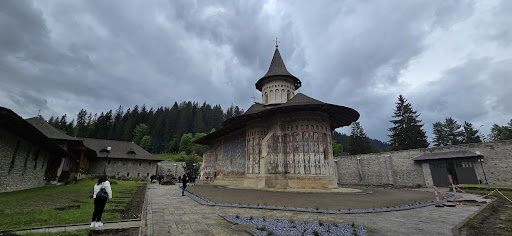
The Voroneț Monastery is a medieval monastery in the Romanian village of Voroneț, now a part of the town Gura Humorului. It is one of the famous painted monasteries from southern Bukovina, in Suceava County.
Nearby attractions
Nearby restaurants
Nearby hotels
Popasul Domnesc Resort & Spa Voronet Vue
Strada Voroneț 152, Voroneț 725301, Romania
Cabana "Chalet Voroneț"
Strada Voroneț nr. 215, Voroneț 725301, Romania
Perla Bucovinei
Oras Gura Humorului, Voronet152, Voronet 152 B, Gura Humorului 725301, Romania
Varvara de Bucovina
Strada Voroneț 521, Voroneț 725301, Romania
Blumenhof
Strada Voroneț, Voroneț 725301, Romania
Vila Eliza
DJ177D 176, Voroneț 725301, Romania
Doina
Strada Voroneț, Voroneț 725301, Romania
Alin
Strada Voroneț nr. 281, Voroneț 725301, Romania
Acasa in Voronskaya
Strada Voroneț, Voroneț 725301, Romania
Pensiunea La Ancuta-n Bucovina
Strada Voroneț 301A, Voroneț 725301, Romania
Related posts
Keywords
Voronet Monastery tourism.Voronet Monastery hotels.Voronet Monastery bed and breakfast. flights to Voronet Monastery.Voronet Monastery attractions.Voronet Monastery restaurants.Voronet Monastery travel.Voronet Monastery travel guide.Voronet Monastery travel blog.Voronet Monastery pictures.Voronet Monastery photos.Voronet Monastery travel tips.Voronet Monastery maps.Voronet Monastery things to do.
Voronet Monastery things to do, attractions, restaurants, events info and trip planning
Voronet Monastery
RomaniaSuceavaGura HumoruluiVoronet Monastery

Basic Info

Voronet Monastery

Strada Voroneț 166, Voroneț 725301, Romania
4.6(7.5K)
Closed
Save
spot

Ratings & Description

Info

The Voroneț Monastery is a medieval monastery in the Romanian village of Voroneț, now a part of the town Gura Humorului. It is one of the famous painted monasteries from southern Bukovina, in Suceava County.

Cultural
Scenic
attractions: , restaurants:
logoLearn more insights from Wanderboat AI.
Website
manastireavoronet.ro
Open hoursSee all hours
Sat9 AM - 8 PMClosed

Plan your stay

hotel
Pet-friendly Hotels in Gura Humorului
Find a cozy hotel nearby and make it a full experience.
hotel
Affordable Hotels in Gura Humorului
Find a cozy hotel nearby and make it a full experience.
hotel
The Coolest Hotels You Haven't Heard Of (Yet)
Find a cozy hotel nearby and make it a full experience.
hotel
Trending Stays Worth the Hype in Gura Humorului
Find a cozy hotel nearby and make it a full experience.

Reviews

Get the Appoverlay
Get the AppOne tap to find yournext favorite spots!
Wanderboat LogoWanderboat

Your everyday Al companion for getaway ideas

CompanyAbout Us
InformationAI Trip PlannerSitemap
SocialXInstagramTiktokLinkedin
LegalTerms of ServicePrivacy Policy

Get the app

© 2025 Wanderboat. All rights reserved.
logo

Reviews of Voronet Monastery

4.6
(7,461)
avatar
5.0
28w

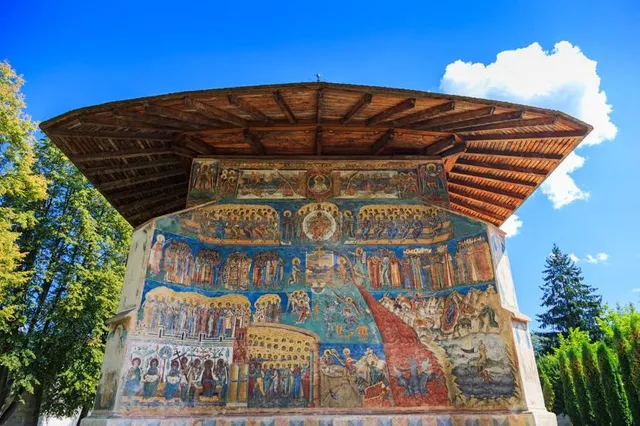
Voroneț Monastery, often hailed as the "Sistine Chapel of the East," is arguably the most renowned of Bucovina's painted monasteries and a well-deserved UNESCO World Heritage site. What immediately strikes visitors is the extraordinary "Voroneț Blue," a unique and vibrant hue that dominates its exterior frescoes. The precise composition of this pigment remains a mystery, adding to the monastery's allure. Built by Stephen the Great in a remarkably short period in 1488, Voroneț is a testament to both rapid construction and enduring artistry. The most captivating feature is the sprawling depiction of the Last Judgment on the western façade, a truly monumental work of art that tells the biblical story with incredible detail and dramatic flair, serving as a powerful visual sermon. Beyond the breathtaking frescoes, Voroneț offers a spiritual and contemplative atmosphere. The harmony of the colors with the surrounding natural landscape is remarkable, and the monastery continues to be an active religious site. For anyone exploring the painted monasteries of Romania, Voroneț is an essential stop, providing a profound insight into Byzantine art, Moldavian history, and the spiritual traditions...

   Read more
avatar
3.0
5y

Went here with my girlfriend in Oct 2020. I will say that I was not particularly impressed by what I found there. I am not a very religious person so please consider this review as a subjective opinion and try to understand my point of view.

So, I do like to visit monasteries and cathedrals, however I was not very impressed by this monastery because I've heard only good things about it on the internet, like it's big and that it's seen as one of the most attractive monasteries in Romania. However, when we got there, we only saw a decently sized construction with faded paintings on the walls.

I get it, it might have a nice history, but from my perspective as a tourist it wasn't impressive.

The entrance fee is cheap, but then again you only get to walk around for about 5 mins to see everything there is to see.

In conclusion, if you are a religious person and you want to see the monastery for it's history, then go. Otherwise, if you expect to see a great construction that will amaze you,...

   Read more
avatar
5.0
2y

Monasterio medieval. Fue construido por Esteban el Grande en 1488 en tres meses y tres semanas para conmemorar la victoria en la Batalla de Vaslui. Denominado a veces la «Capilla Sixtina del Este», los frescos de Voroneț tienen un tono intenso de azul conocido en Rumanía como "azul de Voroneț."

La leyenda del origen de la iglesia une dos hombres fundamentales para la historia de Rumanía: el fundador del monasterio, Esteban el Grande, y San Daniil el Ermitaño, primer abad del monasterio. La tumba de San Daniil está dentro del monasterio.

En 1547, el obispo metropolitano de Moldavia Grigorie Roșca añadió el exonártex al oeste de la iglesia y pintó los muros exteriores. Su contribución está registrada a la izquierda de la puerta de entrada.

Voroneţ era conocido por su escuela de caligrafía, donde los sacerdotes, monjes y frailes aprendían a leer, escribir y traducir textos religiosos. La escuela produjo dos traducciones de la Biblia al rumano: el Código de Voroneţ, descubierto en 1871, y el Salterio de Voroneţ, encontrado en 1882. Estos libros están ahora en la Academia Rumana.

El monasterio fue abandonado poco después de 1775, cuando la monarquía de Habsburgo anexionó el norte de Moldavia. La comunidad monástica volvió a Voroneţ en 1991. Desde su vuelta, los que vivían en el monasterio construyeron viviendas para las monjas residentes, una capilla, fuentes, establos, graneros, y una vivienda para peregrinos.

El katholikón (iglesia principal) de San Jorge del Monasterio de Voroneț es probablemente la iglesia más famosa de Rumanía. Es conocida en todo el mundo por sus frescos exteriores de colores brillantes e intensos, y por los cientos de figuras bien conservadas situadas en un fondo de azurita. Las pequeñas ventanas, sus marcos rectangulares de barras cruzadas y los arcos apuntados o adintelados de los marcos de las puertas interiores son de estilo gótico. Las puertas sur y norte del exonártex de 1547 tienen marcos rectangulares, que indican un período de transición del gótico al Renacimiento. Pero, encima de ellos, en cada pared hay una ventana alta con un arco gótico flamígero. Toda la fachada oeste no tiene ninguna apertura, lo que indica que la intención del Metropolitano Roșca fue desde el comienzo reservarla para frescos.

En la fachada norte todavía es visible la decoración original de la iglesia: hileras de discos de cerámica esmaltada en amarillo, marrón y verde, decoradas en relieve. Estos incluyen motivos heráldicos, como el león rampante y la cabeza de uro del escudo de Moldavia, y criaturas inspiradas en la liteatura medieval de Europa Occidental, como sirenas con dos colas. La torre está decorada con dieciséis hornacinas altas, en cuatro de las cuales hay ventanas. Por encima de ellas, otra hilera de hornacinas pequeñas rodea la torre. El techo fragmentado probablemente tiene la forma del techo original, que fue realizado sin...

   Read more
Page 1 of 7
Previous
Next

Posts

Robert BadeaRobert Badea
Voroneț Monastery, often hailed as the "Sistine Chapel of the East," is arguably the most renowned of Bucovina's painted monasteries and a well-deserved UNESCO World Heritage site. What immediately strikes visitors is the extraordinary "Voroneț Blue," a unique and vibrant hue that dominates its exterior frescoes. The precise composition of this pigment remains a mystery, adding to the monastery's allure. Built by Stephen the Great in a remarkably short period in 1488, Voroneț is a testament to both rapid construction and enduring artistry. The most captivating feature is the sprawling depiction of the Last Judgment on the western façade, a truly monumental work of art that tells the biblical story with incredible detail and dramatic flair, serving as a powerful visual sermon. Beyond the breathtaking frescoes, Voroneț offers a spiritual and contemplative atmosphere. The harmony of the colors with the surrounding natural landscape is remarkable, and the monastery continues to be an active religious site. For anyone exploring the painted monasteries of Romania, Voroneț is an essential stop, providing a profound insight into Byzantine art, Moldavian history, and the spiritual traditions of the region.
LDGPJCSFLDGPJCSF
Monasterio medieval. Fue construido por Esteban el Grande en 1488 en tres meses y tres semanas para conmemorar la victoria en la Batalla de Vaslui. Denominado a veces la «Capilla Sixtina del Este», los frescos de Voroneț tienen un tono intenso de azul conocido en Rumanía como "azul de Voroneț." La leyenda del origen de la iglesia une dos hombres fundamentales para la historia de Rumanía: el fundador del monasterio, Esteban el Grande, y San Daniil el Ermitaño, primer abad del monasterio. La tumba de San Daniil está dentro del monasterio. En 1547, el obispo metropolitano de Moldavia Grigorie Roșca añadió el exonártex al oeste de la iglesia y pintó los muros exteriores. Su contribución está registrada a la izquierda de la puerta de entrada. Voroneţ era conocido por su escuela de caligrafía, donde los sacerdotes, monjes y frailes aprendían a leer, escribir y traducir textos religiosos. La escuela produjo dos traducciones de la Biblia al rumano: el Código de Voroneţ, descubierto en 1871, y el Salterio de Voroneţ, encontrado en 1882. Estos libros están ahora en la Academia Rumana. El monasterio fue abandonado poco después de 1775, cuando la monarquía de Habsburgo anexionó el norte de Moldavia. La comunidad monástica volvió a Voroneţ en 1991. Desde su vuelta, los que vivían en el monasterio construyeron viviendas para las monjas residentes, una capilla, fuentes, establos, graneros, y una vivienda para peregrinos. El katholikón (iglesia principal) de San Jorge del Monasterio de Voroneț es probablemente la iglesia más famosa de Rumanía. Es conocida en todo el mundo por sus frescos exteriores de colores brillantes e intensos, y por los cientos de figuras bien conservadas situadas en un fondo de azurita. Las pequeñas ventanas, sus marcos rectangulares de barras cruzadas y los arcos apuntados o adintelados de los marcos de las puertas interiores son de estilo gótico. Las puertas sur y norte del exonártex de 1547 tienen marcos rectangulares, que indican un período de transición del gótico al Renacimiento. Pero, encima de ellos, en cada pared hay una ventana alta con un arco gótico flamígero. Toda la fachada oeste no tiene ninguna apertura, lo que indica que la intención del Metropolitano Roșca fue desde el comienzo reservarla para frescos. En la fachada norte todavía es visible la decoración original de la iglesia: hileras de discos de cerámica esmaltada en amarillo, marrón y verde, decoradas en relieve. Estos incluyen motivos heráldicos, como el león rampante y la cabeza de uro del escudo de Moldavia, y criaturas inspiradas en la liteatura medieval de Europa Occidental, como sirenas con dos colas. La torre está decorada con dieciséis hornacinas altas, en cuatro de las cuales hay ventanas. Por encima de ellas, otra hilera de hornacinas pequeñas rodea la torre. El techo fragmentado probablemente tiene la forma del techo original, que fue realizado sin duda con tejas.
Diana DorofteiDiana Doroftei
They’ve commercialized the soul out of this place. You’re forced to pay to park and then you walk on an alley filled with merchandise to get to it. They blocked the streets that allow you to get to the monastery without buying all the necessary things that they are selling there. At the gate, they force you to pay 10 Ron to enter based on the fact that it’s a UNESCO site. The tickets are bought inside a small store that becomes a zoo during the weekend. Nuns are focused on selling a lot of merchandise as if they are paid a commission. It ruins the whole experience and so totally not worth it. Especially since this whole experience wasn’t the same as early as 2-3 years ago. The church is beautiful with great paintings but I would never do it again. There are so many other beautiful places to visit in the area that don’t come with this experience focused on profits over faith.
See more posts
See more posts
hotel
Find your stay

Pet-friendly Hotels in Gura Humorului

Find a cozy hotel nearby and make it a full experience.

Voroneț Monastery, often hailed as the "Sistine Chapel of the East," is arguably the most renowned of Bucovina's painted monasteries and a well-deserved UNESCO World Heritage site. What immediately strikes visitors is the extraordinary "Voroneț Blue," a unique and vibrant hue that dominates its exterior frescoes. The precise composition of this pigment remains a mystery, adding to the monastery's allure. Built by Stephen the Great in a remarkably short period in 1488, Voroneț is a testament to both rapid construction and enduring artistry. The most captivating feature is the sprawling depiction of the Last Judgment on the western façade, a truly monumental work of art that tells the biblical story with incredible detail and dramatic flair, serving as a powerful visual sermon. Beyond the breathtaking frescoes, Voroneț offers a spiritual and contemplative atmosphere. The harmony of the colors with the surrounding natural landscape is remarkable, and the monastery continues to be an active religious site. For anyone exploring the painted monasteries of Romania, Voroneț is an essential stop, providing a profound insight into Byzantine art, Moldavian history, and the spiritual traditions of the region.
Robert Badea

Robert Badea

hotel
Find your stay

Affordable Hotels in Gura Humorului

Find a cozy hotel nearby and make it a full experience.

Get the Appoverlay
Get the AppOne tap to find yournext favorite spots!
Monasterio medieval. Fue construido por Esteban el Grande en 1488 en tres meses y tres semanas para conmemorar la victoria en la Batalla de Vaslui. Denominado a veces la «Capilla Sixtina del Este», los frescos de Voroneț tienen un tono intenso de azul conocido en Rumanía como "azul de Voroneț." La leyenda del origen de la iglesia une dos hombres fundamentales para la historia de Rumanía: el fundador del monasterio, Esteban el Grande, y San Daniil el Ermitaño, primer abad del monasterio. La tumba de San Daniil está dentro del monasterio. En 1547, el obispo metropolitano de Moldavia Grigorie Roșca añadió el exonártex al oeste de la iglesia y pintó los muros exteriores. Su contribución está registrada a la izquierda de la puerta de entrada. Voroneţ era conocido por su escuela de caligrafía, donde los sacerdotes, monjes y frailes aprendían a leer, escribir y traducir textos religiosos. La escuela produjo dos traducciones de la Biblia al rumano: el Código de Voroneţ, descubierto en 1871, y el Salterio de Voroneţ, encontrado en 1882. Estos libros están ahora en la Academia Rumana. El monasterio fue abandonado poco después de 1775, cuando la monarquía de Habsburgo anexionó el norte de Moldavia. La comunidad monástica volvió a Voroneţ en 1991. Desde su vuelta, los que vivían en el monasterio construyeron viviendas para las monjas residentes, una capilla, fuentes, establos, graneros, y una vivienda para peregrinos. El katholikón (iglesia principal) de San Jorge del Monasterio de Voroneț es probablemente la iglesia más famosa de Rumanía. Es conocida en todo el mundo por sus frescos exteriores de colores brillantes e intensos, y por los cientos de figuras bien conservadas situadas en un fondo de azurita. Las pequeñas ventanas, sus marcos rectangulares de barras cruzadas y los arcos apuntados o adintelados de los marcos de las puertas interiores son de estilo gótico. Las puertas sur y norte del exonártex de 1547 tienen marcos rectangulares, que indican un período de transición del gótico al Renacimiento. Pero, encima de ellos, en cada pared hay una ventana alta con un arco gótico flamígero. Toda la fachada oeste no tiene ninguna apertura, lo que indica que la intención del Metropolitano Roșca fue desde el comienzo reservarla para frescos. En la fachada norte todavía es visible la decoración original de la iglesia: hileras de discos de cerámica esmaltada en amarillo, marrón y verde, decoradas en relieve. Estos incluyen motivos heráldicos, como el león rampante y la cabeza de uro del escudo de Moldavia, y criaturas inspiradas en la liteatura medieval de Europa Occidental, como sirenas con dos colas. La torre está decorada con dieciséis hornacinas altas, en cuatro de las cuales hay ventanas. Por encima de ellas, otra hilera de hornacinas pequeñas rodea la torre. El techo fragmentado probablemente tiene la forma del techo original, que fue realizado sin duda con tejas.
LDGPJCSF

LDGPJCSF

hotel
Find your stay

The Coolest Hotels You Haven't Heard Of (Yet)

Find a cozy hotel nearby and make it a full experience.

hotel
Find your stay

Trending Stays Worth the Hype in Gura Humorului

Find a cozy hotel nearby and make it a full experience.

They’ve commercialized the soul out of this place. You’re forced to pay to park and then you walk on an alley filled with merchandise to get to it. They blocked the streets that allow you to get to the monastery without buying all the necessary things that they are selling there. At the gate, they force you to pay 10 Ron to enter based on the fact that it’s a UNESCO site. The tickets are bought inside a small store that becomes a zoo during the weekend. Nuns are focused on selling a lot of merchandise as if they are paid a commission. It ruins the whole experience and so totally not worth it. Especially since this whole experience wasn’t the same as early as 2-3 years ago. The church is beautiful with great paintings but I would never do it again. There are so many other beautiful places to visit in the area that don’t come with this experience focused on profits over faith.
Diana Doroftei

Diana Doroftei

See more posts
See more posts