Castillo De La Adrada things to do, attractions, restaurants, events info and trip planning

Basic Info
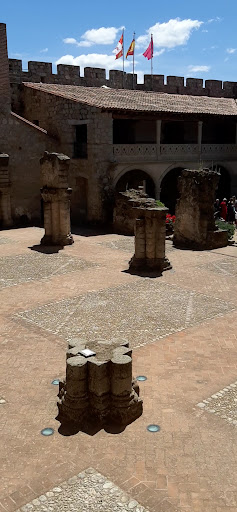
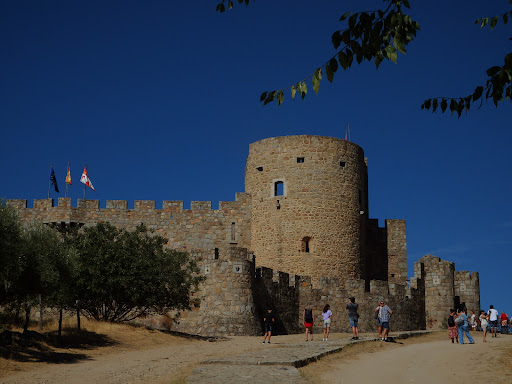
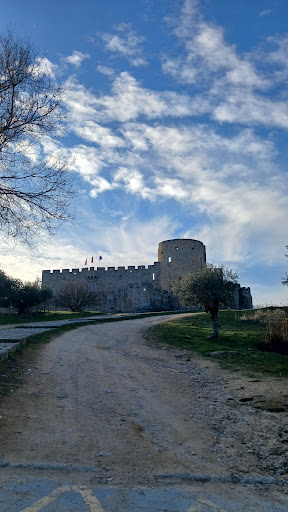
Castillo De La Adrada
05430 La Adrada, Ávila, Spain
4.6(1.1K)
Closed
Save
spot
spot
Ratings & Description
Info
Cultural
Outdoor
Family friendly
attractions: , restaurants: ZEN La Plaza RESTAURANTE-VINOTECA., Restaurante El Aula, Bar Restaurante Avenida, Restaurante El Castillo, La Reguera, Terraza Tiétar el sabor de Andalucía., Pastelería Mainha, Restaurante Bar El Cauce, CANADA BAR, Restaurante Caamaño Ávila, local businesses:
 Learn more insights from Wanderboat AI.
Phone
+34 690 87 31 36
Website
facebook.com
Open hoursSee all hours
Fri10 AM - 3 PMClosed
Plan your stay

Pet-friendly Hotels in La Adrada
Find a cozy hotel nearby and make it a full experience.

Affordable Hotels in La Adrada
Find a cozy hotel nearby and make it a full experience.

The Coolest Hotels You Haven't Heard Of (Yet)
Find a cozy hotel nearby and make it a full experience.

Trending Stays Worth the Hype in La Adrada
Find a cozy hotel nearby and make it a full experience.
Reviews
Nearby restaurants of Castillo De La Adrada
ZEN La Plaza RESTAURANTE-VINOTECA.
Restaurante El Aula
Bar Restaurante Avenida
Restaurante El Castillo
La Reguera
Terraza Tiétar el sabor de Andalucía.
Pastelería Mainha
Restaurante Bar El Cauce
CANADA BAR
Restaurante Caamaño Ávila
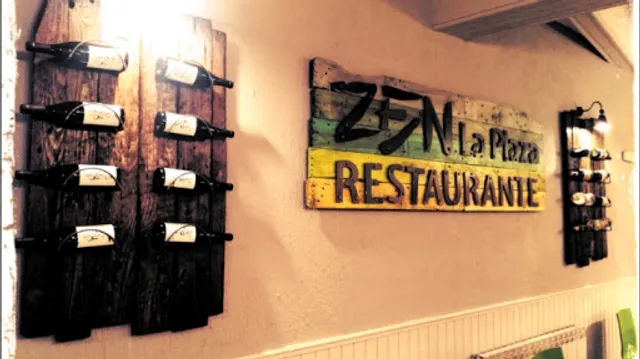
ZEN La Plaza RESTAURANTE-VINOTECA.
4.4
(432)
Closed
Click for details
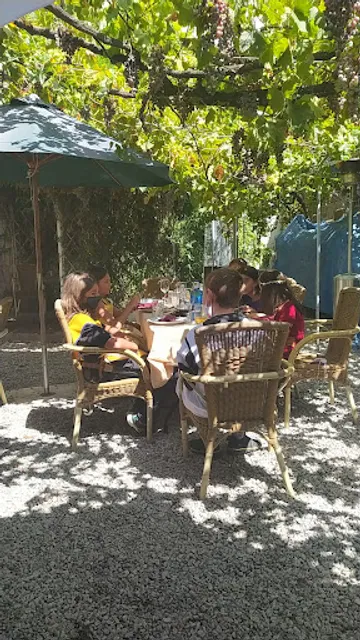
Restaurante El Aula
4.4
(424)
Closed
Click for details
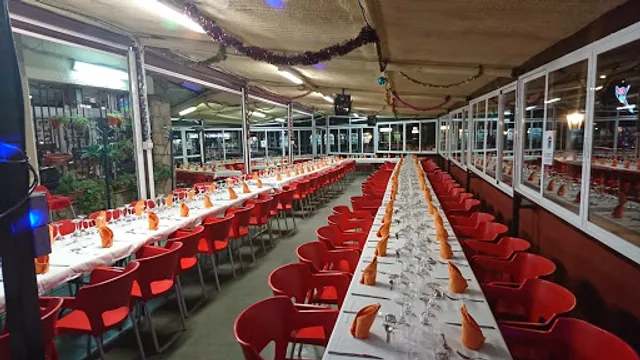
Bar Restaurante Avenida
4.0
(593)
$
Closed
Click for details
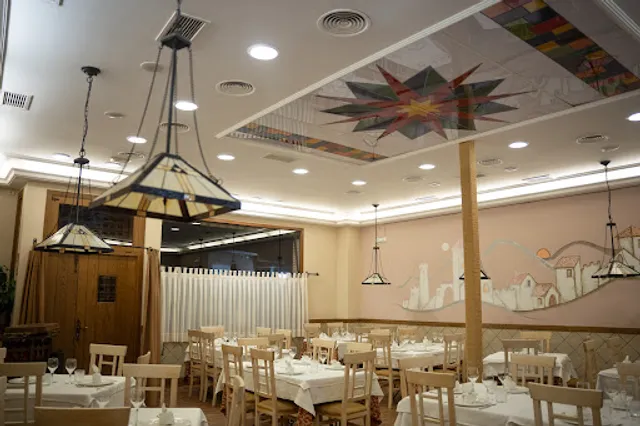
Restaurante El Castillo
4.1
(135)
Open until 12:00 AM
Click for details