HTML SitemapExplore
logo
Find Things to DoFind The Best Restaurants

Atalaya Castle — Attraction in Villena

Name
Atalaya Castle
Description
Atalaya Castle, often known simply as Atalaya, was the winter home of industrialist and philanthropist Archer M. Huntington and his wife, the sculptor Anna Hyatt Huntington, located in Huntington Beach State Park near the Atlantic coast in Murrells Inlet, Georgetown County, South Carolina.
Nearby attractions
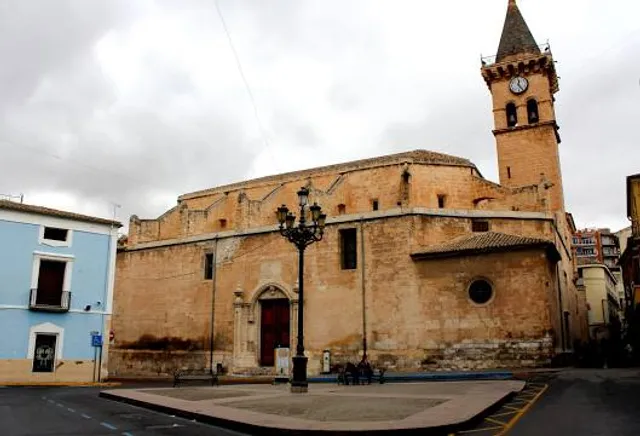
Museu Festero
Pl. Santiago, 3, 03400 Villena, Alicante, Spain
Museo Arqueológico Municipal de Villena
C. Madrid, 1, 03400 Villena, Alicante, Spain
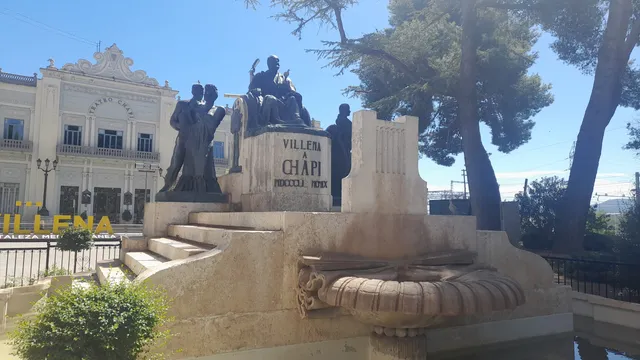
Monument a Ruperto Chapí
Parque Ruperto Chapí, 2, 03400 Villena, Alicante, Spain
Nearby restaurants
Rodeo Diner & Burger
Pl. el Rollo, 1, 03400 Villena, Alicante, Spain
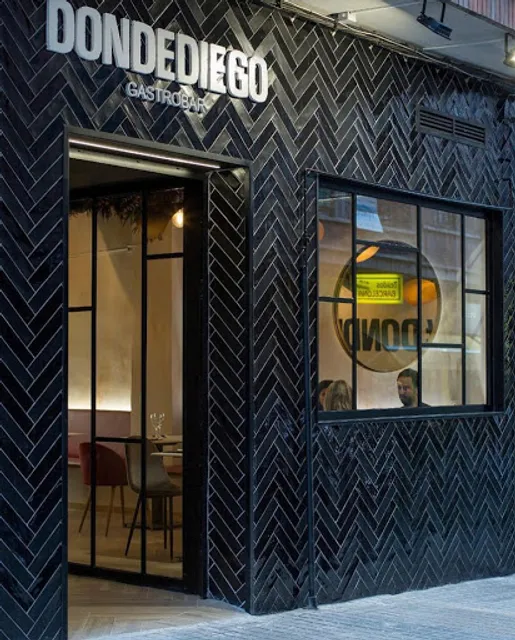
DondeDiego Gastrobar
C. Juan Chaumel, 10, 03400 Villena, Alicante, Spain
Restaurante DiTrevi
C. Congregación, 1, 03400 Villena, Alicante, Spain
Telepizza Villena - Comida a Domicilio
Calle Nueva, Calle el Hilo, 4 esquina, 03400 Villena, Alicante, Spain
Titas Gastrobar
C. Compositor Maestro Manuel Carrascosa, 1, 03400 Villena, Alicante, Spain
Natino Sushi Bar
C. Escultor Navarro Santafé, 27A, Bajo, 03400 Villena, Alicante, Spain
Restaurante Warynessy
C. de Isabel la Católica, 13, 03400 Villena, Alicante, Spain
Marieta Café & Picoteo
Pje. Madre Teresa de Calcuta, 2, B, 03400 Villena, Alicante, Spain
La Barrica Gourmet
C. de la Corredera, 34, 03400 Villena, Alicante, Spain
L'Ampadini
C. Compositor Maestro Manuel Carrascosa, 4, 03400 Villena, Alicante, Spain
Nearby hotels
El Refugio de la cerveza
C. Maestros Hermanos Sánchez Griñan, 4, 03400 Villena, Alicante, Spain
la Alhábega
C. Primera Manzana, 46, 03400 Villena, Alicante, Spain
Hostal los Aromas
C. Teniente Hernández Menor, 13, 03400 Villena, Alicante, Spain
Vivienda Turistica La Arracada
C. Gral. Prim, 22, 03400 Villena, Alicante, Spain
La Casa de Felix
C. Rulda, 9, 03400 Villena, Alicante, Spain
Casa Jazmín
Calle Blasco, 14, 03400 Villena, Alicante, Spain
Hotel Restaurante Salvadora
Av. Constitución, 102, 03400 Villena, Alicante, Spain
Apartamentos "El oso y el madroño"
C. San Bartolomé, 03400 Villena, Alicante, Spain
Naïsa Apartamento Turístico
C. de la Cañada, 64, 03400 Villena, Alicante, Spain
Related posts
Keywords
Atalaya Castle tourism.Atalaya Castle hotels.Atalaya Castle bed and breakfast. flights to Atalaya Castle.Atalaya Castle attractions.Atalaya Castle restaurants.Atalaya Castle travel.Atalaya Castle travel guide.Atalaya Castle travel blog.Atalaya Castle pictures.Atalaya Castle photos.Atalaya Castle travel tips.Atalaya Castle maps.Atalaya Castle things to do.
Atalaya Castle things to do, attractions, restaurants, events info and trip planning
Atalaya Castle
SpainValencian CommunityVillenaAtalaya Castle

Basic Info

Atalaya Castle

Plaza de las Embajadas, s/n, 03400 Villena, Alicante, Spain
4.6(1.5K)
Open 24 hours
Save
spot

Ratings & Description

Info

Atalaya Castle, often known simply as Atalaya, was the winter home of industrialist and philanthropist Archer M. Huntington and his wife, the sculptor Anna Hyatt Huntington, located in Huntington Beach State Park near the Atlantic coast in Murrells Inlet, Georgetown County, South Carolina.

Cultural
Outdoor
Family friendly
attractions: Museu Festero, Museo Arqueológico Municipal de Villena, Monument a Ruperto Chapí, restaurants: Rodeo Diner & Burger, DondeDiego Gastrobar, Restaurante DiTrevi, Telepizza Villena - Comida a Domicilio, Titas Gastrobar, Natino Sushi Bar, Restaurante Warynessy, Marieta Café & Picoteo, La Barrica Gourmet, L'Ampadini
logoLearn more insights from Wanderboat AI.
Phone
+34 965 80 38 93
Website
turismovillena.com

Plan your stay

hotel
Pet-friendly Hotels in Villena
Find a cozy hotel nearby and make it a full experience.

hotel
Affordable Hotels in Villena
Find a cozy hotel nearby and make it a full experience.

hotel
The Coolest Hotels You Haven't Heard Of (Yet)
Find a cozy hotel nearby and make it a full experience.

hotel
Trending Stays Worth the Hype in Villena
Find a cozy hotel nearby and make it a full experience.

Reviews

Nearby attractions of Atalaya Castle

Museu Festero

Museo Arqueológico Municipal de Villena

Monument a Ruperto Chapí

Museu Festero

Museu Festero

4.4

(23)

Open 24 hours
Click for details
Museo Arqueológico Municipal de Villena

Museo Arqueológico Municipal de Villena

4.6

(229)

Open 24 hours
Click for details
Monument a Ruperto Chapí

Monument a Ruperto Chapí

4.6

(15)

Open 24 hours
Click for details

Nearby restaurants of Atalaya Castle

Rodeo Diner & Burger

DondeDiego Gastrobar

Restaurante DiTrevi

Telepizza Villena - Comida a Domicilio

Titas Gastrobar

Natino Sushi Bar

Restaurante Warynessy

Marieta Café & Picoteo

La Barrica Gourmet

L'Ampadini

Rodeo Diner & Burger

Rodeo Diner & Burger

4.2

(467)

Click for details
DondeDiego Gastrobar

DondeDiego Gastrobar

4.4

(279)

Click for details
Restaurante DiTrevi

Restaurante DiTrevi

4.0

(395)

Click for details
Telepizza Villena - Comida a Domicilio

Telepizza Villena - Comida a Domicilio

3.7

(265)

Click for details
Get the Appoverlay
Get the AppOne tap to find yournext favorite spots!
Wanderboat LogoWanderboat

Your everyday Al companion for getaway ideas

CompanyAbout Us
InformationAI Trip PlannerSitemap
SocialXInstagramTiktokLinkedin
LegalTerms of ServicePrivacy Policy

Get the app

© 2025 Wanderboat. All rights reserved.
logo

Reviews of Atalaya Castle

4.6
(1,533)
avatar
2.0
4y

I went only a few days ago with my son and daughter to see this lovely, well-preserved castle. The young ladies at the Info Desk were very helpful and one of them accompanied us to the castle door, where we were told the guide was waiting for us. It was approximately 4.30pm. As soon as we entered the gate, we saw there were another 5 people waiting to start the tour. The guide explained that he could only take 5 tourists at a time around the castle so we would have to stand well away. He indicated a point for us to stand where we couldn’t hear anything he said! We had asked to hear the descriptions in Spanish but being so far from him and the others was useless. We asked if we should come back later when he had finished with the first group and he replied that it was impossible as the castle closes at 6pm so we wouldn’t have time to do the tour. We did our best reading the written indications on signs and in the brochure, then at the tower the guide told us we couldn’t go inside with the group as we would be too close. We understand the Covid restrictions and stood where he told us to stay to be distant from his group, obviously still out of earshot, then a couple of tourists strolled in and went to join the first group! They were close enough to to show the guide something on their brochure so not at regulation distance. Then another couple with 2 children walked into the Tower and joined the others!!!! The guide did not enforce any distance on this family. What about us????? I do realise that the entrance fee is extremely good value but when we left the castle, we went to the Info office to complain. Nobody suggested we returned the next day or any other time to actually get our guided tour but we still do not understand why others were allowed to join the first group of 5 and we were made to stay at a great distance. We were not made to feel welcome even though we respected the Guide’s requests and the Covid restrictions. I would suggest that anybody wanting to have a guided tour of the Castle makes sure they will get it before paying...

   Read more
avatar
5.0
50w

"Rising up from the mountain of Saint Christopher at an altitude of 550 metres, the castle is strategically located on the corridor of the River Vinalopó, giving it control of passage towards the lands and valleys of Castilla La Mancha, the valley of Montesa and the lands of Valencia and Murcia.

The fortress now allows us to distinguish the two key periods in its history: Islamic and Feudal.

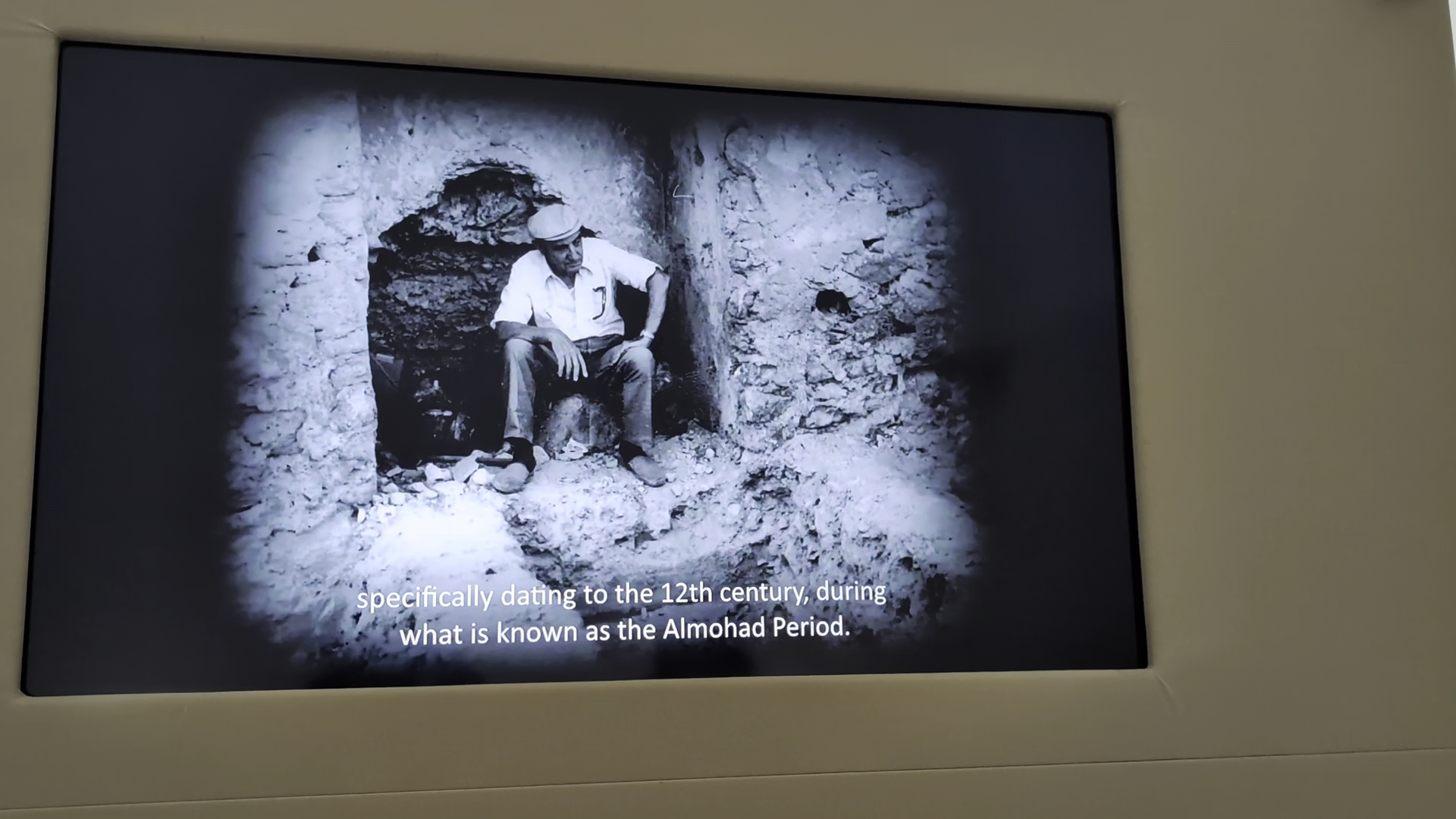
Its construction began with the Almohads in the late 12th century, employing the rammed earth building technique to raise the ramparts and the first two floors of the keep. This involved compressing a damp mixture of sand, gravel and lime into an externally supported frame or mould, creating a solid wall.

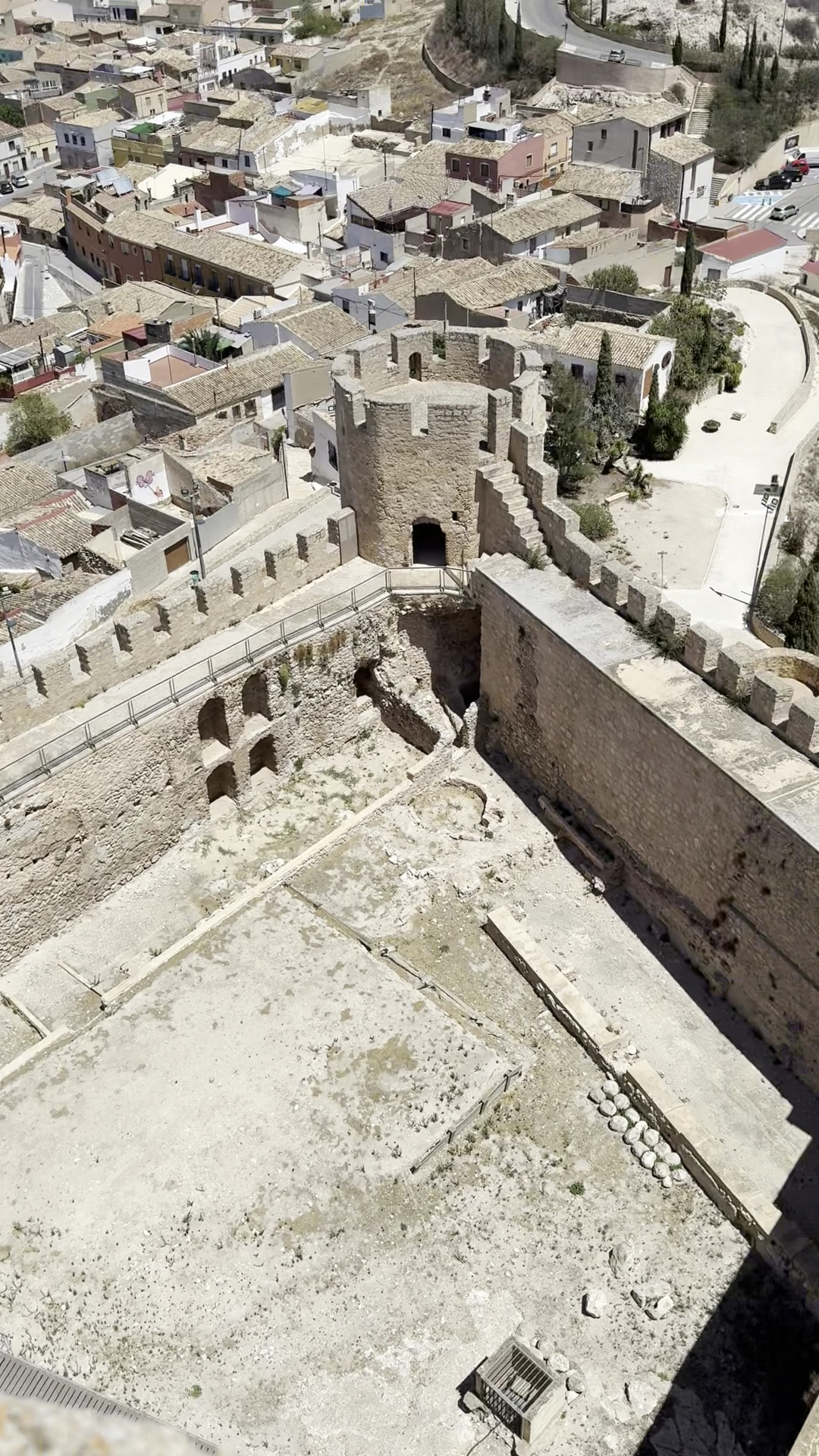
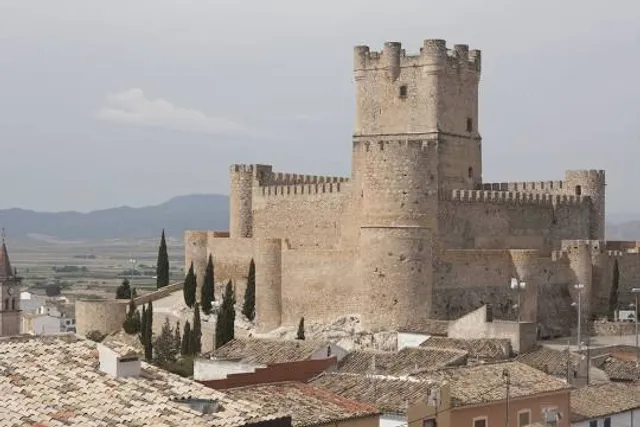
Various changes took place after the Christian conquest in the 14th and 15th centuries, which included the stone reinforcement of the existing ramparts, the enlargement of the keep using masonry, which reflects how the tower looks today, and the construction of an outer wall or barrier surrounding the entire fortress, in line with Castilian traditions. As a result, it was transformed into a magnificent late medieval construction whose structure and appearance allow us to place it amongst the large castles that marked the extensive Marquisate...

   Read more
avatar
5.0
3y

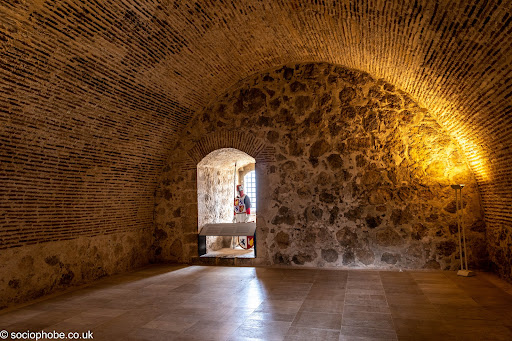
If you follow the signs to this place rather than your sat nav it takes you to a small car park next to the Tourist Information where you can buy tickets for the castle. The castle is a few minutes walk and the custodian on the gate is very helpful and knowledgeable with very good English. The castle is superb - a 10th century Arab core that was expanded and updated after the Christian conquest. It has been well restored and there is a very good route that you can follow which covers the curtain walls, inner bailey and keep. There are lots of information boards as you walk through and some great little features like the drawings done by Italian prisoners in the 13th (?) century and marks from the cannonball damage in the eighteenth century siege. The views from the tower roof are both awe inspiring and nauseating if you look over the edge! The medieval core of the city looks interesting too although it is swamped by less than attractive modern development. A great castle to visit and very good value (€3 for an adult) for the couple of hours we...

   Read more
Page 1 of 7
Previous
Next

Posts

Mark AuchinclossMark Auchincloss
"Rising up from the mountain of Saint Christopher at an altitude of 550 metres, the castle is strategically located on the corridor of the River Vinalopó, giving it control of passage towards the lands and valleys of Castilla La Mancha, the valley of Montesa and the lands of Valencia and Murcia. The fortress now allows us to distinguish the two key periods in its history: Islamic and Feudal. Its construction began with the Almohads in the late 12th century, employing the rammed earth building technique to raise the ramparts and the first two floors of the keep. This involved compressing a damp mixture of sand, gravel and lime into an externally supported frame or mould, creating a solid wall. Various changes took place after the Christian conquest in the 14th and 15th centuries, which included the stone reinforcement of the existing ramparts, the enlargement of the keep using masonry, which reflects how the tower looks today, and the construction of an outer wall or barrier surrounding the entire fortress, in line with Castilian traditions. As a result, it was transformed into a magnificent late medieval construction whose structure and appearance allow us to place it amongst the large castles that marked the extensive Marquisate of Villena."
Marcus HurleyMarcus Hurley
If you follow the signs to this place rather than your sat nav it takes you to a small car park next to the Tourist Information where you can buy tickets for the castle. The castle is a few minutes walk and the custodian on the gate is very helpful and knowledgeable with very good English. The castle is superb - a 10th century Arab core that was expanded and updated after the Christian conquest. It has been well restored and there is a very good route that you can follow which covers the curtain walls, inner bailey and keep. There are lots of information boards as you walk through and some great little features like the drawings done by Italian prisoners in the 13th (?) century and marks from the cannonball damage in the eighteenth century siege. The views from the tower roof are both awe inspiring and nauseating if you look over the edge! The medieval core of the city looks interesting too although it is swamped by less than attractive modern development. A great castle to visit and very good value (€3 for an adult) for the couple of hours we spent there.
Fernando PataconaFernando Patacona
El castillo de la Atalaya fue construido a finales del siglo XII por los Almohades sobre una loma rocosa, con el fin de proteger a la población musulmana de Villena. La parte más antigua del castillo es la torre del Homenaje, precisamente de esta época almohade. En el año 1240 el castillo y la villa son conquistados por el rey Jaime I el Conquistador. Sin embargo, según el tratado de Cazola esta población pertenecía a Castilla, por lo que el señorío de la villa pasó a manos de uno de los hijos del rey castellano Alfonso X el sabio. Años después, don Juan Manuel, nieto del rey castellano llegó a ser príncipe de Villena, siendo uno de los más importantes escritores en lengua castellana, autor de 'El conde Lucanor'. A finales del siglo XIII, el rey Jaime II de Aragón conquista las tierras del reino de Murcia a la corona de Castilla. Años después se firma la paz a través del tratado de Elche por el que las tierras situadas al norte del río Segura pasan al reino de Valencia, quedando el reino de Murcia en poder de Castilla. Durante muchos años el castillo de Villena fue un importante baluarte defensivo contra el reino de Castilla, siempre en permanente lucha con la Corona de Aragón. Estas contiendas ponen punto final en el año 1469, con la la unión matrimonial de Fernando II de Aragón e Isabel I de Castilla, los Reyes Católicos. A principios del siglo XV el castillo pertenecía a los marqueses de Villena, aunque a finales de ese mismo siglo los Reyes Católicos asedian la fortaleza y se apoderan del castillo y las tierras del marquesado, pasando a formar parte de la Corona. Este castillo ha sido escenario posterior de diversas batallas y luchas, como la Revuelta de las Germanías a comienzos del siglo XVI o durante la Guerra de Sucesión, en el que, en el año 1707, la ciudad de Villena, leal al rey Felipe de Borbón, resistió a las tropas afines al archiduque Carlos, lo que le valió a la población de Villena el titulo de 'fidelísima'. Tras la Guerra de la Independencia contra los franceses en el siglo XIX, el castillo es abandonado y parte de sus piedras utilizadas para la construcción de las casas colindantes. Durante la segunda mitad del siglo pasado comienza un proceso de restauración, rehabilitando parte de la torre del Homenaje y las murallas. En esta ocasión llegamos un poco tarde a Villena y no pudimos entrar a verlo, aunque ya estuvimos anteriormente y creo que merece la pena la visita. El castillo se puede visitar de martes a domingo. La entrada cuesta 3 euros/pax. Hay una visita guiada que hay que reservar con antelación en la oficina de información y turismo que se encuentra muy cerca del castillo, a escasos 200 metros.
See more posts
See more posts
hotel
Find your stay

Pet-friendly Hotels in Villena

Find a cozy hotel nearby and make it a full experience.

"Rising up from the mountain of Saint Christopher at an altitude of 550 metres, the castle is strategically located on the corridor of the River Vinalopó, giving it control of passage towards the lands and valleys of Castilla La Mancha, the valley of Montesa and the lands of Valencia and Murcia. The fortress now allows us to distinguish the two key periods in its history: Islamic and Feudal. Its construction began with the Almohads in the late 12th century, employing the rammed earth building technique to raise the ramparts and the first two floors of the keep. This involved compressing a damp mixture of sand, gravel and lime into an externally supported frame or mould, creating a solid wall. Various changes took place after the Christian conquest in the 14th and 15th centuries, which included the stone reinforcement of the existing ramparts, the enlargement of the keep using masonry, which reflects how the tower looks today, and the construction of an outer wall or barrier surrounding the entire fortress, in line with Castilian traditions. As a result, it was transformed into a magnificent late medieval construction whose structure and appearance allow us to place it amongst the large castles that marked the extensive Marquisate of Villena."
Mark Auchincloss

Mark Auchincloss

hotel
Find your stay

Affordable Hotels in Villena

Find a cozy hotel nearby and make it a full experience.

Get the Appoverlay
Get the AppOne tap to find yournext favorite spots!
If you follow the signs to this place rather than your sat nav it takes you to a small car park next to the Tourist Information where you can buy tickets for the castle. The castle is a few minutes walk and the custodian on the gate is very helpful and knowledgeable with very good English. The castle is superb - a 10th century Arab core that was expanded and updated after the Christian conquest. It has been well restored and there is a very good route that you can follow which covers the curtain walls, inner bailey and keep. There are lots of information boards as you walk through and some great little features like the drawings done by Italian prisoners in the 13th (?) century and marks from the cannonball damage in the eighteenth century siege. The views from the tower roof are both awe inspiring and nauseating if you look over the edge! The medieval core of the city looks interesting too although it is swamped by less than attractive modern development. A great castle to visit and very good value (€3 for an adult) for the couple of hours we spent there.
Marcus Hurley

Marcus Hurley

hotel
Find your stay

The Coolest Hotels You Haven't Heard Of (Yet)

Find a cozy hotel nearby and make it a full experience.

hotel
Find your stay

Trending Stays Worth the Hype in Villena

Find a cozy hotel nearby and make it a full experience.

El castillo de la Atalaya fue construido a finales del siglo XII por los Almohades sobre una loma rocosa, con el fin de proteger a la población musulmana de Villena. La parte más antigua del castillo es la torre del Homenaje, precisamente de esta época almohade. En el año 1240 el castillo y la villa son conquistados por el rey Jaime I el Conquistador. Sin embargo, según el tratado de Cazola esta población pertenecía a Castilla, por lo que el señorío de la villa pasó a manos de uno de los hijos del rey castellano Alfonso X el sabio. Años después, don Juan Manuel, nieto del rey castellano llegó a ser príncipe de Villena, siendo uno de los más importantes escritores en lengua castellana, autor de 'El conde Lucanor'. A finales del siglo XIII, el rey Jaime II de Aragón conquista las tierras del reino de Murcia a la corona de Castilla. Años después se firma la paz a través del tratado de Elche por el que las tierras situadas al norte del río Segura pasan al reino de Valencia, quedando el reino de Murcia en poder de Castilla. Durante muchos años el castillo de Villena fue un importante baluarte defensivo contra el reino de Castilla, siempre en permanente lucha con la Corona de Aragón. Estas contiendas ponen punto final en el año 1469, con la la unión matrimonial de Fernando II de Aragón e Isabel I de Castilla, los Reyes Católicos. A principios del siglo XV el castillo pertenecía a los marqueses de Villena, aunque a finales de ese mismo siglo los Reyes Católicos asedian la fortaleza y se apoderan del castillo y las tierras del marquesado, pasando a formar parte de la Corona. Este castillo ha sido escenario posterior de diversas batallas y luchas, como la Revuelta de las Germanías a comienzos del siglo XVI o durante la Guerra de Sucesión, en el que, en el año 1707, la ciudad de Villena, leal al rey Felipe de Borbón, resistió a las tropas afines al archiduque Carlos, lo que le valió a la población de Villena el titulo de 'fidelísima'. Tras la Guerra de la Independencia contra los franceses en el siglo XIX, el castillo es abandonado y parte de sus piedras utilizadas para la construcción de las casas colindantes. Durante la segunda mitad del siglo pasado comienza un proceso de restauración, rehabilitando parte de la torre del Homenaje y las murallas. En esta ocasión llegamos un poco tarde a Villena y no pudimos entrar a verlo, aunque ya estuvimos anteriormente y creo que merece la pena la visita. El castillo se puede visitar de martes a domingo. La entrada cuesta 3 euros/pax. Hay una visita guiada que hay que reservar con antelación en la oficina de información y turismo que se encuentra muy cerca del castillo, a escasos 200 metros.
Fernando Patacona

Fernando Patacona

See more posts
See more posts