HTML SitemapExplore
logo
Find Things to DoFind The Best Restaurants

Cueva de los Murciélagos — Attraction in Zuheros

Name
Cueva de los Murciélagos
Description
Nearby attractions
Ecomuseo de la Cueva de los Murciélagos
Carretera, CO-6210, km 4, 14870 Zuheros, Córdoba, Spain
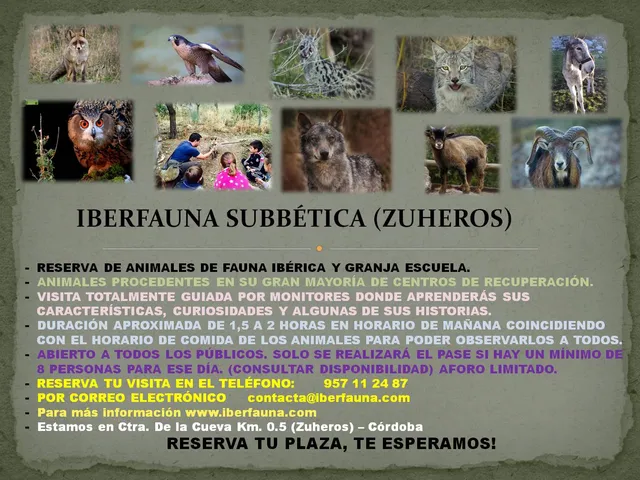
Iberfauna
Ctra. De la cueva, km 0,5, 14870 Zuheros, Córdoba, Spain
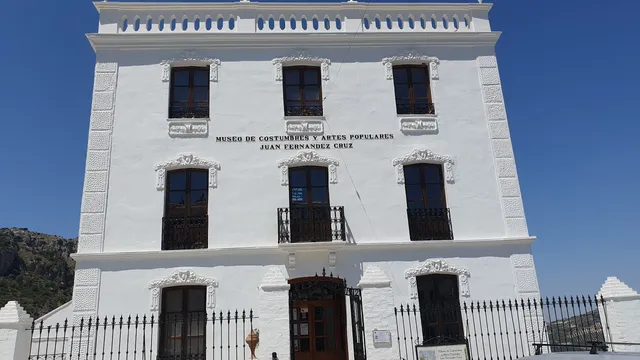
Museo de Costumbres y Artes Populares Juan Fernández Cruz
C. Santo, 29, 14870 Zuheros, Córdoba, Spain
Cañón rio Bailón
CV-247, 4, 14870 Zuheros, Córdoba, Spain
Museo Arqueológico Municipal de Zuheros
Plaza de La Paz, 2, 14870 Zuheros, Córdoba, Spain
Nearby restaurants
Asador Restaurante Los Palancos
Plaza de la Paz, 1, 14870 Zuheros, Córdoba, Spain
Nearby hotels
Capricho de Zuheros | Casa rural
C. Barrera, 6, planta 2, 14870 Zuheros, Córdoba, Spain
EL HECHIZO DEL BAILÓN
C. Fotografo Jose Jimenez Poyato, 76, 14870 Zuheros, Córdoba, Spain
Apartamentos Rurales Señorío de Zuheros
C. Horno o Párroco Rafael Linares, 3, 14870 Zuheros, Córdoba, Spain
Related posts
Keywords
Cueva de los Murciélagos tourism.Cueva de los Murciélagos hotels.Cueva de los Murciélagos bed and breakfast. flights to Cueva de los Murciélagos.Cueva de los Murciélagos attractions.Cueva de los Murciélagos restaurants.Cueva de los Murciélagos travel.Cueva de los Murciélagos travel guide.Cueva de los Murciélagos travel blog.Cueva de los Murciélagos pictures.Cueva de los Murciélagos photos.Cueva de los Murciélagos travel tips.Cueva de los Murciélagos maps.Cueva de los Murciélagos things to do.
Cueva de los Murciélagos things to do, attractions, restaurants, events info and trip planning
Cueva de los Murciélagos
SpainAndalusiaZuherosCueva de los Murciélagos

Basic Info

Cueva de los Murciélagos

Carretera Local Cueva de los Murciélagos, Km 4, 14870 Zuheros, Córdoba, Spain
4.5(862)
Open 24 hours
Save
spot

Ratings & Description

Info

Cultural
Adventure
Scenic
Family friendly
Off the beaten path
attractions: Ecomuseo de la Cueva de los Murciélagos, Iberfauna, Museo de Costumbres y Artes Populares Juan Fernández Cruz, Cañón rio Bailón, Museo Arqueológico Municipal de Zuheros, restaurants: Asador Restaurante Los Palancos
logoLearn more insights from Wanderboat AI.
Phone
+34 957 69 45 45
Website
turismozuheros.es

Plan your stay

hotel
Pet-friendly Hotels in Zuheros
Find a cozy hotel nearby and make it a full experience.
hotel
Affordable Hotels in Zuheros
Find a cozy hotel nearby and make it a full experience.
hotel
The Coolest Hotels You Haven't Heard Of (Yet)
Find a cozy hotel nearby and make it a full experience.
hotel
Trending Stays Worth the Hype in Zuheros
Find a cozy hotel nearby and make it a full experience.

Reviews

Nearby attractions of Cueva de los Murciélagos

Ecomuseo de la Cueva de los Murciélagos

Iberfauna

Museo de Costumbres y Artes Populares Juan Fernández Cruz

Cañón rio Bailón

Museo Arqueológico Municipal de Zuheros

Ecomuseo de la Cueva de los Murciélagos

Ecomuseo de la Cueva de los Murciélagos

4.4

(165)

Closed
Click for details
Iberfauna

Iberfauna

4.9

(204)

Open 24 hours
Click for details
Museo de Costumbres y Artes Populares Juan Fernández Cruz

Museo de Costumbres y Artes Populares Juan Fernández Cruz

4.7

(146)

Closed
Click for details
Cañón rio Bailón

Cañón rio Bailón

4.7

(96)

Open 24 hours
Click for details

Nearby restaurants of Cueva de los Murciélagos

Asador Restaurante Los Palancos

Asador Restaurante Los Palancos

Asador Restaurante Los Palancos

4.2

(455)

Click for details
Get the Appoverlay
Get the AppOne tap to find yournext favorite spots!
Wanderboat LogoWanderboat

Your everyday Al companion for getaway ideas

CompanyAbout Us
InformationAI Trip PlannerSitemap
SocialXInstagramTiktokLinkedin
LegalTerms of ServicePrivacy Policy

Get the app

© 2025 Wanderboat. All rights reserved.
logo

Posts

Kento MasudaKento Masuda
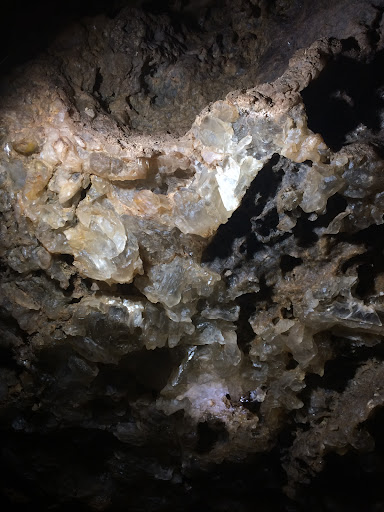
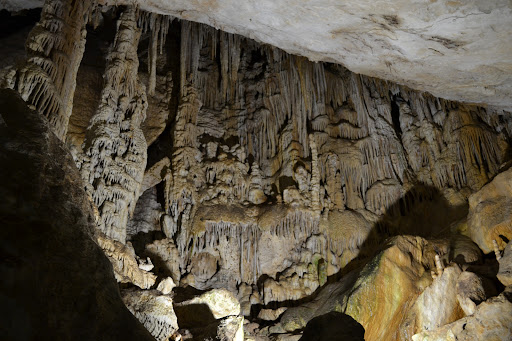
La Cueva de los Murciélagos, or Cave of the Bats, is a stunning cave located near the town of Zuheros in the Sierras Subbéticas Natural Park, in the province of Córdoba, Spain. It is not only famous for its breathtaking geological formations but also for its rich archaeological history, making it a site of both natural beauty and cultural importance. Geological Significance The Cueva de los Murciélagos is one of Andalusia’s largest and most impressive caves. It was formed over millions of years by the slow dissolution of limestone through the action of water, which created its dramatic underground chambers, filled with stalactites, stalagmites, and other karstic formations. The cave reaches a depth of about 63 meters, with several interconnected chambers and galleries that stretch over 3 kilometers in total length. Visitors to the cave can explore its various chambers, each adorned with stunning mineral formations that have been shaped over millennia. The most famous is the Hall of Phantoms, known for its ghost-like rock structures. The cave’s subterranean environment is a perfect example of how natural processes, such as the action of water on limestone, can create spectacular underground landscapes. Archaeological Importance Beyond its geological beauty, the Cueva de los Murciélagos is highly regarded for its archaeological discoveries. Excavations in the cave have unearthed evidence of human occupation dating back to the Neolithic period, around 4,500 BCE, making it one of the most important prehistoric sites in Andalusia. Among the most significant finds are Neolithic tools, pottery, and human remains. These artifacts suggest that the cave was used by prehistoric humans for shelter, rituals, and burial purposes. The cave also contains paleolithic rock paintings, which are rare in the region and depict symbolic and figurative images, such as human figures and animals, that offer insights into the spiritual and cultural life of the cave’s early inhabitants. Bat Colony The cave gets its name from the large colony of bats that inhabits its dark chambers. These bats have made the cave their home for centuries, and while they add an extra element of mystery and intrigue to the site, their presence is also an indicator of the cave’s healthy ecosystem. Efforts are made to protect the bats and their habitat, as they are an important part of the cave’s biodiversity. Tourism and Conservation Today, the Cueva de los Murciélagos is a popular tourist destination, attracting visitors interested in both its natural beauty and its archaeological significance. Guided tours take visitors through different parts of the cave, including areas where they can see ancient rock paintings and some of the artifacts that have been discovered over the years. Because the cave is an important archaeological and natural site, careful measures have been put in place to preserve its delicate environment. Controlled lighting, limited visitor numbers, and restrictions on access to certain parts of the cave help protect both the fragile rock formations and the ancient remains found within it. Accessibility and Visitor Experience The cave is located about 4 kilometers from Zuheros, a charming whitewashed town that is itself worth visiting for its scenic views and historical sites. The cave is perched high on the slopes of the Sierra de los Murciélagos, offering spectacular vistas of the surrounding landscape. The road to the cave can be steep, but the journey is rewarded with stunning natural scenery. Once inside, visitors are taken through the cave’s galleries, where they can marvel at the natural rock formations and learn about the prehistoric people who once lived there. The guided tours provide a detailed account of both the geological and historical significance of the cave, making it a truly enriching experience.
Juan SalasJuan Salas
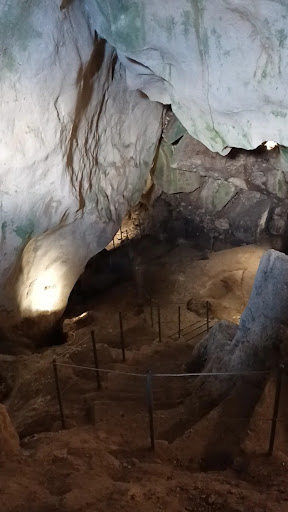
Espectacular cueva. Se encuentra a unos 4 km. de Zuheros y a 976 m sobre el nivel del mar y cuenta con una profundidad descubierta de 75 m. aunque se pueden visitar hasta una profundidad de 65 m. Para alcanzar dicha profundidad es necesario bajar 350 escalones por lo que si contamos los de ascenso, hacen un total de 700. Todo esto lo digo porque no es apto para personas mayores o que tengan movilidad reducida. El recorrido es circular y se tarda poco más de una hora. Esta cueva fue habitada por el hombre desde el Paleolítico hasta la época romana. Se formó por un desplome de rocas a causa de las filtraciones por agua, agua que hay ido modelando el lugar y disolviendo la roca caliza creando cámaras de gran belleza con estalactitas y estalagmitas. El nombre de Los Murciélagos, se debe a que en su tiempo hubo una gran colonia de ellos (se calcula sobre 20.000), pero hoy en día apenas quedan, de echo cuando estuvimos tan solo vimos revoletear a un par de ellos. En cuanto a la guía un 10, por su simpatía, cercanía y sus explicaciones. Recomiendo la reserva de la entrada, pues solo se hacen dos pases diarios (10.30 y 17.30) con un aforo máximo de 25 personas. Las reservas se hacen a través de email o por teléfono de miércoles a domingo en horario de atención al público de 10:00 a 13:30 horas.
Antonio BáezAntonio Báez
Una cueva que guarda sorpresas interesantes, con algunos tramos algo incómodos pero que se entiende que deben ser así, para no modificar la cueva para que sea visitada. En general me gustó, especialmente porque la visita es guiada y te explican muchas cosas que pasarían desapercibidas. El sistema de visitas está bien organizado mediante cita previa, aunque se puede acceder sin dicha cita, pero poniéndose en una lista de espera para cubrir las reservas no ocupadas. Tiene horas de visita fijas, y una vez que accedes con todo el grupo, la puerta se cierra y no hay marcha atrás, ya que se sale por otra puerta. Previamente a la visita te avisan de los riesgos si padeces claustrofobia, dolencias de corazón, problemas en las piernas, etc. Desde mi punto de vista, visita recomendable, aunque si has visto otras como la de Nerja, te puede parecer modesta. Por cierto, no está permitido hacer fotos en el interior, salvo en la entrada, por lo que opté por comprar un par de postales de los rincones que más me habían gustado. Cada una vale un euro.
See more posts
See more posts
hotel
Find your stay

Pet-friendly Hotels in Zuheros

Find a cozy hotel nearby and make it a full experience.

La Cueva de los Murciélagos, or Cave of the Bats, is a stunning cave located near the town of Zuheros in the Sierras Subbéticas Natural Park, in the province of Córdoba, Spain. It is not only famous for its breathtaking geological formations but also for its rich archaeological history, making it a site of both natural beauty and cultural importance. Geological Significance The Cueva de los Murciélagos is one of Andalusia’s largest and most impressive caves. It was formed over millions of years by the slow dissolution of limestone through the action of water, which created its dramatic underground chambers, filled with stalactites, stalagmites, and other karstic formations. The cave reaches a depth of about 63 meters, with several interconnected chambers and galleries that stretch over 3 kilometers in total length. Visitors to the cave can explore its various chambers, each adorned with stunning mineral formations that have been shaped over millennia. The most famous is the Hall of Phantoms, known for its ghost-like rock structures. The cave’s subterranean environment is a perfect example of how natural processes, such as the action of water on limestone, can create spectacular underground landscapes. Archaeological Importance Beyond its geological beauty, the Cueva de los Murciélagos is highly regarded for its archaeological discoveries. Excavations in the cave have unearthed evidence of human occupation dating back to the Neolithic period, around 4,500 BCE, making it one of the most important prehistoric sites in Andalusia. Among the most significant finds are Neolithic tools, pottery, and human remains. These artifacts suggest that the cave was used by prehistoric humans for shelter, rituals, and burial purposes. The cave also contains paleolithic rock paintings, which are rare in the region and depict symbolic and figurative images, such as human figures and animals, that offer insights into the spiritual and cultural life of the cave’s early inhabitants. Bat Colony The cave gets its name from the large colony of bats that inhabits its dark chambers. These bats have made the cave their home for centuries, and while they add an extra element of mystery and intrigue to the site, their presence is also an indicator of the cave’s healthy ecosystem. Efforts are made to protect the bats and their habitat, as they are an important part of the cave’s biodiversity. Tourism and Conservation Today, the Cueva de los Murciélagos is a popular tourist destination, attracting visitors interested in both its natural beauty and its archaeological significance. Guided tours take visitors through different parts of the cave, including areas where they can see ancient rock paintings and some of the artifacts that have been discovered over the years. Because the cave is an important archaeological and natural site, careful measures have been put in place to preserve its delicate environment. Controlled lighting, limited visitor numbers, and restrictions on access to certain parts of the cave help protect both the fragile rock formations and the ancient remains found within it. Accessibility and Visitor Experience The cave is located about 4 kilometers from Zuheros, a charming whitewashed town that is itself worth visiting for its scenic views and historical sites. The cave is perched high on the slopes of the Sierra de los Murciélagos, offering spectacular vistas of the surrounding landscape. The road to the cave can be steep, but the journey is rewarded with stunning natural scenery. Once inside, visitors are taken through the cave’s galleries, where they can marvel at the natural rock formations and learn about the prehistoric people who once lived there. The guided tours provide a detailed account of both the geological and historical significance of the cave, making it a truly enriching experience.
Kento Masuda

Kento Masuda

hotel
Find your stay

Affordable Hotels in Zuheros

Find a cozy hotel nearby and make it a full experience.

Get the Appoverlay
Get the AppOne tap to find yournext favorite spots!
Espectacular cueva. Se encuentra a unos 4 km. de Zuheros y a 976 m sobre el nivel del mar y cuenta con una profundidad descubierta de 75 m. aunque se pueden visitar hasta una profundidad de 65 m. Para alcanzar dicha profundidad es necesario bajar 350 escalones por lo que si contamos los de ascenso, hacen un total de 700. Todo esto lo digo porque no es apto para personas mayores o que tengan movilidad reducida. El recorrido es circular y se tarda poco más de una hora. Esta cueva fue habitada por el hombre desde el Paleolítico hasta la época romana. Se formó por un desplome de rocas a causa de las filtraciones por agua, agua que hay ido modelando el lugar y disolviendo la roca caliza creando cámaras de gran belleza con estalactitas y estalagmitas. El nombre de Los Murciélagos, se debe a que en su tiempo hubo una gran colonia de ellos (se calcula sobre 20.000), pero hoy en día apenas quedan, de echo cuando estuvimos tan solo vimos revoletear a un par de ellos. En cuanto a la guía un 10, por su simpatía, cercanía y sus explicaciones. Recomiendo la reserva de la entrada, pues solo se hacen dos pases diarios (10.30 y 17.30) con un aforo máximo de 25 personas. Las reservas se hacen a través de email o por teléfono de miércoles a domingo en horario de atención al público de 10:00 a 13:30 horas.
Juan Salas

Juan Salas

hotel
Find your stay

The Coolest Hotels You Haven't Heard Of (Yet)

Find a cozy hotel nearby and make it a full experience.

hotel
Find your stay

Trending Stays Worth the Hype in Zuheros

Find a cozy hotel nearby and make it a full experience.

Una cueva que guarda sorpresas interesantes, con algunos tramos algo incómodos pero que se entiende que deben ser así, para no modificar la cueva para que sea visitada. En general me gustó, especialmente porque la visita es guiada y te explican muchas cosas que pasarían desapercibidas. El sistema de visitas está bien organizado mediante cita previa, aunque se puede acceder sin dicha cita, pero poniéndose en una lista de espera para cubrir las reservas no ocupadas. Tiene horas de visita fijas, y una vez que accedes con todo el grupo, la puerta se cierra y no hay marcha atrás, ya que se sale por otra puerta. Previamente a la visita te avisan de los riesgos si padeces claustrofobia, dolencias de corazón, problemas en las piernas, etc. Desde mi punto de vista, visita recomendable, aunque si has visto otras como la de Nerja, te puede parecer modesta. Por cierto, no está permitido hacer fotos en el interior, salvo en la entrada, por lo que opté por comprar un par de postales de los rincones que más me habían gustado. Cada una vale un euro.
Antonio Báez

Antonio Báez

See more posts
See more posts

Reviews of Cueva de los Murciélagos

4.5
(862)
avatar
5.0
1y

La Cueva de los Murciélagos, or Cave of the Bats, is a stunning cave located near the town of Zuheros in the Sierras Subbéticas Natural Park, in the province of Córdoba, Spain. It is not only famous for its breathtaking geological formations but also for its rich archaeological history, making it a site of both natural beauty and cultural importance.

Geological Significance

The Cueva de los Murciélagos is one of Andalusia’s largest and most impressive caves. It was formed over millions of years by the slow dissolution of limestone through the action of water, which created its dramatic underground chambers, filled with stalactites, stalagmites, and other karstic formations. The cave reaches a depth of about 63 meters, with several interconnected chambers and galleries that stretch over 3 kilometers in total length.

Visitors to the cave can explore its various chambers, each adorned with stunning mineral formations that have been shaped over millennia. The most famous is the Hall of Phantoms, known for its ghost-like rock structures. The cave’s subterranean environment is a perfect example of how natural processes, such as the action of water on limestone, can create spectacular underground landscapes.

Archaeological Importance

Beyond its geological beauty, the Cueva de los Murciélagos is highly regarded for its archaeological discoveries. Excavations in the cave have unearthed evidence of human occupation dating back to the Neolithic period, around 4,500 BCE, making it one of the most important prehistoric sites in Andalusia.

Among the most significant finds are Neolithic tools, pottery, and human remains. These artifacts suggest that the cave was used by prehistoric humans for shelter, rituals, and burial purposes. The cave also contains paleolithic rock paintings, which are rare in the region and depict symbolic and figurative images, such as human figures and animals, that offer insights into the spiritual and cultural life of the cave’s early inhabitants.

Bat Colony

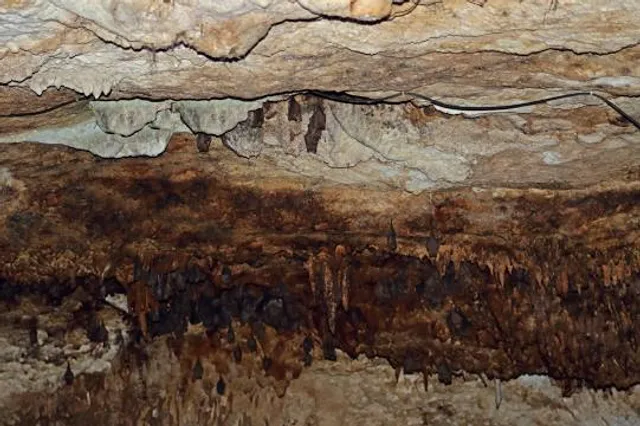
The cave gets its name from the large colony of bats that inhabits its dark chambers. These bats have made the cave their home for centuries, and while they add an extra element of mystery and intrigue to the site, their presence is also an indicator of the cave’s healthy ecosystem. Efforts are made to protect the bats and their habitat, as they are an important part of the cave’s biodiversity.

Tourism and Conservation

Today, the Cueva de los Murciélagos is a popular tourist destination, attracting visitors interested in both its natural beauty and its archaeological significance. Guided tours take visitors through different parts of the cave, including areas where they can see ancient rock paintings and some of the artifacts that have been discovered over the years.

Because the cave is an important archaeological and natural site, careful measures have been put in place to preserve its delicate environment. Controlled lighting, limited visitor numbers, and restrictions on access to certain parts of the cave help protect both the fragile rock formations and the ancient remains found within it.

Accessibility and Visitor Experience

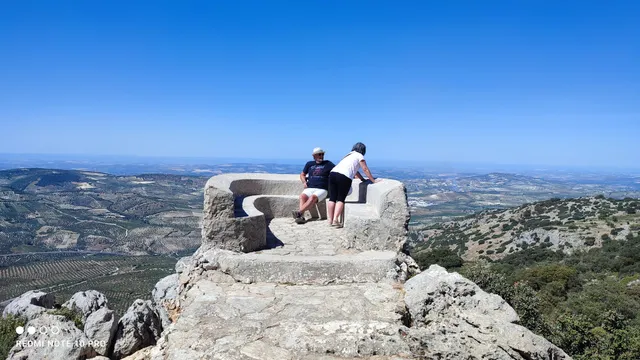
The cave is located about 4 kilometers from Zuheros, a charming whitewashed town that is itself worth visiting for its scenic views and historical sites. The cave is perched high on the slopes of the Sierra de los Murciélagos, offering spectacular vistas of the surrounding landscape. The road to the cave can be steep, but the journey is rewarded with stunning natural scenery.

Once inside, visitors are taken through the cave’s galleries, where they can marvel at the natural rock formations and learn about the prehistoric people who once lived there. The guided tours provide a detailed account of both the geological and historical significance of the cave, making it a truly...

   Read more
avatar
5.0
6y

I really enjoyed my visit to the cave. The guide was very friendly and his English was surprisingly good, based on other reviews - certainly good enough to explain and illuminate the experience. The steps are going to be a real challenge for anyone not in good health, but don't worry about bats. I saw only two - one flying, one asleep, and neither got in my hair. The drive up to the caves is part of the experience. A winding, hillside route affords great views of the beautiful pueblo blanco of Zuheros. Take a picnic for the viewpoints on the high road, and a few beers beside the castle will make your trip complete - if you're not the one who has...

   Read more
avatar
1.0
7y

We love bats, and were really excited when we found out about this place.

Thus we called in the morning in order to book for the afternoon, and we went there, through the small country road up the hills.

We arrived there... and it was deserted. Nobody at all, nothing. We called again, and this time the lady told us to come the following day, because they were closed. Well, thank you very much for accepting a booking on an empty date...

Obviously we weren't able to come back...

   Read more
Page 1 of 7
Previous
Next