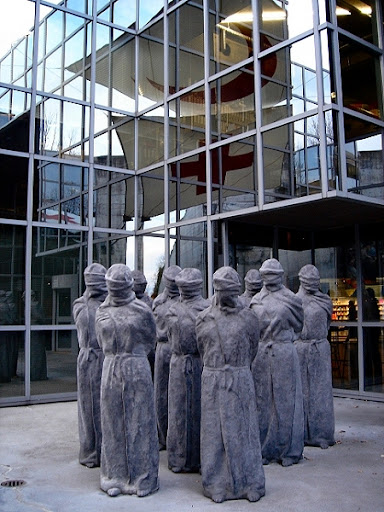
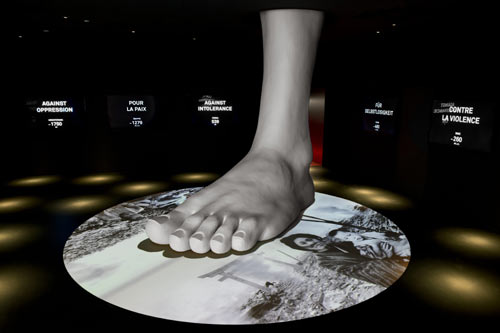
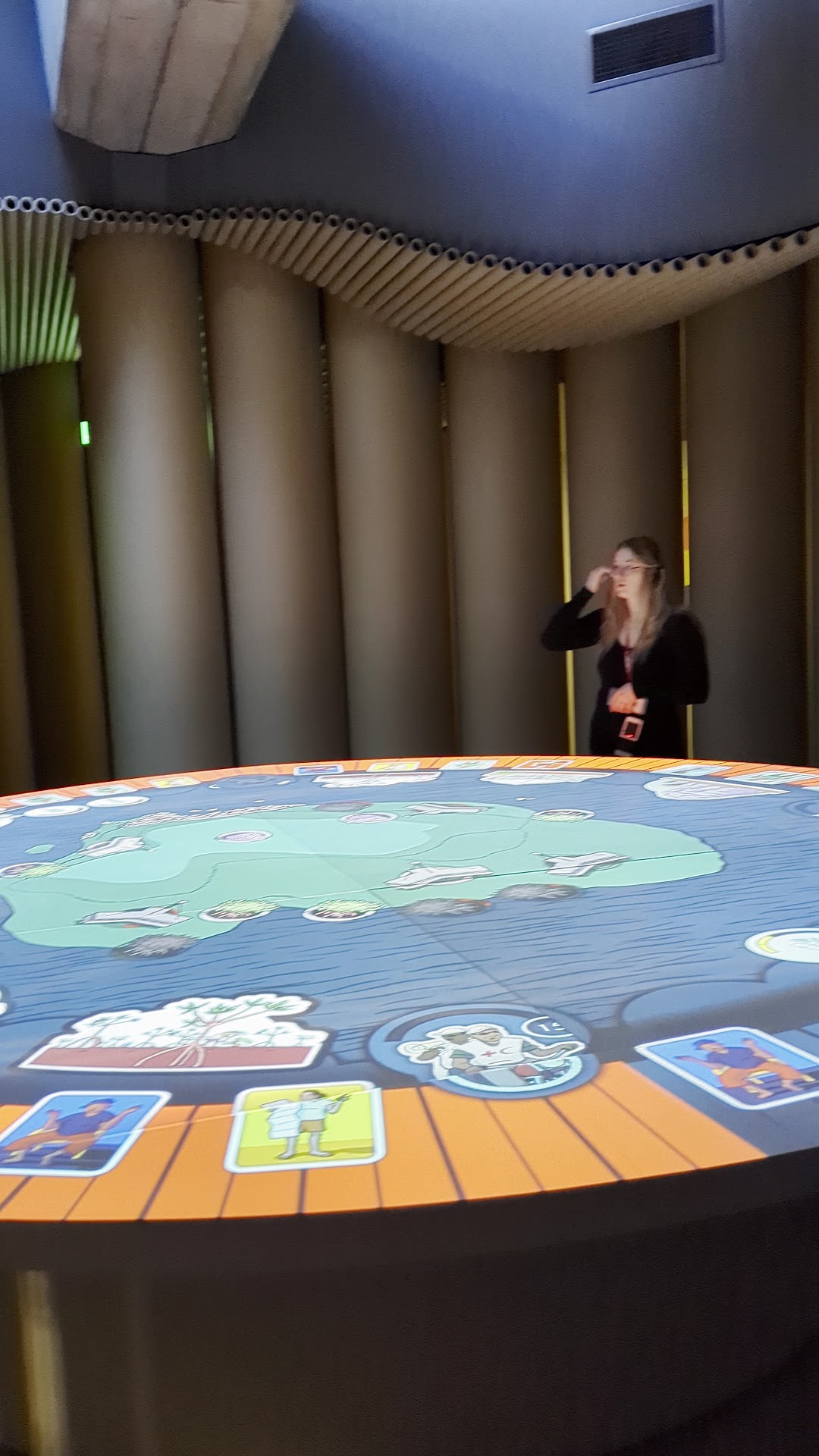
International Museum of the Red Cross and Red Crescent things to do, attractions, restaurants, events info and trip planning
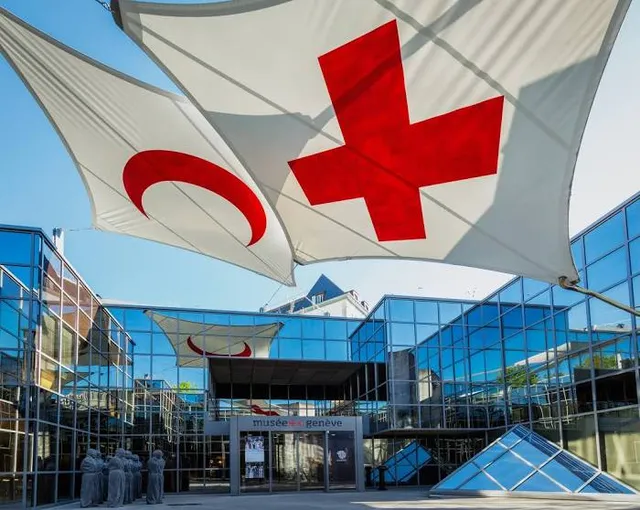
Basic Info
International Museum of the Red Cross and Red Crescent
Av. de la Paix 17, 1202 Genève, Switzerland
4.5(1.2K)
Closed


tickets
Save
spot
spot
Ratings & Description
Info
The International Red Cross and Red Crescent Museum is a museum located in Geneva, Switzerland.
Cultural
Accessibility
attractions: Palais des Nations, Musée Ariana, United Nations Office at Geneva, Statue de Gandhi, Broken Chair, Parc de l'Ariana, United Nations Museum, Museum of Military History, Parc de Vermont, Maison de la Paix, restaurants: Restaurant Vieux Bois, Hinivuu, La Vie des Champs, Restaurant Woods, Jardin de Penthes, China Garden, Restaurant le Tie-break, International Tennis Club, Medusa Restaurant, Bar les Nations, local businesses: Conservatory and Botanical garden Geneva, Botanical Garden Greenhouse, Geneva Botanical Garden - Tropical Greenhouse
 Learn more insights from Wanderboat AI.
Phone
+41 22 748 95 95
Website
redcrossmuseum.ch
Open hoursSee all hours
Sat10 AM - 5 PMClosed
Plan your stay

Pet-friendly Hotels in Geneva
Find a cozy hotel nearby and make it a full experience.

Affordable Hotels in Geneva
Find a cozy hotel nearby and make it a full experience.

The Coolest Hotels You Haven't Heard Of (Yet)
Find a cozy hotel nearby and make it a full experience.

Trending Stays Worth the Hype in Geneva
Find a cozy hotel nearby and make it a full experience.
Reviews
Live events

Create your own perfume from start to finish
Sat, Feb 7 • 10:00 AM
1205, Geneva, Switzerland
View details

Chocolate Flavours Tours of Geneva
Sat, Feb 7 • 10:00 AM
1201, Geneva, Switzerland
View details

Pixel Zoo Jungle - Joue. Apprends. Explore.
Sat, Feb 7 • 9:30 AM
Rue de Berne 49, Genève, 1201
View details
Nearby attractions of International Museum of the Red Cross and Red Crescent
Palais des Nations
Musée Ariana
United Nations Office at Geneva
Statue de Gandhi
Broken Chair
Parc de l'Ariana
United Nations Museum
Museum of Military History
Parc de Vermont
Maison de la Paix
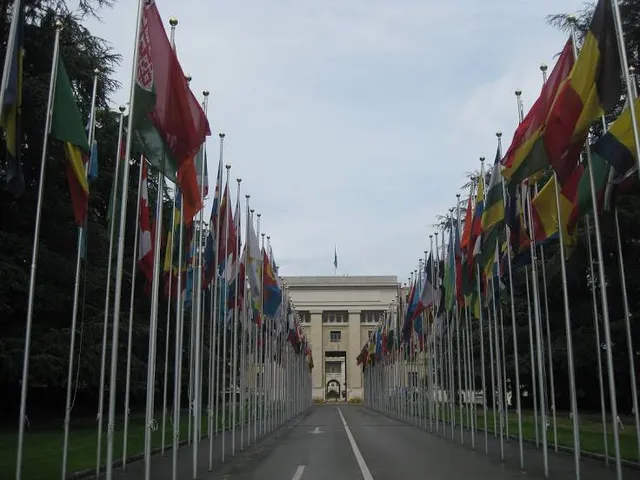
Palais des Nations
4.6
(1.9K)
Open until 12:00 AM
Click for details
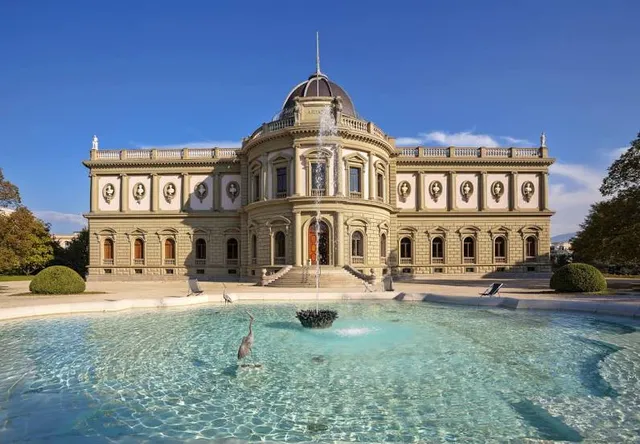
Musée Ariana
4.6
(420)
Closed
Click for details
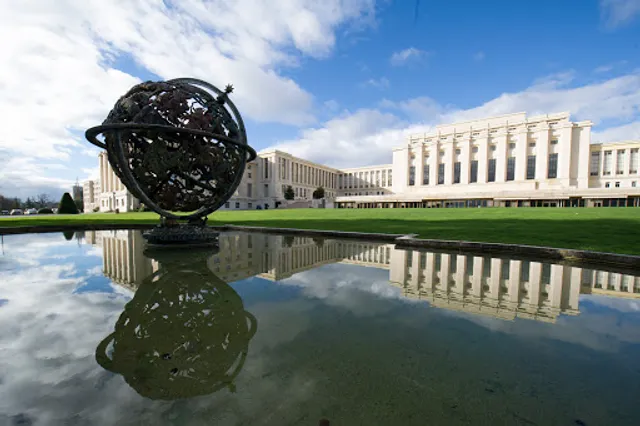
United Nations Office at Geneva
4.3
(510)
Open until 12:00 AM
Click for details
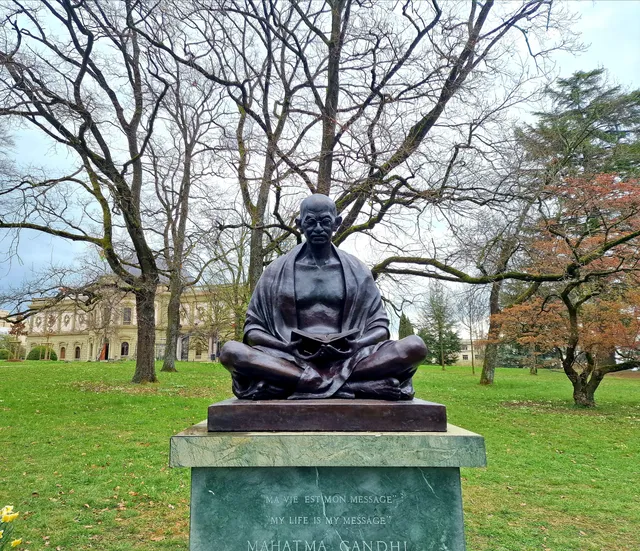
Statue de Gandhi
4.6
(90)
Open 24 hours
Click for details
Nearby restaurants of International Museum of the Red Cross and Red Crescent
Restaurant Vieux Bois
Hinivuu
La Vie des Champs
Restaurant Woods
Jardin de Penthes
China Garden
Restaurant le Tie-break
International Tennis Club
Medusa Restaurant
Bar les Nations
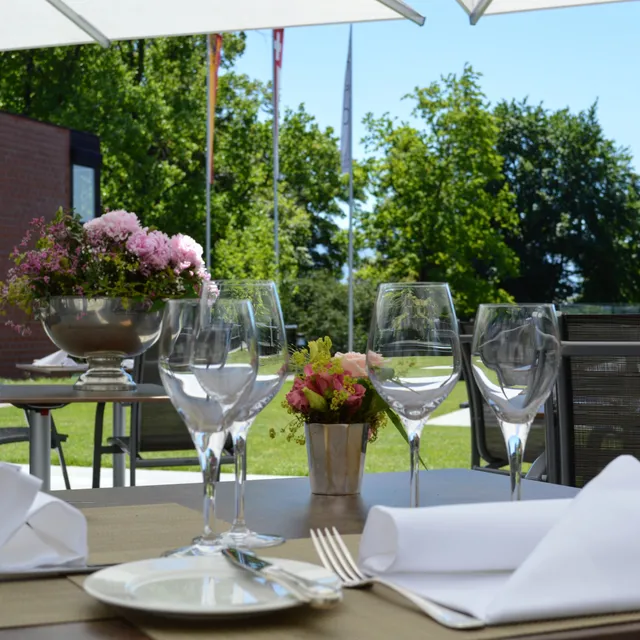
Restaurant Vieux Bois
4.8
(194)
$$
Open until 12:00 AM
Click for details

Hinivuu
4.6
(22)
Closed
Click for details
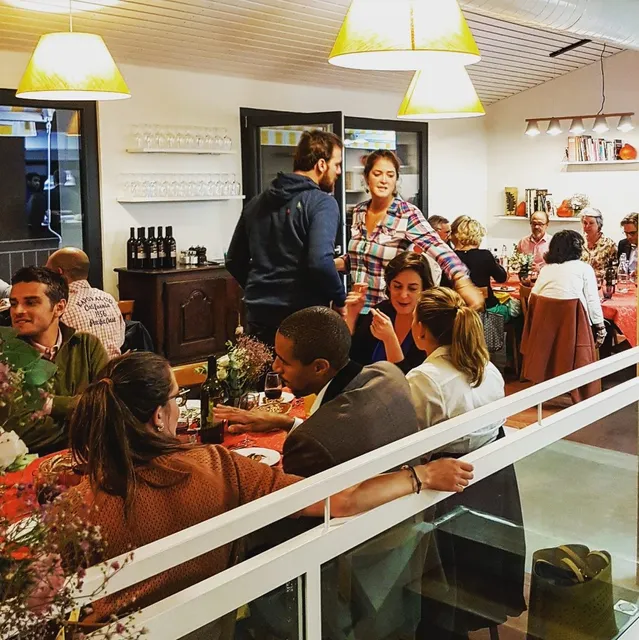
La Vie des Champs
4.7
(134)
Open until 12:00 AM
Click for details

Restaurant Woods
4.6
(100)
Closed
Click for details
Nearby local services of International Museum of the Red Cross and Red Crescent
Conservatory and Botanical garden Geneva
Botanical Garden Greenhouse
Geneva Botanical Garden - Tropical Greenhouse
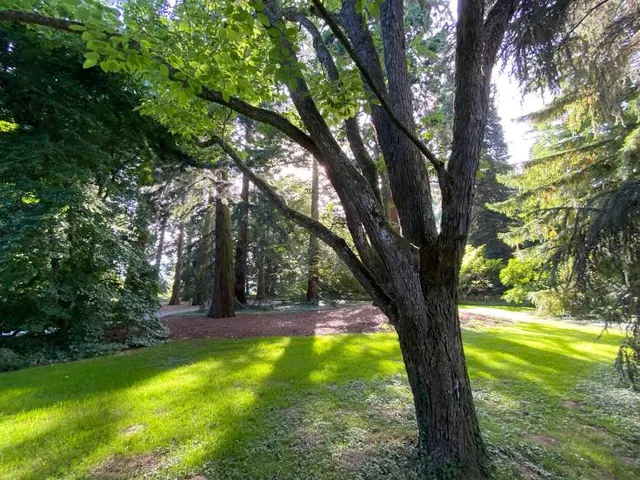
Conservatory and Botanical garden Geneva
4.7
(3.1K)
Click for details
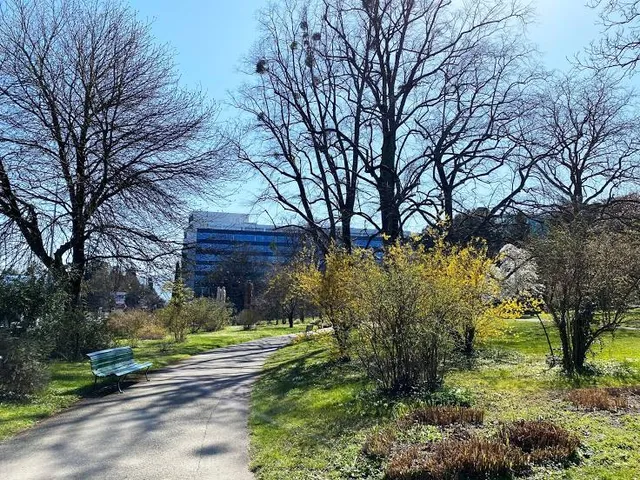
Botanical Garden Greenhouse
4.8
(128)
Click for details
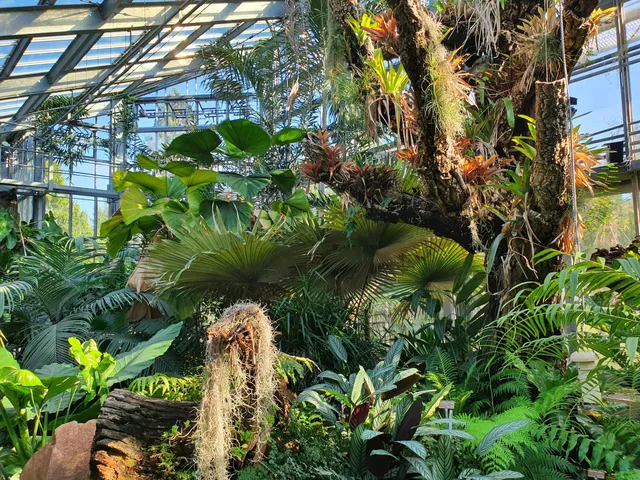
Geneva Botanical Garden - Tropical Greenhouse
5.0
(16)
Click for details