The Matterhorn - Majestic Alpine Icon of Switzerland
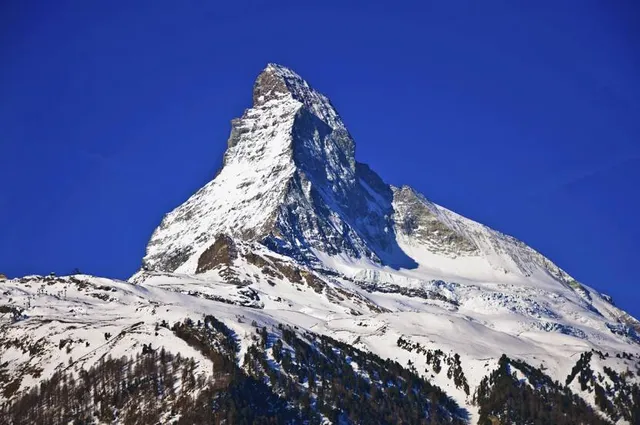
The Matterhorn, standing proudly at the heart of the Swiss Alps near the town of Zermatt, is a symbol of alpine grandeur and a pinnacle of natural beauty. Revered for its iconic pyramid shape, the Matterhorn captivates the imagination of travelers, mountaineers, and nature enthusiasts alike, offering an awe-inspiring spectacle against the backdrop of the Swiss skyline.
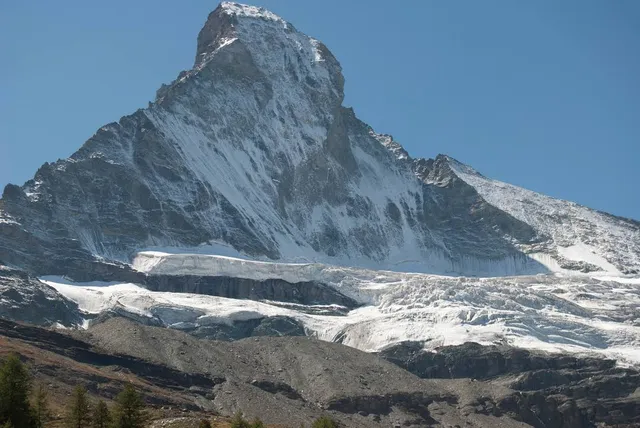
Unrivaled Beauty: The Matterhorn's sheer, symmetrical pyramid form is a testament to the forces that shaped it over millions of years. Its snow-covered peak, rising to an elevation of 4,478 meters (14,692 feet), pierces the sky with a dramatic allure. Whether bathed in the warm hues of sunrise or bathed in the ethereal glow of moonlight, the Matterhorn's beauty is a constant marvel.
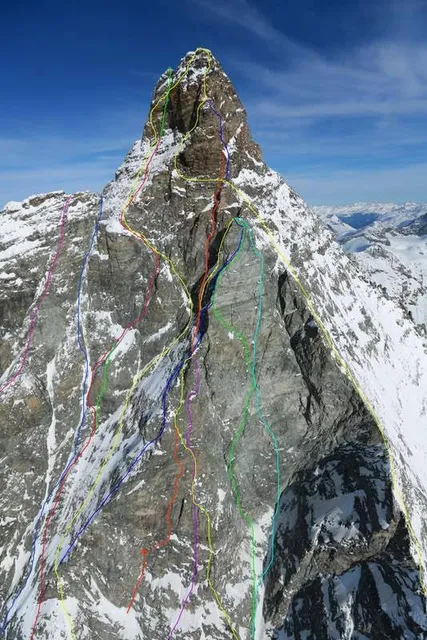
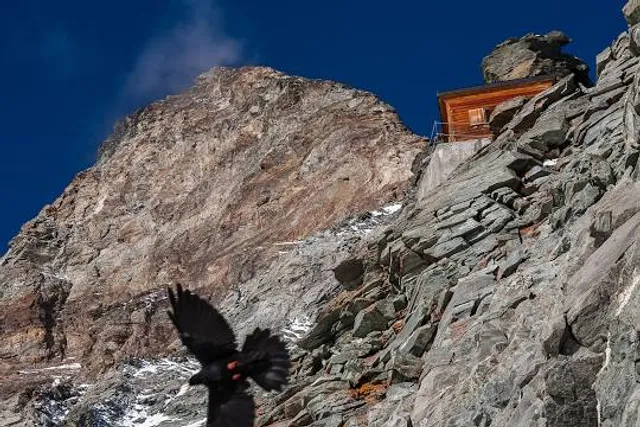
Mountaineering Legacy: The Matterhorn is a magnet for mountaineers seeking the ultimate challenge. The mountain gained international fame after the first successful ascent in 1865, a feat that tragically claimed the lives of some climbers. The Hörnli Route, the most popular ascent path, continues to attract experienced climbers, offering both a thrilling adventure and a deep respect for the mountain's formidable nature.
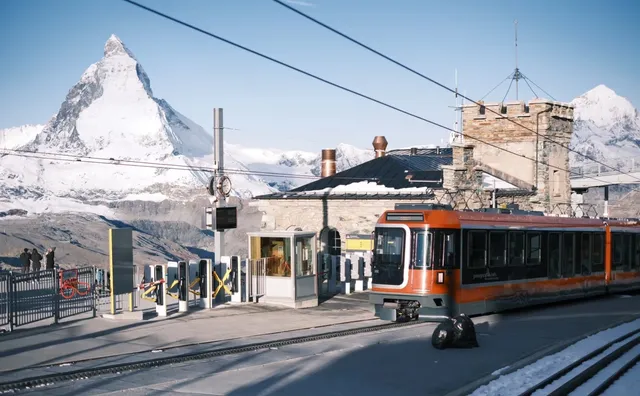
Gornergrat Railway: For those seeking a more leisurely encounter, the Gornergrat Railway provides a scenic journey to the Gornergrat summit, offering unparalleled views of the Matterhorn. The observatory at Gornergrat provides a panoramic vista that includes not only the Matterhorn but also a breathtaking array of surrounding peaks, glaciers, and the picturesque Zermatt valley.
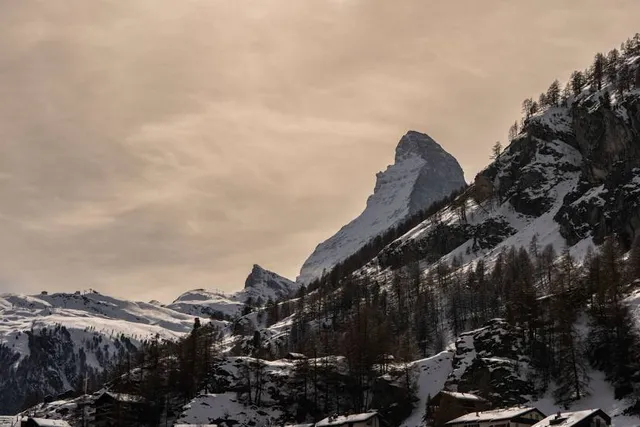
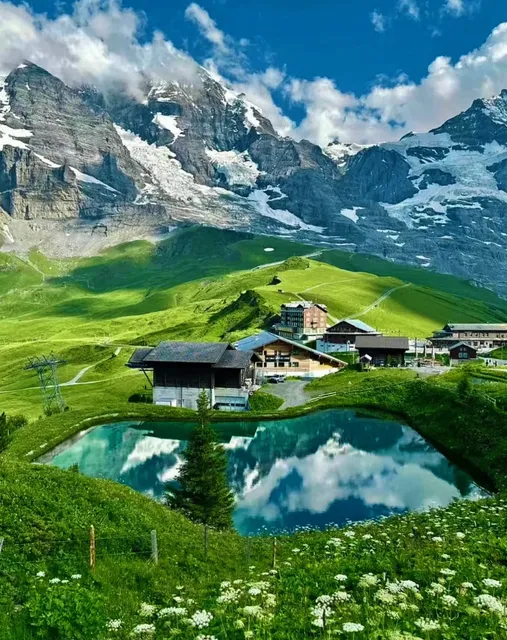
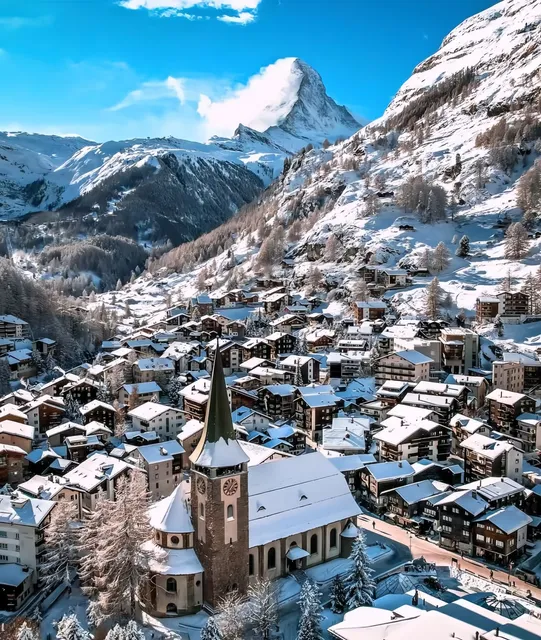
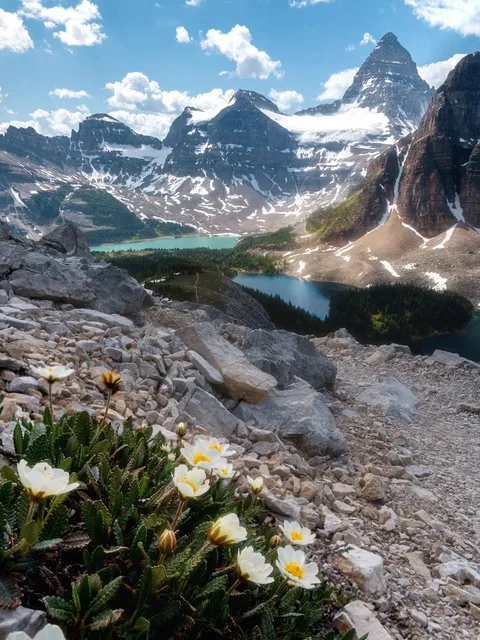
Seasonal Splendor: The Matterhorn's beauty changes with the seasons. In winter, its slopes become a playground for skiers and snowboarders, while the surrounding landscapes transform into a winter wonderland. In summer, wildflowers bloom, and hikers explore the scenic trails that reveal different facets of the mountain. Each season offers a unique perspective, ensuring that the Matterhorn remains a year-round attraction.
Photographic Marvel: Photographers from around the world are drawn to the Matterhorn's photogenic qualities. Whether captured against a clear blue sky, surrounded by swirling clouds, or mirrored in alpine lakes, the Matterhorn provides endless opportunities for capturing its majestic presence.
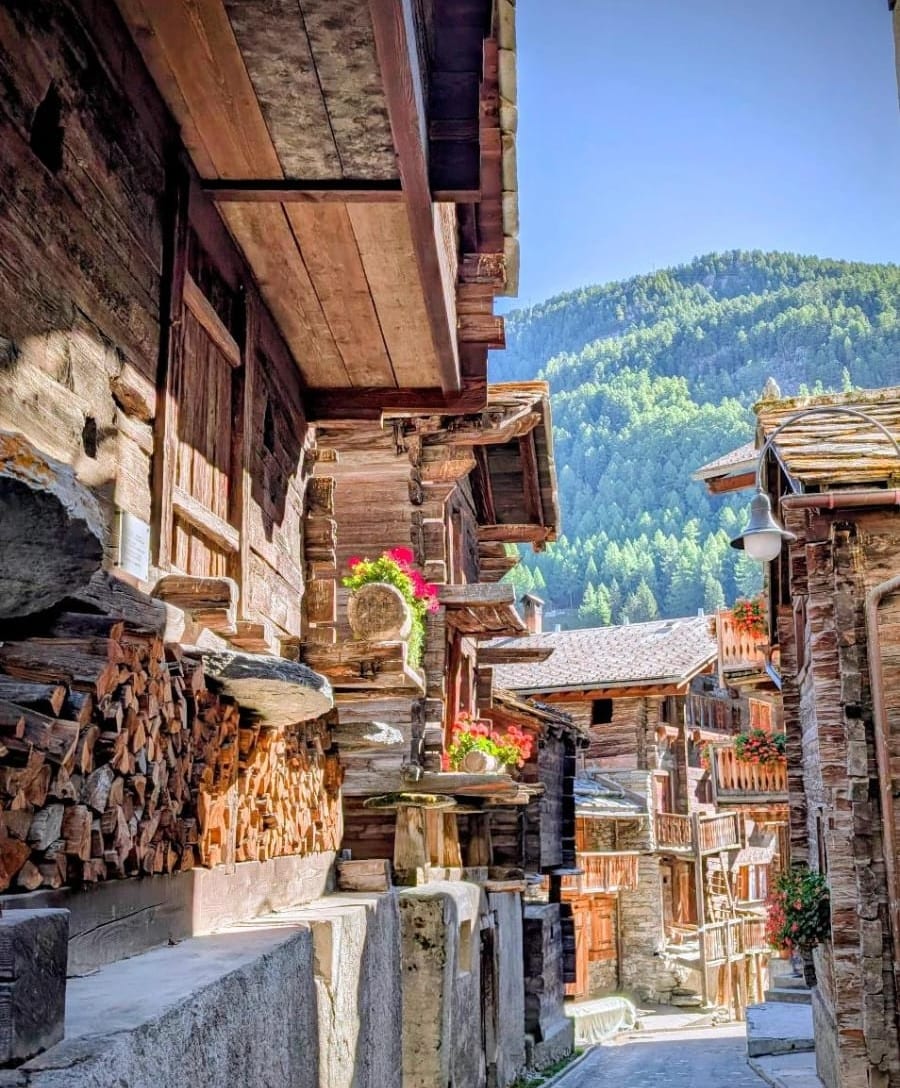
Zermatt Charm: The car-free village of Zermatt, nestled at the base of the Matterhorn, complements the mountain's allure. Quaint chalets, charming streets, and a warm hospitality make Zermatt an ideal base for exploring the region. The town's ambiance perfectly complements the majestic backdrop of the Matterhorn.
In conclusion, the Matterhorn stands as a timeless symbol of Switzerland's alpine splendor. Its beauty, steeped in mountaineering lore and embraced by the picturesque surroundings of Zermatt, creates an experience that transcends the ordinary. Whether gazing at its summit from afar or standing in its majestic presence, the Matterhorn invites all to witness the grandeur of nature in its purest form. A visit to the Matterhorn is an immersion into the soul-stirring beauty of the Swiss Alps, leaving an indelible mark on every traveler fortunate enough to behold its...
Read moreThe Matterhorn has a pyramidal shape with four faces nearly facing the four compass points. Three of them (north, east and west) are on the Swiss side of the border and watershed (Mattertal valley) and one of them (south) is on the Italian side of the border (Valtournenche valley). The north face overlooks the Ober Gabelhorn (7 km away) across the Zmutt Glacier and valley (above Zermatt), the east face overlooks the Gorner Glacier system between the Gornergrat and Monte Rosa (respectively 10 and 17 km away) across the Theodul Pass, the west face overlooks the upper basin of the Zmutt Glacier between the Dent Blanche and the Dent d'Hérens (respectively 7 and 4 km away) and the south face fronts the resort town of Breuil-Cervinia and overlooks a good portion of the Valtournenche. The Matterhorn does not form a perfect square pyramid, as the north and south faces are wider than the west and east faces. Moreover, the latter faces do not actually meet on the summit but are connected by a 100-metre-long horizontal west–east ridge between the north and south faces.
The Matterhorn's faces are steep, and only small patches of snow and ice cling to them; regular avalanches send the snow down to accumulate on the glaciers at the base of each face, the largest of which are the Tiefmattengletscher to the west, part of the Zmutt Glacier, and the Matterhorn Glacier to the north. Smaller glaciers lie at the base of the south face (the Lower Matterhorn Glacier) and the east face (unnamed). In this area, the border between Switzerland and Italy coincides with the main Alpine watershed, separating the drainage basin of the Rhone on the north (Mediterranean Sea) and that of the Po on the south (Adriatic Sea). The north side is drained by the Zmuttbach (west and north faces) and the Gornera through the Furggbach (east face), tributaries of the Rhone through the (Matter) Vispa.[25] The south side and face is drained by the Marmore torrent, tributary of the Po through the Dora Baltea (or Doire baltée). The Theodul Pass, located on the watershed between the Matterhorn and the Breithorn, at 3,295 metres, is the easiest passage between the two valleys and countries (the slightly lower Furggjoch not being used as a pass). The pass was used as a crossover and trade route for the Romans and the Romanised Celtic population Salassi between 100 BCE and 400 CE.[26] The area is now heavily glaciated and covered on the north side by the Theodul Glacier.
Well-known faces are the east and north, visible from the area of Zermatt, although mostly hidden from the Mattertal by the chain of the Weisshorn. The east face is 1,000 metres high and, because it is "a long, monotonous slope of rotten rocks",[27] presents a high risk of rockfall, making its ascent dangerous. The north face is 1,200 metres high and is one of the most dangerous north faces in the Alps, in particular for its risk of rockfall and storms. The south face, well visible from the Valtournenche, is 1,350 metres high and offers many different routes. The west face, the highest at 1,400 metres, has the fewest ascent routes and lies in a more remote area than the...
Read moreThe Matterhorn was studied by Horace-Bénédict de Saussure in the late eighteenth century, and was followed by other renowned naturalists and artists, such as John Ruskin, in the 19th century. It remained unclimbed after most of the other great Alpine peaks had been attained and became the subject of an international competition for the summit. The first ascent of the Matterhorn was in 1865 from Zermatt by a party led by Edward Whymper, but during the descent, a sudden fall claimed the lives of four of the seven climbers. This disaster, later portrayed in several films, marked the end of the golden age of alpinism.[3] The north face was not climbed until 1931 and is among the three biggest north faces of the Alps, known as "The Trilogy". The west face, the highest of the Matterhorn's four faces, was completely climbed only in 1962. It is estimated that over 500 alpinists have died on the Matterhorn, making it one of the deadliest peaks in the world.[4]
The Matterhorn is mainly composed of gneisses (originally fragments of the African Plate before the Alpine orogeny) from the Dent Blanche nappe, lying over ophiolites and sedimentary rocks of the Penninic nappes. The mountain's current shape is the result of cirque erosion due to multiple glaciers diverging from the peak, such as the Matterhorn Glacier at the base of the north face. Sometimes referred to as the Mountain of Mountains (German: Berg der Berge),[5] it has become an indelible emblem of the Alps in general. Since the end of the 19th century, when railways were built in the area, the mountain has attracted increasing numbers of visitors and climbers. Each year, numerous mountaineers try to climb the Matterhorn from the Hörnli Hut via the northeast Hörnli ridge, the most popular route to the summit. Many trekkers also undertake the 10-day-long circuit around the mountain. The Matterhorn has been part of the Swiss Federal Inventory of Natural...
Read more