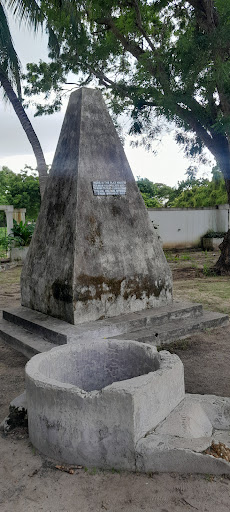
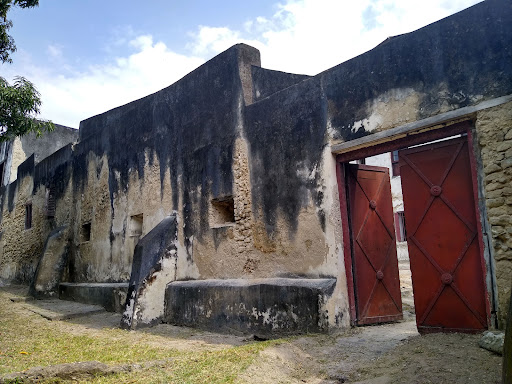
Old Arab Fort of Bagamoyo things to do, attractions, restaurants, events info and trip planning
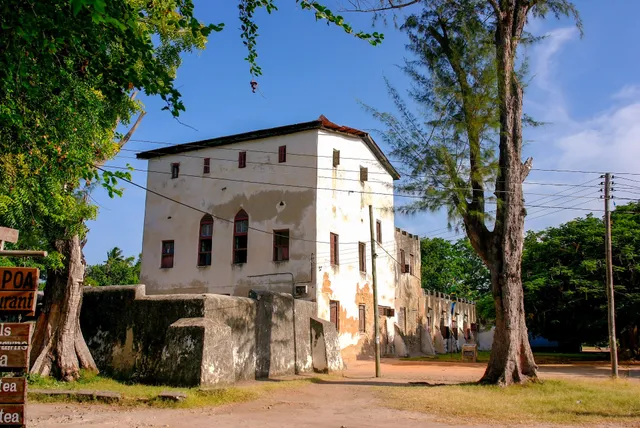
Basic Info
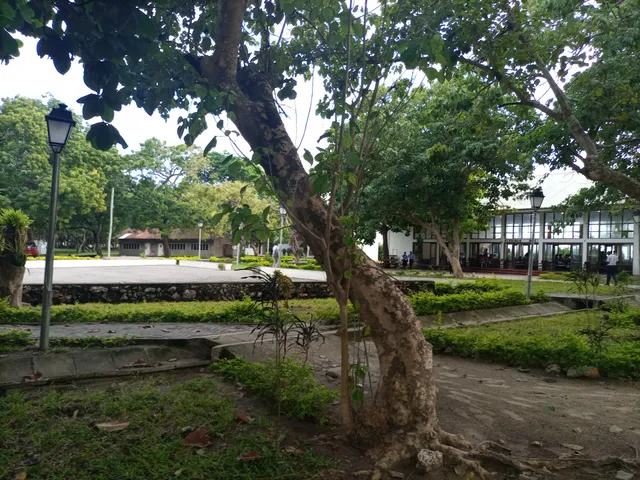
Old Arab Fort of Bagamoyo
HW46+5CW, Bagamoyo, Tanzania
4.4(72)
Closed
Save
spot
spot
Ratings & Description
Info
Cultural
Scenic
Family friendly
attractions: Old German Boma, Bagamoyo Beach, The Caravan Serai Slave Trade Museum, restaurants: Poa Poa Restaurant, Nashe's Cafe', The D'z, local businesses: TASUBA College of Arts
 Learn more insights from Wanderboat AI.
Phone
+255 685 451 888
Website
instagram.com
Open hoursSee all hours
Tue8 AM - 7 PMClosed
Plan your stay

Pet-friendly Hotels in Pwani Region
Find a cozy hotel nearby and make it a full experience.

Affordable Hotels in Pwani Region
Find a cozy hotel nearby and make it a full experience.

The Coolest Hotels You Haven't Heard Of (Yet)
Find a cozy hotel nearby and make it a full experience.

Trending Stays Worth the Hype in Pwani Region
Find a cozy hotel nearby and make it a full experience.
Reviews
Nearby attractions of Old Arab Fort of Bagamoyo
Old German Boma
Bagamoyo Beach
The Caravan Serai Slave Trade Museum
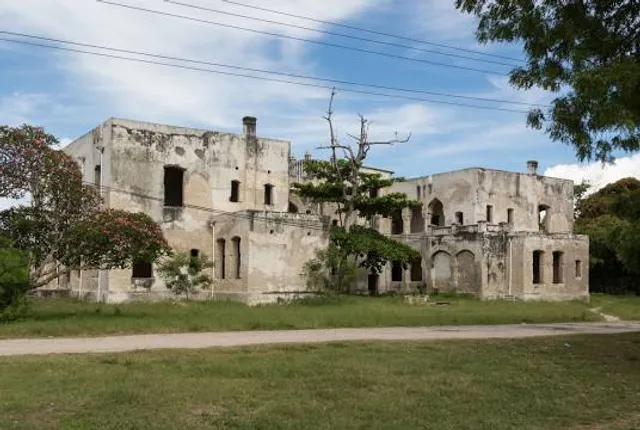
Old German Boma
4.2
(129)
Closed
Click for details

Bagamoyo Beach
4.2
(62)
Open 24 hours
Click for details
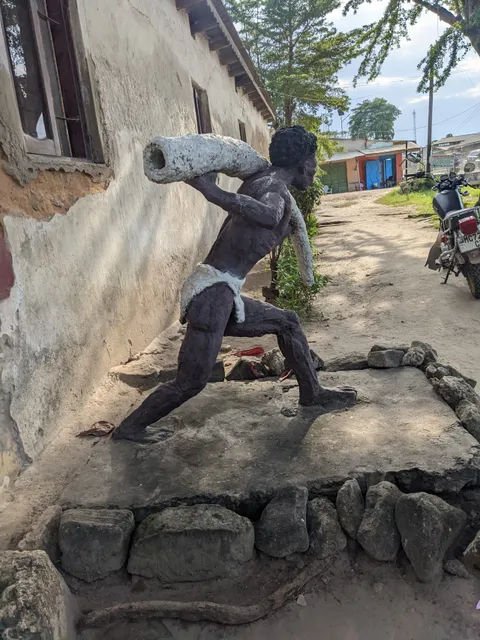
The Caravan Serai Slave Trade Museum
4.4
(74)
Open 24 hours
Click for details
Nearby restaurants of Old Arab Fort of Bagamoyo
Poa Poa Restaurant
Nashe's Cafe'
The D'z
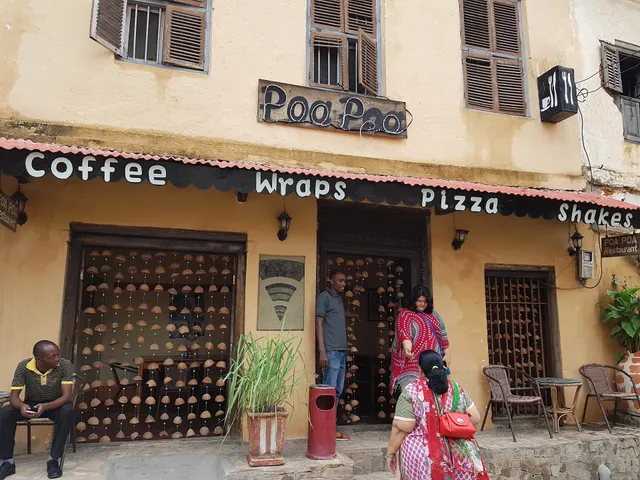
Poa Poa Restaurant
4.5
(172)
$
Closed
Click for details
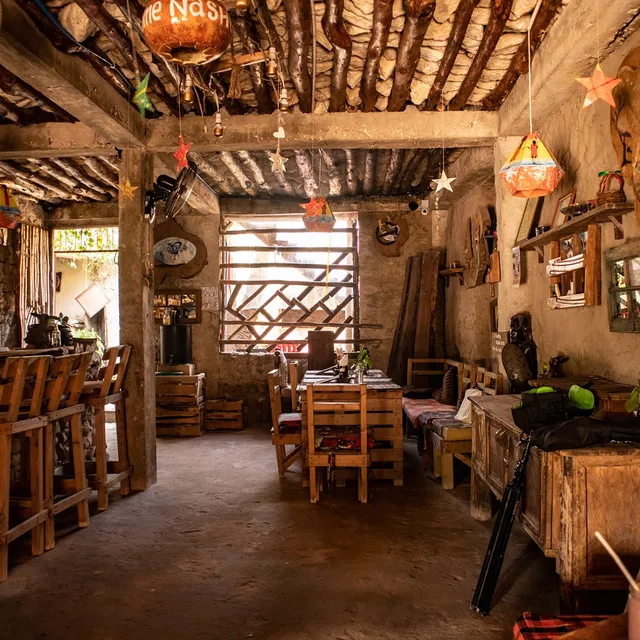
Nashe's Cafe'
4.6
(120)
$
Closed
Click for details
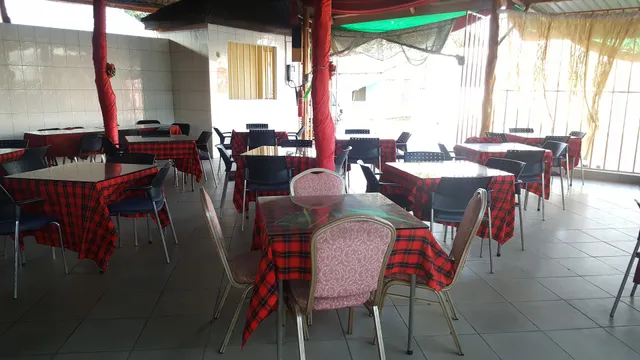
The D'z
3.7
(121)
$
Closed
Click for details
Nearby local services of Old Arab Fort of Bagamoyo
TASUBA College of Arts
TASUBA College of Arts
4.3
(72)
Click for details