🛕 Discovering the Timeless Charm of Wat Kudidao – Ayutthaya’s Hidden Gem
Tucked away in the historic city of Ayutthaya, Wat Kudidao is a captivating reminder of Thailand’s glorious past. Though lesser known among tourists, this ancient temple holds a powerful presence with its towering weathered columns and remnants of intricate architecture that echo the grandeur of the Ayutthaya Kingdom.
🌟 Highlights & Attractions
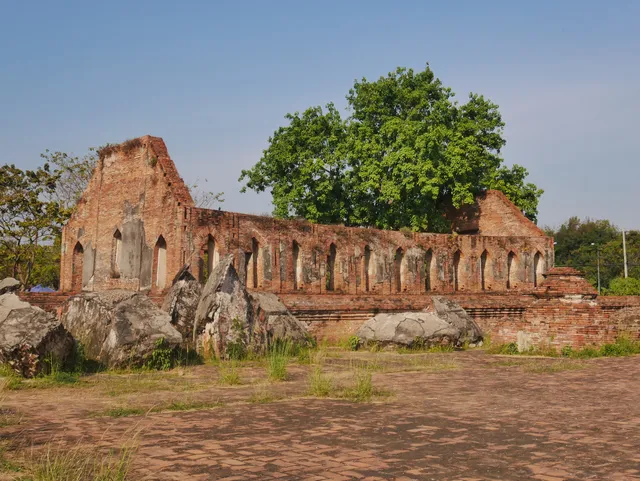
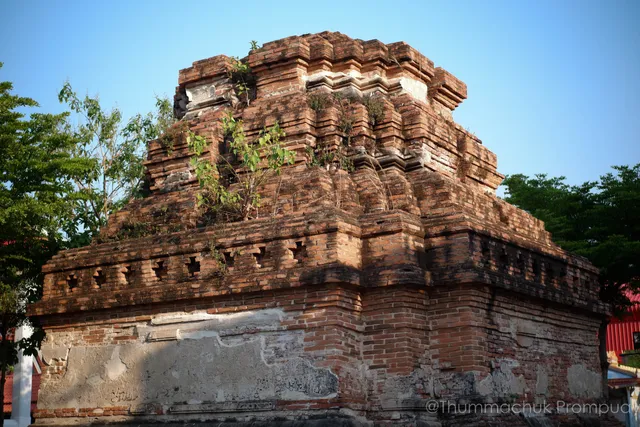
The moment you step onto the terracotta-tiled floor of Wat Kudidao, you’re greeted by the majestic rows of tall brick-and-stucco pillars — strikingly dramatic and photogenic. These aged columns, once supporting the main prayer hall (ubosot), now stand proudly under the open sky, weathered beautifully with time. The red brick walls and pointed arch windows show classic Ayutthaya-era craftsmanship, giving visitors a glimpse into the elegance and artistry of that period.
One of the most fascinating elements is the temple’s serene, abandoned atmosphere. It feels like walking through history — quiet, solemn, yet incredibly peaceful. You won’t find crowds here, making it the perfect spot for reflection, photography, or simply soaking in the atmosphere of old Siam.
🚗 How to Get There
Wat Kudidao is located just east of Ayutthaya’s city island, close to Wat Maheyong. The temple is easily accessible by: • Car or Motorbike: From central Ayutthaya, it’s just a 5-10 minute drive. Ample parking is available. • Tuk-tuk or Bicycle: Renting a tuk-tuk for a day is a convenient way to visit several temples, or you can explore at your own pace by bike. • GPS Coordinates: 14.3580° N, 100.5848° E
📝 Travel Tips • Best time to visit: Early morning or late afternoon for the best light and cooler weather. • Entrance Fee: Free of charge. • What to bring: Water, sunscreen, and a camera for those dramatic pillar shots!
📷 Final Thoughts
If you’re a history enthusiast, photographer, or someone who loves peaceful off-the-beaten-path spots, Wat Kudidao is a must-visit. While Ayutthaya has many famous temples, this one offers a rare mix of mystery, majesty, and solitude — a truly immersive experience into...
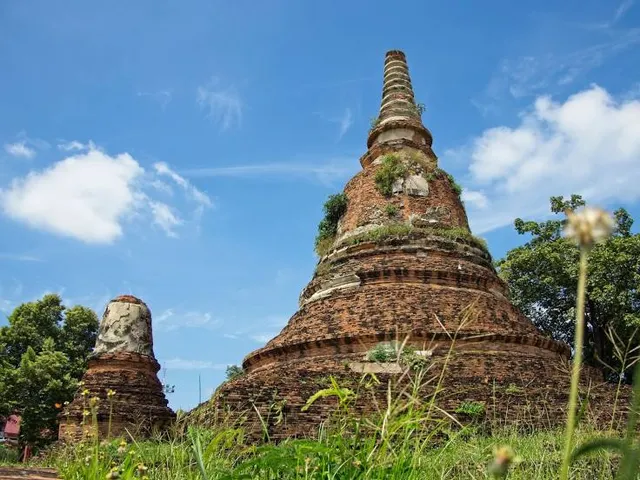
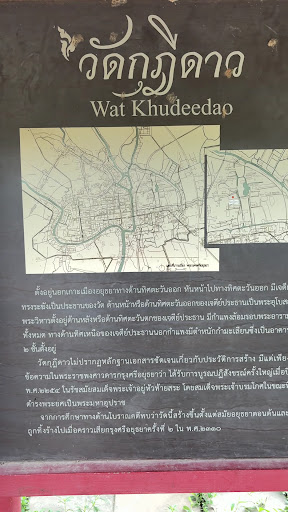
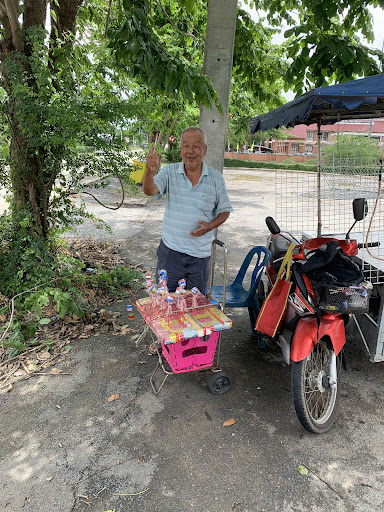
Read moreIn A.D. 1711 King Narai built Wat Kudi Dao for the purpose of Buddhist temple and restored by King Thai Sa in A.D.1711 (abandoned when Ayutthaya fell to Burmese in A.D. 1767), resided by Reverend Thep Muni important priest, the consultant to Crown Prince Boromakot ( King Boromakot died in A.D. 1758 who should inherited the throne next resulting to bloody conflict, resolved by Reverend Thep Muni ‘ s negotiator, finally King Uthumpirn entered the monkhood at Wat Pradu Songtham, within 10 days crowded King Suriyamarin( Ekathat). Kudi Dao named after Klong(canal) Kudi Dao or Klong Ayodhya. Wat Kudi Dao was located off city island at the east, architecture of this temple was Sri Lankan style.Ubosot or Ordination hall with the size of 15.4 m. width and 22.8 m. length, main entrance face east, 3 gates at the front, 2 gates at the back. Viharn was huge architectural late Ayutthaya era ,with the size of 14 m. width and 27m.length, 2 gates at the front, 2 gates at the back,base of the middle of Viharn constructed similar to junk’ s futtock.Principal Chedi (stupa) is the bell shaped, Sri Lankan style, 8 smaller stupa surrounded. Tumnak(house or residence of royalty) Kummalaen where Crowded Prince (later king) resided. Chedi , Viharn and Ubosot were inside the low enclosure wall. The entrance of Wat Kudi Dao( opposites side of the street) a senior man sell the toys(he told that this kind of toy inherited from Ayutthaya era, formerly made of soils and it will provide sound...
Read moreวัดกุฎีดาว ถ้าดูเสื้อที่ใส่จะทราบว่ามาที่วัดนี้ 2 วัน ขอบอกว่า ก่อนมาอยุธยา ไม่รู้จัก ไม่เคยได้ยินชื่อ แม้ตอนหาข้อมูลและวางแผนเส้นทางเดิน ก็กำหนดให้วัดมเหยงคณ์เป็นวัดหลักในการเดินทาง สุดท้ายเมื่อมาเห็นวัด จึงได้รู้ว่ากำหนดเวลาผิดพลาด ไม่สามารถเดินให้จบตามเวลาที่เหลือ จนต้องกลับมาเก็บละเอียดอีกรอบภายหลัง ประวัติการก่อสร้างวัดกุฎีดาวไม่ชัดเจน ปรากฏในหนังสือ พงศาวดารเหนือ ว่า พระยาธรรมิกราช ซึ่งเป็นพระราชโอรสของพระเจ้าสายน้ำผึ้งทรงสร้างเมื่อจุลศักราช 671 ปีเถาะ เอกศก และพระอัครมเหสี ของพระองค์ทรงสร้างวัดมเหยงคณ์ขึ้นคู่กัน ส่วนใน คำให้การขุนหลวงหาวัด กล่าวว่า "...พระมหาบรมราชาทรงสร้างวัดกุฎีดาว (กุฎิทวา) และพระภูมินทราธิบดีทรงสร้างวัดมเหยงคณ์" แต่พระราชพงศาวดารกรุงศรีอยุธยาหลายฉบับกล่าวความต้องกันว่า "...สมเด็จพระบรมราชาธิราช (เจ้าสามพระยา) ทรงสร้างวัดมเหยงคณ์และไม่มีฉบับใดกล่าวถึงวัดกุฎีดาว จนกระทั่งสมัยอยุธยาตอนปลาย เมื่อมีการบูรณปฏิสังขรณ์ วัดมเหยงคณ์ครั้งใหญ่ในรัชสมัยสมเด็จพระเจ้าท้ายสระ..." จึงสันนิษฐานได้ว่า วัดกุฎีดาวอาจจะสร้างรุ่นราวคราวเดียวกับวัดมเหยงคณ์ หรือหลังจากวัดมเหยงคณ์เล็กน้อย แต่หลักฐานการปฏิสังขรณ์มีเนื้อหาทำนองเดียวกันคือ วัดกุฎีดาวได้รับการปฏิสังขรณ์โดยสมเด็จพระเจ้าอยู่หัวบรมโกศซึ่งขณะนั้นดำรงพระอิสริยยศกรมพระราชวังบวรสถานมงคล เมื่อประมาณปี พ.ศ. 2254–2258 โดย พ.ศ. 2258 มีการจัดงานฉลองวัดเป็นงานใหญ่ ดังข้อความว่า "…ณ ปีมะแม สัปตศกนั้น พระมหาอุปราชให้ฉลองวัดกุฎีดาว บำเพ็ญพระราชกุศลให้ทานสักการบูชาแก่พระรัตนตรัยเป็นอันมาก ให้เล่นงานมหรสพสมโภช ๗ วัน การฉลองนั้นสำเร็จบริบูรณ์…" หลังจากนี้ไม่มีเรื่องราวถึงวัดกุฎีดาวในเรื่องของการก่อสร้างหรือซ่อมแซมอีก แต่ปรากฏว่าวัดกุฎีดาวเป็นวัดหลวง ปรากฏหลักฐานเมื่อสมเด็จพระเจ้าอุทุมพรเสด็จขึ้นครองราชย์ใหม่ ๆ ทรงนิมนต์พระราชาคณะ 5 รูป ช่วยเจรจา ประนีประนอมกับเจ้าสามกรม หนึ่งในนั้นคือ พระเทพมุนีวัดกุฎีดาว ซึ่งต่อมาเป็นสมเด็จพระสังฆราชในสมัยสมเด็จพระเจ้าเอกทัศน์ ซากโบราณสถานของวัดกุฎีดาวเป็น กลุ่มโบราณสถานในเขตพุทธาวาส อยู่ในวงกำแพงแก้ว มีเฉพาะอาคารพระตำหนัก หรือที่เรียกกันว่า กำมะเลียน เท่านั้น ส่วนที่อยู่นอกกำแพงแก้วด้านทิศเหนือ เข้าใจว่าอาจเป็นเขตสังฆาวาสในสมัยโบราณ แต่กุฎิเสนาสนะอื่น ๆ คงปรักพังสูญหายไปตามกาลเวลา เนื่องจากสมัยโบราณนิยมสร้างด้วยเครื่องไม้ ในเขตพุทธาวาส ประกอบด้วยกำแพงและซุ้มประตู ทอดยาวจากทิศตะวันออกไปสู่ทิศตะวันตก ล้อมรอบเขตพุทธาวาส อุโบสถตั้งอยู่ด้านหน้าวัดและหน้าเจดีย์ใหญ่ ลักษณะฐานด้านข้างเป็นเส้นโค้งหย่อนดังท้องสำเภาตามแบบอยุธยาสภาพอาคารปัจจุบันปรักพัง เหลือผนังเพียง 3 ด้าน คือ ด้านหน้าและด้านข้างทั้งสอง หลังคาคงจะเป็นเครื่องไม้มุงกระเบื้องซึ่งหักพังหมดแล้วเหลือร่องรอยเป็น ช่องรับขื่อคานและคันทวย เจดีย์ประธานตั้งอยู่หลังอุโบสถ ปัจจุบันอยู่ในสภาพปรักพัง มียอดหัก เหลือเพียงองค์ระฆังบางส่วน เจดีย์องค์นี้คงได้รับการบูรณะปฏิสังขรณ์ไม่ต่ำกว่า 2 ครั้ง วิหารตั้งอยู่หลังเจดีย์ประธาน ขนาดอาคารเล็กกว่าอุโบสถ แต่ฐานมุขด้านหน้าและหลังไม่ได้ย่อมุม ด้านข้างเป็นเส้นโค้งหย่อนท้องสำเภาน้อยกว่าอุโบสถ มีเจดีย์รายกระจายอยู่ตามจุดต่าง ๆ รวม 14 องค์ ด้านนอกกำแพงประกอบด้วย กุฏิสงฆ์เหลือเพียงฐาน ตั้งอยู่นอกกำแพงด้านทิศใต้ พระตำหนักหรือกำมะเลียน เป็นอาคาร 2 ชั้น ก่ออิฐถือปูน สันนิษฐานว่าเป็นที่ประทับของสมเด็จพระเจ้าบรมโกศ ขณะ เมื่อประทับแรมควบคุมการบูรณปฏิสังขรณ์วัด หลังจากนั้นคงจะถวายวัด และอาจใช้เป็นกุฎิเจ้าอาวาสหรือ ศาลาการเปรียญ มีหน้าต่างเป็นทรงโค้งแหลม ภายในอาคารชั้นล่าง มีเสาตอม่อ 8 เหลี่ยม 2 แถว...
Read more