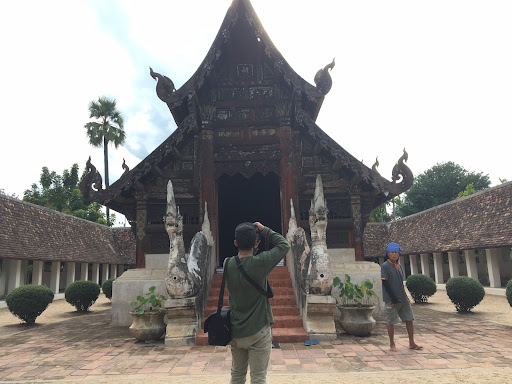
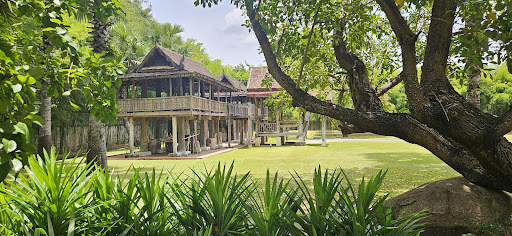
Wat Intharawat (Wat Ton Kwen) things to do, attractions, restaurants, events info and trip planning
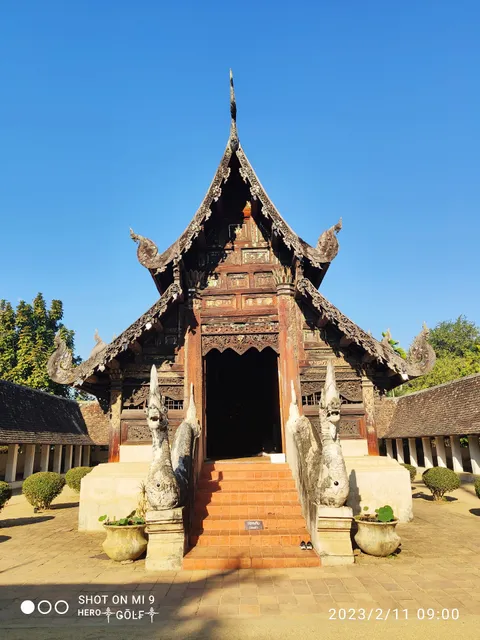
Basic Info
Wat Intharawat (Wat Ton Kwen)
PWFG+45F บ้านต้นเกว๋น ซอย 3 Nong Kwai, Hang Dong District, Chiang Mai 50230, Thailand
4.8(1.4K)
Open until 5:00 PM
Save
spot
spot
Ratings & Description
Info
Cultural
Scenic
Family friendly
Accessibility
attractions: , restaurants: Fishball Noodle Jea-Da, Din Cafe, Little Red Oven Pizza Hangdong-Samoeng, Tara Coffee - Sai Samoeng, local businesses: Wat Intharawat (Wat Ton Kwen), Malada Home and Resort, SanSai market, Lanna Montra, Go Bee Fishing Park
 Learn more insights from Wanderboat AI.
Website
facebook.com
Open hoursSee all hours
Fri6 a.m. - 5 p.m.Open
Plan your stay

Pet-friendly Hotels in Chiang Mai Province
Find a cozy hotel nearby and make it a full experience.

Affordable Hotels in Chiang Mai Province
Find a cozy hotel nearby and make it a full experience.

The Coolest Hotels You Haven't Heard Of (Yet)
Find a cozy hotel nearby and make it a full experience.

Trending Stays Worth the Hype in Chiang Mai Province
Find a cozy hotel nearby and make it a full experience.
Reviews
Live events

Aromdii Thai cooking
Sat, Feb 14 • 9:00 AM
Haiya Sub-district, Chiang Mai, 50100, Thailand
View details
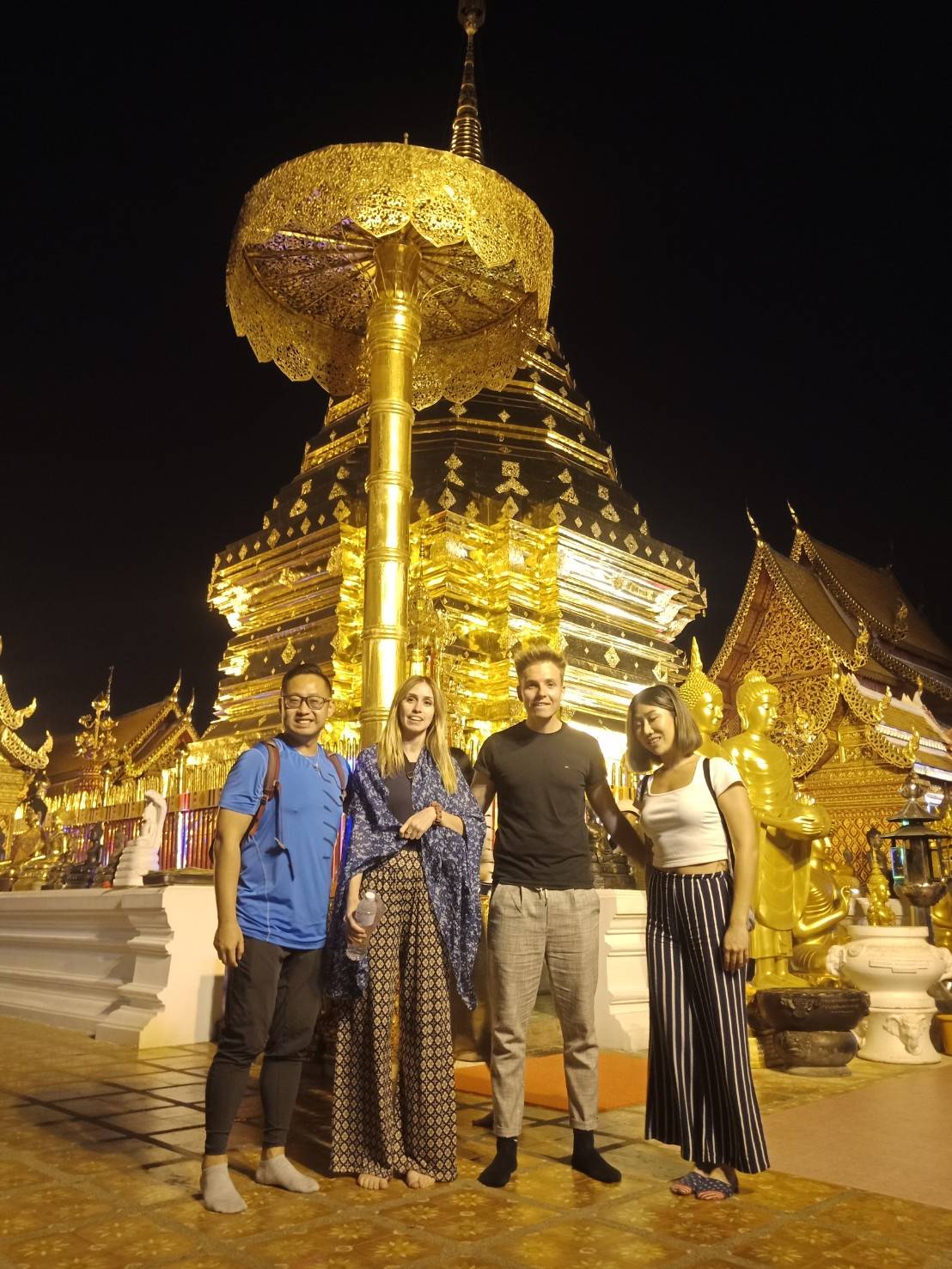
Doi Suthep Temple & Wat Pha Lat Hike
Fri, Feb 13 • 1:30 PM
Tambon Chang Khlan, Chang Wat Chiang Mai, 50200, Thailand
View details
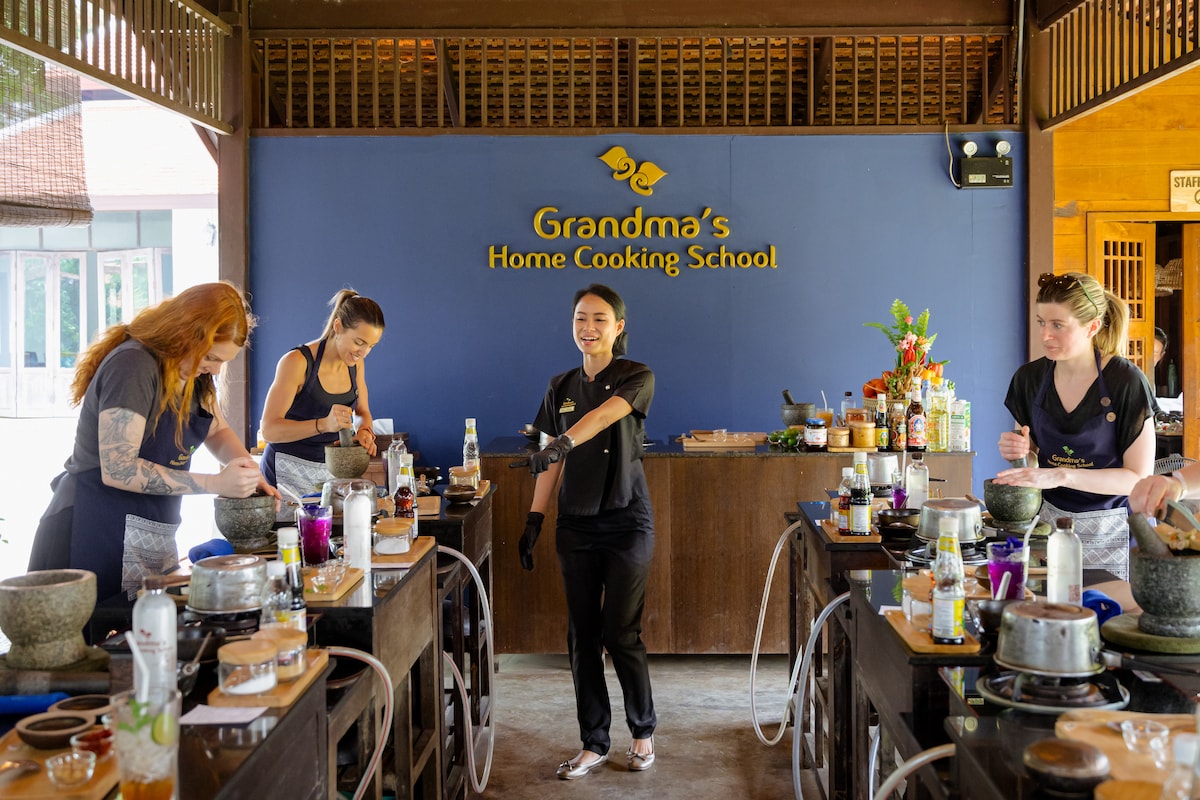
Cook Thai Dishes on Grandmas Organic Farm
Fri, Feb 20 • 12:00 PM
Saraphi, Chiang Mai, 50140, Thailand
View details
Nearby restaurants of Wat Intharawat (Wat Ton Kwen)
Fishball Noodle Jea-Da
Din Cafe
Little Red Oven Pizza Hangdong-Samoeng
Tara Coffee - Sai Samoeng
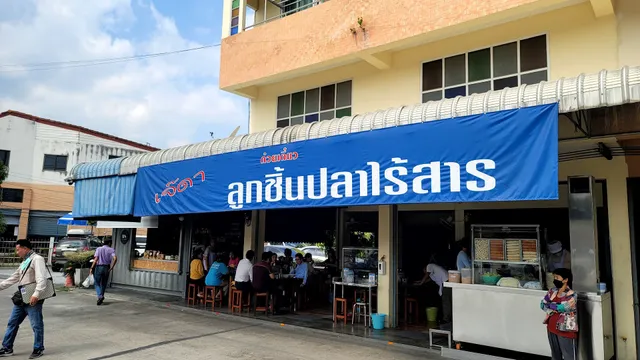
Fishball Noodle Jea-Da
4.5
(588)
Click for details
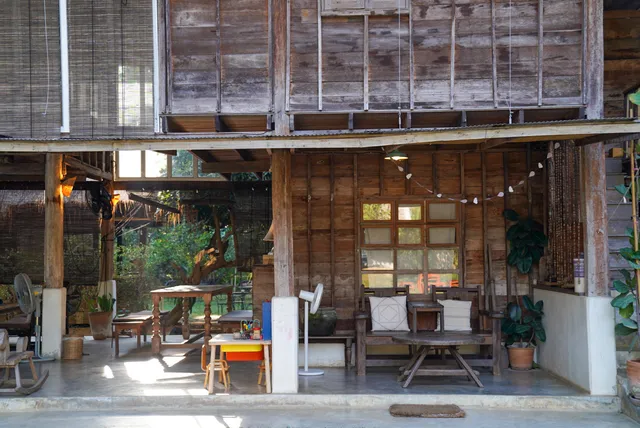
Din Cafe
4.5
(254)
Open until 5:00 PM
Click for details
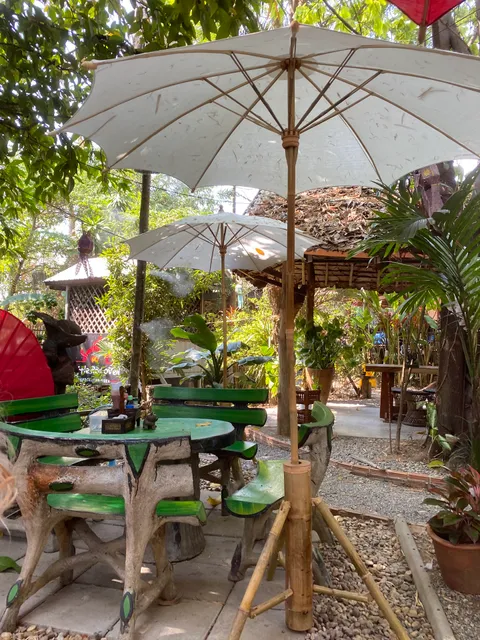
Little Red Oven Pizza Hangdong-Samoeng
4.4
(78)
Closed
Click for details
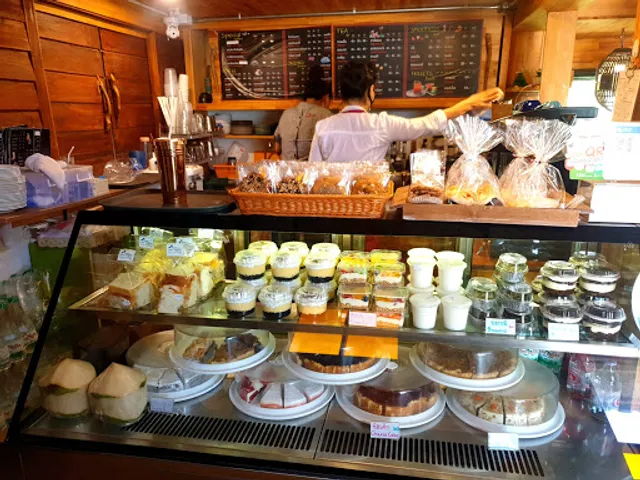
Tara Coffee - Sai Samoeng
4.6
(103)
Open until 5:00 PM
Click for details
Nearby local services of Wat Intharawat (Wat Ton Kwen)
Wat Intharawat (Wat Ton Kwen)
Malada Home and Resort
SanSai market
Lanna Montra
Go Bee Fishing Park
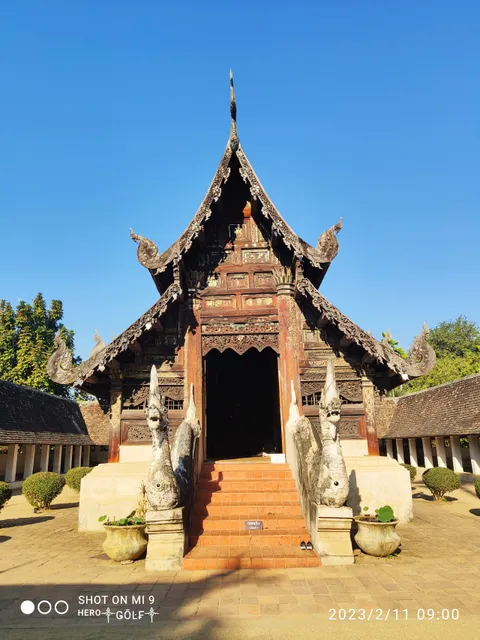
Wat Intharawat (Wat Ton Kwen)
4.7
(963)
Click for details
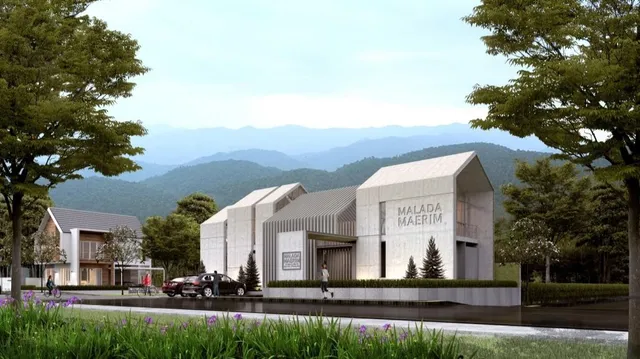
Malada Home and Resort
4.3
(15)
Click for details
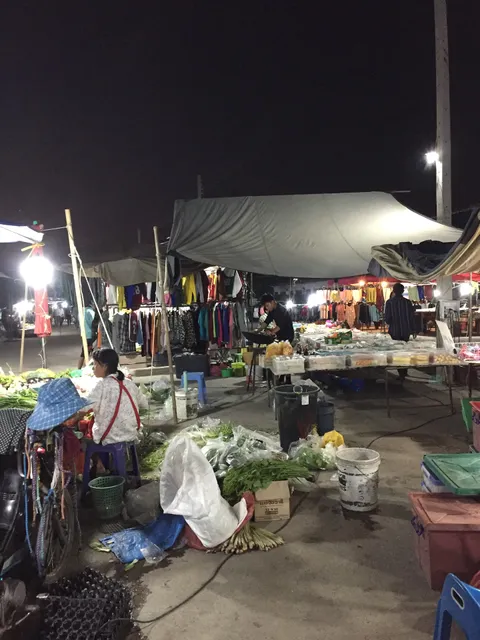
SanSai market
4.3
(21)
Click for details
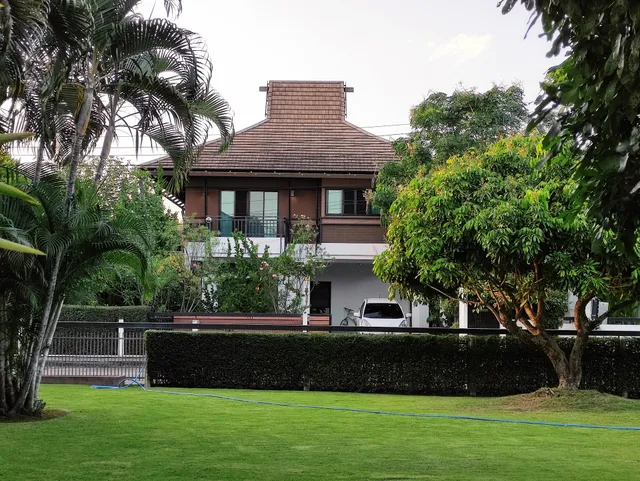
Lanna Montra
4.5
(24)
Click for details