Cross the Mekong River and travel up through Cambodia.
The train through Cambodia is no longer operational although there are plans to resume, the 256 km Southern Line between the capital city of Phnom Penh and Sihanoukville has re-opened, therefore the options from Ho Chi Minh are bus and boat A fastboat connects Phnom Penh to Siem Reap via the Tonle Sap River and Lake. It takes approximately 6 hours, but there is little chance for sightseeing as it travels fast and in the center of the lake for the most part. Slowboat trips on the Tonle Sap can be rewarding as they offer a chance to visit the floating villages and fishing communities of the great lake.
Siem Reap - Battambang Water levels vary depending upon the time of year so boats are not always available. When operating, a fast boat connects Siem Reap to Battambang via the Tonle Sap Lake and the Sangker River which offers some chances for sightseeing along the way. We chose to travel by bus from Ho Chi Minh city, crossing the Mekong river by ferry on route, I can recommend the Mekong express bus Company with reserved seats. The 7hr total journey includes a stop for 30min lunch at a restaurant on route, the fried rice was cheap and good. On boarding the bus you are given cold towels, bottled water & croissant, the bus is air conditioned with a movie running and free wifi which is good value as the ticket was only $13 each.
Riverfront Phnom Penh Royal Palace Phnom Penh Royal Palace Phnom Penh Royal Palace Phnom Penh After a couple of hours into the journey you arrive at the Cambodia border, the hostess on the bus collected all our passports, money for visa and filled out an entry form. This was very organised and they get preferential treatment so they escape queues of solo travellers. You then get off bus and your name is called and you go through passport control, where you receive your passport back including the attached visa. Meanwhile the driver takes the bus to the Cambodia side and waits for us all to board again. All aboard & we were on our way again. After another couple of hours we drove onto a large old ferry and crossed the Mekong river all still on the bus. It is an old noisy ferry but we made it! Then it's just a short drive into Phnom Penh, where tuk tuks wait at the bus station to take you to your hotel.
Royal Palace interior Phnom Penh Crossing the Mekong on the Bus! On the bus on the rickety old ferry will we make it!! Blue Pumpkin Cafe time in Phnom Penh Arrived in Phnom Penh early afternoon & tuk tuks were waiting at bus station to take us all to our hotels. We were staying round the corner from the Grand Palace so nice & central to walk there & riverfront only minutes away. We were in Phnom Penh in early March so it is very hot and dry so it's a great excuse to stop and cool off in the many cafes around. I highly recommend one called "Blue Pumpkin", they do assortment of meals, amazing cakes and ice cream, so it quickly turns into a daily stop. Around the sides of the large cafe they have amazing, soft, comfy seating, where you can just kick off your shoes, climb up and just relax and recline! They put small tables across your outstretched legs and serve you goodies! A visit to the Royal Palace in Phnom Penh is a must. From Phnom Penh, take the bus north for the 5hr journey to Siem Reap. Siem Reap has a really amazing town centre, we loved it, so many eating outlets, alleyways full of goodies to buy, so much to see.
Going in for the live fish foot massage and foot cleaning fish in Siem Reap. Siem Reaps famous 'Pub Street' Tuk Tuk...
   Read moreSông Mekong là nguáģn nưáģc quan tráģng , là máēĄch sáģng cáģ§a ngưáģi dÃĸn Viáģt nam, nháēĨt là áģ vÚng Äáģng báēąng sông Cáģu long ( ÄBSCL). Tuy nhiÃĒn hiáģn nay nguáģn tà i nguyÃĒn quà giÃĄ nà y Äang thay Äáģi do sáģą tÃĄc Äáģng cáģ§a con ngưáģi (cháēˇn dÃ˛ng cháēŖy táģĢ thưáģŖng nguáģn ) và biáēŋn Äáģi khà háēu , nưáģc biáģn dÃĸng, nưáģc máēˇn xÃĸm nháēp sÃĸu và o trong náģi Äáģng . Máģt trong nháģ¯ng tÃĄc háēĄi quan tráģng cáģ§a xÃĸy Äáēp cháēˇn dÃ˛ng là là m giáēŖm lưáģŖng phÚ sa Äáģ váģ háēĄ du ÄBSCL .CÃĄc Äáēp ÄÃŖ xÃĸy dáģąng và váēn hà nh bÃĒn trong lÃŖnh tháģ Trung quáģc cháģ giáģ¯ 16% lưáģŖng nưáģc nhưng là m giáēŖm Äáēŋn 63 % lưáģŖng phÚ sa cáģ§a dÃ˛ng sông (Lu và Siew). Trưáģc ÄÃĸy , ÄÃŖ táģĢng cÃŗ nhiáģu bà i bÃĄo khoa háģc káēŋt luáēn cÃŗ sáģą giáēŖm phÚ sa do xÃĸy Äáēp , nhưng káēŋt quáēŖ nghiÃĒn cáģŠu gáē§n ÄÃĸy cho tháēĨy máģŠc Äáģ giáēŖm phÚ sa nghiÃĒm tráģng hÆĄn ráēĨt nhiáģu so váģi cÃĄc káēŋt luáēn ÄÃŖ công báģ trưáģc ÄÃĸy . Tà i liáģu công báģ nÄm 2013 cáģ§a áģĻy háģi quáģc táēŋ sông Mekong ( Mekong River Commission =MRC) so sÃĄnh giai ÄoáēĄn trưáģc nÄm 2003 và giai ÄoáēĄn sau 2009 táēĄi tráēĄm Chiang Sean lưáģŖng phÚ sa giáēŖm 83% ( táģĢ 60 triáģu táēĨn / nÄm xuáģng cÃ˛n 10 triáģu táēĨn / nÄm ) , tráēĄm Pakse giáēŖm 50% ( táģĢ 120 xuáģng 60 triáģu táēĨn ) , TráēĄm Kratie giáēŖm 43% ( táģĢ 160 xuáģng 90 triáģu táēĨn ) ( Nguáģn : Thanapon Piman and Manish Shrestha ( 2017 ) . Case study on sediment in the Mekong River Basin: Current state and future trends . Stockholm Environmental Institute and UNESCO, November 2017 ) . Không káģ cÃĄc Äáēp áģ nhÃĄnh sông, trÃĒn dÃ˛ng chÃnh hiáģn cÃŗ 5 Äáēp táēĄi Trung quáģc ÄÃŖ hoáēĄt Äáģng , 10 Äáēp táēĄi Là o, 2 Äáēp táēĄi Cambodia ÄÃŖ , Äang và sáēŊ xÃĸy dáģąng.Náēŋu táēĨt cáēŖ 12 Äáēp nà y hoà n thà nh thÃŦ 96% lưáģŖng phÚ sa sáēŊ báģ giáģ¯ láēĄi và lưu váģąc cháģ nháēn ÄÆ°áģŖc 4% so váģi máģŠc hiáģn nay . TáēĄi tháģi Äiáģm nà y, hà ng nÄm cÃŗ khoáēŖng 150 Äáēŋn 200 triáģu táēĨn phÚ sa Äáģ và o lÃŖnh tháģ Viáģt nam , pháē§n láģn ÄÆ°áģŖc ÄáēŠy ra biáģn káēŋt háģŖp váģi dÃ˛ng phÚ sa biáģn hÃŦnh thà nh cÃĄc bÃŖi báģi . Lưu lưáģŖng nưáģc sông Tiáģn láģn gáēĨp 4 Äáēŋn 4,5 láē§n so váģi sông Háēu . BÃĒn cáēĄnh ÄÃŗ lưáģŖng háēĄt lÆĄ láģ¯ng trong nưáģc cao hÆĄn do ÄÃŗ sáģą báģi táģĨ phÚ sa táģĢ sông Tiáģn cao hÆĄn sông Háēu . Con sáģ cáģ§a riÃĒng nÄm 1996 tÆ°ÆĄng áģŠng là 185,3 triáģu táēĨn / nÄm so váģi 17,7 triáģu táēĨn / nÄm, chÃĒnh láģch hÆĄn 10 láē§n . Sau bÃŖi báģi ven biáģn , pháē§n phÚ sa káēŋ tiáēŋp là láē¯ng xuáģng ÄÃĄy cÃĄc con sông ráēĄch , pháē§n Ãt nháēĨt là láē¯ng Äáģng trÃĒn máēˇt ruáģng khi nưáģc lÅŠ trà n Äáģng . LưáģŖng phÚ sa váģ giáēŖm , cháēĨt dinh dưáģĄng cáģ§a ÄáēĨt giáēŖm dáē§n, lưáģŖng láē¯ng Äáģng dưáģi ÄÃĄy sông Ãt , táēĄo Äiáģu kiáģn hÃŦnh thà nh cÃĄc háģ sÃĸu dưáģi ÄÃĄy sông gÃĸy sáēĄt láģ hai bÃĒn báģ sông ráēĄch , kÃĒnh mÆ°ÆĄng . Viáģt nam sáēŊ pháēŖi kiÃĒn trÃŦ ÄáēĨu tranh váģi cÃĄc nưáģc thưáģŖng nguáģn Äáģ ÄáēŖm báēŖo xáēģ chia nguáģn nưáģc háģŖp lÃŊ ,quáēŖn lÃŊ phÚ sa báģn váģ¯ng , báēŖo váģ nguáģn láģŖi tháģ§y sáēŖn , báēŖo váģ môi trưáģng áģ lưu váģąc sông Mekong vÚng háēĄ du cho tÆ°ÆĄng lai tháēŋ háģ con chÃĄu mai sau . DÃ˛ng sông Mekong không cháģ là dÃ˛ng sông láģn nháēĨt cháēŖy qua Viáģt Nam, mà dÃ˛ng sông nà y cÃ˛n là dÃ˛ng sông vÄn hÃŗa vÄŠ ÄáēĄi áģ ChÃĸu à và tháēŋ giáģi. NÆĄi kháģi nguáģn cáģ§a vÄn minh lÃēa nưáģc, nÆĄi ÄÃŖ khÆĄi nguáģn cho vÄn hÃŗa PhÚ Nam - Ãc Eo vÄŠ ÄáēĄi ÄÃŖ táēĄo áēŖnh hưáģng ráēĨt láģn váģi cÃĄc náģn vÄn hÃŗa Angkor, Myanma, Champa, Indonesia, Nam Viáģt Nam. Báģi tháēŋ, dÃ˛ng sông nà y là dÃ˛ng sông máēš cáģ§a háē§u háēŋt cÃĄc quáģc gia Äông Nam Ã. DÃ˛ng sông nà y táēĄo nÃĒn Äáģng báēąng trÚ phÃē, mà u máģĄ, cung cáēĨp pháē§n láģn gáēĄo và nhiáģu tháģąc pháēŠm cho tháēŋ giáģi. Nam Báģ táģą hà o là nÆĄi chÃn nhÃĄnh sông vÄŠ ÄáēĄi Äáģ ra biáģn láģn, là káēŋt thÃēc cáģ§a cháēˇng ÄÆ°áģng Mekong qua biáēŋt bao ÄáēĨt nưáģc, kiáēŋn táēĄo biáēŋt bao náģn vÄn minh. Ráģi ÄÃĸy, nháģ¯ng chiáēŋc cáē§u vÄŠ ÄáēĄi, nháģ¯ng ÄáēĄi láģ thÃĒnh thang, nháģ¯ng pháģ tháģ sung tÃēc sÃĄng Äèn sáēŊ tháē¯p sÃĄng dÃ˛ng sông Máēš, xÃŗa Äi cÃĄi tháģi lam lÅŠ váēĨt váēŖ trÃĒn...
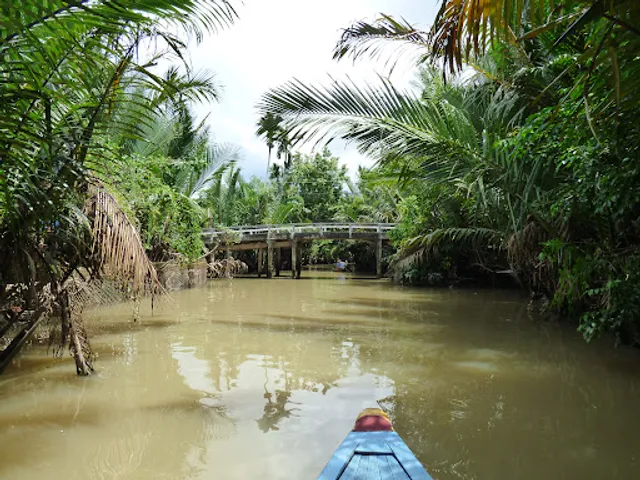
   Read moreAsia 2018: The Mekong or Mekong River is a trans-boundary river in East Asia and Southeast Asia. It is the world's twelfth longest river and the third longest in Asia. Its estimated length is 4,909 km, and it drains an area of 795,000 km², discharging 475 kmÂŗ of water annually.
The Mekong is also one of the last strongholds of the magnificent and extremely rare Irrawaddy river dolphin. The river system is especially renowned for its magnitude and diversity of large fish species, whilst forests surrounding the river are home to a plethora of wonderful bird and mammal life. Home to giant catfish and stingrays, feeding over 60 million people, and with the largest abundance of freshwater fish in the world, the Mekong River, and its numerous tributaries, brings food, culture, and life to much of Southeast Asia.
Covering a distance of nearly 5,000 km from its source on the Tibetan Plateau in China to the Mekong Delta, the river flows through six countries: China, Myanmar, Thailand, Lao PDR, Cambodia...
   Read more