Chan Royal Palace things to do, attractions, restaurants, events info and trip planning
Basic Info
Chan Royal Palace
R7H6+WGQ, Mueang Phitsanulok District, Phitsanulok 65000, Thailand
4.6(641)
Closed
Save
spot
spot
Ratings & Description
Info
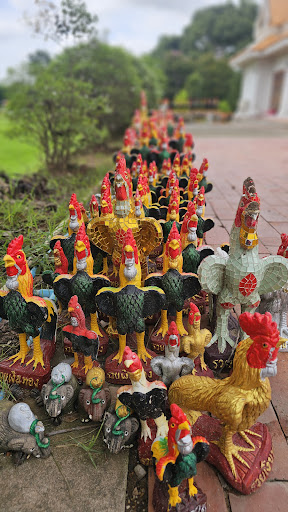
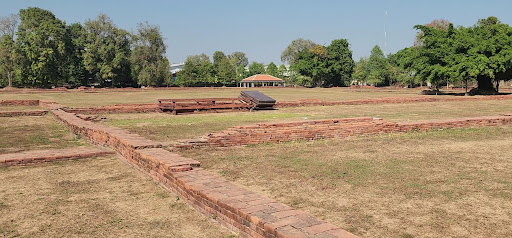
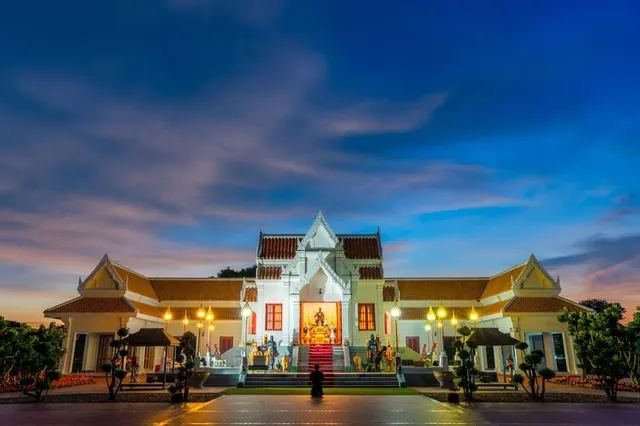
Chan Royal Palace located on the Wang Chan Road, Nai Mueang Sub-district, Mueang Phitsanulok District, Phitsanulok Province of Thailand, is an archaeological site complex consisting of the ruins of the Chan Palace and several temples. It is the location of a King Naresuan the Great shrine.
Cultural
Family friendly
Accessibility
attractions: Chan Royal Palace Historical Center, Wat Si Sukhot, The Phuttha Chinnarat National Museum, restaurants: Long cafe, Kanokphan Phitsanulok, Tungluk Restaurant, ส่งเสียง ร้านก๋วยจั๊บน้ำข้นสูตรโบราณ - สาขาพิษณุโลก, Amore Restaurant, โกปี๊ฮับ l พิษณุโลก Kopihub dimsum cafe, Krua Khun Kheaw, KAZOKU Coffee House Phitsanulok, ข้าวเหนียวห่อ ป้าเยาว์ ข้างวัดใหญ่พิษณุโลก, Coffee Bink Phitsanulok, local businesses: Wat Wihan Thong Historical Site, Phra Phuttha Chinnarat, Wat Thammachak, Phitsanulok City Pillar Shrine (San Lak Mueang Phitsanulok), Wat Nang Phaya, Wat Khuha Sawan, Wat Ratchaburana, Phitsanulok, Wat Phothiyan, The Royal Pagoda
 Learn more insights from Wanderboat AI.
Website
thai.tourismthailand.org
Open hoursSee all hours
Sun9 AM - 4 PMClosed
Plan your stay

Pet-friendly Hotels in Phitsanulok Province
Find a cozy hotel nearby and make it a full experience.

Affordable Hotels in Phitsanulok Province
Find a cozy hotel nearby and make it a full experience.

The Coolest Hotels You Haven't Heard Of (Yet)
Find a cozy hotel nearby and make it a full experience.

Trending Stays Worth the Hype in Phitsanulok Province
Find a cozy hotel nearby and make it a full experience.
Reviews
Nearby attractions of Chan Royal Palace
Chan Royal Palace Historical Center
Wat Si Sukhot
The Phuttha Chinnarat National Museum
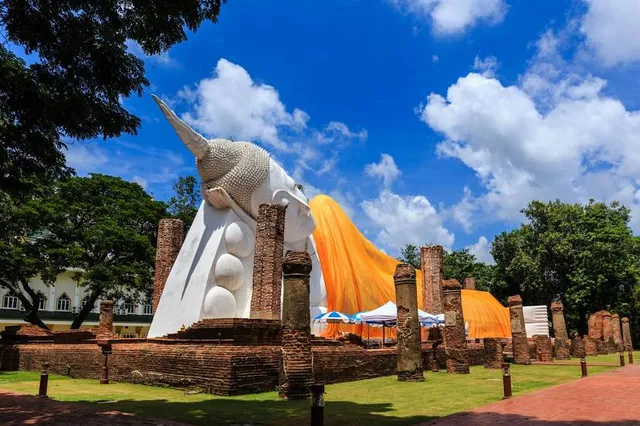
Chan Royal Palace Historical Center
4.5
(496)
Open 24 hours
Click for details
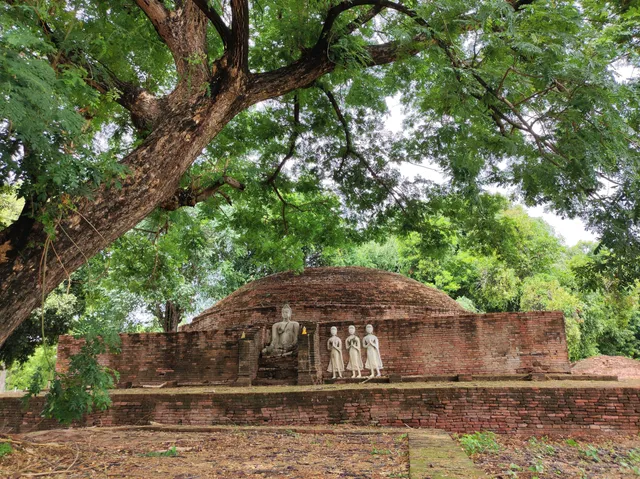
Wat Si Sukhot
4.7
(15)
Open 24 hours
Click for details
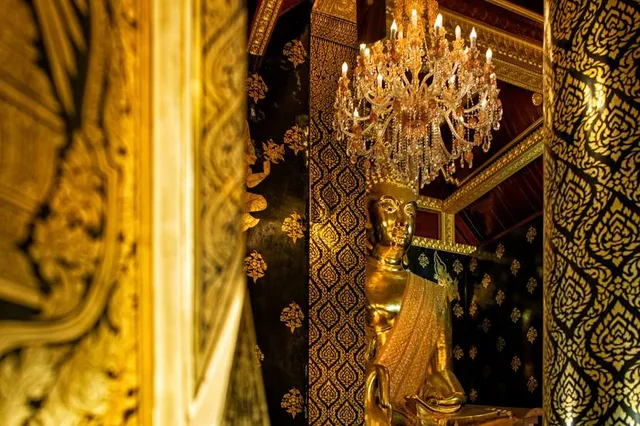
The Phuttha Chinnarat National Museum
4.7
(1.4K)
Closed
Click for details
Nearby restaurants of Chan Royal Palace
Long cafe
Kanokphan Phitsanulok
Tungluk Restaurant
ส่งเสียง ร้านก๋วยจั๊บน้ำข้นสูตรโบราณ - สาขาพิษณุโลก
Amore Restaurant
โกปี๊ฮับ l พิษณุโลก Kopihub dimsum cafe
Krua Khun Kheaw
KAZOKU Coffee House Phitsanulok
ข้าวเหนียวห่อ ป้าเยาว์ ข้างวัดใหญ่พิษณุโลก
Coffee Bink Phitsanulok
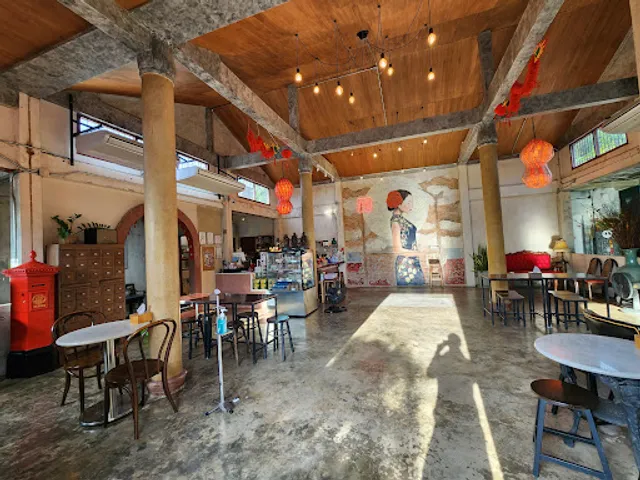
Long cafe
4.6
(346)
Closed
Click for details
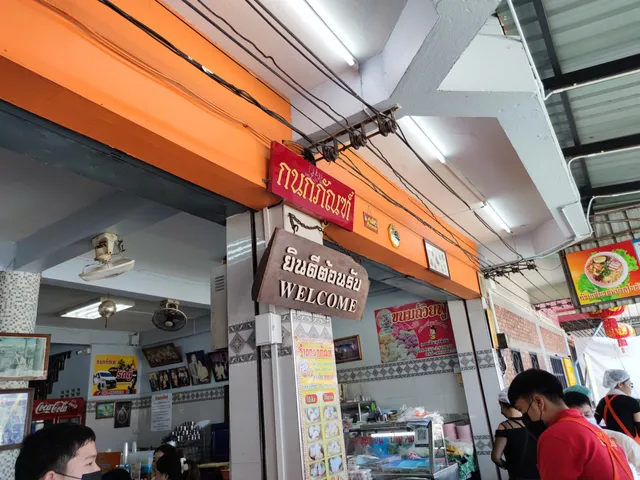
Kanokphan Phitsanulok
4.4
(768)
Closed
Click for details
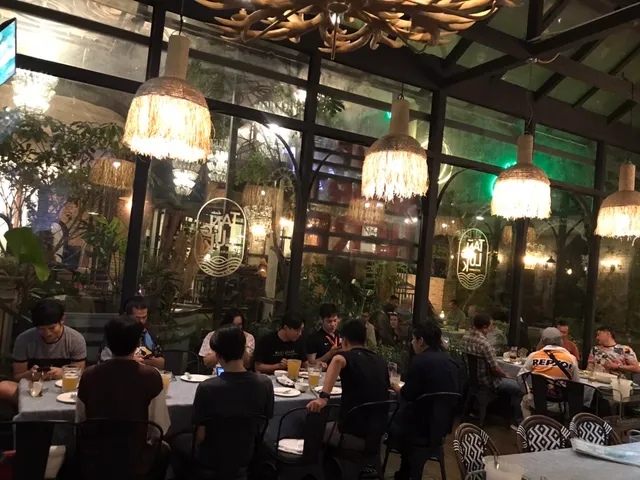
Tungluk Restaurant
4.7
(511)
Open until 11:00 PM
Click for details
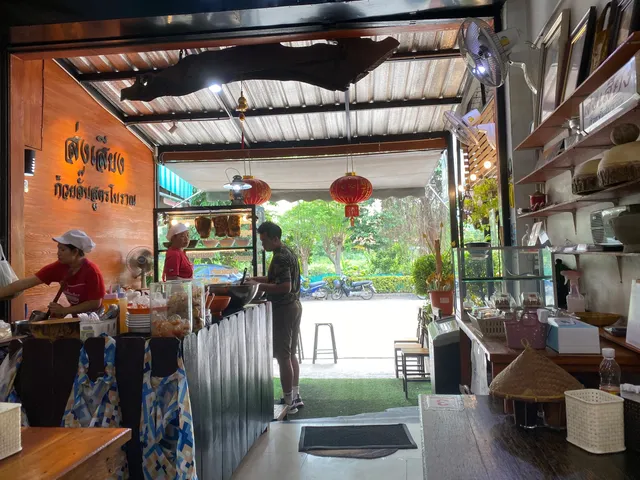
ส่งเสียง ร้านก๋วยจั๊บน้ำข้นสูตรโบราณ - สาขาพิษณุโลก
4.5
(179)
Closed
Click for details
Nearby local services of Chan Royal Palace
Wat Wihan Thong Historical Site
Phra Phuttha Chinnarat
Wat Thammachak
Phitsanulok City Pillar Shrine (San Lak Mueang Phitsanulok)
Wat Nang Phaya
Wat Khuha Sawan
Wat Ratchaburana, Phitsanulok
Wat Phothiyan
The Royal Pagoda
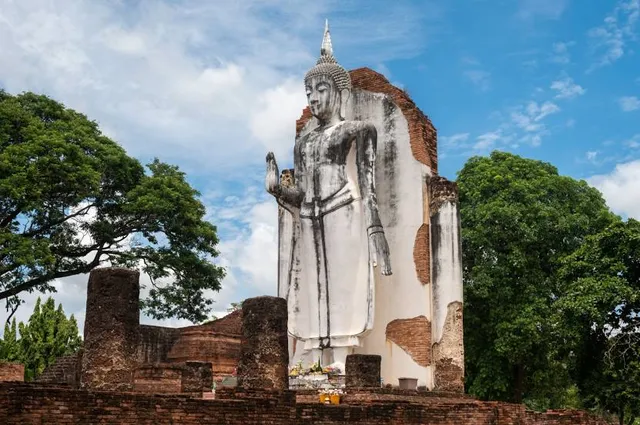
Wat Wihan Thong Historical Site
4.7
(36)
Click for details
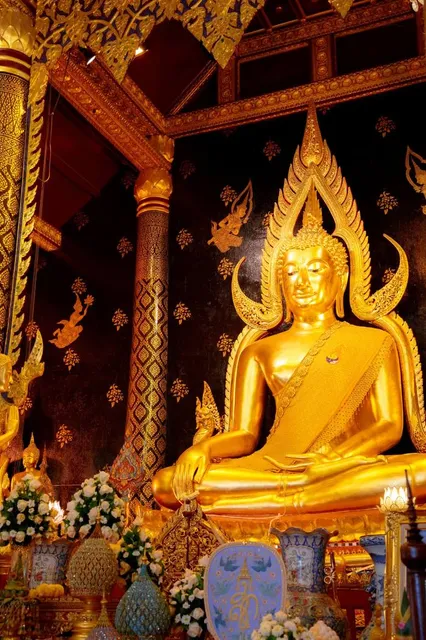
Phra Phuttha Chinnarat
4.8
(2.1K)
Click for details
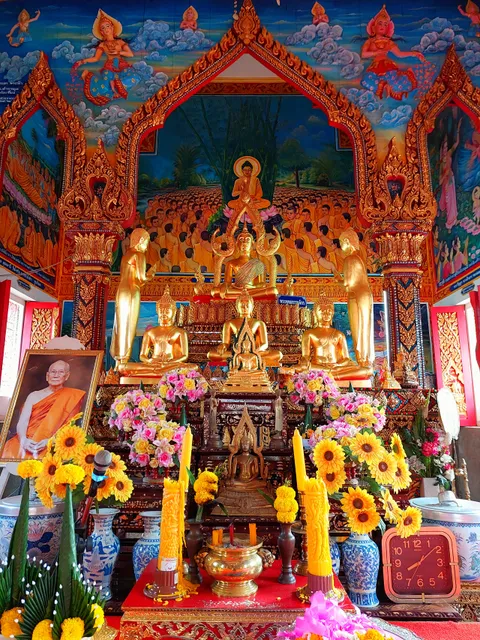
Wat Thammachak
4.3
(118)
Click for details
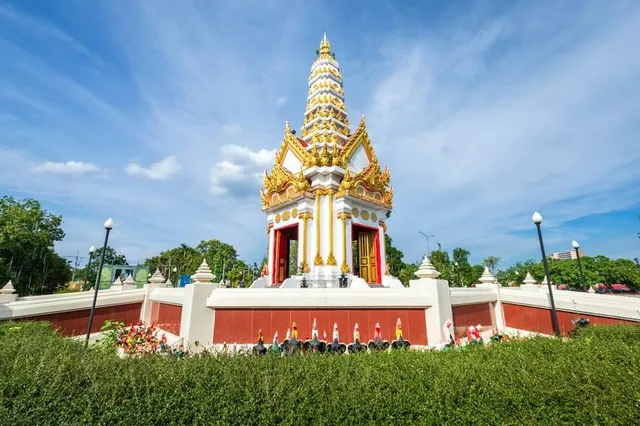
Phitsanulok City Pillar Shrine (San Lak Mueang Phitsanulok)
4.7
(138)
Click for details