HTML SitemapExplore
logo
Find Things to DoFind The Best Restaurants

Portuguese Archaeology Museum — Attraction in Samphao Lom Subdistrict Administrative Organization

Name
Portuguese Archaeology Museum
Description
Nearby attractions
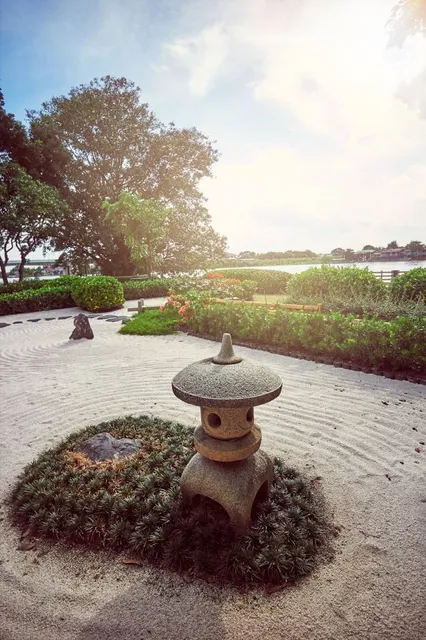
Japanese Village
Ko Rian, Phra Nakhon Si Ayutthaya District, Phra Nakhon Si Ayutthaya 13000, Thailand
Nearby restaurants
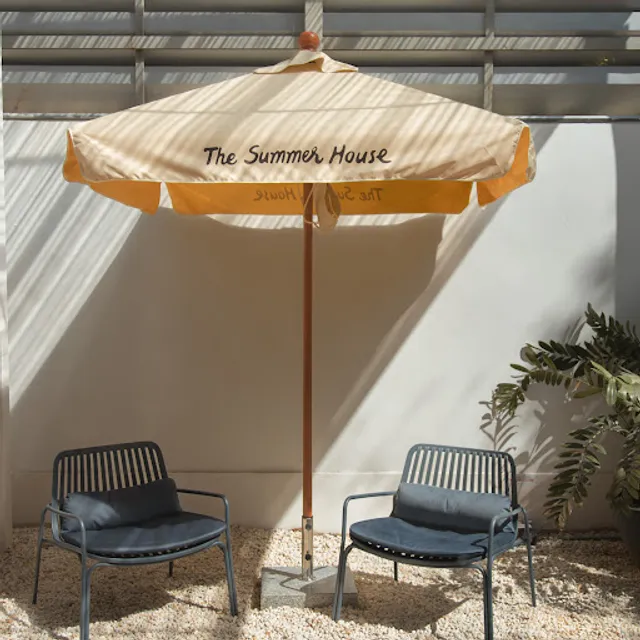
The Summer House
71/1 Phra Nakhon Si Ayutthaya District, Phra Nakhon Si Ayutthaya 13000, Thailand
Nearby hotels
Klong Suen Plu Resort
Khlong Suan Phlu, Phra Nakhon Si Ayutthaya District, Phra Nakhon Si Ayutthaya 13000, Thailand
Ayutthaya river camp and yacht charter
จ.พระนครีอยุธยา 11ม.3 ต.สำเภาล่ม Phra Nakhon Si Ayutthaya District, Chang Wat Phra Nakhon Si Ayutthaya 13000, Thailand
Sweet Teen
17 หมู่ที่ 4 Khlong Suan Phlu, Phra Nakhon Si Ayutthaya District, Phra Nakhon Si Ayutthaya 13000, Thailand
Related posts
Keywords
Portuguese Archaeology Museum tourism.Portuguese Archaeology Museum hotels.Portuguese Archaeology Museum bed and breakfast. flights to Portuguese Archaeology Museum.Portuguese Archaeology Museum attractions.Portuguese Archaeology Museum restaurants.Portuguese Archaeology Museum travel.Portuguese Archaeology Museum travel guide.Portuguese Archaeology Museum travel blog.Portuguese Archaeology Museum pictures.Portuguese Archaeology Museum photos.Portuguese Archaeology Museum travel tips.Portuguese Archaeology Museum maps.Portuguese Archaeology Museum things to do.
Portuguese Archaeology Museum things to do, attractions, restaurants, events info and trip planning
Portuguese Archaeology Museum
ThailandPhra Nakhon Si Ayutthaya ProvinceSamphao Lom Subdistrict Administrative OrganizationPortuguese Archaeology Museum

Basic Info

Portuguese Archaeology Museum

8HMF+FRR, Samphao Lom, Phra Nakhon Si Ayutthaya District, Phra Nakhon Si Ayutthaya 13000, Thailand
4.0(321)
Open until 4:00 PM
Save
spot

Ratings & Description

Info

Cultural
Off the beaten path
attractions: Japanese Village, restaurants: The Summer House
logoLearn more insights from Wanderboat AI.
Phone
+66 35 242 501
Open hoursSee all hours
Mon9 AM - 4 PMOpen

Plan your stay

hotel
Pet-friendly Hotels in Samphao Lom Subdistrict Administrative Organization
Find a cozy hotel nearby and make it a full experience.
hotel
Affordable Hotels in Samphao Lom Subdistrict Administrative Organization
Find a cozy hotel nearby and make it a full experience.
hotel
The Coolest Hotels You Haven't Heard Of (Yet)
Find a cozy hotel nearby and make it a full experience.
hotel
Trending Stays Worth the Hype in Samphao Lom Subdistrict Administrative Organization
Find a cozy hotel nearby and make it a full experience.

Reviews

Nearby attractions of Portuguese Archaeology Museum

Japanese Village

Japanese Village

Japanese Village

4.1

(1.5K)

Open 24 hours
Click for details

Nearby restaurants of Portuguese Archaeology Museum

The Summer House

The Summer House

The Summer House

4.5

(1.4K)

Click for details
Get the Appoverlay
Get the AppOne tap to find yournext favorite spots!
Wanderboat LogoWanderboat

Your everyday Al companion for getaway ideas

CompanyAbout Us
InformationAI Trip PlannerSitemap
SocialXInstagramTiktokLinkedin
LegalTerms of ServicePrivacy Policy

Get the app

© 2025 Wanderboat. All rights reserved.
logo

Reviews of Portuguese Archaeology Museum

4.0
(321)
avatar
4.0
6y

Portuguese Village is located in Tambon Samphao Lom, Amphoe Phra Nakhon Si Ayutthaya, Chang Wat Phra Nakhon Si Ayutthaya, 3 kilometers off the city island on the southern area, three sides of this place surrounded by canals and the east side face Chao Phraya River ( Japanese village is on the opposite side of the river).In A.D. 1511,during the reign of King Ramathibodi 2 ( A.D. 1491-1529 ), Portuguese was the first of European countries who came to Ayutthaya City for the purpose of trading and friendly relation. Dating back to June A.D. 1509 , Don Alfonso d’ Albuquerque as the viceroy of Portuguese India arrived with the force, after capturing and occupying Malacca on August 10, A.D. 1511 he designed Duarte Fernandez to present a letter addressed to King Ramathibodi 2 of the Ayutthaya City targeted to make friendly relation, no objection from Ayutthaya City for the case of Malacca ‘s captured and occupied, Duarte Fernandez returned accompanied by Ayutthaya City ‘s Ambassador. In A.D. 1512, Antonio de Miranda de Azevedo as the Portuguese envoy paid the second officially visited to Ayutthaya City, following the third officially visited by Duarte Coelho Pereira as Portuguese envoy in A.D. 1516. Under two sides’ treaty, Portugal will supply firearms and ammunitions and Siamese agreed to guarantee religious freedoms and facilitated the Portuguese to establish settlement and engaged trading in Ayutthaya ( including Tenasserim ( Tanaw Sri, located at the southest of Burma ( Myanmar) the crucial city was Tawai “ ทวาย “ ), Mergui ( Myeik “ มะริด “ ), Patani and Nakhon Si Thammarat ) , formerly each country ‘s territory was different from nowadays, war between countries not exactly the country ‘s army but the army from belligerent ( city)), resulting to the King Ramathibodi 2 permitted Coelho to build wooden crucifix in a prominent place in Ayutthaya City. Totally populations around 3,000 resided in the area of a half square kilometers, Portuguese in community earn their living on merchants, ship builders, military experts, trade representatives ( Nakhon Sri Thammarat and Patani ) were appointed for trading rice, tin, ivory, gum Benjamin, indigo, sticklac and sappanwood. In A.D. 1538, under the reign of King Chairacha ( A.D. 1534-1536 ), Portuguese were rewarded with commercial and residential privilege ( as official residence on the Ayutthaya City ‘s southern area ). In A.D. 1567 the first 2 Roman Catholic missionaries (Friar Jeronimo da Cruz and Sebastiao da Canto )arrived in Ayutthaya City, as the military chaplains for Portuguese soldiers established a parish ( both of them were killed under Burmese attack in A.D. 1569 ). In A.D. 1584, a group of Roman Catholic priests of the Franciscan Sect built their church in the northern area of a Portuguese village. During 19-26 March A.D.1607, the first Portuguese Jesuit ( Friar Balthasar de Sequeira ) arrived under the request of Tristan Golayo ( Portuguese merchant ), because of task of starting new mission he died in November A.D. 1609 in Petchburi on the way back from GOA ( a west coast state in India adjacent to Arab sea ) to Siam. Finally, there were three Roman Catholic Churchs in the village being : 1. the church of San Petro ( for the Dominican Sect, Ban Jacobin ) 2. the church of San Paolo ( for the Jesuit Sect, Ban Jesuit ) and 3. the church for the Franciscan Sect, all were destroyed during the fell of Ayutthaya in A.D. 1767. The inheritance of culture transferred are the dessert that are “ Thong Yip “ “ Thong Yot “ and “ Foi Thong “ where Chang Wat Petchburi is the famous and skillful city on making...

   Read more

avatar
4.0
3y

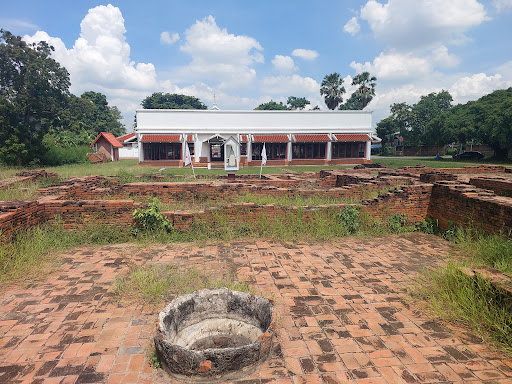
หมู่บ้านโปตุเกส ตั้งอยู่ที่ตำบลสำเภาล่ม บริเวณริมฝั่งแม่น้ำเจ้าพระยาทางทิศตะวันตก อยู่ทางใต้ของตัวเมือง ชาวโปรตุเกสเป็นชาวยุโรปชาติแรกที่เข้ามาติดต่อค้าขายกับกรุงศรีอยุธยาเมื่อปีพ.ศ. 2054 โดยอัลฟองโซ เดอ อัลบูเคอร์ก ผู้สำเร็จราชการของโปรตุเกส ประจำเอเซีย ได้ส่งนายดูอาร์เต้ เฟอร์นันเดส เป็นทูตเข้ามาเจริญสัมพันธไมตรีกับสมเด็จพระรามาธิบดีที่ 2 แห่งกรุงศรีอยุธยา ชาวโปรตุเกสเข้ามาตั้งหลักแหล่งค้าขายและเป็นทหารอาสาในกองทัพกรุงศรีอยุธยา สร้างโบสถ์ขึ้นเพื่อเผยแพร่ศาสนาและเป็นศูนย์กลางของชุมชน ปัจจุบันบริเวณนี้ยังมีร่องรอยซากสิ่งก่อสร้างปรากฏให้เห็นคือ โบราณสถานซานเปโตรหรือเรียกในสมัยอยุธยาว่าโบสถ์เซนต์โดมินิค เป็นโบสถ์ในคณะโดมินิกัน นับเป็นโบสถ์แห่งแรกที่สร้างขึ้นในแผ่นดินไทยเมื่อปีพ.ศ. 2083 ตั้งอยู่ในบริเวณเกือบกึ่งกลางหมู่บ้านโปรตุเกส มีเนื้อที่ประมาณ 2,400 ตารางเมตร ยาวตามแนวทิศตะวันออกไปตะวันตกหันหน้าสู่แม่น้ำเจ้าพระยา ตัวอาคารแบ่งออกเป็นสามส่วน คือ ส่วนหน้าเป็นสุสาน ของชาวคาทอลิคคณะโดมินิกัน ส่วนกลางใช้ประกอบพิธีทางศาสนาและฝังศพบาทหลวง ส่วนในด้านหลังเและด้านข้างเป็นที่พักอาศัยและมีการขุดค้นพบโบราณวัตถุที่สำคัญได้แก่ โครงกระดูกมนุษย์ กล้องยาสูบ เหรียญกษาปณ์ เครื่องปั้นดินเผา เครื่องประดับกำไลแก้วและเครื่องประกอบพิธีทางศาสนาเช่น ไม้กางเขน เหรียญรูปเคารพในศาสนา ลูกประคำ

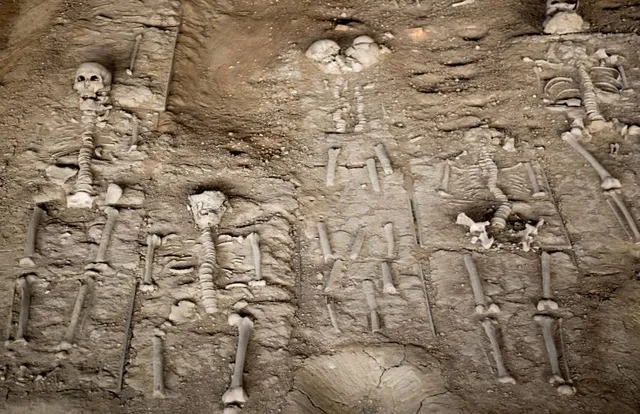
ในส่วนของสุสาน พบโครงกระดูกจำนวนมากมายถึง 254 โครง ฝังเรียงรายอย่างเป็นระเบียบและทับซ้อนกันหนาแน่นทั้งภายในและภายนอกอาคาร จากแนวโครงกระดูกที่พบแบ่งขอบเขตสุสานออกเป็น 3 ส่วน ส่วนในสุดกลางตัวอาคารที่เป็นฐานโบสถ์ อาจเป็นโครงกระดูกของบาทหลวงหรือนักบวช ถัดมาส่วนที่สอง ส่วนนี้อาจเป็นผู้มีฐานะทางสังคมในค่ายโปรตุเกสสูงกว่าคนธรรมดาทั่วไป ส่วนที่สามนอกแนวฐานโบสถ์มีการฝังซ้อนกันมากถึง 3-4 โครง โครงกระดูกเหล่านี้มีทั้งที่อยู่ในสภาพสมบูรณ์และบางส่วนชำรุด จากหลักฐานเอกสารประวัติศาสตร์ กล่าวถึงการเกิดโรคระบาดร้ายแรงในปลายแผ่นดินพระเพทราชาเมื่อปีพ.ศ. 2239 มีผู้คนล้มตายมาก และในปีพ.ศ. 2255 ในสมัยพระเจ้าอยู่หัวท้ายสระก็เกิดโรคระบาดอีกครั้งมีผู้คนล้มตายมาก...

   Read more
avatar
5.0
49w

A unique destination for those who are interested in the history of Ayutthaya. There is a small shrine in front of the building like a typical Thai house, which used to be an altar with a cross, and statues of Saint Paul and Saint Peter. But when I came, there was nothing inside the shrine. I talked to the gardener, an old kind man and a devoted Catholic. The gardener told me that there was a "crazy man" who threw the altar away recently, when his wish was not accepted. Anyway, to our surprise , the gardener claims to be of Vietnamese heritage; his ancestors migrated from Viet Nam to Siam...

   Read more
Page 1 of 7
Previous
Next

Posts

Payong ChatwiroonPayong Chatwiroon
Portuguese Village is located in Tambon Samphao Lom, Amphoe Phra Nakhon Si Ayutthaya, Chang Wat Phra Nakhon Si Ayutthaya, 3 kilometers off the city island on the southern area, three sides of this place surrounded by canals and the east side face Chao Phraya River ( Japanese village is on the opposite side of the river).In A.D. 1511,during the reign of King Ramathibodi 2 ( A.D. 1491-1529 ), Portuguese was the first of European countries who came to Ayutthaya City for the purpose of trading and friendly relation. Dating back to June A.D. 1509 , Don Alfonso d’ Albuquerque as the viceroy of Portuguese India arrived with the force, after capturing and occupying Malacca on August 10, A.D. 1511 he designed Duarte Fernandez to present a letter addressed to King Ramathibodi 2 of the Ayutthaya City targeted to make friendly relation, no objection from Ayutthaya City for the case of Malacca ‘s captured and occupied, Duarte Fernandez returned accompanied by Ayutthaya City ‘s Ambassador. In A.D. 1512, Antonio de Miranda de Azevedo as the Portuguese envoy paid the second officially visited to Ayutthaya City, following the third officially visited by Duarte Coelho Pereira as Portuguese envoy in A.D. 1516. Under two sides’ treaty, Portugal will supply firearms and ammunitions and Siamese agreed to guarantee religious freedoms and facilitated the Portuguese to establish settlement and engaged trading in Ayutthaya ( including Tenasserim ( Tanaw Sri, located at the southest of Burma ( Myanmar) the crucial city was Tawai “ ทวาย “ ), Mergui ( Myeik “ มะริด “ ), Patani and Nakhon Si Thammarat ) , formerly each country ‘s territory was different from nowadays, war between countries not exactly the country ‘s army but the army from belligerent ( city)), resulting to the King Ramathibodi 2 permitted Coelho to build wooden crucifix in a prominent place in Ayutthaya City. Totally populations around 3,000 resided in the area of a half square kilometers, Portuguese in community earn their living on merchants, ship builders, military experts, trade representatives ( Nakhon Sri Thammarat and Patani ) were appointed for trading rice, tin, ivory, gum Benjamin, indigo, sticklac and sappanwood. In A.D. 1538, under the reign of King Chairacha ( A.D. 1534-1536 ), Portuguese were rewarded with commercial and residential privilege ( as official residence on the Ayutthaya City ‘s southern area ). In A.D. 1567 the first 2 Roman Catholic missionaries (Friar Jeronimo da Cruz and Sebastiao da Canto )arrived in Ayutthaya City, as the military chaplains for Portuguese soldiers established a parish ( both of them were killed under Burmese attack in A.D. 1569 ). In A.D. 1584, a group of Roman Catholic priests of the Franciscan Sect built their church in the northern area of a Portuguese village. During 19-26 March A.D.1607, the first Portuguese Jesuit ( Friar Balthasar de Sequeira ) arrived under the request of Tristan Golayo ( Portuguese merchant ), because of task of starting new mission he died in November A.D. 1609 in Petchburi on the way back from GOA ( a west coast state in India adjacent to Arab sea ) to Siam. Finally, there were three Roman Catholic Churchs in the village being : 1. the church of San Petro ( for the Dominican Sect, Ban Jacobin ) 2. the church of San Paolo ( for the Jesuit Sect, Ban Jesuit ) and 3. the church for the Franciscan Sect, all were destroyed during the fell of Ayutthaya in A.D. 1767. The inheritance of culture transferred are the dessert that are “ Thong Yip “ “ Thong Yot “ and “ Foi Thong “ where Chang Wat Petchburi is the famous and skillful city on making these dessert.
ภักดี เลิศรุ่งโรจน์ภักดี เลิศรุ่งโรจน์
หมู่บ้านโปตุเกส ตั้งอยู่ที่ตำบลสำเภาล่ม บริเวณริมฝั่งแม่น้ำเจ้าพระยาทางทิศตะวันตก อยู่ทางใต้ของตัวเมือง ชาวโปรตุเกสเป็นชาวยุโรปชาติแรกที่เข้ามาติดต่อค้าขายกับกรุงศรีอยุธยาเมื่อปีพ.ศ. 2054 โดยอัลฟองโซ เดอ อัลบูเคอร์ก ผู้สำเร็จราชการของโปรตุเกส ประจำเอเซีย ได้ส่งนายดูอาร์เต้ เฟอร์นันเดส เป็นทูตเข้ามาเจริญสัมพันธไมตรีกับสมเด็จพระรามาธิบดีที่ 2 แห่งกรุงศรีอยุธยา ชาวโปรตุเกสเข้ามาตั้งหลักแหล่งค้าขายและเป็นทหารอาสาในกองทัพกรุงศรีอยุธยา สร้างโบสถ์ขึ้นเพื่อเผยแพร่ศาสนาและเป็นศูนย์กลางของชุมชน ปัจจุบันบริเวณนี้ยังมีร่องรอยซากสิ่งก่อสร้างปรากฏให้เห็นคือ โบราณสถานซานเปโตรหรือเรียกในสมัยอยุธยาว่าโบสถ์เซนต์โดมินิค เป็นโบสถ์ในคณะโดมินิกัน นับเป็นโบสถ์แห่งแรกที่สร้างขึ้นในแผ่นดินไทยเมื่อปีพ.ศ. 2083 ตั้งอยู่ในบริเวณเกือบกึ่งกลางหมู่บ้านโปรตุเกส มีเนื้อที่ประมาณ 2,400 ตารางเมตร ยาวตามแนวทิศตะวันออกไปตะวันตกหันหน้าสู่แม่น้ำเจ้าพระยา ตัวอาคารแบ่งออกเป็นสามส่วน คือ ส่วนหน้าเป็นสุสาน ของชาวคาทอลิคคณะโดมินิกัน ส่วนกลางใช้ประกอบพิธีทางศาสนาและฝังศพบาทหลวง ส่วนในด้านหลังเและด้านข้างเป็นที่พักอาศัยและมีการขุดค้นพบโบราณวัตถุที่สำคัญได้แก่ โครงกระดูกมนุษย์ กล้องยาสูบ เหรียญกษาปณ์ เครื่องปั้นดินเผา เครื่องประดับกำไลแก้วและเครื่องประกอบพิธีทางศาสนาเช่น ไม้กางเขน เหรียญรูปเคารพในศาสนา ลูกประคำ ในส่วนของสุสาน พบโครงกระดูกจำนวนมากมายถึง 254 โครง ฝังเรียงรายอย่างเป็นระเบียบและทับซ้อนกันหนาแน่นทั้งภายในและภายนอกอาคาร จากแนวโครงกระดูกที่พบแบ่งขอบเขตสุสานออกเป็น 3 ส่วน ส่วนในสุดกลางตัวอาคารที่เป็นฐานโบสถ์ อาจเป็นโครงกระดูกของบาทหลวงหรือนักบวช ถัดมาส่วนที่สอง ส่วนนี้อาจเป็นผู้มีฐานะทางสังคมในค่ายโปรตุเกสสูงกว่าคนธรรมดาทั่วไป ส่วนที่สามนอกแนวฐานโบสถ์มีการฝังซ้อนกันมากถึง 3-4 โครง โครงกระดูกเหล่านี้มีทั้งที่อยู่ในสภาพสมบูรณ์และบางส่วนชำรุด จากหลักฐานเอกสารประวัติศาสตร์ กล่าวถึงการเกิดโรคระบาดร้ายแรงในปลายแผ่นดินพระเพทราชาเมื่อปีพ.ศ. 2239 มีผู้คนล้มตายมาก และในปีพ.ศ. 2255 ในสมัยพระเจ้าอยู่หัวท้ายสระก็เกิดโรคระบาดอีกครั้งมีผู้คนล้มตายมาก อาจเป็นเหตุให้มีการขยายสุสานออกมาจากเดิม
Sukhvinder SidhuSukhvinder Sidhu
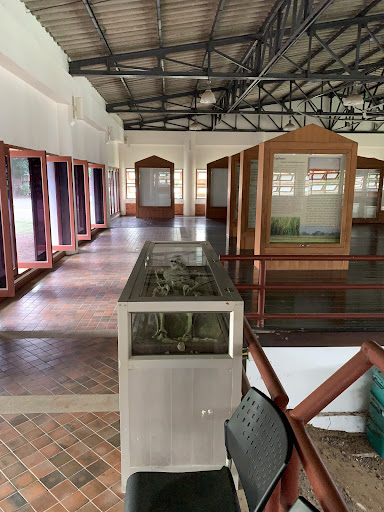
More of a site + display rather than a museum at this point. Some 15 mins away by grab from the Ayutthaya train station. A small building containing graves and skeletons of Portuguese settlers from the 16th century who established a parish here of the Dominican order. Worth a visit if you are bored of seing temple ruins and crave a slightly different pov of medieval Ayutthaya although the building has seen better days. About 20-30 mins should be enough
See more posts
See more posts
hotel
Find your stay

Pet-friendly Hotels in Samphao Lom Subdistrict Administrative Organization

Find a cozy hotel nearby and make it a full experience.

Portuguese Village is located in Tambon Samphao Lom, Amphoe Phra Nakhon Si Ayutthaya, Chang Wat Phra Nakhon Si Ayutthaya, 3 kilometers off the city island on the southern area, three sides of this place surrounded by canals and the east side face Chao Phraya River ( Japanese village is on the opposite side of the river).In A.D. 1511,during the reign of King Ramathibodi 2 ( A.D. 1491-1529 ), Portuguese was the first of European countries who came to Ayutthaya City for the purpose of trading and friendly relation. Dating back to June A.D. 1509 , Don Alfonso d’ Albuquerque as the viceroy of Portuguese India arrived with the force, after capturing and occupying Malacca on August 10, A.D. 1511 he designed Duarte Fernandez to present a letter addressed to King Ramathibodi 2 of the Ayutthaya City targeted to make friendly relation, no objection from Ayutthaya City for the case of Malacca ‘s captured and occupied, Duarte Fernandez returned accompanied by Ayutthaya City ‘s Ambassador. In A.D. 1512, Antonio de Miranda de Azevedo as the Portuguese envoy paid the second officially visited to Ayutthaya City, following the third officially visited by Duarte Coelho Pereira as Portuguese envoy in A.D. 1516. Under two sides’ treaty, Portugal will supply firearms and ammunitions and Siamese agreed to guarantee religious freedoms and facilitated the Portuguese to establish settlement and engaged trading in Ayutthaya ( including Tenasserim ( Tanaw Sri, located at the southest of Burma ( Myanmar) the crucial city was Tawai “ ทวาย “ ), Mergui ( Myeik “ มะริด “ ), Patani and Nakhon Si Thammarat ) , formerly each country ‘s territory was different from nowadays, war between countries not exactly the country ‘s army but the army from belligerent ( city)), resulting to the King Ramathibodi 2 permitted Coelho to build wooden crucifix in a prominent place in Ayutthaya City. Totally populations around 3,000 resided in the area of a half square kilometers, Portuguese in community earn their living on merchants, ship builders, military experts, trade representatives ( Nakhon Sri Thammarat and Patani ) were appointed for trading rice, tin, ivory, gum Benjamin, indigo, sticklac and sappanwood. In A.D. 1538, under the reign of King Chairacha ( A.D. 1534-1536 ), Portuguese were rewarded with commercial and residential privilege ( as official residence on the Ayutthaya City ‘s southern area ). In A.D. 1567 the first 2 Roman Catholic missionaries (Friar Jeronimo da Cruz and Sebastiao da Canto )arrived in Ayutthaya City, as the military chaplains for Portuguese soldiers established a parish ( both of them were killed under Burmese attack in A.D. 1569 ). In A.D. 1584, a group of Roman Catholic priests of the Franciscan Sect built their church in the northern area of a Portuguese village. During 19-26 March A.D.1607, the first Portuguese Jesuit ( Friar Balthasar de Sequeira ) arrived under the request of Tristan Golayo ( Portuguese merchant ), because of task of starting new mission he died in November A.D. 1609 in Petchburi on the way back from GOA ( a west coast state in India adjacent to Arab sea ) to Siam. Finally, there were three Roman Catholic Churchs in the village being : 1. the church of San Petro ( for the Dominican Sect, Ban Jacobin ) 2. the church of San Paolo ( for the Jesuit Sect, Ban Jesuit ) and 3. the church for the Franciscan Sect, all were destroyed during the fell of Ayutthaya in A.D. 1767. The inheritance of culture transferred are the dessert that are “ Thong Yip “ “ Thong Yot “ and “ Foi Thong “ where Chang Wat Petchburi is the famous and skillful city on making these dessert.
Payong Chatwiroon

Payong Chatwiroon

hotel
Find your stay

Affordable Hotels in Samphao Lom Subdistrict Administrative Organization

Find a cozy hotel nearby and make it a full experience.

Get the Appoverlay
Get the AppOne tap to find yournext favorite spots!
หมู่บ้านโปตุเกส ตั้งอยู่ที่ตำบลสำเภาล่ม บริเวณริมฝั่งแม่น้ำเจ้าพระยาทางทิศตะวันตก อยู่ทางใต้ของตัวเมือง ชาวโปรตุเกสเป็นชาวยุโรปชาติแรกที่เข้ามาติดต่อค้าขายกับกรุงศรีอยุธยาเมื่อปีพ.ศ. 2054 โดยอัลฟองโซ เดอ อัลบูเคอร์ก ผู้สำเร็จราชการของโปรตุเกส ประจำเอเซีย ได้ส่งนายดูอาร์เต้ เฟอร์นันเดส เป็นทูตเข้ามาเจริญสัมพันธไมตรีกับสมเด็จพระรามาธิบดีที่ 2 แห่งกรุงศรีอยุธยา ชาวโปรตุเกสเข้ามาตั้งหลักแหล่งค้าขายและเป็นทหารอาสาในกองทัพกรุงศรีอยุธยา สร้างโบสถ์ขึ้นเพื่อเผยแพร่ศาสนาและเป็นศูนย์กลางของชุมชน ปัจจุบันบริเวณนี้ยังมีร่องรอยซากสิ่งก่อสร้างปรากฏให้เห็นคือ โบราณสถานซานเปโตรหรือเรียกในสมัยอยุธยาว่าโบสถ์เซนต์โดมินิค เป็นโบสถ์ในคณะโดมินิกัน นับเป็นโบสถ์แห่งแรกที่สร้างขึ้นในแผ่นดินไทยเมื่อปีพ.ศ. 2083 ตั้งอยู่ในบริเวณเกือบกึ่งกลางหมู่บ้านโปรตุเกส มีเนื้อที่ประมาณ 2,400 ตารางเมตร ยาวตามแนวทิศตะวันออกไปตะวันตกหันหน้าสู่แม่น้ำเจ้าพระยา ตัวอาคารแบ่งออกเป็นสามส่วน คือ ส่วนหน้าเป็นสุสาน ของชาวคาทอลิคคณะโดมินิกัน ส่วนกลางใช้ประกอบพิธีทางศาสนาและฝังศพบาทหลวง ส่วนในด้านหลังเและด้านข้างเป็นที่พักอาศัยและมีการขุดค้นพบโบราณวัตถุที่สำคัญได้แก่ โครงกระดูกมนุษย์ กล้องยาสูบ เหรียญกษาปณ์ เครื่องปั้นดินเผา เครื่องประดับกำไลแก้วและเครื่องประกอบพิธีทางศาสนาเช่น ไม้กางเขน เหรียญรูปเคารพในศาสนา ลูกประคำ ในส่วนของสุสาน พบโครงกระดูกจำนวนมากมายถึง 254 โครง ฝังเรียงรายอย่างเป็นระเบียบและทับซ้อนกันหนาแน่นทั้งภายในและภายนอกอาคาร จากแนวโครงกระดูกที่พบแบ่งขอบเขตสุสานออกเป็น 3 ส่วน ส่วนในสุดกลางตัวอาคารที่เป็นฐานโบสถ์ อาจเป็นโครงกระดูกของบาทหลวงหรือนักบวช ถัดมาส่วนที่สอง ส่วนนี้อาจเป็นผู้มีฐานะทางสังคมในค่ายโปรตุเกสสูงกว่าคนธรรมดาทั่วไป ส่วนที่สามนอกแนวฐานโบสถ์มีการฝังซ้อนกันมากถึง 3-4 โครง โครงกระดูกเหล่านี้มีทั้งที่อยู่ในสภาพสมบูรณ์และบางส่วนชำรุด จากหลักฐานเอกสารประวัติศาสตร์ กล่าวถึงการเกิดโรคระบาดร้ายแรงในปลายแผ่นดินพระเพทราชาเมื่อปีพ.ศ. 2239 มีผู้คนล้มตายมาก และในปีพ.ศ. 2255 ในสมัยพระเจ้าอยู่หัวท้ายสระก็เกิดโรคระบาดอีกครั้งมีผู้คนล้มตายมาก อาจเป็นเหตุให้มีการขยายสุสานออกมาจากเดิม
ภักดี เลิศรุ่งโรจน์

ภักดี เลิศรุ่งโรจน์

hotel
Find your stay

The Coolest Hotels You Haven't Heard Of (Yet)

Find a cozy hotel nearby and make it a full experience.

hotel
Find your stay

Trending Stays Worth the Hype in Samphao Lom Subdistrict Administrative Organization

Find a cozy hotel nearby and make it a full experience.

More of a site + display rather than a museum at this point. Some 15 mins away by grab from the Ayutthaya train station. A small building containing graves and skeletons of Portuguese settlers from the 16th century who established a parish here of the Dominican order. Worth a visit if you are bored of seing temple ruins and crave a slightly different pov of medieval Ayutthaya although the building has seen better days. About 20-30 mins should be enough
Sukhvinder Sidhu

Sukhvinder Sidhu

See more posts
See more posts