Mausoleum at Halicarnassus things to do, attractions, restaurants, events info and trip planning
Basic Info
Mausoleum at Halicarnassus
Tepecik, Turgut Reis Cd. No:93, 48440 Bodrum/Muğla, Türkiye
4.2(1.8K)
Closed

tickets
Save
spot
spot
Ratings & Description
Info
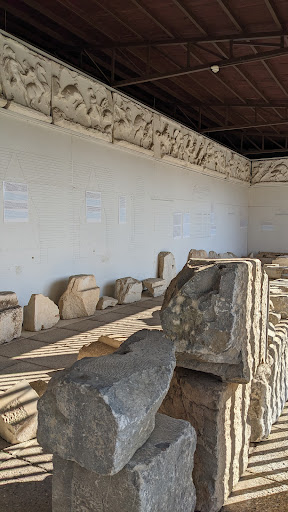
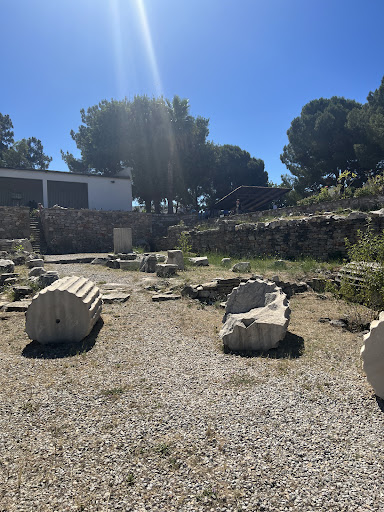
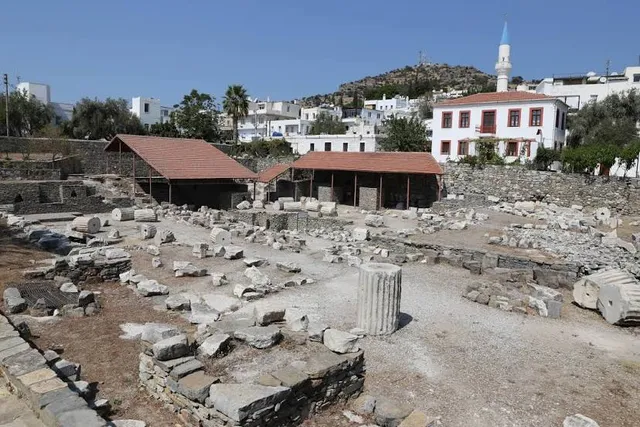
The Mausoleum at Halicarnassus or Tomb of Mausolus was a tomb built between 353 and 350 BC in Halicarnassus for Mausolus, an Anatolian from Caria and a satrap in the Achaemenid Empire, and his sister-wife Artemisia II of Caria. The structure was designed by the Greek architects Satyros and Pythius of Priene.
Cultural
Family friendly
attractions: Bodrum Ancient Theatre, Bodrum Castle, Osmanli Tersanesi Sanat Galerisi, Merkez Adliye Mosque, Bodrum Maritime Museum, Bodrum Museum Of Underwater Archaeology, Bodrum Castle, Kızılhisarlı Mustafa Paşa Camii, Karia Princess Museum, Alman Kulesi, restaurants: Moya Brasserie Restaurant, Zazu, Frenk Bodrum, MYK Denizden Bodrum, Memedof, Mado, Noi Restaurant & Bar, Bodrum Körfez Restaurant, Bistro Marina Neyzar, Deniz Restaurant, local businesses: LC WAIKIKI, Gallery Mustafa, Jimmy Key
 Learn more insights from Wanderboat AI.
Phone
+90 252 316 12 19
Website
muze.gov.tr
Open hoursSee all hours
Thu8:30 AM - 5 PMClosed
Plan your stay

Pet-friendly Hotels in Bodrum
Find a cozy hotel nearby and make it a full experience.

Affordable Hotels in Bodrum
Find a cozy hotel nearby and make it a full experience.

The Coolest Hotels You Haven't Heard Of (Yet)
Find a cozy hotel nearby and make it a full experience.

Trending Stays Worth the Hype in Bodrum
Find a cozy hotel nearby and make it a full experience.
Reviews
Live events
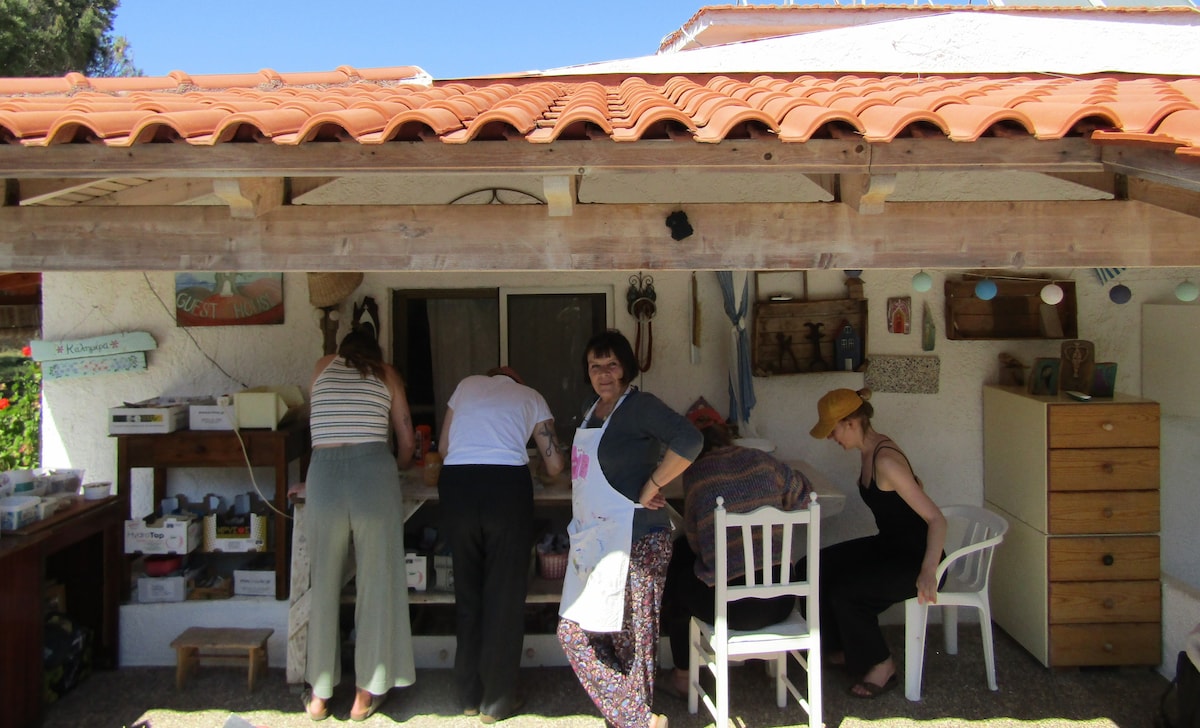
Your mosaic mirror
Thu, Feb 26 • 9:00 AM
853 00, Kos, Greece
View details
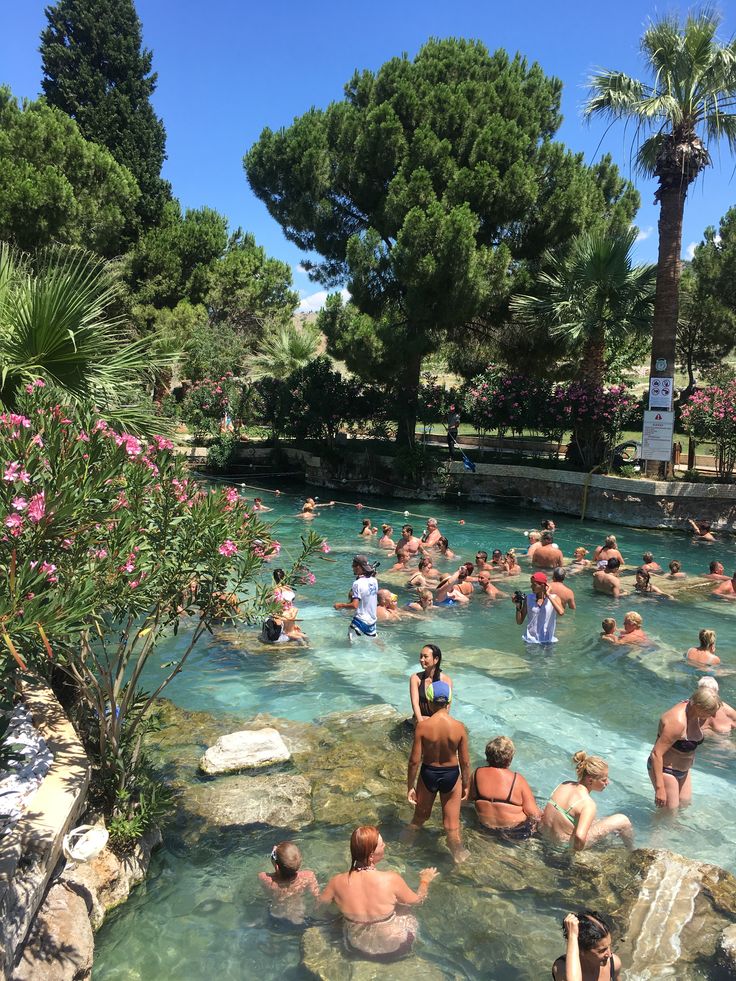
Private Bodrum to Pamukkale full-day tour
Thu, Feb 26 • 8:00 AM
48400, Bodrum, Muğla, Turkey
View details
Nearby attractions of Mausoleum at Halicarnassus
Bodrum Ancient Theatre
Bodrum Castle
Osmanli Tersanesi Sanat Galerisi
Merkez Adliye Mosque
Bodrum Maritime Museum
Bodrum Museum Of Underwater Archaeology
Bodrum Castle
Kızılhisarlı Mustafa Paşa Camii
Karia Princess Museum
Alman Kulesi
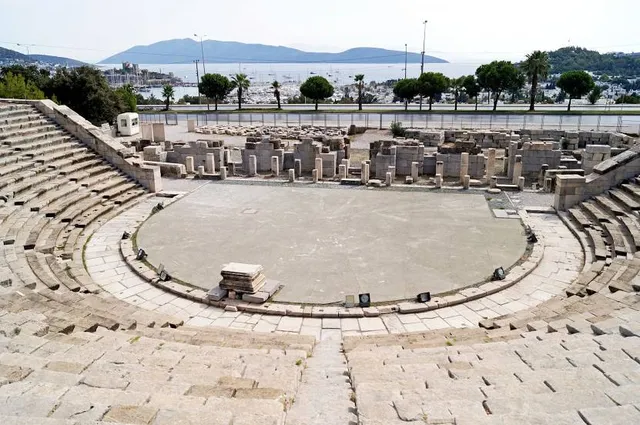
Bodrum Ancient Theatre
4.5
(2.1K)
Closed
Click for details
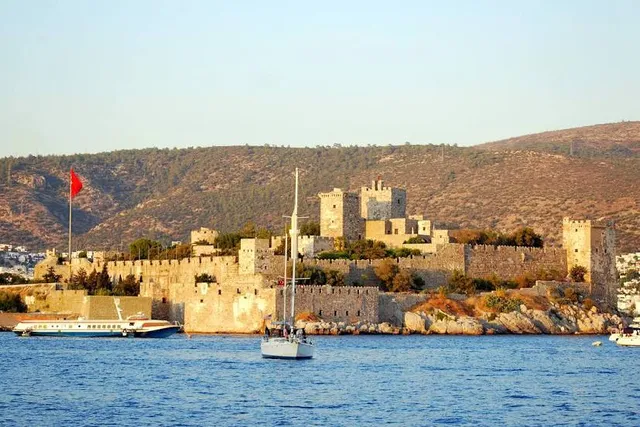
Bodrum Castle
4.6
(9.1K)
Closed
Click for details
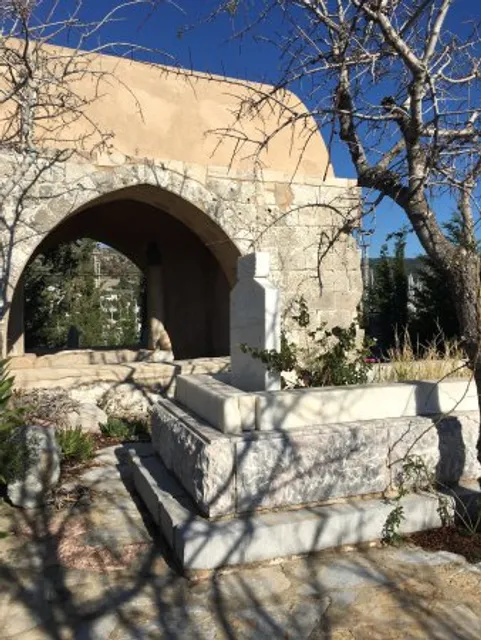
Osmanli Tersanesi Sanat Galerisi
4.1
(27)
Open 24 hours
Click for details
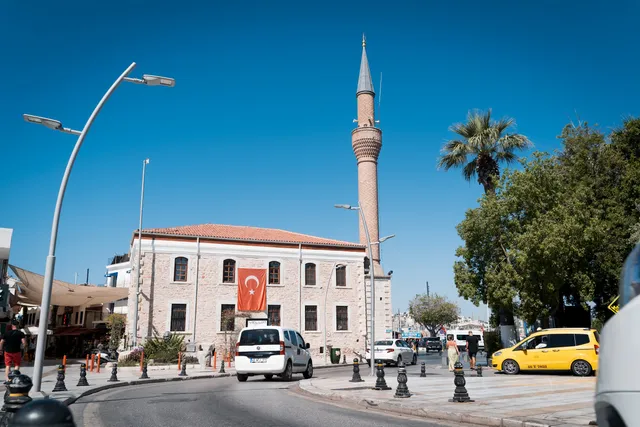
Merkez Adliye Mosque
4.4
(167)
Open 24 hours
Click for details
Nearby restaurants of Mausoleum at Halicarnassus
Moya Brasserie Restaurant
Zazu
Frenk Bodrum
MYK Denizden Bodrum
Memedof
Mado
Noi Restaurant & Bar
Bodrum Körfez Restaurant
Bistro Marina Neyzar
Deniz Restaurant
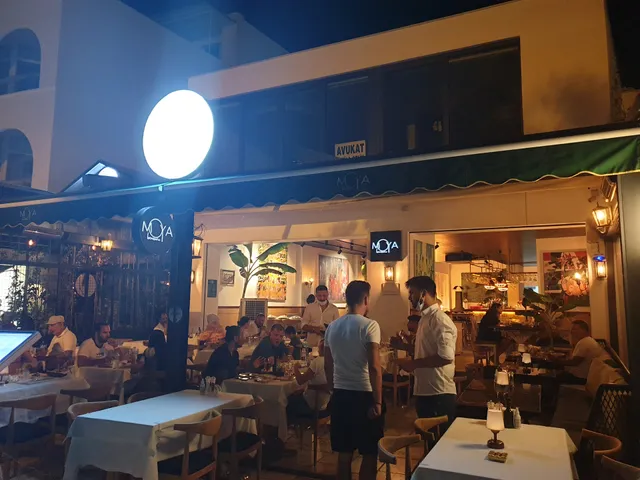
Moya Brasserie Restaurant
4.7
(261)
Closed
Click for details
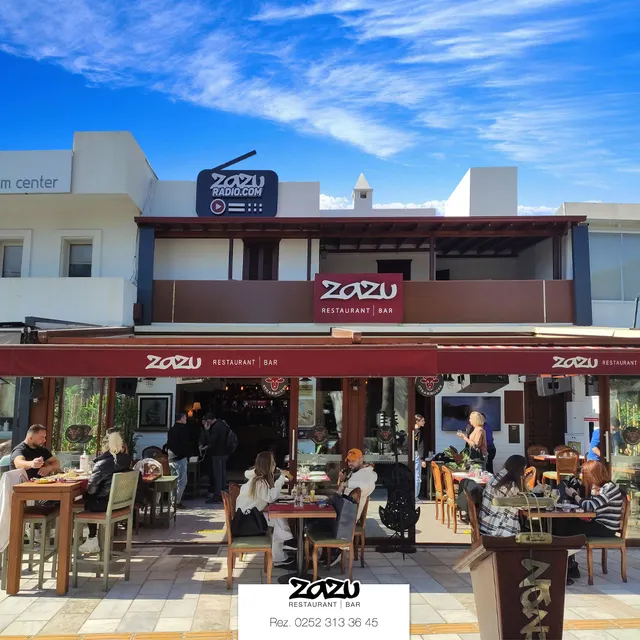
Zazu
4.4
(293)
Closed
Click for details
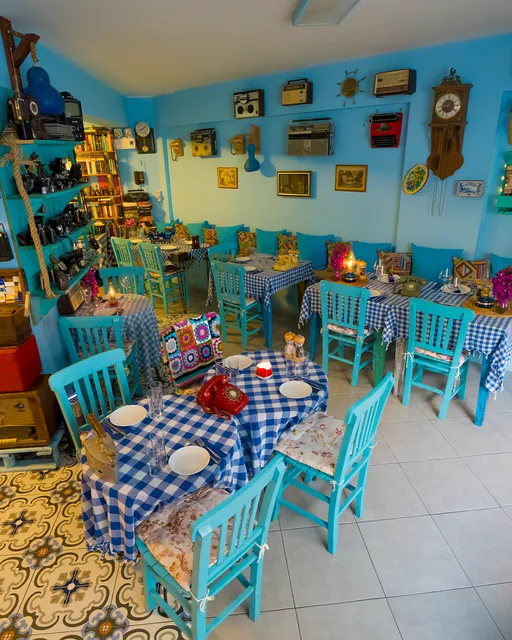
Frenk Bodrum
4.8
(481)
Closed
Click for details
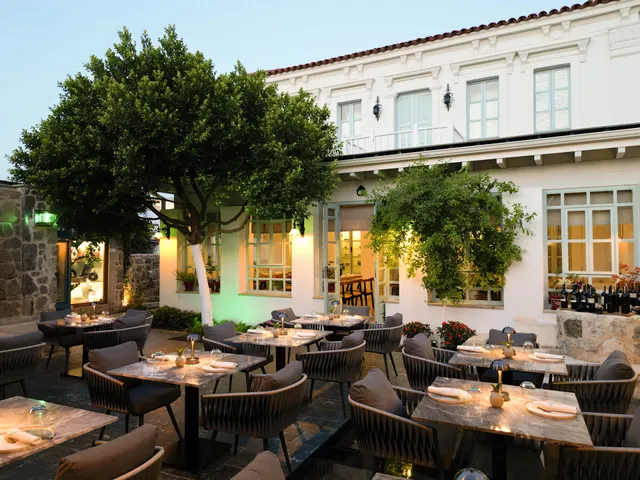
MYK Denizden Bodrum
4.4
(165)
Closed
Click for details
Nearby local services of Mausoleum at Halicarnassus
LC WAIKIKI
Gallery Mustafa
Jimmy Key
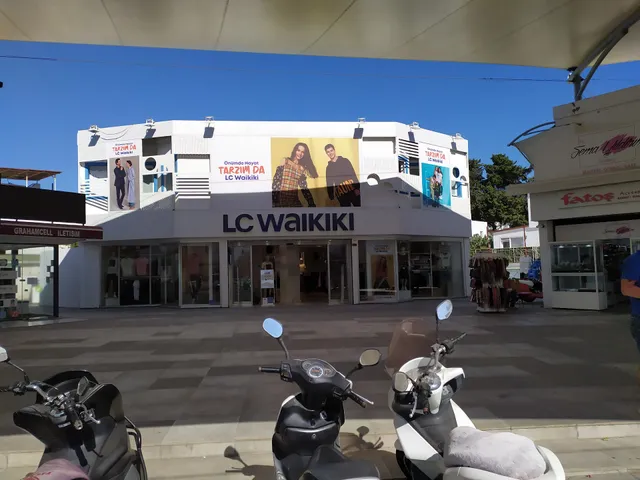
LC WAIKIKI
4.5
(426)
Click for details
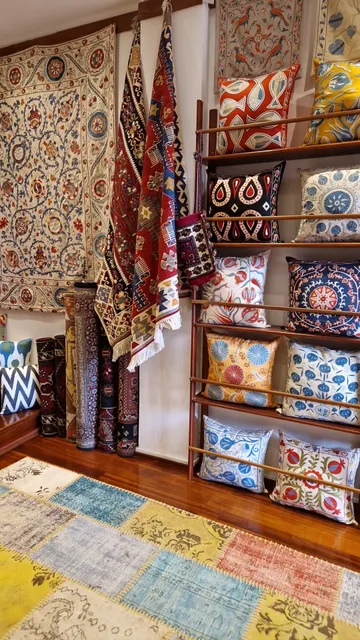
Gallery Mustafa
4.8
(18)
Click for details

Jimmy Key
4.9
(11)
Click for details