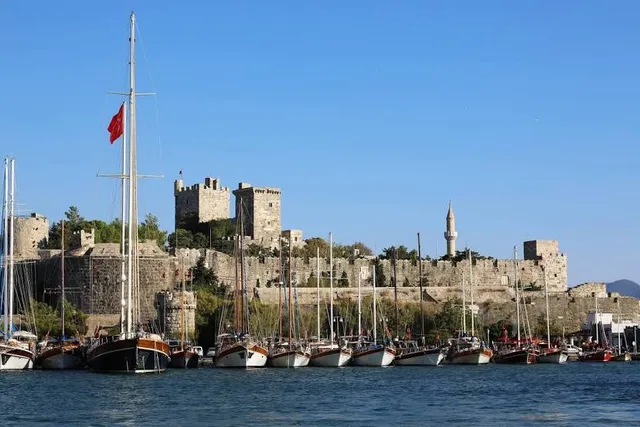
The Bodrum Museum of Underwater Archaeology was established in The Bodrum Castle in 1964. Initially, restoration of the castle was the priority; later, exhibition halls were created in the available space. Today, there are 14 exhibition halls in The Museum of Bodrum. As is clear from the name of museum, it includes mostly underwater artifacts.
The Glass Hall, with is ongoing exhibition of glass and glassware, was opened in 1986, with the assistance of Paşabahçe Glass and Bottle Factory. General information about the museum’s glass collection is provided here. The specimens are exhibited in darkness, with illumination from below. This method of exhibition permits beter viewing of all the various markings and colors of the glass. Specimens dated from the 14th century BC to the 11th century AD are on display. The hall also contains an aquarium, which has been set into an indentation in the wall. The aquarium has a small, but detailed model, which illustrates an underwater excavation.
All of the specimens found in the excavations of Uluburun between 1984-1995 will be exhibited in Uluburun Shipwreck Hall, which is scheduled to open in 1999. Excavation and research of the oldest shipwreck in the world dated to the 14th century BC was conducted first under the direction of Prof. Dr. George Bass, and later under the direction of Dr. Cemal Pulak, under the auspices of Universty of Texas A.M. and The Underwater Archaeology Institute. This shipwreck was found and dated in 1982 by a team under the direction of T.Oğuz Alpözen, the director of The Bodrum Museum of Underwater Archaeology. The cargo of the ship consisted mostly of copper ingots. There are also more than 150 pure-thin, resin, cobalt blue, turquoise and lavender-colored flat, round glass ingots. These ingots constitute the oldest glass artifacts of the Bodrum
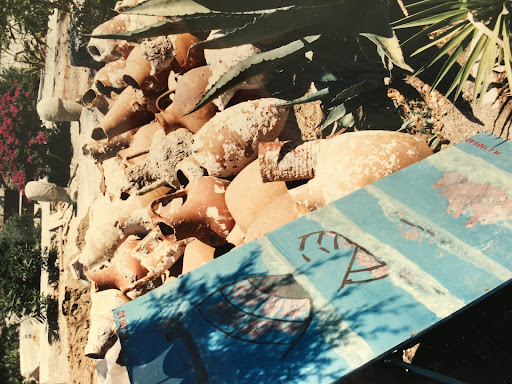
Museum of Underwater Archaeology. The shipwreck, dated to the late Roman period in the 4th – 5th century AD, was found in a water depth of 36-42 meters near Yassıada, off the shore of Turgutreis, a town at the west end of the Bodrum peninsula. It was excavated between 1967-1969, under the direction of Prof. Dr. George F. Bass, under the auspices of The University of Pennsylvania. Along with several amphorae, one complete glass jug was found in the excavation. This glass jug is exhibited in the Glass Hall.
The East Roman ship, which was dated to the 7th century AD, was excavated between 1961-1964 by a team under the direction of Prof. Dr. George F. Bass. It was reconstructed to actual-size in an old chapel which was used as exhibition hall before 1997. Both models and real-life specimens are exhibited in the reconstructed ship. The ship is believed to have sunk after running aground on a sandbar near Yassıada. It was carrying provisions for the army of Emperor Heraclius during the war with the Persians. Only one 7th century AD glass bottle was recovered from the East Roman shipwreck; it is exhibited in the hall.
A shipwreck foundd at a depth of 32 meters in Serçe Limanı (Harbor), 24 miles west of Marmaris, was excavated and researched by Prof. Dr. George F. Bass between 1977-1979. Excavation revealed that the ship had two latten sails, 16 meters long and 5 meters wide, with a cargo capacity of 35 tons. The broken glass and glass ingots which were stowed in sacks and baskets in the hold of ship reveal this to be a trade-ship. Sumac and raisins were carried in the amphoras, along with fragments of broken glass. The ship was dated by examining copper coins, golden Fatimid coins, and glass weights on which the name of the caliph of Fatimid was printed.
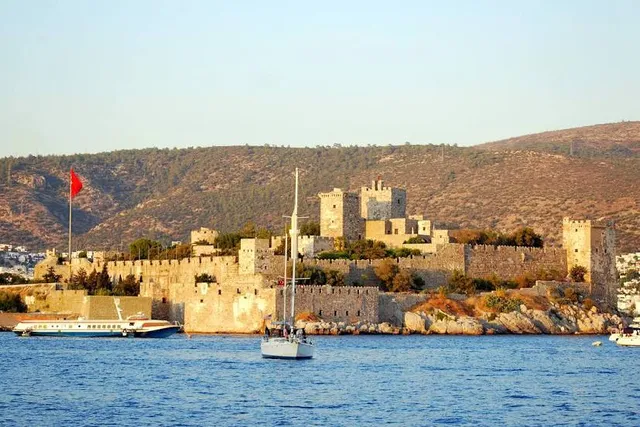
Bodrum Castle (Saint Peter)
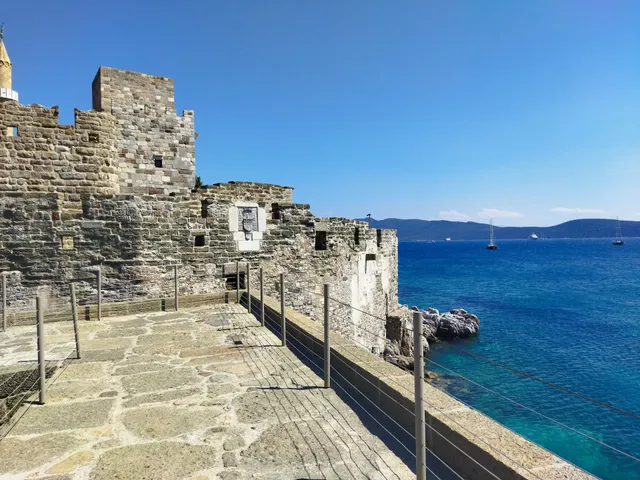
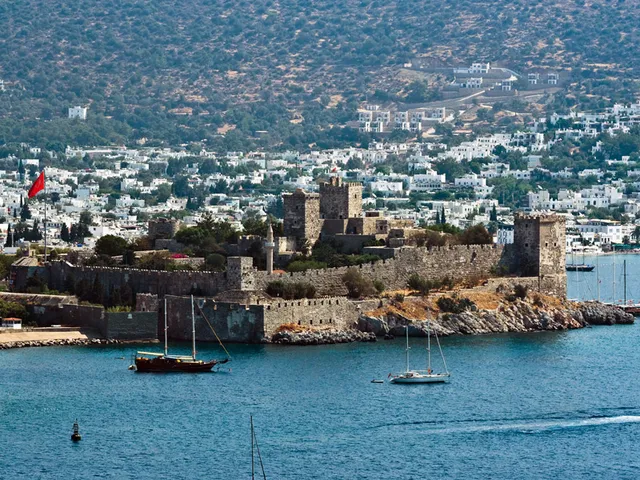
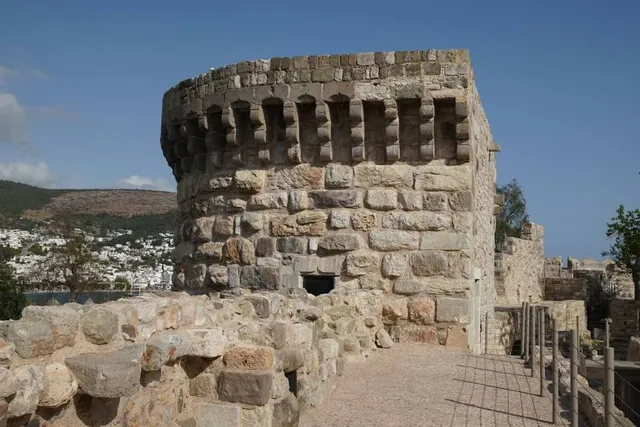
Built by the Knights of Rhodes in the 15th century and dedicated to St. Peter, the construction of the castle was completed in 99 years. It was built on Zephyrion island, the original site of the city of Halicarnassos. Stones and reliefs from the Mausoleum of King Mausolos were used in its construction. There are 5 towers in this castle; French, English, Italian, German and Snake towers. The castle covers approximately...
Read moreThis excellent museum is set in Bodrum’s historic castle and a great way to spend a morning or afternoon. Exhibits about underwater archaeology are interspersed with open air displays of statuary and artifacts from the castle’s history.
The castle itself is a fascinating place to explore, with beautiful views of the ocean and a history that stretches from the days of the Knights of St John through to its bombardment by the French during World War I.
But despite the beautiful surroundings, the archaeological exhibits, housing artifacts mostly recovered from shipwrecks spanning about a thousand years of history, are the real revelation. Not only does the museum’s curation place these finds in their fascinating historical context, but they have also done extensive video interviews with the archaeologists who recovered them over the course of thousands of dives.
One of my favorite exhibits partially recreated a small ancient trading ship carrying stores of glassware, which were recovered from the ocean floor and then in many cases painstakingly pieced back together by the archaeology team, who lived for months in a remote camp while working to catalogue the wreck and bring it to the surface. Interviewed years later for a short documentary available as part of the exhibit, you can see the archaeologists tear up as they remember the moment of uncovering gold earring lost for centuries under the ocean, or finding the last missing fragment of shattered glass vessel. A really beautiful and...
Read moreThe Bodrum Museum of Underwater Archaeology in Turkey is a true marvel that immerses visitors in the rich maritime history of the region. Nestled within the Bodrum Castle, this museum offers a captivating journey through time, showcasing an incredible collection of ancient artifacts recovered from the depths of the sea.
What sets this museum apart is its ingenious blend of history and underwater exploration. Visitors are treated to a fascinating array of well-preserved relics, from amphorae to shipwrecks, each telling a unique story of ancient seafaring civilizations. The meticulous curation allows visitors to appreciate the artistry and craftsmanship of these artifacts, giving a glimpse into the past that is both educational and awe-inspiring.
The museum's immersive exhibits are complemented by informative descriptions, providing context to the artifacts and their historical significance. The highlight, undoubtedly, is the museum's ability to transport visitors into the underwater world, showcasing the archaeological wonders discovered beneath the waves.
Moreover, the museum's staff is knowledgeable and passionate, adding depth to the overall experience. The Bodrum Museum of Underwater Archaeology is a must-visit destination for history enthusiasts, offering a profound appreciation for Turkey's maritime heritage. It's a testament to human ingenuity and a celebration of our enduring connection to the sea, making it a truly unforgettable...
Read more