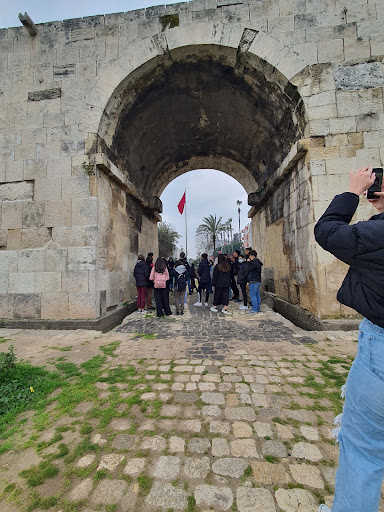
Cleopatra Gate things to do, attractions, restaurants, events info and trip planning
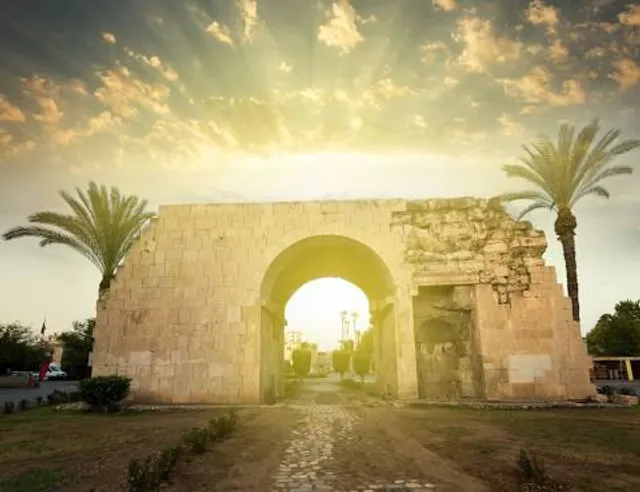
Basic Info
Cleopatra Gate
Duatepe, Adile Hala Cd. No:613, 33440 Tarsus/Mersin, Türkiye
4.5(2.3K)
Open until 12:00 AM
Save
spot
spot
Ratings & Description
Info
Cleopatra's Gate is a city gate of Tarsus, in Mersin Province, Turkey, named after the Egyptian queen Cleopatra VII.
Cultural
Family friendly
attractions: Kırkkaşık Bedesten, Saint Paul's Church, Tarsus, Yarenlik, Ancient Road, Tarsus Culture Park, Danyal Peygamber Kabri - Makam-ı Şerif Câmii, Kubat Pasha Madrasa, Eski Cami, restaurants: , local businesses: Kebapçı Eyüp, Tarsus Historic Houses, Old Tarsus Houses
 Learn more insights from Wanderboat AI.
Open hoursSee all hours
SatOpen 24 hoursOpen
Plan your stay

Pet-friendly Hotels in Tarsus
Find a cozy hotel nearby and make it a full experience.

Affordable Hotels in Tarsus
Find a cozy hotel nearby and make it a full experience.

The Coolest Hotels You Haven't Heard Of (Yet)
Find a cozy hotel nearby and make it a full experience.

Trending Stays Worth the Hype in Tarsus
Find a cozy hotel nearby and make it a full experience.
Reviews
Nearby attractions of Cleopatra Gate
Kırkkaşık Bedesten
Saint Paul's Church, Tarsus
Yarenlik
Ancient Road
Tarsus Culture Park
Danyal Peygamber Kabri - Makam-ı Şerif Câmii
Kubat Pasha Madrasa
Eski Cami
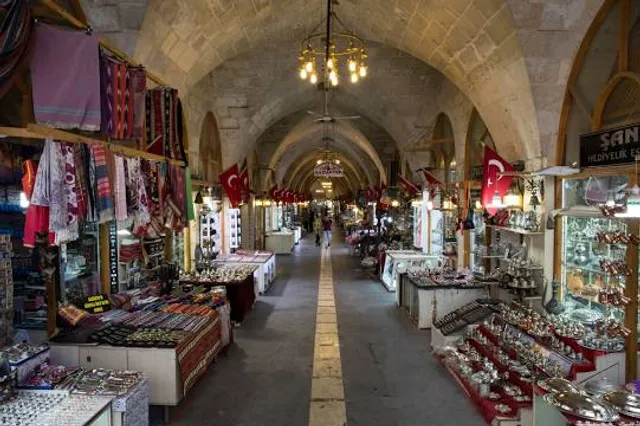
Kırkkaşık Bedesten
4.4
(748)
Closed
Click for details
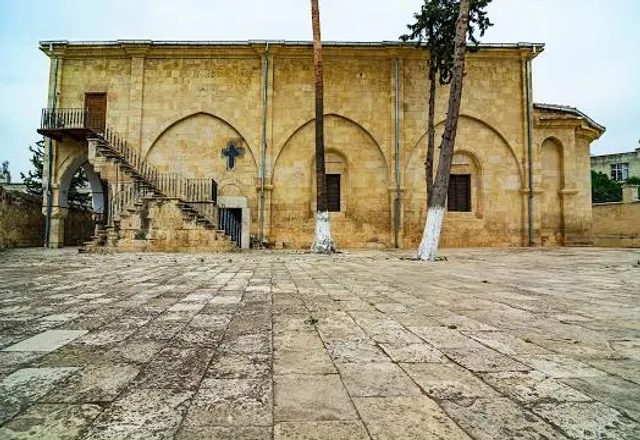
Saint Paul's Church, Tarsus
4.3
(516)
Closed
Click for details
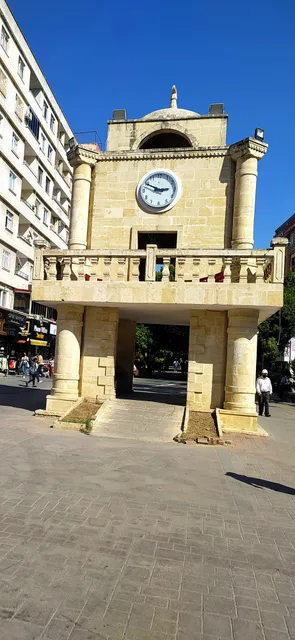
Yarenlik
4.1
(1.2K)
Open 24 hours
Click for details
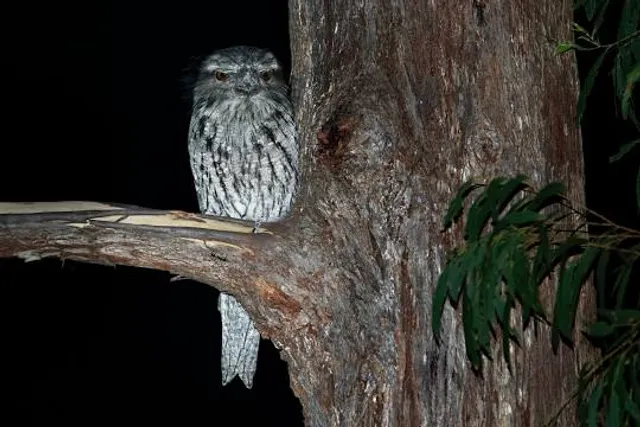
Ancient Road
4.2
(190)
Open 24 hours
Click for details
Nearby local services of Cleopatra Gate
Kebapçı Eyüp
Tarsus Historic Houses
Old Tarsus Houses
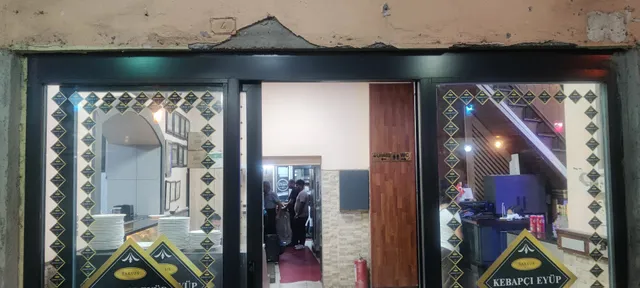
Kebapçı Eyüp
4.3
(703)
Click for details
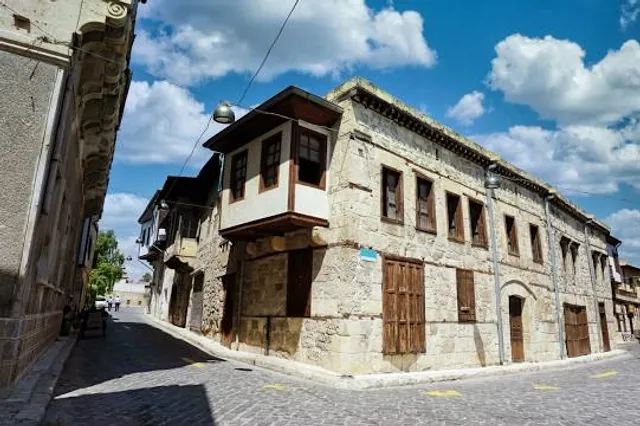
Tarsus Historic Houses
4.4
(407)
Click for details
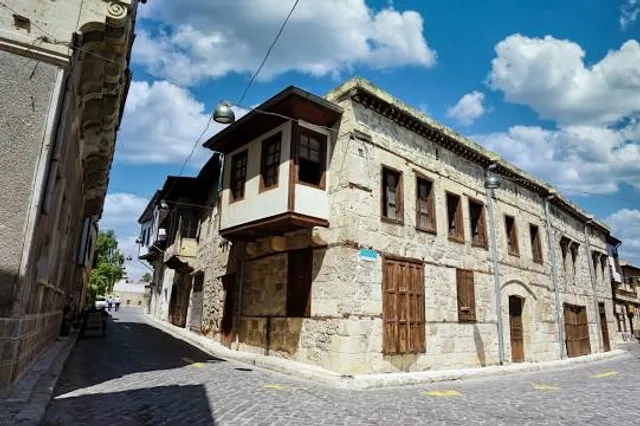
Old Tarsus Houses
4.3
(59)
Click for details