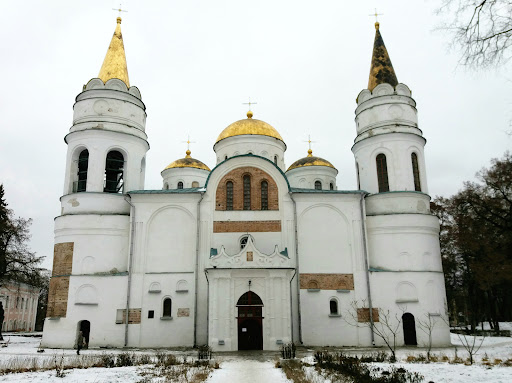
Spaso-Preobrazhensʹkyy Sobor Khi St. things to do, attractions, restaurants, events info and trip planning

Basic Info
Spaso-Preobrazhensʹkyy Sobor Khi St.
Preobrazhens'ka St, 1а, Chernihiv, Chernihiv Oblast, Ukraine, 14000
4.8(237)
Closed
Save
spot
spot
Ratings & Description
Info
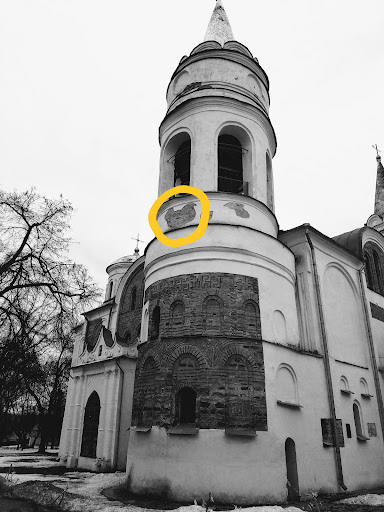
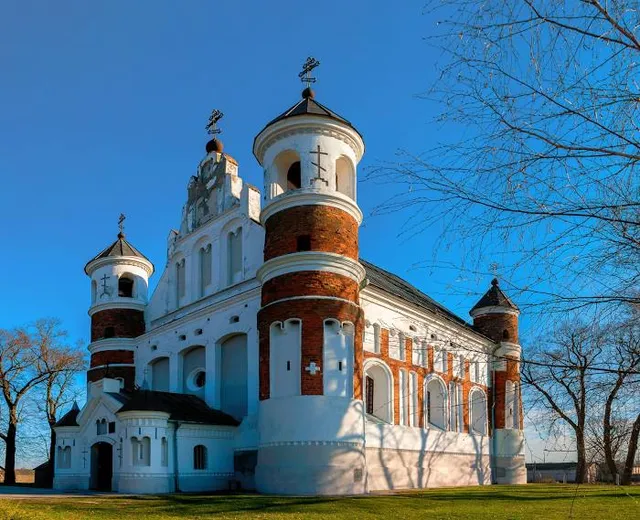
The Transfiguration Cathedral in Odesa is the Orthodox Cathedral in Odesa, Ukraine, dedicated to the Transfiguration of Jesus and belongs to the Ukrainian Orthodox Church. It was severely damaged by a Russian missile attack on Odesa on July 23, 2023.
Cultural
Scenic
Family friendly
Accessibility
attractions: Chernihiv Dytynets Park, Ancient Chernihiv National Architectural and Historical Reserve, Borys and Gleb Cathedral, Historic cannon Val, Tarnovskyi Chernihiv Regional Historical Museum, Chernihiv Collegium, St. Catherine's Cathedral, Plast-Art, Ivan Mazepa Monument, St. Paraskevi's Church, restaurants: , local businesses: Taras Shevchenko Monument, Muzeum Sztuki im. Grigorija Gałagana
 Learn more insights from Wanderboat AI.
Phone
+380 93 036 9821
Website
oldchernihiv.com
Open hoursSee all hours
Thu10 AM - 5 PMClosed
Plan your stay

Pet-friendly Hotels in Чернігівська міська громада
Find a cozy hotel nearby and make it a full experience.

Affordable Hotels in Чернігівська міська громада
Find a cozy hotel nearby and make it a full experience.

The Coolest Hotels You Haven't Heard Of (Yet)
Find a cozy hotel nearby and make it a full experience.

Trending Stays Worth the Hype in Чернігівська міська громада
Find a cozy hotel nearby and make it a full experience.
Reviews
Nearby attractions of Spaso-Preobrazhensʹkyy Sobor Khi St.
Chernihiv Dytynets Park
Ancient Chernihiv National Architectural and Historical Reserve
Borys and Gleb Cathedral
Historic cannon Val
Tarnovskyi Chernihiv Regional Historical Museum
Chernihiv Collegium
St. Catherine's Cathedral
Plast-Art
Ivan Mazepa Monument
St. Paraskevi's Church
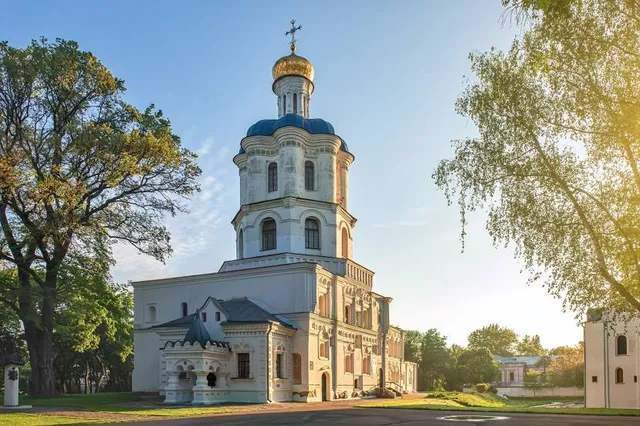
Chernihiv Dytynets Park
4.8
(4.9K)
Open until 12:00 AM
Click for details
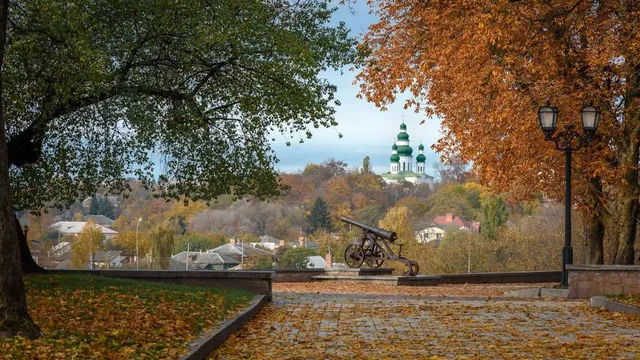
Ancient Chernihiv National Architectural and Historical Reserve
4.9
(618)
Closed
Click for details
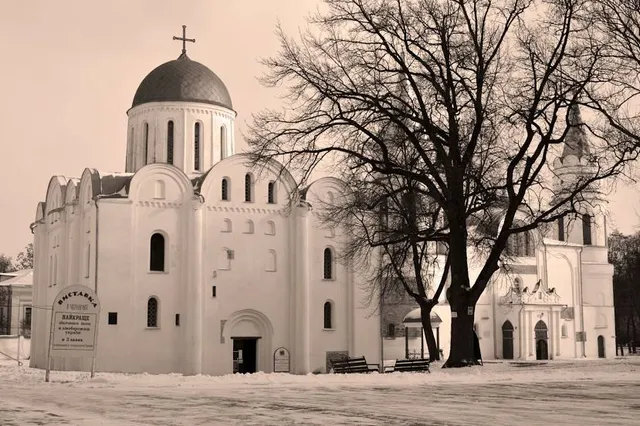
Borys and Gleb Cathedral
4.8
(155)
Closed
Click for details
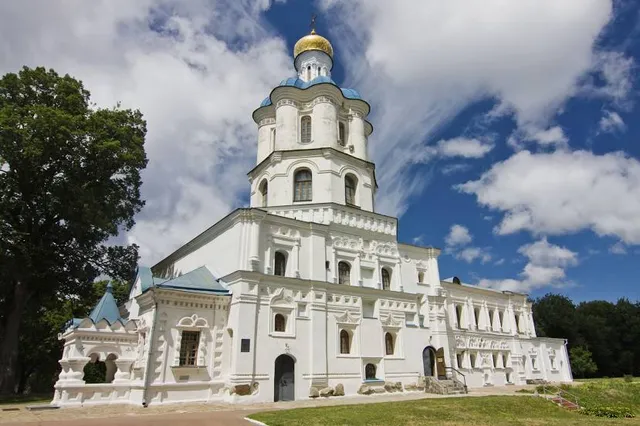
Historic cannon Val
4.9
(1.5K)
Open until 12:00 AM
Click for details
Nearby local services of Spaso-Preobrazhensʹkyy Sobor Khi St.
Taras Shevchenko Monument
Muzeum Sztuki im. Grigorija Gałagana
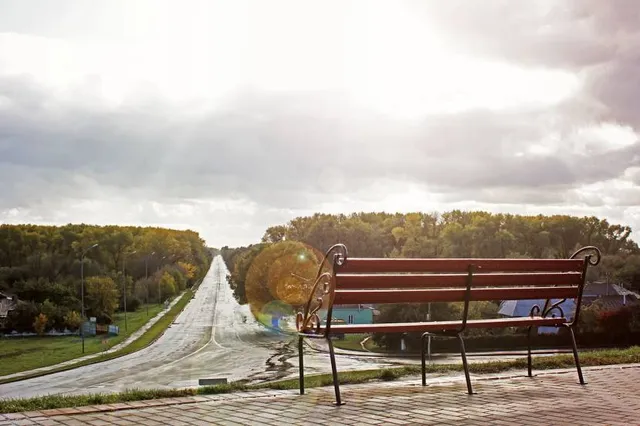
Taras Shevchenko Monument
4.8
(114)
Click for details
Muzeum Sztuki im. Grigorija Gałagana
4.5
(206)
Click for details