Louvre Abu Dhabi, located on Saadiyat Island in the United Arab Emirates, is a cultural marvel that embodies the union of art, architecture, and history. Opened in 2017, it represents a significant collaboration between France and the UAE, under the Louvre’s prestigious name. The museum stands out not only for its diverse and carefully curated collection but also for its stunning architectural design, making it a must-visit destination for art enthusiasts, historians, and architects alike.
Architecture
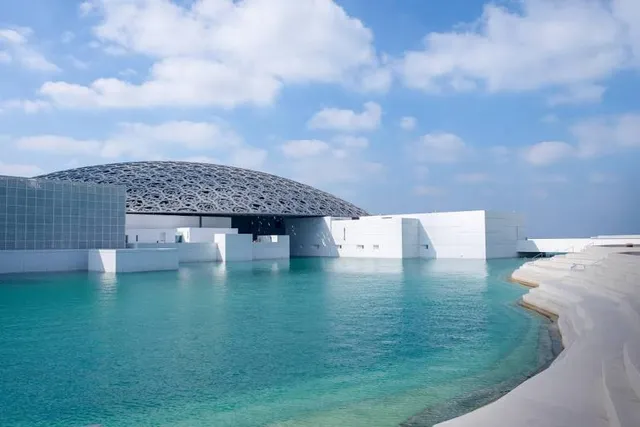
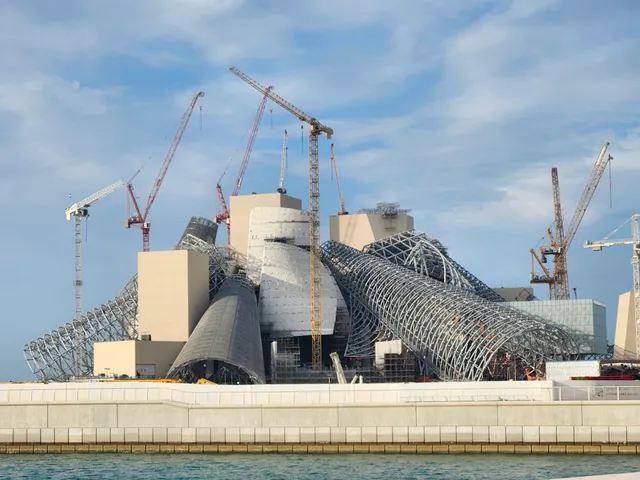
Designed by the renowned French architect Jean Nouvel, the Louvre Abu Dhabi is a masterpiece in itself. The most striking feature is its iconic dome, an architectural marvel composed of approximately 7,850 unique metal stars. This dome allows sunlight to filter through in a way that mimics the effect of light shining through palm fronds in an oasis, creating a "rain of light." The complex design of the dome, combined with its massive size (180 meters in diameter), presents a feat of engineering, offering a shaded microclimate for visitors to wander through comfortably even in the intense desert heat.
The museum's structure is a mix of modernism and traditional Arabic architecture. Its white-walled pavilions are inspired by the medina (the old cities found in many Arab countries), with 55 individual buildings connected by walkways. The seamless blend of water, light, and space results in an atmosphere of tranquility, echoing the concept of a floating city on the Arabian Gulf. This spatial configuration not only makes it an architectural landmark but also contributes to the overall immersive experience of visiting the museum.
Art Collection
Louvre Abu Dhabi is often referred to as a "universal museum" because of its commitment to displaying a diverse array of artworks from various cultures and eras. Unlike many museums that focus on a particular region or period, Louvre Abu Dhabi emphasizes the interconnectedness of human history. Its collection spans prehistoric artifacts, classical works from ancient civilizations, Islamic art, European Renaissance masterpieces, and modern and contemporary art.
One of the museum’s goals is to highlight the universal themes shared across civilizations, such as belief, power, and artistic expression. Visitors will find works like Leonardo da Vinci's La Belle Ferronnière, an ancient statue of Ramses II, Vincent van Gogh’s Self Portrait, and Piet Mondrian’s Composition with Blue, Red, Yellow, and Black. The juxtaposition of these pieces from different periods and cultures encourages visitors to see historical connections and understand humanity’s shared heritage.
Louvre Abu Dhabi also features temporary exhibitions and special loaned pieces from major French institutions, including the Musée d’Orsay, Centre Pompidou, and Château de Versailles. This dynamic aspect of its collection ensures that there is always something new to discover.
Cultural Significance
Louvre Abu Dhabi symbolizes a significant cultural partnership between the East and the West, reflecting the UAE’s vision to become a hub for cultural exchange. The museum serves as a platform for promoting cross-cultural dialogue, fostering understanding, and celebrating the diversity of human creativity. Its inclusive approach makes it more than just a display of artifacts; it’s a place for reflection on how art has shaped the world.
Conclusion
Louvre Abu Dhabi is more than a museum—it is an experience where art, architecture, and history converge in a space that inspires contemplation. The combination of a world-class art collection, stunning architectural design, and its focus on global connections makes it a unique cultural destination that transcends geographical boundaries. Whether you're an art lover or an architecture enthusiast, the Louvre Abu Dhabi offers an unforgettable journey through human creativity...
Read moreThe Louvre Abu Dhabi is a captivating masterpiece that seamlessly blends art, culture, and architecture. As you step into this cultural haven, the iconic dome, a modern interpretation of traditional Islamic architecture, immediately commands attention. Its latticed design creates a mesmerizing interplay of light and shadows, setting the stage for an unforgettable journey through the world of art.
Inside, the museum’s layout is a testament to thoughtful curation, showcasing a diverse collection spanning centuries and continents. The “universal museum” concept is evident, with exhibits seamlessly transitioning between civilizations, highlighting the interconnectedness of human history.
One cannot help but be enthralled by the breadth and depth of the artworks on display. From classical masterpieces to contemporary installations, the Louvre Abu Dhabi celebrates the global tapestry of artistic expression. The thematic arrangement invites contemplation, as visitors traverse through time and space, encountering pieces that resonate with both historical significance and modern relevance.
The museum’s commitment to education is evident in its engaging multimedia presentations, offering insightful narratives about each exhibit. The use of cutting-edge technology enhances the overall experience, making it accessible and enjoyable for visitors of all ages.
The integration of outdoor spaces, including the serene waterfront, provides moments of reflection amidst the art-filled journey. The museum’s commitment to sustainability is commendable, with eco-friendly initiatives evident throughout the premises.
In conclusion, the Louvre Abu Dhabi is a triumph of cultural ambition. Its architectural brilliance, diverse collection, and commitment to education make it a must-visit destination for art enthusiasts and curious minds alike. As a cultural landmark, it stands as a testament to the power of art in fostering understanding and unity across civilizations.
Additionally, the Louvre Abu Dhabi currently boasts a remarkable exhibition that adds a distinctive touch to its diverse collection – the Cartier Islam-inspired collection from Iran. This captivating showcase, running until the end of March, offers a unique glimpse into the intersection of haute joaillerie and traditional Islamic artistry.
The Cartier exhibition seamlessly weaves together the craftsmanship of renowned jewelers with the rich cultural heritage of Iran. Each piece tells a story of elegance and sophistication, paying homage to the intricate designs found in Islamic art. From intricately designed bracelets to exquisitely crafted necklaces, the collection serves as a bridge between the worlds of contemporary luxury and timeless artistic traditions.
This limited-time exhibition not only adds an extra layer of cultural richness to the Louvre Abu Dhabi experience but also underscores the museum’s commitment to presenting diverse narratives. It is a rare opportunity to witness the fusion of Cartier’s iconic style with the beauty and symbolism drawn from Iranian art, creating a dialogue that transcends time and borders.
For those fortunate enough to visit before the exhibition concludes, the Cartier Islam-inspired collection promises to be a highlight, offering a deeper understanding of the interplay between high fashion and cultural heritage within the global...
Read moreWe visited this incredible museum two weeks back. Being an Architect myself, I had heard and read about this museum before. It is designed by a world renowned Architect Jean Nouvel. But seeing it in person, far exceeded my expectation. It has an ethereal feel.
Unfortunely Louvre Abu Dhabi is never on the list of Indian Travellers or Travel Agents. When I requested it from my Travel Agent, they inquired with their Dubai counterpart and specially arranged for it. It felt nice to know that Abu Dhabi is developing the area as Cultural District, where this museum is located. Also Guggenheim Museum is coming up here.
I have been to Louvre in Paris, which is a majestic historic building with some modern parts done in glass by I M Pie architect. But Louvre in Abu Dhabi is a completely different concept. There is an enormous dome, with a lattice like structure. The structure leaves gaps and perforations from where sunlight beams in onto the buildings below. These bright spots of sunlight on the buildings and floor constantly chage it's position with movement of the sun. The dome is a little darkish greyish in colour, the flooring of entire museum is light grey (probably rough granite) and all the buildings/rooms below are in pure white. There is a breaking of the surface of the large cuboid buildings below, by various horizontal and vertical lines, which remind you of a De Stil painting.
What adds more drama to this already facinating building, is that the sea enters into the building at various places. There is a ramp created inbetween the water and you can do a ramp walk on that. There are also steps with cushions where you can relax and view the ocean panorama, seen between the dome and floor below.
We were so much enraptured in seeing the building, that we hardly had time to see the exhibits. We caught up a temporary exhibit of paintings of the Great Masters Van Gogh, Cezzane and Paul Gaugin. Cezzane and Paul Gaugin are special for me as I have done copies of their masterpieces when I was in college. It felt exhilarating to be photographed with original paintings by these great masters.
Louvre can hold you in it's magical grip for more than a day, but we had only 2 to 3 hours, before we moved on to see the Grand Mosque and other places. But surely I feel I will come here again someday with much more time to savour the beauty of this building to...
Read more