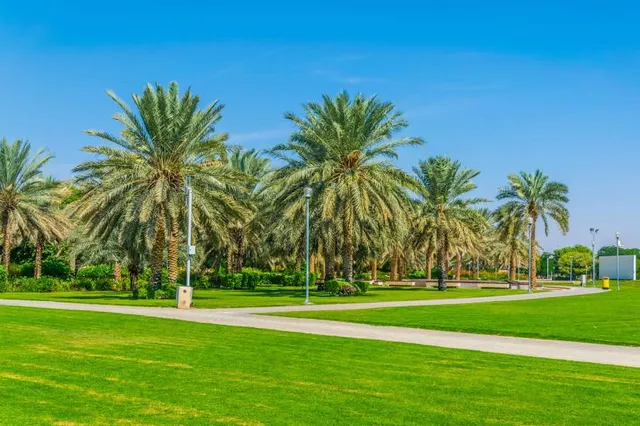
In the heart of the city, the Al Ain Oasis has been opened as the UAE’s first curated UNESCO World Heritage site visitor experience. Spread over 1,200 hectares (nearly 3,000 acres) and containing more than 147,000 date palms of up to 100 different varieties, this impressive oasis is filled with palm plantations, many of which are still working farms.
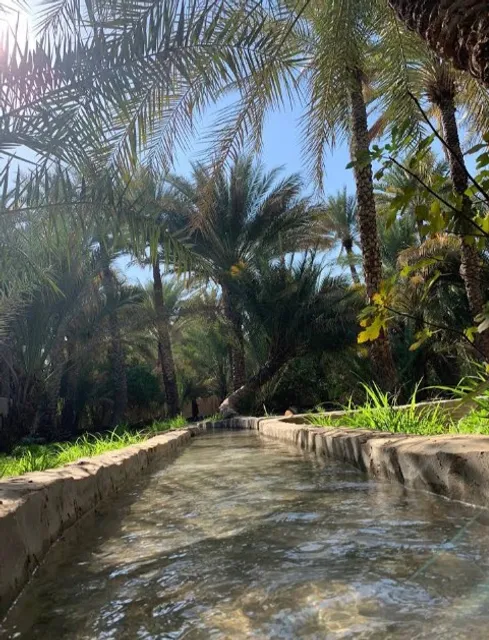
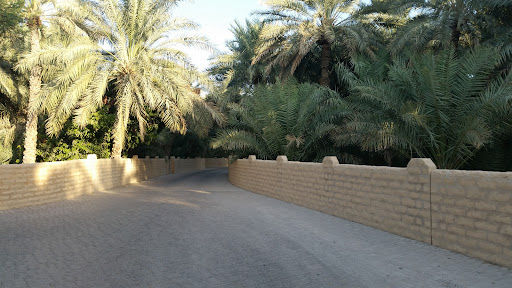
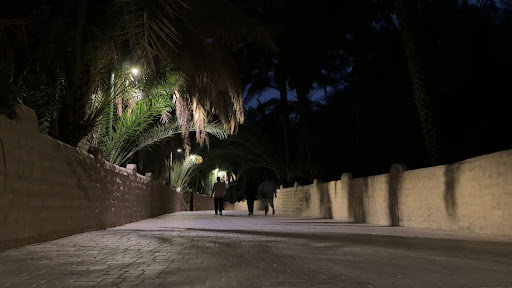
The cool, shady walkways transport you from the heat and noise of the city to a tranquil haven; all you will hear is birdsong and the rustle of the palm fronds. The site introduces visitors to the delicate oasis eco-system and the importance it has played in the development of the emirate. The oasis landscape of Al Ain is shaped by a complex shared water supply based on both wells and ‘aflaj’, the UAE’s traditional irrigation system. Al Ain Oasis has plenty of working examples of the falaj which have been used for centuries to tap into underground wells.
Narrating the components of Al Ain’s UNESCO World Heritage site, a purpose-built Eco-Centre experience at the oasis entrance provides an overview of the significance of the site and its importance to Abu Dhabi’s civilisation. Through a series of fascinating and immersive interactive exhibits, the Eco-Centre highlights the measures being taken to preserve the delicate oasis ecosystem. The site also sows the seeds of the invaluable contribution of Al Ain’s oasis farmers into the minds of visitors through a continued showcase of traditional farming methods and produce, and the development of a year round programme of festivals, events, and interactive activities.
There is a dedicated Al Ain Oasis mobile app and visitor map, narrated trails criss-cross the interior paths of the oasis, guiding and informing all the while through fascinating interpretive panels. The site also features a number of food and beverage outlets, cultural retailers, plenty of free parking and connectivity to neighbouring visitor sites, including the Al Ain Palace and Al Ain...
Read moreAl Ain Oasis: A Natural Wonder and a Serene Escape in the Heart of the UAE
Nestled in the heart of Al Ain, Al Ain Oasis is a breathtaking UNESCO-listed site that offers visitors a glimpse into the region’s rich agricultural heritage. Spanning over 1,200 hectares, this lush oasis is home to more than 147,000 date palms and a variety of fruit-bearing trees, creating a peaceful and refreshing retreat away from the hustle and bustle of city life.
A Natural Haven in the Desert Al Ain Oasis stands as a testament to the ingenuity of traditional farming methods in the UAE. The site showcases the Falaj irrigation system, an ancient technique that has been used for over 3,000 years to distribute water across the oasis, sustaining the lush vegetation in this arid landscape. Walking through the shaded pathways, visitors can experience the cool, tranquil atmosphere that contrasts beautifully with the surrounding desert environment.
A Journey Through Emirati Heritage Beyond its natural beauty, Al Ain Oasis offers educational experiences through the Eco-Centre, where visitors can learn about sustainable farming practices, the history of date palm cultivation, and the importance of oases in the region’s development. The site also highlights the role of Al Ain as a UNESCO World Heritage Site, preserving the deep-rooted traditions and agricultural practices that have shaped the UAE’s history.
A Perfect Escape for Nature and Culture Lovers Whether you are a history enthusiast, a nature lover, or simply looking for a peaceful retreat, Al Ain Oasis is the perfect destination. The serene pathways, the rustling palm leaves, and the scent of fresh earth create an immersive experience that transports visitors back in time to a simpler way of life.
For those seeking an authentic Emirati experience, a visit to Al Ain Oasis is a must. It is a place where history, nature, and sustainability come together, offering a truly unique and enriching experience in the...
Read moreAl Ain Oasis One of the six Oasis in Al Ain accorded UNESCO World heritage status Al Ain Oasis preserves a culture and a way of life going back thousands of years. It covers 136 hectares and is the largest oasis in Al Ain. Farmers tend to more than 147,000 date palms, consisting of more than 100 varieties, as well as fodder crops and fruit trees such as mango, orange, banana, fig, and jujube. Individual plots are separated by historic boundary walls.
Aflaj irrigation system Accorded intangible world heritage by UNESCO, the water supplying the oasis comes from wells and the ancient falaj system (plural aflaj), which brings water from the mountains to the farms via a complex system of underground and surface channels. There are two main aflaj serving the oasis – Al Aini and Al Dawoodi. They provide water to separate parts of the oasis but both originate some distance away to the south-east, in the direction of the Hajar Mountains.
Three layered agricultures
Traditional oases like Al Ain Oasis are complex agroecosystems based on a three-layer vertical structure, with the upper one made by date palms, the intermediate one made by olive trees and other fruit trees, and the lower one used to cultivate vegetables and fodder. Traditional oases are also well integrated with animal husbandry, providing fodder to the raised animals, that, in exchange, provide manure for the maintenance of soil fertility and workforce for transport, water extraction...
Read more