HTML SitemapExplore
logo
Find Things to DoFind The Best Restaurants

Hindu Temple Dubai — Attraction in Dubai

Name
Hindu Temple Dubai
Description
Nearby attractions
Nearby restaurants
Zaatar W Zeit
Ground Floor، Dubai Festival Plaza - Sheikh Zayed Rd - Jebel Ali Village - Dubai - United Arab Emirates
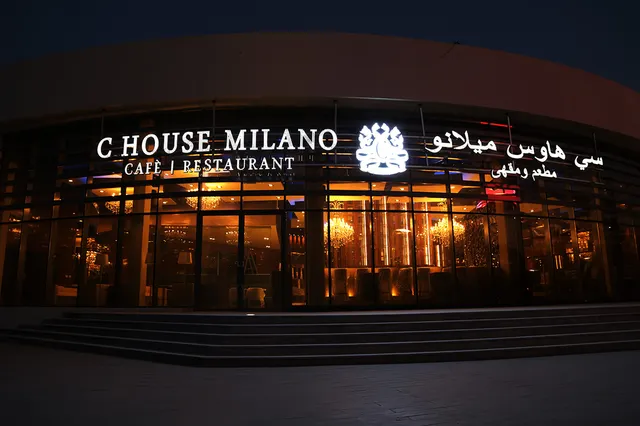
C House Milano Cafe & Restaurant Jebel Ali Village
H Rd - Jebel Ali Village - Dubai - United Arab Emirates
Nearby hotels
NOOK 2
NA, Wasl Gate Community - near Sheikh Zayed Road - Mena Jabal Ali - Dubai - United Arab Emirates
Related posts
Keywords
Hindu Temple Dubai tourism.Hindu Temple Dubai hotels.Hindu Temple Dubai bed and breakfast. flights to Hindu Temple Dubai.Hindu Temple Dubai attractions.Hindu Temple Dubai restaurants.Hindu Temple Dubai travel.Hindu Temple Dubai travel guide.Hindu Temple Dubai travel blog.Hindu Temple Dubai pictures.Hindu Temple Dubai photos.Hindu Temple Dubai travel tips.Hindu Temple Dubai maps.Hindu Temple Dubai things to do.
Hindu Temple Dubai things to do, attractions, restaurants, events info and trip planning
Hindu Temple Dubai
United Arab EmiratesDubaiHindu Temple Dubai

Basic Info

Hindu Temple Dubai

24G7+Q78 - Jebel Ali Village - Dubai - United Arab Emirates
4.8(2.6K)
Open 24 hours
Save
spot

Ratings & Description

Info

Cultural
Family friendly
Accessibility
attractions: , restaurants: Zaatar W Zeit, C House Milano Cafe & Restaurant Jebel Ali Village
logoLearn more insights from Wanderboat AI.
Phone
+971 56 501 8951
Website
hindutempledubai.com

Plan your stay

hotel
Pet-friendly Hotels in Dubai
Find a cozy hotel nearby and make it a full experience.

hotel
Affordable Hotels in Dubai
Find a cozy hotel nearby and make it a full experience.

hotel
The Coolest Hotels You Haven't Heard Of (Yet)
Find a cozy hotel nearby and make it a full experience.

hotel
Trending Stays Worth the Hype in Dubai
Find a cozy hotel nearby and make it a full experience.

Reviews

Things to do nearby

Experience Luxury desert safari in Dubai
Wed, Dec 10 • 1:15 PM
Dubai, United Arab Emirates
View details
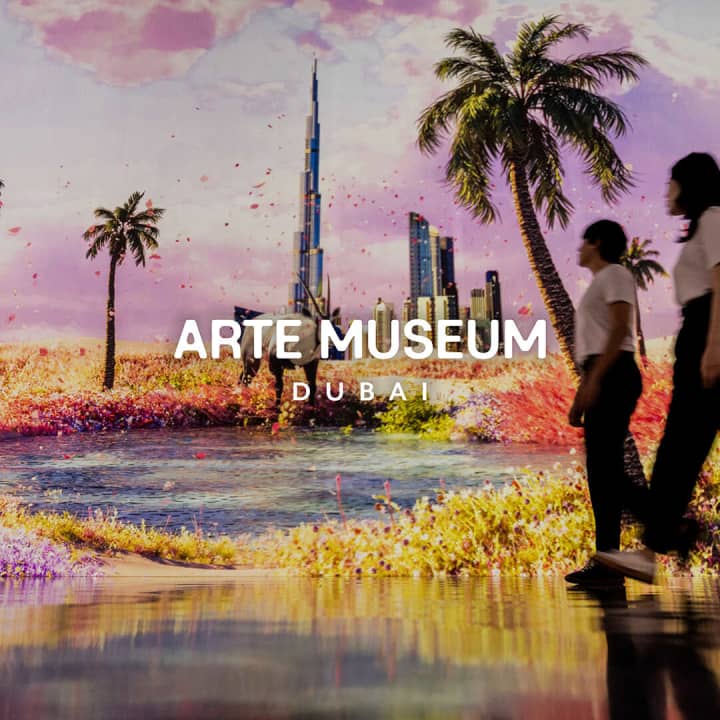
Arte Museum Dubai: An Immersive Media Art Exhibition
Wed, Dec 10 • 10:00 AM
Dubai Mall - opposite Galeries Lafayette - Level 2 Financial Center street - Dubai, UAE
View details

Nearby restaurants of Hindu Temple Dubai

Zaatar W Zeit

C House Milano Cafe & Restaurant Jebel Ali Village

Zaatar W Zeit

Zaatar W Zeit

4.8

(497)

Click for details
C House Milano Cafe & Restaurant Jebel Ali Village

C House Milano Cafe & Restaurant Jebel Ali Village

4.2

(931)

$$

Click for details
Get the Appoverlay
Get the AppOne tap to find yournext favorite spots!
Wanderboat LogoWanderboat

Your everyday Al companion for getaway ideas

CompanyAbout Us
InformationAI Trip PlannerSitemap
SocialXInstagramTiktokLinkedin
LegalTerms of ServicePrivacy Policy

Get the app

© 2025 Wanderboat. All rights reserved.
logo

Reviews of Hindu Temple Dubai

4.8
(2,617)
avatar
5.0
1y

Hindu temples are sacred spaces for worship in Hinduism, serving as places where devotees gather for rituals, ceremonies, and religious activities. Here’s a more detailed overview:

Structure and Architecture

Sanctum Sanctorum (Garbhagriha): The innermost chamber where the main deity’s idol or image resides. This is the most sacred part of the temple.

Shikhara/Vimana: The towering spire or dome above the sanctum sanctorum, symbolizing the mythical Mount Meru, which is considered the center of the universe in Hindu cosmology.

Mandapa: A pillared hall or pavilion, often located before the sanctum sanctorum, used for congregational worship and rituals.

Prajnapith (Altar): A platform or raised area where offerings and rituals are performed.

Courtyard: An open area surrounding the temple, used for various activities and processions.

Gopuram: Ornate monumental towers at the entrance of the temple complex, especially in South Indian temples.

Key Elements

Deity (Murti): The central focus of worship, often depicted through statues or images representing various gods and goddesses, such as Vishnu, Shiva, Durga, and Lakshmi.

Pujas and Aartis: Rituals and ceremonies performed to honor and worship the deities. Pujas involve offerings of flowers, food, and prayers, while aartis are devotional songs and light offerings performed in front of the deity.

Priests (Pujaris): Individuals who perform rituals and ceremonies. They are often trained in the specific practices and traditions of the temple.

Festivals: Hindu temples celebrate various festivals like Diwali, Holi, Navaratri, and Ganesh Chaturthi, each with specific rituals and traditions.

Regional Variations

North Indian Temples: Generally have a shikhara (spire) and follow a Nagara style of architecture. Examples include the Kashi Vishwanath Temple in Varanasi and the Lingaraja Temple in Bhubaneswar.

South Indian Temples: Known for their grand gopurams and Dravidian architectural style. Examples include the Meenakshi Temple in Madurai and the Brihadeeswarar Temple in Thanjavur.

Eastern Temples: Often feature distinct architectural styles and influences. For instance, the Jagannath Temple in Puri has unique elements related to Lord Jagannath.

Western Temples: Include influences from Jain and Buddhist architecture. The Jain temples in Gujarat and Rajasthan are notable for their intricate carvings.

Cultural Significance

Community Centers: Temples often act as community centers, hosting cultural events, educational activities, and social services. Pilgrimage Sites: Many temples are significant pilgrimage destinations, drawing visitors from across the world. Spiritual Learning: Temples are places for spiritual learning and practice, offering resources for meditation, scripture study, and philosophical discourse.

Hindu temples are not only places of worship but also hold historical, cultural, and social importance, reflecting the rich diversity and traditions...

   Read more
avatar
5.0
2y

Visiting the Hindu Temple in Dubai was an awe-inspiring experience that left me with a deep sense of peace and spiritual upliftment. Nestled amidst the bustling city, this sacred place exudes serenity and offers a sanctuary for devotees and visitors seeking solace.

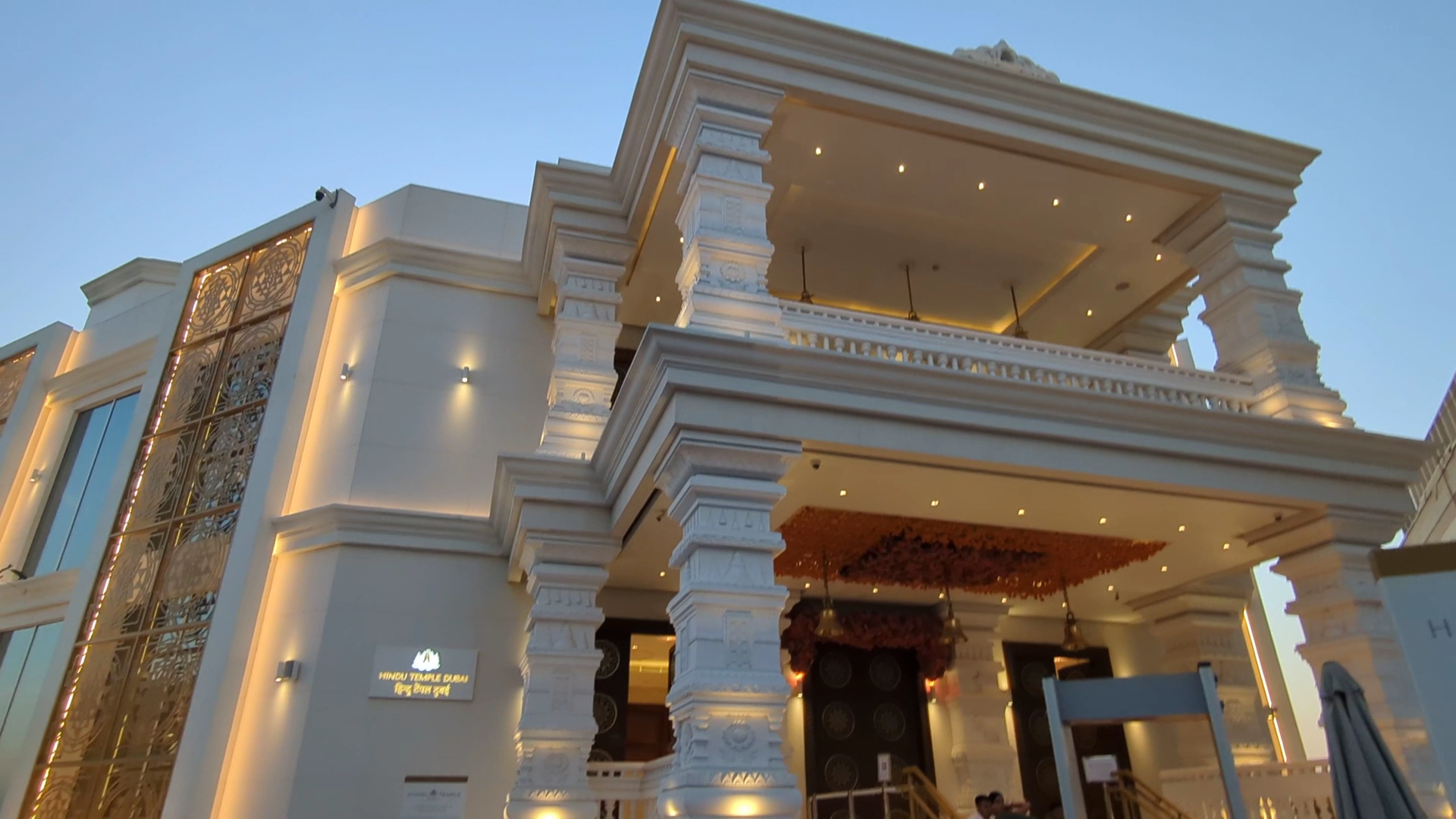
From the moment I stepped through the intricately carved entrance, I was greeted with a warm and welcoming atmosphere. The temple's architecture showcases the grandeur of Hindu craftsmanship, adorned with vibrant colors and ornate details that truly capture the essence of Hindu culture.

The temple staff were incredibly courteous and knowledgeable, providing insights into the various deities and rituals observed within the temple. Their genuine passion for Hindu traditions and willingness to answer questions made the experience all the more enriching.

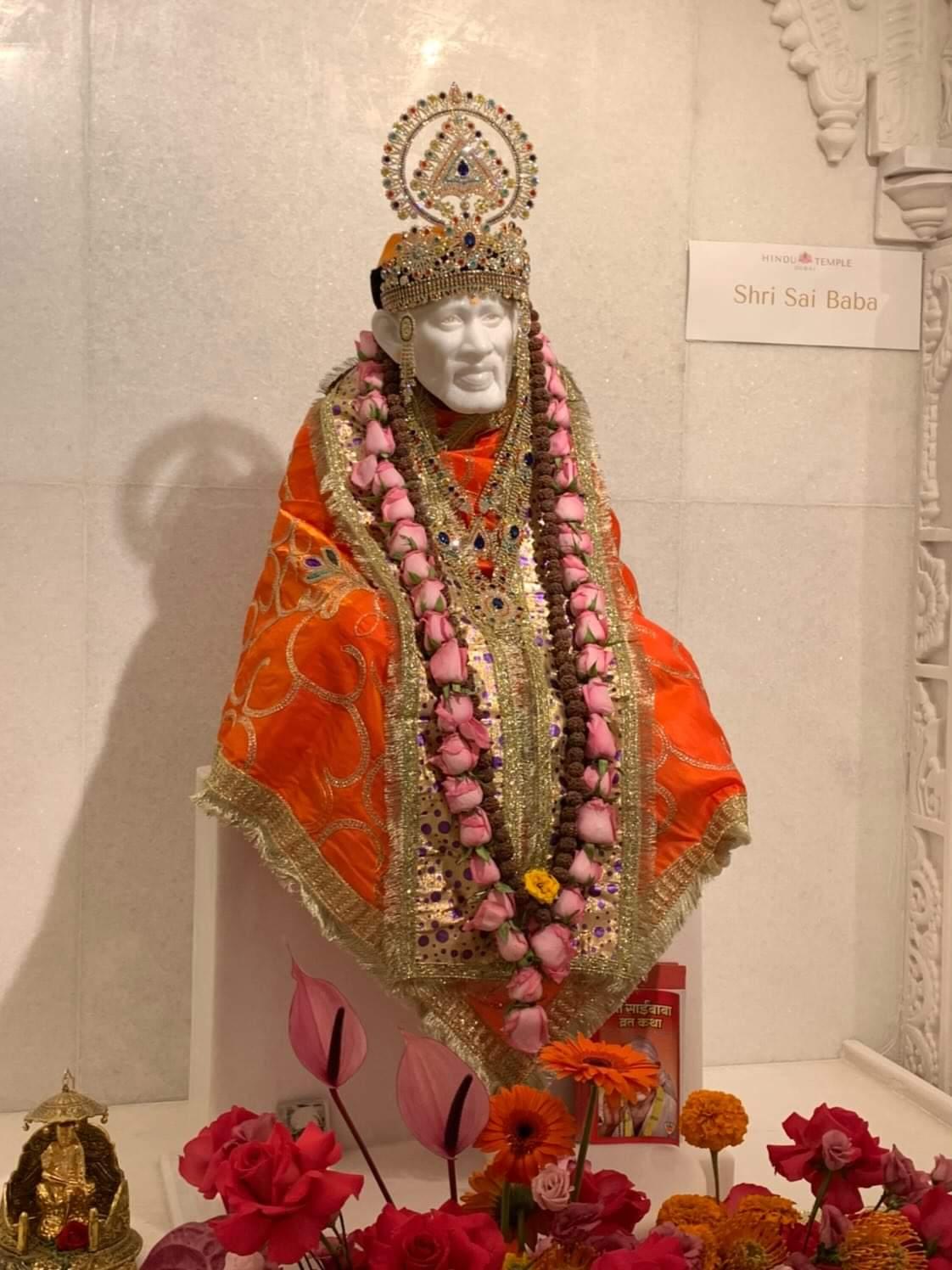
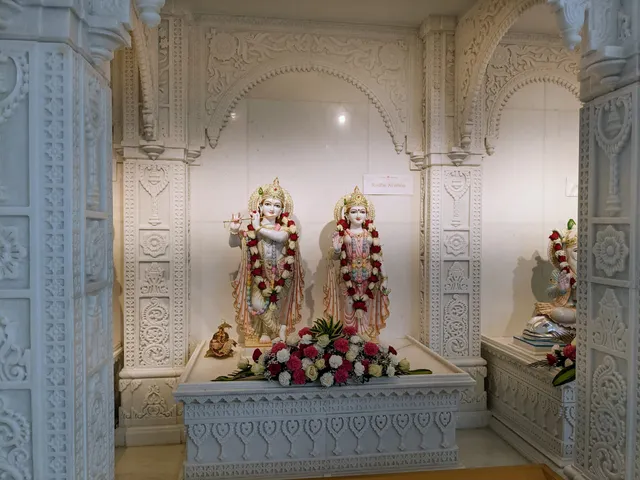
Inside, I was greeted by the divine aroma of incense and the soft chants of hymns, creating a serene ambiance that encouraged contemplation and introspection. The main sanctum, dedicated to the presiding deity, was resplendent with beautifully adorned idols, each representing a different aspect of the divine.

One aspect that impressed me greatly was the temple's commitment to inclusivity and promoting interfaith harmony. It warmly welcomes visitors of all backgrounds, offering a unique opportunity to learn about Hinduism's rich cultural heritage and its timeless teachings of love, compassion, and spirituality.

The temple premises also houses facilities for meditation and yoga, allowing individuals to delve deeper into their spiritual practice and find solace in the midst of Dubai's fast-paced lifestyle. The beautifully manicured gardens surrounding the temple offer a peaceful retreat, inviting visitors to connect with nature and enjoy moments of tranquility.

The Hindu Temple in Dubai stands as a testament to the city's multicultural fabric, embracing diversity and fostering a sense of unity among its residents and visitors. It serves as a spiritual oasis, providing a space for reflection, prayer, and cultural immersion.

Whether you are a devotee seeking divine blessings or a curious traveler looking to explore new horizons, the Hindu Temple Dubai is a must-visit destination. Its serene ambiance, architectural beauty, and commitment to spirituality make it an extraordinary place that resonates with people from all walks of life.

My visit to the Hindu Temple Dubai was truly a memorable experience, leaving me with a profound appreciation for Hindu traditions and a renewed sense of inner peace. I highly recommend this remarkable place to anyone seeking spiritual solace and cultural...

   Read more
avatar
5.0
24w

The Hindu Temple in Jebel Ali, Dubai, is a remarkable testament to the city’s commitment to cultural diversity and religious tolerance. Opened in 2022, this temple is part of the larger Worship Village, a unique area that also houses churches and a Sikh gurdwara, symbolizing the UAE’s inclusive approach to faith and community. For many residents and visitors, the temple is not just a place of worship—it’s a spiritual and cultural anchor.

Architecturally, the temple is a blend of traditional Indian design and modern aesthetics. The façade features intricate carvings and motifs that reflect the rich heritage of Hindu temple architecture, while the interiors are serene and thoughtfully designed to accommodate multiple deities. Inside, devotees can offer prayers to gods such as Lord Shiva, Lord Krishna, Durga, Hanuman, and others. The temple is designed to be inclusive, welcoming people of all faiths and backgrounds, and it often becomes a space for interfaith dialogue and cultural exchange.

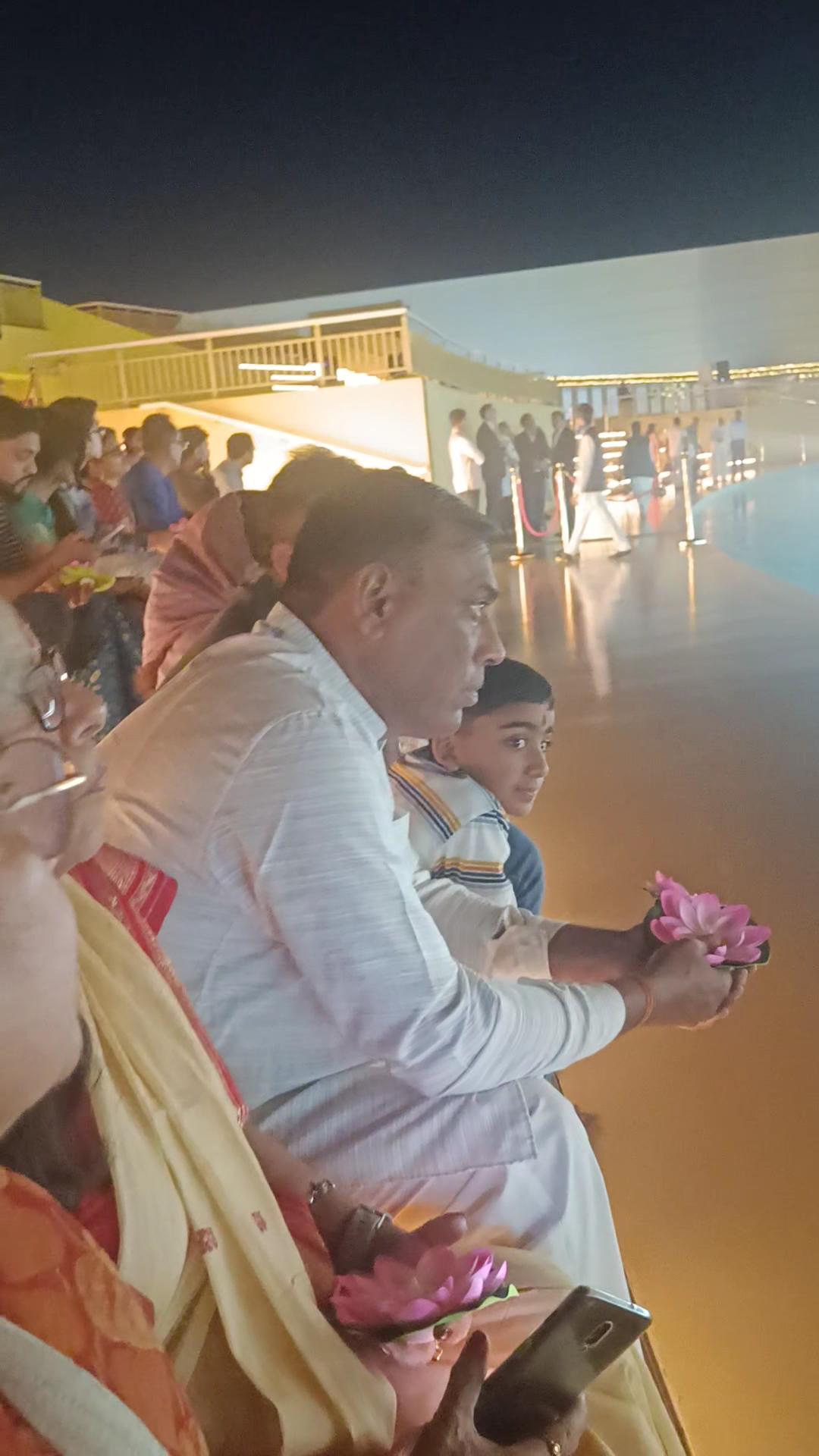
One of the most striking aspects of the temple is its atmosphere. Despite being located in a bustling city, the temple exudes a sense of peace and calm. The sound of devotional music, the scent of incense, and the sight of beautifully adorned idols create a deeply spiritual environment. Regular aartis, bhajans, and special celebrations during festivals like Diwali, Navratri, and Janmashtami draw large crowds, turning the temple into a vibrant hub of activity and devotion.

The temple also plays a significant role in community building. It offers educational programs, cultural events, and volunteer opportunities that bring people together. Whether it’s organizing food drives, hosting yoga sessions, or celebrating Indian festivals, the temple fosters a sense of belonging and shared purpose among its visitors.

Accessibility is another key feature. The temple is well-connected by public transport and offers ample parking, making it easy for people from across the city to visit. The staff and volunteers are known for their warmth and hospitality, always ready to guide newcomers and ensure a smooth experience.

In a city known for its skyscrapers and luxury, the Hindu Temple in Jebel Ali stands out as a place of reflection, tradition, and unity. It’s a reminder that amidst all the modernity, there’s space for spirituality and cultural roots. Whether you’re a devout Hindu, a curious traveler, or someone seeking a moment of peace, this temple offers a meaningful and...

   Read more
Page 1 of 7
Previous
Next

Posts

Omkar VasuOmkar Vasu
Hindu temples are sacred spaces for worship in Hinduism, serving as places where devotees gather for rituals, ceremonies, and religious activities. Here’s a more detailed overview: ### **Structure and Architecture** 1. **Sanctum Sanctorum (Garbhagriha)**: - The innermost chamber where the main deity’s idol or image resides. This is the most sacred part of the temple. 2. **Shikhara/Vimana**: - The towering spire or dome above the sanctum sanctorum, symbolizing the mythical Mount Meru, which is considered the center of the universe in Hindu cosmology. 3. **Mandapa**: - A pillared hall or pavilion, often located before the sanctum sanctorum, used for congregational worship and rituals. 4. **Prajnapith (Altar)**: - A platform or raised area where offerings and rituals are performed. 5. **Courtyard**: - An open area surrounding the temple, used for various activities and processions. 6. **Gopuram**: - Ornate monumental towers at the entrance of the temple complex, especially in South Indian temples. ### **Key Elements** 1. **Deity (Murti)**: - The central focus of worship, often depicted through statues or images representing various gods and goddesses, such as Vishnu, Shiva, Durga, and Lakshmi. 2. **Pujas and Aartis**: - Rituals and ceremonies performed to honor and worship the deities. Pujas involve offerings of flowers, food, and prayers, while aartis are devotional songs and light offerings performed in front of the deity. 3. **Priests (Pujaris)**: - Individuals who perform rituals and ceremonies. They are often trained in the specific practices and traditions of the temple. 4. **Festivals**: - Hindu temples celebrate various festivals like Diwali, Holi, Navaratri, and Ganesh Chaturthi, each with specific rituals and traditions. ### **Regional Variations** 1. **North Indian Temples**: - Generally have a shikhara (spire) and follow a Nagara style of architecture. Examples include the Kashi Vishwanath Temple in Varanasi and the Lingaraja Temple in Bhubaneswar. 2. **South Indian Temples**: - Known for their grand gopurams and Dravidian architectural style. Examples include the Meenakshi Temple in Madurai and the Brihadeeswarar Temple in Thanjavur. 3. **Eastern Temples**: - Often feature distinct architectural styles and influences. For instance, the Jagannath Temple in Puri has unique elements related to Lord Jagannath. 4. **Western Temples**: - Include influences from Jain and Buddhist architecture. The Jain temples in Gujarat and Rajasthan are notable for their intricate carvings. ### **Cultural Significance** - **Community Centers**: Temples often act as community centers, hosting cultural events, educational activities, and social services. - **Pilgrimage Sites**: Many temples are significant pilgrimage destinations, drawing visitors from across the world. - **Spiritual Learning**: Temples are places for spiritual learning and practice, offering resources for meditation, scripture study, and philosophical discourse. Hindu temples are not only places of worship but also hold historical, cultural, and social importance, reflecting the rich diversity and traditions of Hinduism.
Dip kumar GhoshDip kumar Ghosh
The Hindu Temple in Jebel Ali, Dubai, is a remarkable testament to the city’s commitment to cultural diversity and religious tolerance. Opened in 2022, this temple is part of the larger Worship Village, a unique area that also houses churches and a Sikh gurdwara, symbolizing the UAE’s inclusive approach to faith and community. For many residents and visitors, the temple is not just a place of worship—it’s a spiritual and cultural anchor. Architecturally, the temple is a blend of traditional Indian design and modern aesthetics. The façade features intricate carvings and motifs that reflect the rich heritage of Hindu temple architecture, while the interiors are serene and thoughtfully designed to accommodate multiple deities. Inside, devotees can offer prayers to gods such as Lord Shiva, Lord Krishna, Durga, Hanuman, and others. The temple is designed to be inclusive, welcoming people of all faiths and backgrounds, and it often becomes a space for interfaith dialogue and cultural exchange. One of the most striking aspects of the temple is its atmosphere. Despite being located in a bustling city, the temple exudes a sense of peace and calm. The sound of devotional music, the scent of incense, and the sight of beautifully adorned idols create a deeply spiritual environment. Regular aartis, bhajans, and special celebrations during festivals like Diwali, Navratri, and Janmashtami draw large crowds, turning the temple into a vibrant hub of activity and devotion. The temple also plays a significant role in community building. It offers educational programs, cultural events, and volunteer opportunities that bring people together. Whether it’s organizing food drives, hosting yoga sessions, or celebrating Indian festivals, the temple fosters a sense of belonging and shared purpose among its visitors. Accessibility is another key feature. The temple is well-connected by public transport and offers ample parking, making it easy for people from across the city to visit. The staff and volunteers are known for their warmth and hospitality, always ready to guide newcomers and ensure a smooth experience. In a city known for its skyscrapers and luxury, the Hindu Temple in Jebel Ali stands out as a place of reflection, tradition, and unity. It’s a reminder that amidst all the modernity, there’s space for spirituality and cultural roots. Whether you’re a devout Hindu, a curious traveler, or someone seeking a moment of peace, this temple offers a meaningful and enriching experience.
Shaurya BathamShaurya Batham
The Hindu Temple in Dubai, officially known as the Hindu Mandir Dubai, is a significant landmark that embodies the city's spirit of multiculturalism and religious tolerance. Located in the Jebel Ali area, it is an extension of the existing Sindhi Guru Darbar temple in Bur Dubai, catering to the spiritual needs of the Hindu community in the UAE. The temple was officially inaugurated in 2022 and stands as a beacon of harmony, welcoming people of all faiths and backgrounds. The architecture of the Hindu Temple Dubai combines traditional Indian design elements with modern aesthetics. It features a grand facade adorned with intricate carvings and sculptures depicting various deities from Hindu mythology. The temple complex is spacious and includes a prayer hall, community center, and areas designated for religious ceremonies, cultural events, and social gatherings. The main shrine is dedicated to various deities, including Lord Krishna, Lord Shiva, and Goddess Durga, allowing devotees to worship their chosen deities in one sacred space. One of the key aspects of the temple is its commitment to promoting interfaith dialogue and unity. It regularly hosts events that encourage conversations between different religious communities, fostering a sense of shared values and understanding. The temple also engages in various charitable activities, extending its support to the less fortunate and contributing to the welfare of society. The Hindu Temple Dubai is not just a place of worship but also a cultural hub that offers spiritual solace and a sense of community to Hindus living in the UAE. It reflects Dubai’s broader vision of inclusivity and respect for diverse cultural and religious traditions. With its serene environment and vibrant cultural activities, the temple serves as a reminder of the enduring values of peace, tolerance, and coexistence that are at the heart of Dubai’s ethos.
See more posts
See more posts
hotel
Find your stay

Pet-friendly Hotels in Dubai

Find a cozy hotel nearby and make it a full experience.

Hindu temples are sacred spaces for worship in Hinduism, serving as places where devotees gather for rituals, ceremonies, and religious activities. Here’s a more detailed overview: ### **Structure and Architecture** 1. **Sanctum Sanctorum (Garbhagriha)**: - The innermost chamber where the main deity’s idol or image resides. This is the most sacred part of the temple. 2. **Shikhara/Vimana**: - The towering spire or dome above the sanctum sanctorum, symbolizing the mythical Mount Meru, which is considered the center of the universe in Hindu cosmology. 3. **Mandapa**: - A pillared hall or pavilion, often located before the sanctum sanctorum, used for congregational worship and rituals. 4. **Prajnapith (Altar)**: - A platform or raised area where offerings and rituals are performed. 5. **Courtyard**: - An open area surrounding the temple, used for various activities and processions. 6. **Gopuram**: - Ornate monumental towers at the entrance of the temple complex, especially in South Indian temples. ### **Key Elements** 1. **Deity (Murti)**: - The central focus of worship, often depicted through statues or images representing various gods and goddesses, such as Vishnu, Shiva, Durga, and Lakshmi. 2. **Pujas and Aartis**: - Rituals and ceremonies performed to honor and worship the deities. Pujas involve offerings of flowers, food, and prayers, while aartis are devotional songs and light offerings performed in front of the deity. 3. **Priests (Pujaris)**: - Individuals who perform rituals and ceremonies. They are often trained in the specific practices and traditions of the temple. 4. **Festivals**: - Hindu temples celebrate various festivals like Diwali, Holi, Navaratri, and Ganesh Chaturthi, each with specific rituals and traditions. ### **Regional Variations** 1. **North Indian Temples**: - Generally have a shikhara (spire) and follow a Nagara style of architecture. Examples include the Kashi Vishwanath Temple in Varanasi and the Lingaraja Temple in Bhubaneswar. 2. **South Indian Temples**: - Known for their grand gopurams and Dravidian architectural style. Examples include the Meenakshi Temple in Madurai and the Brihadeeswarar Temple in Thanjavur. 3. **Eastern Temples**: - Often feature distinct architectural styles and influences. For instance, the Jagannath Temple in Puri has unique elements related to Lord Jagannath. 4. **Western Temples**: - Include influences from Jain and Buddhist architecture. The Jain temples in Gujarat and Rajasthan are notable for their intricate carvings. ### **Cultural Significance** - **Community Centers**: Temples often act as community centers, hosting cultural events, educational activities, and social services. - **Pilgrimage Sites**: Many temples are significant pilgrimage destinations, drawing visitors from across the world. - **Spiritual Learning**: Temples are places for spiritual learning and practice, offering resources for meditation, scripture study, and philosophical discourse. Hindu temples are not only places of worship but also hold historical, cultural, and social importance, reflecting the rich diversity and traditions of Hinduism.
Omkar Vasu

Omkar Vasu

hotel
Find your stay

Affordable Hotels in Dubai

Find a cozy hotel nearby and make it a full experience.

Get the Appoverlay
Get the AppOne tap to find yournext favorite spots!
The Hindu Temple in Jebel Ali, Dubai, is a remarkable testament to the city’s commitment to cultural diversity and religious tolerance. Opened in 2022, this temple is part of the larger Worship Village, a unique area that also houses churches and a Sikh gurdwara, symbolizing the UAE’s inclusive approach to faith and community. For many residents and visitors, the temple is not just a place of worship—it’s a spiritual and cultural anchor. Architecturally, the temple is a blend of traditional Indian design and modern aesthetics. The façade features intricate carvings and motifs that reflect the rich heritage of Hindu temple architecture, while the interiors are serene and thoughtfully designed to accommodate multiple deities. Inside, devotees can offer prayers to gods such as Lord Shiva, Lord Krishna, Durga, Hanuman, and others. The temple is designed to be inclusive, welcoming people of all faiths and backgrounds, and it often becomes a space for interfaith dialogue and cultural exchange. One of the most striking aspects of the temple is its atmosphere. Despite being located in a bustling city, the temple exudes a sense of peace and calm. The sound of devotional music, the scent of incense, and the sight of beautifully adorned idols create a deeply spiritual environment. Regular aartis, bhajans, and special celebrations during festivals like Diwali, Navratri, and Janmashtami draw large crowds, turning the temple into a vibrant hub of activity and devotion. The temple also plays a significant role in community building. It offers educational programs, cultural events, and volunteer opportunities that bring people together. Whether it’s organizing food drives, hosting yoga sessions, or celebrating Indian festivals, the temple fosters a sense of belonging and shared purpose among its visitors. Accessibility is another key feature. The temple is well-connected by public transport and offers ample parking, making it easy for people from across the city to visit. The staff and volunteers are known for their warmth and hospitality, always ready to guide newcomers and ensure a smooth experience. In a city known for its skyscrapers and luxury, the Hindu Temple in Jebel Ali stands out as a place of reflection, tradition, and unity. It’s a reminder that amidst all the modernity, there’s space for spirituality and cultural roots. Whether you’re a devout Hindu, a curious traveler, or someone seeking a moment of peace, this temple offers a meaningful and enriching experience.
Dip kumar Ghosh

Dip kumar Ghosh

hotel
Find your stay

The Coolest Hotels You Haven't Heard Of (Yet)

Find a cozy hotel nearby and make it a full experience.

hotel
Find your stay

Trending Stays Worth the Hype in Dubai

Find a cozy hotel nearby and make it a full experience.

The Hindu Temple in Dubai, officially known as the Hindu Mandir Dubai, is a significant landmark that embodies the city's spirit of multiculturalism and religious tolerance. Located in the Jebel Ali area, it is an extension of the existing Sindhi Guru Darbar temple in Bur Dubai, catering to the spiritual needs of the Hindu community in the UAE. The temple was officially inaugurated in 2022 and stands as a beacon of harmony, welcoming people of all faiths and backgrounds. The architecture of the Hindu Temple Dubai combines traditional Indian design elements with modern aesthetics. It features a grand facade adorned with intricate carvings and sculptures depicting various deities from Hindu mythology. The temple complex is spacious and includes a prayer hall, community center, and areas designated for religious ceremonies, cultural events, and social gatherings. The main shrine is dedicated to various deities, including Lord Krishna, Lord Shiva, and Goddess Durga, allowing devotees to worship their chosen deities in one sacred space. One of the key aspects of the temple is its commitment to promoting interfaith dialogue and unity. It regularly hosts events that encourage conversations between different religious communities, fostering a sense of shared values and understanding. The temple also engages in various charitable activities, extending its support to the less fortunate and contributing to the welfare of society. The Hindu Temple Dubai is not just a place of worship but also a cultural hub that offers spiritual solace and a sense of community to Hindus living in the UAE. It reflects Dubai’s broader vision of inclusivity and respect for diverse cultural and religious traditions. With its serene environment and vibrant cultural activities, the temple serves as a reminder of the enduring values of peace, tolerance, and coexistence that are at the heart of Dubai’s ethos.
Shaurya Batham

Shaurya Batham

See more posts
See more posts