Aston Hall things to do, attractions, restaurants, events info and trip planning
Basic Info
Aston Hall
Trinity Rd, Birmingham B6 6JD, United Kingdom
4.6(655)
Open until 12:00 AM

tickets
Save
spot
spot
Ratings & Description
Info
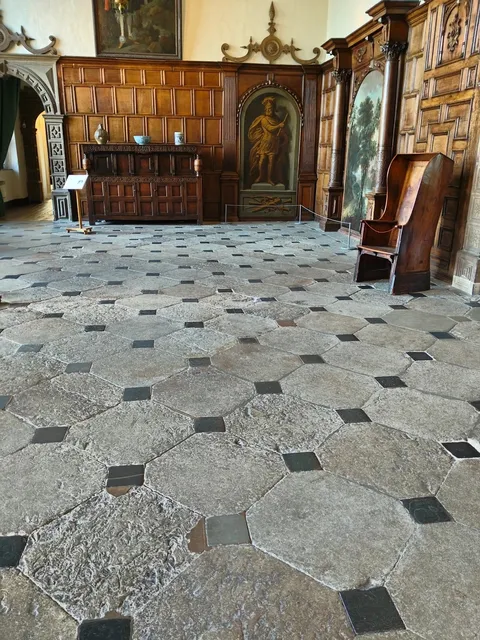
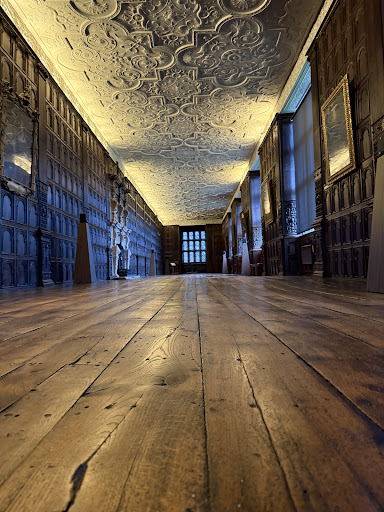
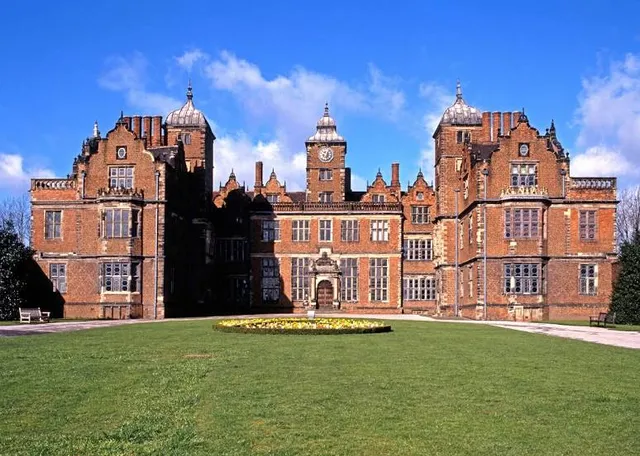
Aston Hall is a Grade I listed Jacobean house in Aston, Birmingham, England, designed by John Thorpe and built between 1618 and 1635. It is a leading example of the Jacobean prodigy house.
Cultural
Scenic
Family friendly
Accessibility
attractions: Villa Park, Aston Parish Church, Aston Villa FC - Academy & Matchday Fun Zone, restaurants: Burgershack Aston, Bubble n Dough, Aston Villa FC - The Cornerflag, Shake house Aston, Smoovi, The Sacred Heart Club, Classic Kebab House Aston, Classic Kebab House Aston, Pizza Shack, Witton Arms, local businesses: Plazzata, Little Oaks Builders, Witton Superstore, Motorpoint Birmingham, Haq Halal shop ltd, JD Furniture - Birmingham, The Note Sender, Magazin Romanesc David & Eli Minimarket, Usmani Book Centre, Delight Foods UK Ltd
 Learn more insights from Wanderboat AI.
Phone
+44 121 348 8100
Website
birminghammuseums.org.uk
Open hoursSee all hours
WedClosedOpen
Plan your stay

Pet-friendly Hotels in Birmingham
Find a cozy hotel nearby and make it a full experience.

Affordable Hotels in Birmingham
Find a cozy hotel nearby and make it a full experience.

The Coolest Hotels You Haven't Heard Of (Yet)
Find a cozy hotel nearby and make it a full experience.

Trending Stays Worth the Hype in Birmingham
Find a cozy hotel nearby and make it a full experience.
Reviews
Live events
Candlelight: Tribute to Linkin Park
Fri, Feb 27 • 6:30 PM
St Paul's Church, St Paul's Square, Birmingham B3 1QZ, United Kingdom, B3 1QZ
View details

The Jury Experience: Diamonds, Lies, and a Dead Man
Thu, Feb 26 • 6:00 PM
20 Sheepcote Street, Birmingham, B16 8AE
View details
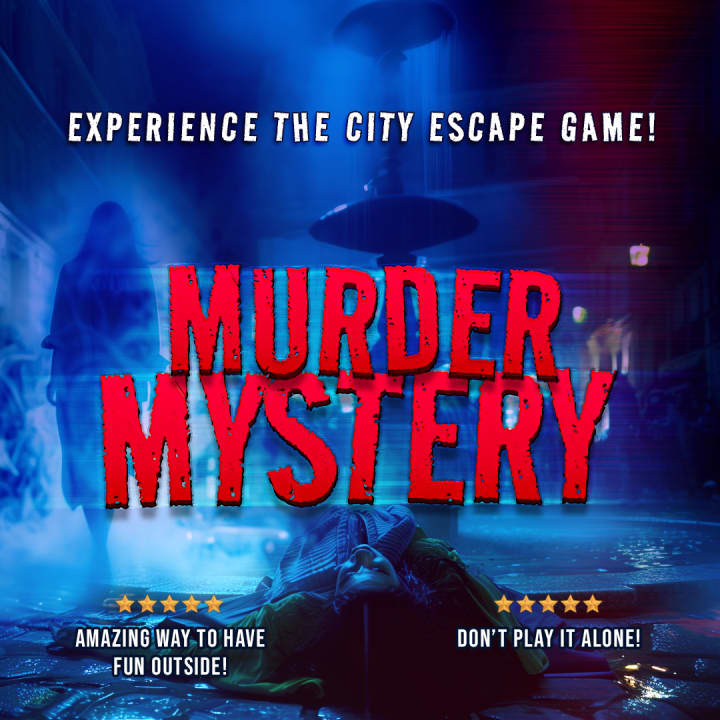
Coventry Murder Mystery: Death in the Shadows
Sun, Feb 1 • 12:00 AM
54 Broadgate, Coventry, CV1 1NF
View details
Nearby attractions of Aston Hall
Villa Park
Aston Parish Church
Aston Villa FC - Academy & Matchday Fun Zone
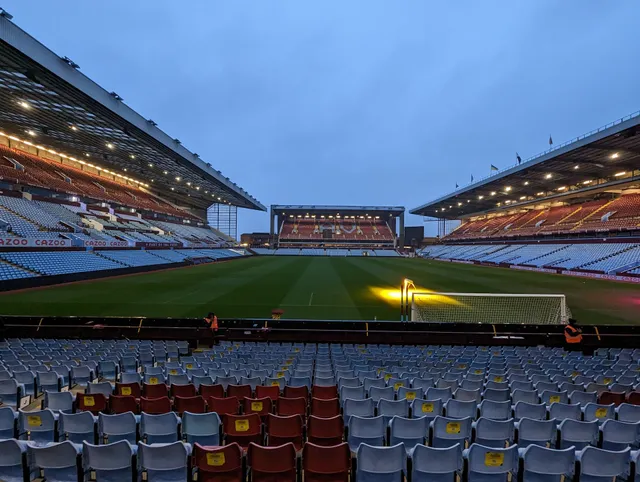
Villa Park
4.5
(4.1K)
Open 24 hours
Click for details
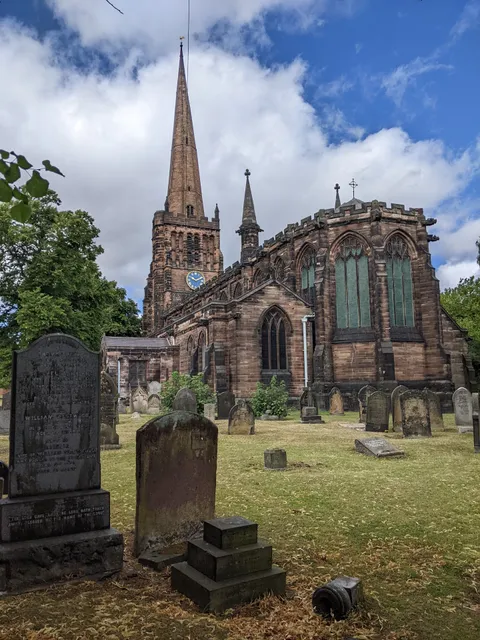
Aston Parish Church
4.5
(45)
Closed
Click for details

Aston Villa FC - Academy & Matchday Fun Zone
4.6
(102)
Open 24 hours
Click for details
Nearby restaurants of Aston Hall
Burgershack Aston
Bubble n Dough
Aston Villa FC - The Cornerflag
Shake house Aston
Smoovi
The Sacred Heart Club
Classic Kebab House Aston
Classic Kebab House Aston
Pizza Shack
Witton Arms

Burgershack Aston
4.4
(214)
Closed
Click for details

Bubble n Dough
4.9
(73)
Closed
Click for details
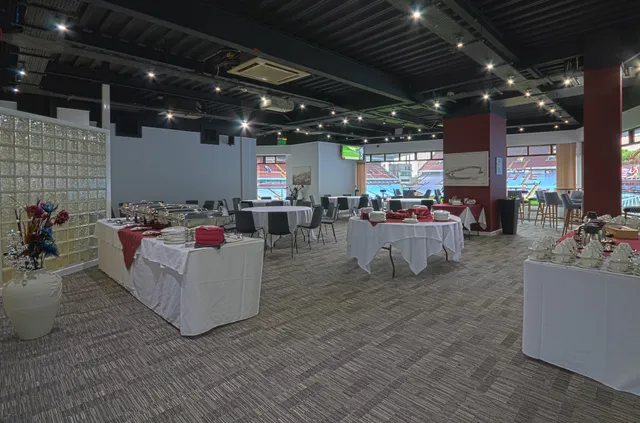
Aston Villa FC - The Cornerflag
4.2
(13)
Closed
Click for details

Shake house Aston
3.6
(90)
$$
Open until 3:00 AM
Click for details
Nearby local services of Aston Hall
Plazzata
Little Oaks Builders
Witton Superstore
Motorpoint Birmingham
Haq Halal shop ltd
JD Furniture - Birmingham
The Note Sender
Magazin Romanesc David & Eli Minimarket
Usmani Book Centre
Delight Foods UK Ltd

Plazzata
4.1
(61)
Click for details

Little Oaks Builders
4.6
(42)
Click for details
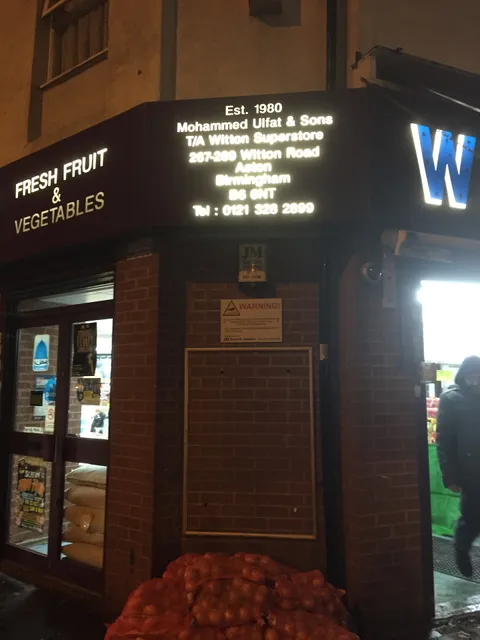
Witton Superstore
4.1
(85)
Click for details

Motorpoint Birmingham
4.4
(647)
Click for details