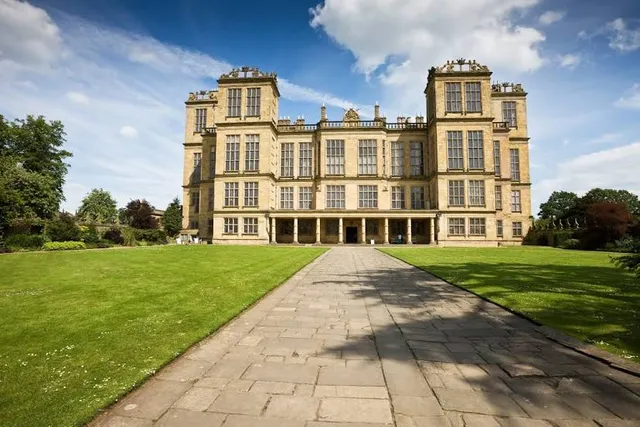
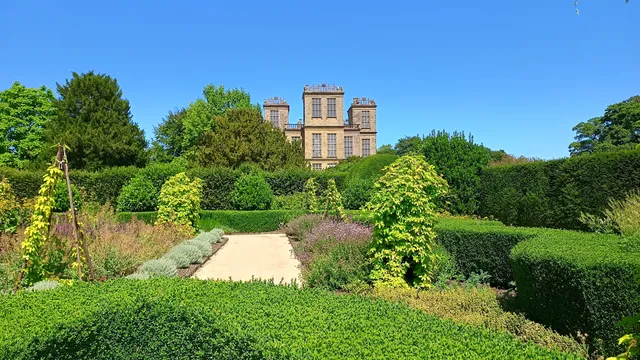
Hardwick Hall, located in Derbyshire, England, is a stunning example of Elizabethan architecture and a remarkable testament to the ambitions of Bess of Hardwick, one of the wealthiest and most influential women of the 16th century. Built between 1587 and 1596, this grand estate epitomizes the wealth and power of its owner, with its signature "more glass than wall" design reflecting both architectural innovation and opulence. The hall’s numerous large windows were a symbol of wealth at a time when glass was a luxury.
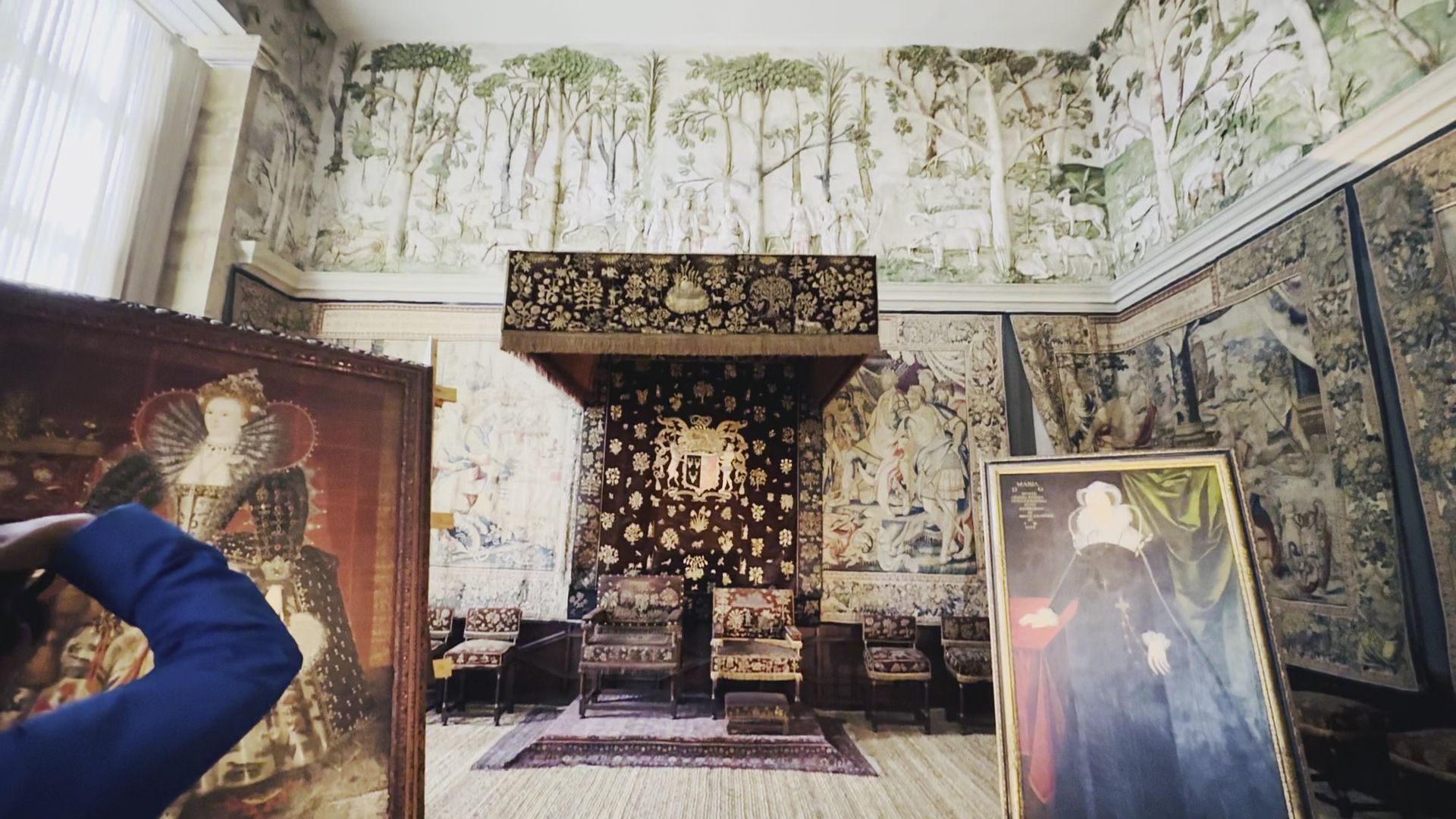
The interiors are equally magnificent, with intricate plasterwork ceilings, lavish tapestries, and impressive fireplaces that give a sense of the grandeur in which Bess lived. The gardens surrounding Hardwick Hall, with manicured lawns and ornamental features, further add to the stately ambiance of the place, making it a peaceful and beautiful spot for visitors.
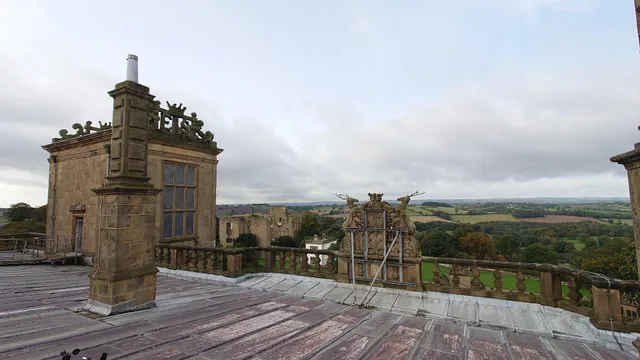
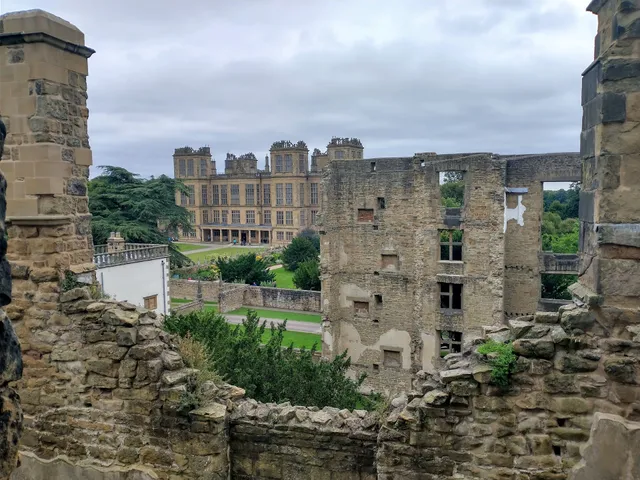
In addition to the main hall, Hardwick Old Hall, which now stands in partial ruin, offers a different kind of historical insight. It was the earlier residence of Bess of Hardwick and though it is less intact, it still carries a charm of its own. The views from the top of Hardwick Old Hall are particularly breathtaking. From this vantage point, you can see across the beautiful Derbyshire countryside, with its rolling hills and patchwork fields stretching out for miles. The perspective from here is truly a reward for those who climb to the top, as it allows you to appreciate both the natural beauty of the landscape and the imposing presence of the newer Hardwick Hall nearby.
The contrast between the old and new halls, combined with the sweeping views, makes Hardwick a fascinating historical site, offering not just a glimpse into the past but also a serene connection with the natural world. Whether you’re a history enthusiast or simply in search of a peaceful day out, Hardwick Hall and its surroundings provide a deeply...
Read moreMagnificent! Hardwick hall was built between 1590-1597. Designed by Robert Smythson & built in the Renaissance style under the orders & payment by Elizabeth of Shrewsbury, otherwise known as "Bess of Hardwick", Countess of Shrewsbury. After Queen Elizabeth 1st, Bess was the richest noble woman in England. The first thing one notices about Hardwick when first seen, is the amount of glass in the building, an unusual feature in the 16th century as large glass windows were an expensive luxury, but Bess being a woman of major wealth & importance, no expense was spared, a local saying became common, "Hardwick hall, more glass than wall". Next to the hall is Hardwick old hall, Bess's birthplace. The old hall,(a ruin), is owned by English Heritage, the main hall, by The National Trust. The hall contains fine furnishings & tapestries. The hall was still lived in by Bess's descendents until 1960. Bess was the ancestor of the Dukes of Devonshire, who inherited ownership of the house after Bess's death in 1608, the Dukes later made Chatsworth their main home & used Hardwick as more of a hunting lodge than a home, nevertheless, they kept ownership until 1956 when they handed ownership to the treasury & finally in 1959 to The National Trust, who have cared for it since. There are beautiful gardens one can walk around, plus a very good restaurant & shop. There is also a park with walking trails. Note:- The house is closed this time of year, but I believe will be open at Xmas as the house will be dressed for the festive period. The grounds, restaurant & shop are open. I thoroughly recommend a visit to Hardwick Hall when visiting this...
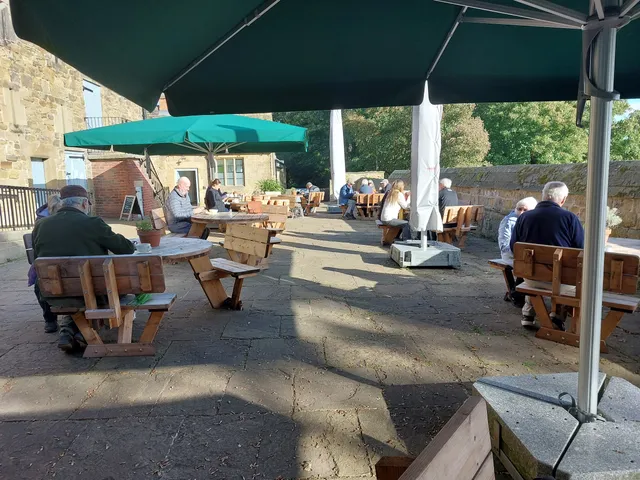
Read moreHardwick Hall, a truly amazing place bursting with the history of one of the strongest women history has even known - Bess of Hardwick may not have been a monarch but she certainly deserves a very significant place in Tudor history for her strengths and achievements in a time where women were of little or no importance. Hardwick Hall, its magnificence and sheer scale of wealth are a testament to this formidable lady's achievements. On the same grounds, are the ruins of the former Hall (called Old Hardwick Hall) that you can also visit. Despite being in ruins, this too is pretty impressive and not to be missed and the views from the top are quite stunning. We didn't get to cover much of the grounds as we ran out of time (the Hall is extensive so you will need lots of time to look around it properly!) but we will certainly explore further on return visits. However, what we did manage to see was certainly beautiful and impressive with plenty of flowers and well kept lawns. There is a very lovely gift shop with very friendly staff and a secondhand bookshop too. There is an onsite cafe but you can take a picnic if you so wish, there are plenty of picnic tables if needed. There is onsite parking which is free for National Trust members, I'm not sure if it's pay and display for non-members but check the National Trust website for further information. All in all, a truly wonderful day out for all ages and if you love Tudor history, this is one place not...
Read more