Castell Bronllys, also known as Bronllys Castle, is a historical site in Powys, Wales, that traces its origins back to the Norman period. Here’s a brief review of its historical significance and current state:
Historical Significance Castell Bronllys was likely built in the early 12th century, around 1144, as a motte-and-bailey castle. Its strategic location near the River Llynfi made it an important defensive structure during the Norman conquest of Wales. The castle was originally constructed of wood but was later rebuilt in stone, which was common practice as fortifications were solidified. The tall, cylindrical stone keep, which still stands today, is one of the key features of the site. The castle played a role in various conflicts between the Normans and the Welsh, as well as during internal power struggles among Welsh princes.
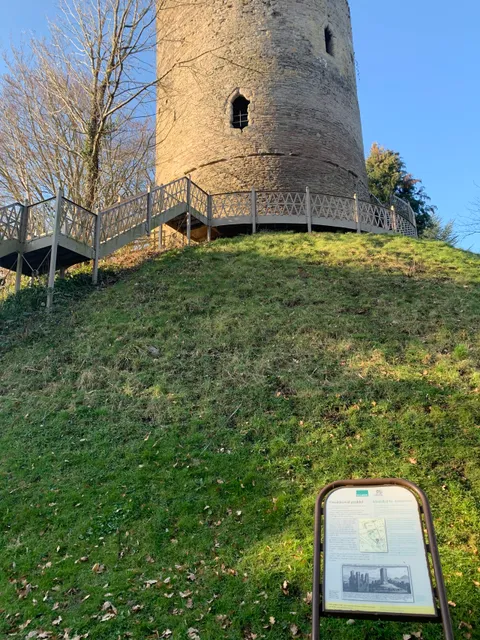
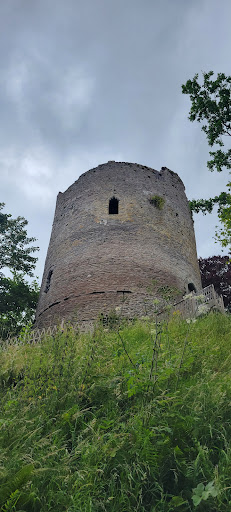
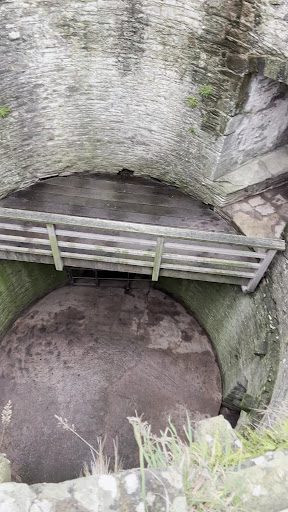
Architectural Features The castle is known for its well-preserved stone keep, which sits atop a large motte, a man-made earth mound that was typical of Norman castles. The keep is circular, a somewhat uncommon design compared to the more typical square keeps of the period. The surrounding bailey would have housed various buildings essential to the functioning of the castle, although little remains of these today.
Current State Today, Castell Bronllys is a ruin, though the keep remains relatively intact, offering a glimpse into the past. The site is managed by Cadw, the Welsh Government's historic environment service, which ensures that the remains are preserved and accessible to the public. Visitors can explore the motte, the keep, and the surrounding area, which offers scenic views of the surrounding countryside. The site’s relatively remote location and the peaceful, rural setting add to its charm, making it a worthwhile visit for those interested in medieval history and architecture.
Conclusion While Castell Bronllys is not as well-known as some other castles in Wales, it is a significant example of Norman military architecture and offers valuable insights into the history of the region. Its well-preserved keep and scenic location make it a noteworthy destination for history enthusiasts and...
Read moreTalgarth and Bronllys best kept secret! Open between 10 ish and 4ish depending on season and the gate keeper. Bronllys Castle isn't actually a castle. Originally built as a motte and bailey castle around the late 11th/early 12th century, All that remains is a single 3 storey tower in a small wooded, grassed glade with the odd stone wall and indent in the ground where the moat once was. Most of the land that belonged to the castle is now in private hands, but still enough here to enjoy the quiet atmosphere. You can climb up to the top via a wooden staircase, some of the steps are narrow in places, but once at the top, the views are fabulous! You can see why it was once of great strategic importance to both the Welsh and English (has been in the hands of both sides at different times). The views are panoramically breathtaking, as are the stairs! If you are lucky and you most likely will be, you will see the kites dancing on the thermals as Talgarth/Bronllys has quite a large population - definitely an extra perk :0) This site is unmanned and does have some information boards, it does NOT have toilets or facilities. There is no actual parking here though there is room for about 4 cars in the lay by opposite (unless the local constabulary are using it for their speed camera/ party bus, they're not keen on sharing the space!) It takes about 10-15 mins to walk around the site and climb to the top of the tower to enjoy the views. Most visitors I have spoken to have decided to drop in as they were passing by on the way to somewhere else. It is a beautiful quiet space for a picnic (no picnic benches, so bring a rug) or to just sit and take time out to watch the world go by, before rejoining the rest...
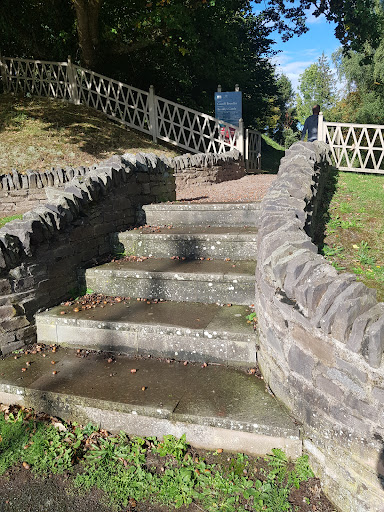
Read moreLove this castle. There aren’t many left like this in Wales where you can climb the tower to the top. You need to have a certain level of fitness to get to this structure. There is a large three flight metal staircase that needs to be climbed to get up the motte to enter the castle, then a couple more stone staircases to reach the top. There is parking available at a small lay-by opposite or down the hill a little. No comfort amenities nearby but this is a sight worth trekking for. You can’t go all the way round the tower as the back half is in someone’s back garden.
The history behind this castle is that it was possibly built on an earlier settlement. Richard Fitz Pons built the first motte and Bailey at the turn of the 12th century, and a few centuries later William de Clifford erected a stone castle on the same spot. It was added to over the centuries and adapted often up to the 14th century, even after it had been damaged by both fire and the attacks of Owain Glyndwr and his armies. Finally it was used as a prison before being counted as uninhabitable by Elizabeth I.
On an information board at the ruin, there is a copy of a print by Samuel and Nathaniel Buck from 1741 showing what the whole castle looked like in the 18th Century. Unfortunately no sight of that huge structure exists now, just the majestic tower...
Read more