Reculver Towers and Roman Fort is a remarkable historical site that offers a unique blend of natural beauty and ancient history, making it an ideal destination for family outings. Our recent visit to this site was thoroughly enjoyable, especially with children.
The access to Reculver is commendably user-friendly. The walking path leading to the site is well-maintained and clean, providing an easy stroll even for parents pushing strollers. This aspect is particularly important for families, as it ensures that everyone, regardless of age or mobility, can enjoy the visit without any hassle.
Parking is another aspect where Reculver shines. The paid parking area is conveniently located just a five-minute walk from the site, which means very little hassle for families with young children or lots of gear. The cost of parking is also quite reasonable, at £1.90 for an hour, which should be ample time for a quick visit or a picnic.
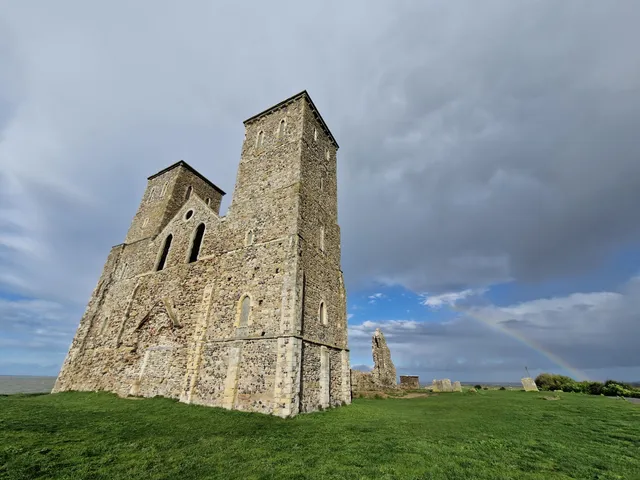
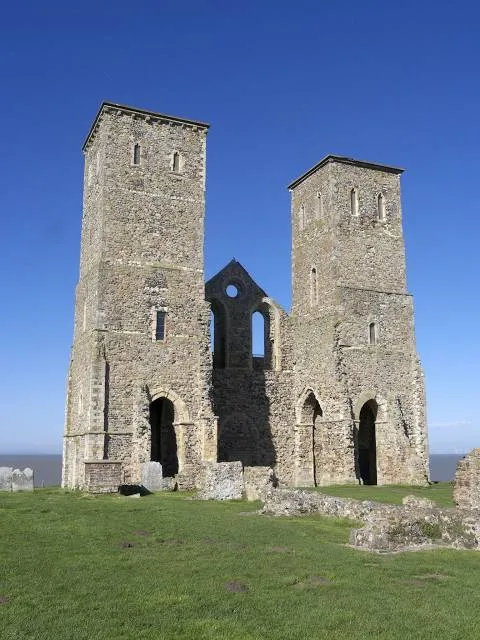
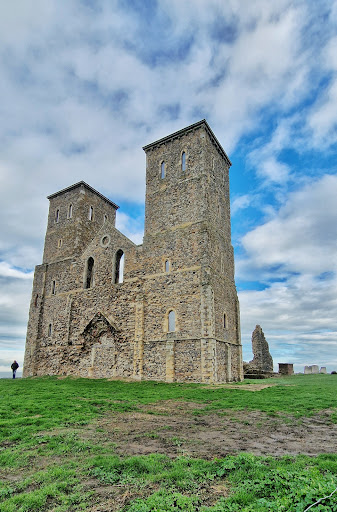
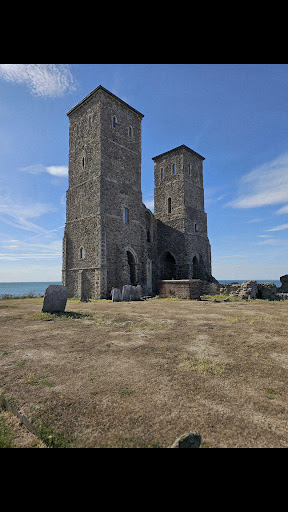
The towers themselves are a sight to behold, towering over the coast and offering stunning views and photo opportunities. The Roman Fort adds a touch of ancient history to the visit, making it educational as well as entertaining. The combination of scenic beauty and historical significance makes Reculver a must-visit for families looking to explore the rich heritage of the UK.
Overall, our visit to Reculver Towers and Roman Fort was a memorable experience. The site is not only accessible and family-friendly but also steeped in history and natural beauty. It is a perfect spot for a family day out, offering both educational content for the adults and plenty of space for kids to explore and play. Highly recommended for anyone looking to delve into the UK's Roman past while enjoying some of the most beautiful coastal views the country...
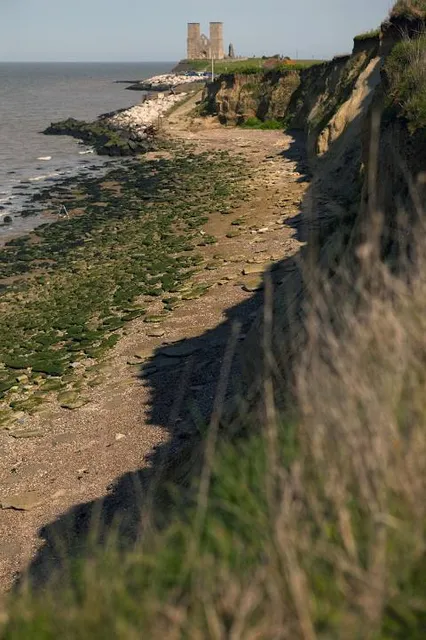
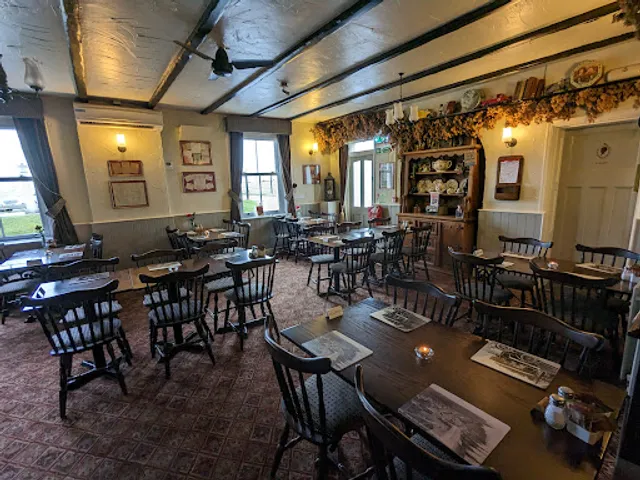
Read moreNot much to say as its more of a landmark than a place to visit i guess, much of it lost and eroded to the sea at the end of the roman era up untill the 1900's, if you want to know more visit Richborough fort (English heritage) thier guide book covers both forts in significant detail with diagrams of what it would have looked like in its heyday. Decent crabbing nearby quite rocky at low tide, there is a sometimes slippy ramp that can be fished N/NE out to sea that can produce decent fish at certain times of the year, visit at low tide to get an idear of the area clear of rocks if you unsure. Always a nice dog walk past the ruins some sandy sections to the east on occasion at mid tide area. West of the concrete section of sea defence can be good for bait digging at low tide. There are toilets nearby and a coffee shop close to the towers. The parking is free after a certain point in the afternoon, its next to a children's play park, swings etc, better than most. There is also a quality proper old english pub nearby, but ive not been inside for a while so wont comment. If you fancy a proper cycle, you can ether go from here to west to herne bay along the costal trail or east to minis bay. Can be a bit fierce when the wind picks up. Have noticed a rise in litter recently after the heatwave, bins are provided tho.
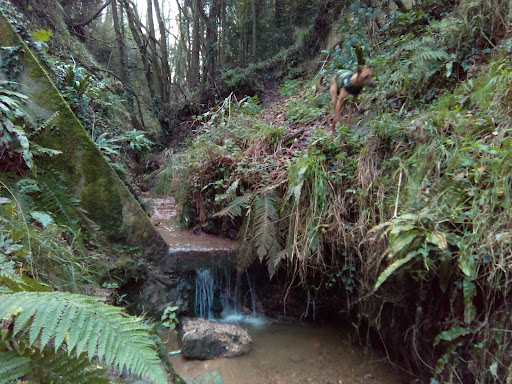
Forgot to mention on the way east there is a little stream that comes out to the sea if you follow the path it leads to Bishopstone's mythical secret spot (no spoilers) we literally followed the stream for the laughs to see where it goes, not a good idea, pictures included use the path instead 😉.
Nice spot to take a picture of your motorcycle with it in the background, you can't call yourself a kent biker if you...
Read moreThe imposing twin towers of the medieval church at Reculver dominate the skyline of Herne Bay, acting as a navigation marker for ships at sea. This was the site of one of the earliest Roman forts built against Saxon raids on the 'Saxon Shore'. It later became the site of an Anglo-Saxon monastery before becoming the parish church for Reculver. The tall towers were built in a remodelling of the church in the 12th century.
Much of the site has been lost to coastal erosion, but alongside the twin towers are the ruined remains of the early Roman fort.
The site was abandoned around AD 375 seemingly well in advance of Roman army withdrawal from Britain in the early fifth century. However in the seventh century it was granted by King Ecgberht of Kent to St Augustine's abbey in Canterbury. Re-using the stone of the Roman fort, a priest named Bassa built a monastic church here in AD 669 but was ultimately abandoned with the increasing regularity of Viking raids in the ninth century. Thereafter it was re-occupied in the twelfth century when a new church, with the distinctive towers seen today, was constructed. This remained in use until coastal erosion forced its abandonment in the early nineteenth century. The church was demolished but the towers were left intact as an aid for shipping.
The site saw a brief return to military use during World War II when it was used as a test site for Barnes Wallis's 'dam busting' bouncing bombs; the remote location, shallow water and clearly visible church towers made it an ideal for...
Read more