HTML SitemapExplore

Gwili Steam Railway — Attraction in Carmarthen

Name
Gwili Steam Railway
Description
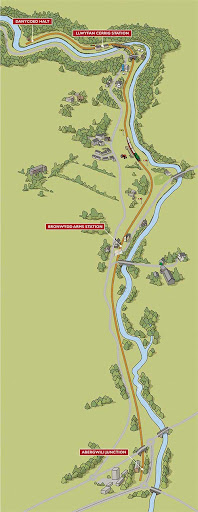
The Gwili Railway is a Welsh heritage railway, that operates a preserved standard gauge railway line from the site of Abergwili Junction in southwest Wales along a four-and-a-half-mile section of the former Carmarthen to Aberystwyth line. The original railway closed in 1965, with the track being lifted in 1975.
Nearby attractions
Nearby restaurants
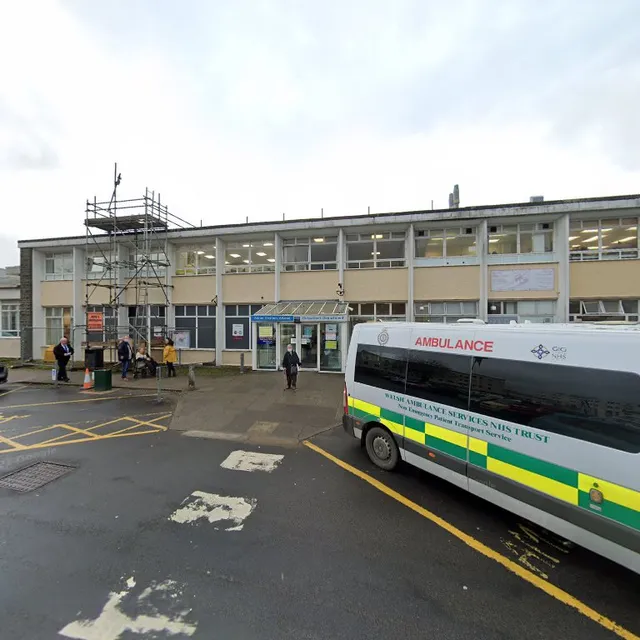
Costa Coffee
Glangwili Hospital, Dolgwili Rd, Carmarthen SA31 2AF, United Kingdom
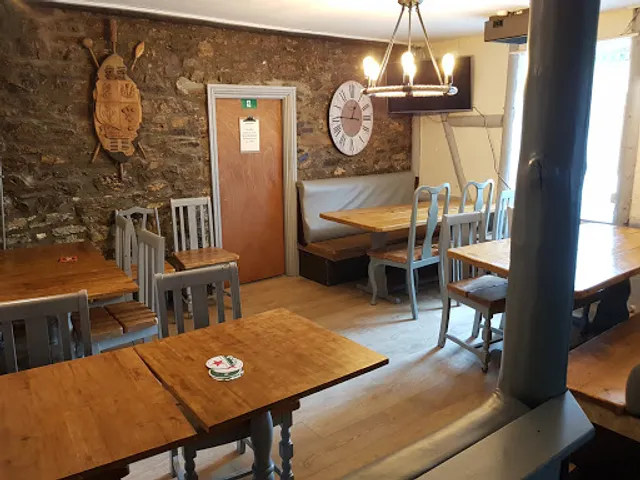
Tafarn Tanerdy
Penlanffos Rd, Tanerdy, Carmarthen SA31 2EY, United Kingdom
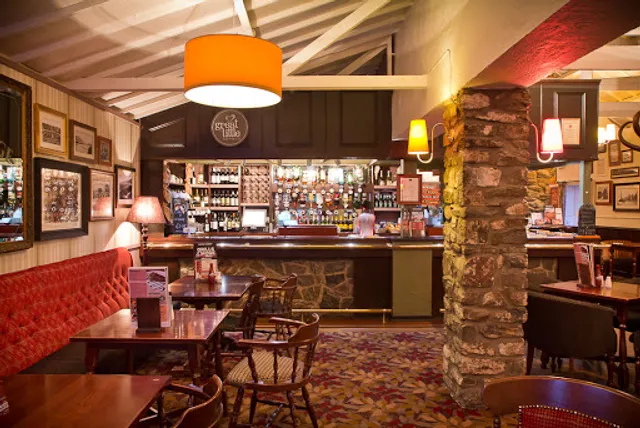
The Black Ox
44 High St, Abergwili, Carmarthen SA31 2JB, United Kingdom
Nearby local services
Nearby hotels
Related posts
Keywords
Gwili Steam Railway tourism.Gwili Steam Railway hotels.Gwili Steam Railway bed and breakfast. flights to Gwili Steam Railway.Gwili Steam Railway attractions.Gwili Steam Railway restaurants.Gwili Steam Railway local services.Gwili Steam Railway travel.Gwili Steam Railway travel guide.Gwili Steam Railway travel blog.Gwili Steam Railway pictures.Gwili Steam Railway photos.Gwili Steam Railway travel tips.Gwili Steam Railway maps.Gwili Steam Railway things to do.
Gwili Steam Railway things to do, attractions, restaurants, events info and trip planning
Gwili Steam Railway
United KingdomWalesCarmarthenGwili Steam Railway

Basic Info

Gwili Steam Railway

Railway Station, Abergwili Junction, Carmarthen SA31 2DG, United Kingdom
4.5(737)
Closed
ticket
Get
tickets
Save
spot

Ratings & Description

Info

The Gwili Railway is a Welsh heritage railway, that operates a preserved standard gauge railway line from the site of Abergwili Junction in southwest Wales along a four-and-a-half-mile section of the former Carmarthen to Aberystwyth line. The original railway closed in 1965, with the track being lifted in 1975.

Cultural
Entertainment
Scenic
Family friendly
Accessibility
attractions: , restaurants: Costa Coffee, Tafarn Tanerdy, The Black Ox, local businesses:
logoLearn more insights from Wanderboat AI.
Phone
+44 1267 238213
Website
gwili-railway.co.uk
Open hoursSee all hours
Wed5:30 PM - 1 AMClosed

Plan your stay

hotel
Pet-friendly Hotels in Carmarthen
Find a cozy hotel nearby and make it a full experience.
hotel
Affordable Hotels in Carmarthen
Find a cozy hotel nearby and make it a full experience.
hotel
The Coolest Hotels You Haven't Heard Of (Yet)
Find a cozy hotel nearby and make it a full experience.
hotel
Trending Stays Worth the Hype in Carmarthen
Find a cozy hotel nearby and make it a full experience.

Reviews

Live events

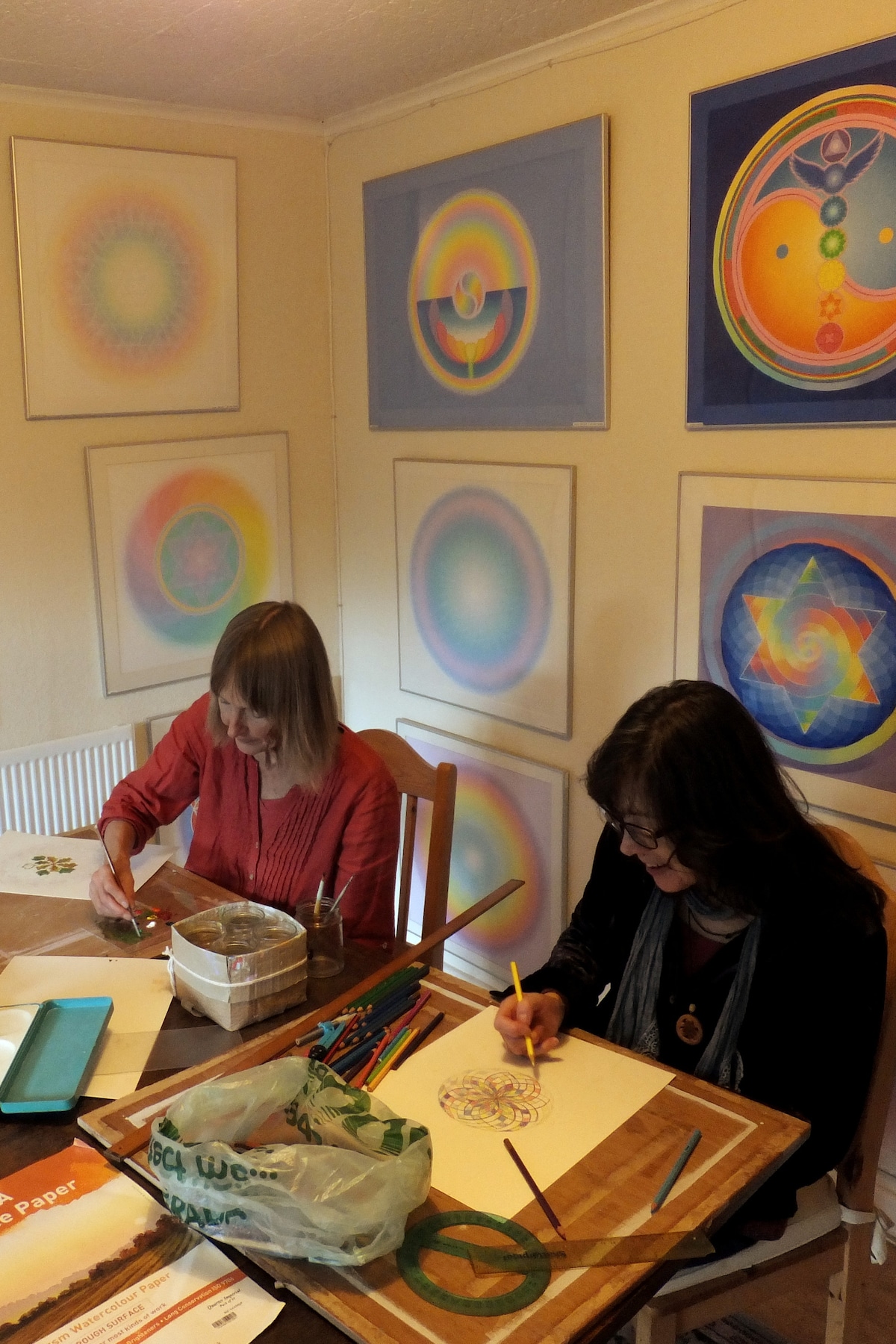
Draw and paint mandalas
Thu, Jan 15 • 11:00 AM
Pembrokeshire, SA37 0JW, United Kingdom
View details
psychic medium night with Nataly Churchill at The Bug, Gorseinon
Wed, Jan 14 • 7:00 PM
Llwchwr Workmens Club (The Bug), 7-9 High Street,Gorseinon, Swansea, United Kingdom
View details
Social Event
Social Event
Sat, Jan 17 • 5:00 PM
Gorseinon RFC, Gorseinon, Swansea, United Kingdom
View details

Nearby restaurants of Gwili Steam Railway

Costa Coffee

Tafarn Tanerdy

The Black Ox

Costa Coffee

Costa Coffee

2.2

(12)

Open until 6:30 PM
Click for details
Tafarn Tanerdy

Tafarn Tanerdy

4.3

(659)

Open until 11:00 PM
Click for details
The Black Ox

The Black Ox

4.4

(128)

Closed
Click for details
Get the Appoverlay
Get the AppOne tap to find yournext favorite spots!
Wanderboat LogoWanderboat

Your everyday Al companion for getaway ideas

CompanyAbout Us
InformationAI Trip PlannerSitemap
SocialXInstagramTiktokLinkedin
LegalTerms of ServicePrivacy Policy

Get the app

© 2025 Wanderboat. All rights reserved.

Reviews of Gwili Steam Railway

4.5
(737)
avatar
5.0
1y

The Gwili Railway (Rheilffordd Gwili) is a Welsh heritage railway, that operates a preserved standard gauge railway line from the site of Abergwili Junction in southwest Wales along a four-and-a-half-mile section of the former Carmarthen to Aberystwyth line. The original railway closed in 1965, with the track being lifted in 1975.

The broad-gauge railway was opened in 1860 from Carmarthen to Conwil (now Cynwyl) by the ill-fated Carmarthen and Cardigan Railway Company, which fell in and out of insolvency until it was eventually absorbed by the Great Western Railway. Despite hostility from GWR, the line never actually reached Cardigan - getting no further than Newcastle Emlyn.

The Manchester and Milford Railway made a junction with the CCR at Pencader, making a through route to Lampeter which, in turn, later extended to Aberystwyth. In 1872, the line became the last in Wales to be converted from Brunel's 7 ft 1⁄4 in gauge to 4 ft 8+1⁄2 in  standard gauge.

In its early days, the line thrived by serving the local farming and wool industries though, in the years following the First World War, this traffic gradually declined. The Second World War brought another lease of life as a relief route carrying heavy ammunition trains between south and north Wales.

Between the wars, the GWR sought to encourage traffic, opened several new halts along the route and provided camping coaches at several stations.

The route earned a reputation as a meandering rural branch; where trains trundled along, often flagged down by market-bound farmers' wives making their way across the fields to board the carriages. In fact, nearly three hours was permitted for the 56-mile journey between Carmarthen and Aberystwyth.

In the post-war years, closure of the spurs off the main line began. The Branches to Aberaeron and Newcastle Emlyn closed in 1952 which left only the route between Carmarthen and Aberystwyth open to traffic. The line enjoyed a brief resurgence in the 1950s, when the Royal Train traversed the route and other new traffic included Butlins through-specials taking holidaymakers to the new camp in Pwllheli.

Carmarthen to a new station site named "Abergwili Junction" built on the northern outskirts of Carmarthen, at the site of the old and former Abergwili junction.

Trains on the Gwili start from Abergwili junction station on a site that is being constantly improved that currently houses 2 platforms, carriage shed, large car park, caffe and a booking office. The next stop is Bronwydd Arms where the replica GWR station is dominated by a Signal Box saved from Llandybie railway station on the Heart of Wales Line. The Signal box, which is open to the public, was built in 1885 and has been restored to operate signalling within the station area.

Typical features on the line include the gradients such as the 1 in 60 on the bank immediately north of Bronwydd Arms, the meandering River Gwili and the A484 road which are never far away and the wooded forests and sharp curves as the railway twists its way through the valley.

which are in poor condition and require extensive refurbishment to be made worthy for rail traffic once more. Eight of the bridges cross the River Gwili, whilst the ninth crosses a road immediately south of the site of Llanpumpsaint railway station.

An attempt was made in the early to mid 1990s to extend the railway by laying track southwards from the disused Conwil station site towards the railhead at Llwyfan Cerrig, but was frustrated by the escalating cost of repairing the three river bridges en route.

Beyond Llanpumsaint, the track-bed is virtually intact through the tunnel and up to just south of the site of Pencader station; however, the Gwili Railway has no plans to extend further in that direction as it neither owns the land nor has the necessary statutory powers to operate a railway north of Llanpumsaint, due to donations of track they have more than enough to extend to Conwil.

The closure of the former Swansea Vale Railway in 2007 resulted in a...

   Read more
avatar
5.0
3y

Booked this as a last-minute trip on the morning of the activity. It was very reasonably priced and a great place to take our our train-obsessed kids. We’d already passed the older trains at the other station, as you can see them from the road, so they were already asking to go.

We booked online that morning, a Tuesday in Summer Holidays, and arrived 20 minutes or so before departure. Parking was a bit tight so makes sense why you are asked to arrive so close to departure time. There was no wait to collect our tickets, and we were informed of the itinerary. The train was busy bot not packed, which was great to see.

We headed along the track to the upper station, where the Train stopped and engine uncoupled. It was great watching the train recoupling back at the other end (from the platform and inside the carriage). We then stopped a bit further down for 30 minutes where we had our picninc by the traintrack, and we got a chance to look at some of the other older engines on display. We were a bit disappointed the miniature railway wasn’t running, but we got to sound the whistle of the Engine instead!

We then travelled back down along through our original starion, where a Diesel engine coupled up and shunted us from the back. We continued on with both engines to the lower part of the track, where there is some big development going on. We travelled back up to our original station where we got off.

In total, it was over 2 hours and it was all really enjoyable. The volunteers were knowladgeable and friendly, dogs were allowed in the carriages and it made for a great experience. Great to see so much effort going into these old engines and locomotives and keeping them running, and really hope to see it flourish. Having always had an interest in Railways (it’s in the blood!), it was great to be able to share my knowledge with the kids and explain how it all worked, what the signposts mean, what goes on in the...

   Read more
avatar
5.0
4y

This little gem of heritage railways, has been working hard to be ready to take advantage of the relaxing of COVID19 restrictions. The relatively short journey they take you on.lasts for over an hour, with a couple of stops to change the locomotive to the front of the train. During the change of ends, you are given the opportunity to get onto the platform to observe, the driver also invites passengers of all ages, to join him in the cab, where he will get you to shovel coal, or blow the engine's whistle. The 1st class compartments are ideal for social distancing, allowing family bubbles to sit comfortably, with picturesque views of the valley and river along the route. The sights and sounds are delightfull reminders of yesteryear, and the volunteer staff and crew are wonderfully enthusiastic, knowledgeable and pleasant, ensuring that your experience is thoroughly enjoyable. The tea room isn't fully opened yet, but you can get an excellent cup of tea and small cake or biscuits (the flapjacks were very tasty). The signal box is well worth having a look and before you leave the platform, pay a visit to the gift shop, there are the usual T shirts, badges and mugs, alongside books and replica railway advertising posters, all of which helps this group of amateur enthusiast (many with professional qualifications) raise much needed revenue, to put back into this fantastic project. It costs £50 to get a compartment which will seat up to 6 adults, as dog lovers, they are happy for you to bring your dog too, at no extra cost. There are individual prices fir smaller groups. Masks are required in some area, make sure to carry yours, there are functional and clean toilet facilities at the trackside, and when restrictions are further relaxed, they will reopen dining experiences...

   Read more
Page 1 of 7
Previous
Next

Posts

Les SpaineLes Spaine
The Gwili Railway (Rheilffordd Gwili) is a Welsh heritage railway, that operates a preserved standard gauge railway line from the site of Abergwili Junction in southwest Wales along a four-and-a-half-mile section of the former Carmarthen to Aberystwyth line. The original railway closed in 1965, with the track being lifted in 1975. The broad-gauge railway was opened in 1860 from Carmarthen to Conwil (now Cynwyl) by the ill-fated Carmarthen and Cardigan Railway Company, which fell in and out of insolvency until it was eventually absorbed by the Great Western Railway. Despite hostility from GWR, the line never actually reached Cardigan - getting no further than Newcastle Emlyn. The Manchester and Milford Railway made a junction with the CCR at Pencader, making a through route to Lampeter which, in turn, later extended to Aberystwyth. In 1872, the line became the last in Wales to be converted from Brunel's 7 ft 1⁄4 in gauge to 4 ft 8+1⁄2 in  standard gauge. In its early days, the line thrived by serving the local farming and wool industries though, in the years following the First World War, this traffic gradually declined. The Second World War brought another lease of life as a relief route carrying heavy ammunition trains between south and north Wales. Between the wars, the GWR sought to encourage traffic, opened several new halts along the route and provided camping coaches at several stations. The route earned a reputation as a meandering rural branch; where trains trundled along, often flagged down by market-bound farmers' wives making their way across the fields to board the carriages. In fact, nearly three hours was permitted for the 56-mile journey between Carmarthen and Aberystwyth. In the post-war years, closure of the spurs off the main line began. The Branches to Aberaeron and Newcastle Emlyn closed in 1952 which left only the route between Carmarthen and Aberystwyth open to traffic. The line enjoyed a brief resurgence in the 1950s, when the Royal Train traversed the route and other new traffic included Butlins through-specials taking holidaymakers to the new camp in Pwllheli. Carmarthen to a new station site named "Abergwili Junction" built on the northern outskirts of Carmarthen, at the site of the old and former Abergwili junction. Trains on the Gwili start from Abergwili junction station on a site that is being constantly improved that currently houses 2 platforms, carriage shed, large car park, caffe and a booking office. The next stop is Bronwydd Arms where the replica GWR station is dominated by a Signal Box saved from Llandybie railway station on the Heart of Wales Line. The Signal box, which is open to the public, was built in 1885 and has been restored to operate signalling within the station area. Typical features on the line include the gradients such as the 1 in 60 on the bank immediately north of Bronwydd Arms, the meandering River Gwili and the A484 road which are never far away and the wooded forests and sharp curves as the railway twists its way through the valley. which are in poor condition and require extensive refurbishment to be made worthy for rail traffic once more. Eight of the bridges cross the River Gwili, whilst the ninth crosses a road immediately south of the site of Llanpumpsaint railway station. An attempt was made in the early to mid 1990s to extend the railway by laying track southwards from the disused Conwil station site towards the railhead at Llwyfan Cerrig, but was frustrated by the escalating cost of repairing the three river bridges en route. Beyond Llanpumsaint, the track-bed is virtually intact through the tunnel and up to just south of the site of Pencader station; however, the Gwili Railway has no plans to extend further in that direction as it neither owns the land nor has the necessary statutory powers to operate a railway north of Llanpumsaint, due to donations of track they have more than enough to extend to Conwil. The closure of the former Swansea Vale Railway in 2007 resulted in a merger of that
Phil AndrewsPhil Andrews
Booked this as a last-minute trip on the morning of the activity. It was very reasonably priced and a great place to take our our train-obsessed kids. We’d already passed the older trains at the other station, as you can see them from the road, so they were already asking to go. We booked online that morning, a Tuesday in Summer Holidays, and arrived 20 minutes or so before departure. Parking was a bit tight so makes sense why you are asked to arrive so close to departure time. There was no wait to collect our tickets, and we were informed of the itinerary. The train was busy bot not packed, which was great to see. We headed along the track to the upper station, where the Train stopped and engine uncoupled. It was great watching the train recoupling back at the other end (from the platform and inside the carriage). We then stopped a bit further down for 30 minutes where we had our picninc by the traintrack, and we got a chance to look at some of the other older engines on display. We were a bit disappointed the miniature railway wasn’t running, but we got to sound the whistle of the Engine instead! We then travelled back down along through our original starion, where a Diesel engine coupled up and shunted us from the back. We continued on with both engines to the lower part of the track, where there is some big development going on. We travelled back up to our original station where we got off. In total, it was over 2 hours and it was all really enjoyable. The volunteers were knowladgeable and friendly, dogs were allowed in the carriages and it made for a great experience. Great to see so much effort going into these old engines and locomotives and keeping them running, and really hope to see it flourish. Having always had an interest in Railways (it’s in the blood!), it was great to be able to share my knowledge with the kids and explain how it all worked, what the signposts mean, what goes on in the signal box, etc.
Colin BensonColin Benson
This little gem of heritage railways, has been working hard to be ready to take advantage of the relaxing of COVID19 restrictions. The relatively short journey they take you on.lasts for over an hour, with a couple of stops to change the locomotive to the front of the train. During the change of ends, you are given the opportunity to get onto the platform to observe, the driver also invites passengers of all ages, to join him in the cab, where he will get you to shovel coal, or blow the engine's whistle. The 1st class compartments are ideal for social distancing, allowing family bubbles to sit comfortably, with picturesque views of the valley and river along the route. The sights and sounds are delightfull reminders of yesteryear, and the volunteer staff and crew are wonderfully enthusiastic, knowledgeable and pleasant, ensuring that your experience is thoroughly enjoyable. The tea room isn't fully opened yet, but you can get an excellent cup of tea and small cake or biscuits (the flapjacks were very tasty). The signal box is well worth having a look and before you leave the platform, pay a visit to the gift shop, there are the usual T shirts, badges and mugs, alongside books and replica railway advertising posters, all of which helps this group of amateur enthusiast (many with professional qualifications) raise much needed revenue, to put back into this fantastic project. It costs £50 to get a compartment which will seat up to 6 adults, as dog lovers, they are happy for you to bring your dog too, at no extra cost. There are individual prices fir smaller groups. Masks are required in some area, make sure to carry yours, there are functional and clean toilet facilities at the trackside, and when restrictions are further relaxed, they will reopen dining experiences for passengers.
See more posts
See more posts
hotel
Find your stay

Pet-friendly Hotels in Carmarthen

Find a cozy hotel nearby and make it a full experience.

The Gwili Railway (Rheilffordd Gwili) is a Welsh heritage railway, that operates a preserved standard gauge railway line from the site of Abergwili Junction in southwest Wales along a four-and-a-half-mile section of the former Carmarthen to Aberystwyth line. The original railway closed in 1965, with the track being lifted in 1975. The broad-gauge railway was opened in 1860 from Carmarthen to Conwil (now Cynwyl) by the ill-fated Carmarthen and Cardigan Railway Company, which fell in and out of insolvency until it was eventually absorbed by the Great Western Railway. Despite hostility from GWR, the line never actually reached Cardigan - getting no further than Newcastle Emlyn. The Manchester and Milford Railway made a junction with the CCR at Pencader, making a through route to Lampeter which, in turn, later extended to Aberystwyth. In 1872, the line became the last in Wales to be converted from Brunel's 7 ft 1⁄4 in gauge to 4 ft 8+1⁄2 in  standard gauge. In its early days, the line thrived by serving the local farming and wool industries though, in the years following the First World War, this traffic gradually declined. The Second World War brought another lease of life as a relief route carrying heavy ammunition trains between south and north Wales. Between the wars, the GWR sought to encourage traffic, opened several new halts along the route and provided camping coaches at several stations. The route earned a reputation as a meandering rural branch; where trains trundled along, often flagged down by market-bound farmers' wives making their way across the fields to board the carriages. In fact, nearly three hours was permitted for the 56-mile journey between Carmarthen and Aberystwyth. In the post-war years, closure of the spurs off the main line began. The Branches to Aberaeron and Newcastle Emlyn closed in 1952 which left only the route between Carmarthen and Aberystwyth open to traffic. The line enjoyed a brief resurgence in the 1950s, when the Royal Train traversed the route and other new traffic included Butlins through-specials taking holidaymakers to the new camp in Pwllheli. Carmarthen to a new station site named "Abergwili Junction" built on the northern outskirts of Carmarthen, at the site of the old and former Abergwili junction. Trains on the Gwili start from Abergwili junction station on a site that is being constantly improved that currently houses 2 platforms, carriage shed, large car park, caffe and a booking office. The next stop is Bronwydd Arms where the replica GWR station is dominated by a Signal Box saved from Llandybie railway station on the Heart of Wales Line. The Signal box, which is open to the public, was built in 1885 and has been restored to operate signalling within the station area. Typical features on the line include the gradients such as the 1 in 60 on the bank immediately north of Bronwydd Arms, the meandering River Gwili and the A484 road which are never far away and the wooded forests and sharp curves as the railway twists its way through the valley. which are in poor condition and require extensive refurbishment to be made worthy for rail traffic once more. Eight of the bridges cross the River Gwili, whilst the ninth crosses a road immediately south of the site of Llanpumpsaint railway station. An attempt was made in the early to mid 1990s to extend the railway by laying track southwards from the disused Conwil station site towards the railhead at Llwyfan Cerrig, but was frustrated by the escalating cost of repairing the three river bridges en route. Beyond Llanpumsaint, the track-bed is virtually intact through the tunnel and up to just south of the site of Pencader station; however, the Gwili Railway has no plans to extend further in that direction as it neither owns the land nor has the necessary statutory powers to operate a railway north of Llanpumsaint, due to donations of track they have more than enough to extend to Conwil. The closure of the former Swansea Vale Railway in 2007 resulted in a merger of that
Les Spaine

Les Spaine

hotel
Find your stay

Affordable Hotels in Carmarthen

Find a cozy hotel nearby and make it a full experience.

Get the Appoverlay
Get the AppOne tap to find yournext favorite spots!
Booked this as a last-minute trip on the morning of the activity. It was very reasonably priced and a great place to take our our train-obsessed kids. We’d already passed the older trains at the other station, as you can see them from the road, so they were already asking to go. We booked online that morning, a Tuesday in Summer Holidays, and arrived 20 minutes or so before departure. Parking was a bit tight so makes sense why you are asked to arrive so close to departure time. There was no wait to collect our tickets, and we were informed of the itinerary. The train was busy bot not packed, which was great to see. We headed along the track to the upper station, where the Train stopped and engine uncoupled. It was great watching the train recoupling back at the other end (from the platform and inside the carriage). We then stopped a bit further down for 30 minutes where we had our picninc by the traintrack, and we got a chance to look at some of the other older engines on display. We were a bit disappointed the miniature railway wasn’t running, but we got to sound the whistle of the Engine instead! We then travelled back down along through our original starion, where a Diesel engine coupled up and shunted us from the back. We continued on with both engines to the lower part of the track, where there is some big development going on. We travelled back up to our original station where we got off. In total, it was over 2 hours and it was all really enjoyable. The volunteers were knowladgeable and friendly, dogs were allowed in the carriages and it made for a great experience. Great to see so much effort going into these old engines and locomotives and keeping them running, and really hope to see it flourish. Having always had an interest in Railways (it’s in the blood!), it was great to be able to share my knowledge with the kids and explain how it all worked, what the signposts mean, what goes on in the signal box, etc.
Phil Andrews

Phil Andrews

hotel
Find your stay

The Coolest Hotels You Haven't Heard Of (Yet)

Find a cozy hotel nearby and make it a full experience.

hotel
Find your stay

Trending Stays Worth the Hype in Carmarthen

Find a cozy hotel nearby and make it a full experience.

This little gem of heritage railways, has been working hard to be ready to take advantage of the relaxing of COVID19 restrictions. The relatively short journey they take you on.lasts for over an hour, with a couple of stops to change the locomotive to the front of the train. During the change of ends, you are given the opportunity to get onto the platform to observe, the driver also invites passengers of all ages, to join him in the cab, where he will get you to shovel coal, or blow the engine's whistle. The 1st class compartments are ideal for social distancing, allowing family bubbles to sit comfortably, with picturesque views of the valley and river along the route. The sights and sounds are delightfull reminders of yesteryear, and the volunteer staff and crew are wonderfully enthusiastic, knowledgeable and pleasant, ensuring that your experience is thoroughly enjoyable. The tea room isn't fully opened yet, but you can get an excellent cup of tea and small cake or biscuits (the flapjacks were very tasty). The signal box is well worth having a look and before you leave the platform, pay a visit to the gift shop, there are the usual T shirts, badges and mugs, alongside books and replica railway advertising posters, all of which helps this group of amateur enthusiast (many with professional qualifications) raise much needed revenue, to put back into this fantastic project. It costs £50 to get a compartment which will seat up to 6 adults, as dog lovers, they are happy for you to bring your dog too, at no extra cost. There are individual prices fir smaller groups. Masks are required in some area, make sure to carry yours, there are functional and clean toilet facilities at the trackside, and when restrictions are further relaxed, they will reopen dining experiences for passengers.
Colin Benson

Colin Benson

See more posts
See more posts