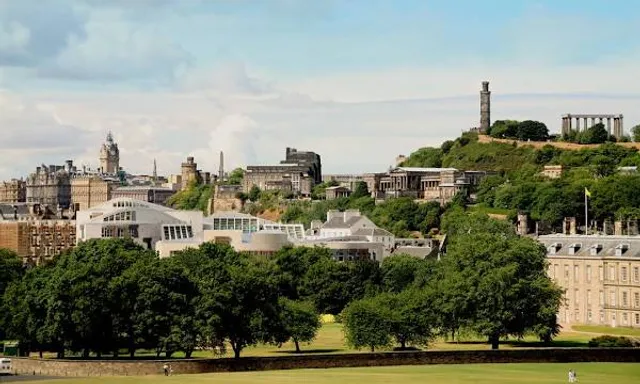
Holyrood Park in Edinburgh is a significant historical and recreational area that offers a rich blend of natural beauty and cultural heritage. Situated at the eastern end of the city, this expansive royal park covers 650 acres and provides a striking contrast to the urban landscape of Edinburgh.
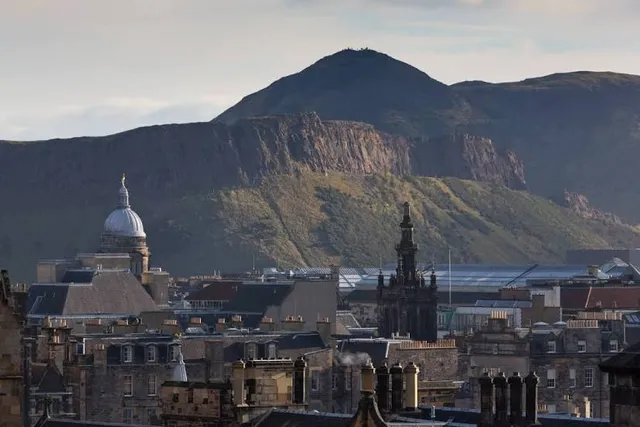
The park's centerpiece is Arthur's Seat, an ancient volcano and the highest point in the park, rising 251 meters above sea level. This landmark offers panoramic views of the city and the surrounding area. The hill is popular for hiking and attracts both locals and tourists seeking outdoor adventure and scenic vistas.
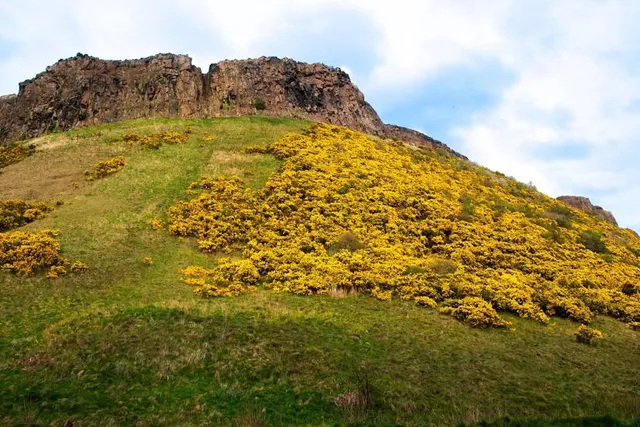
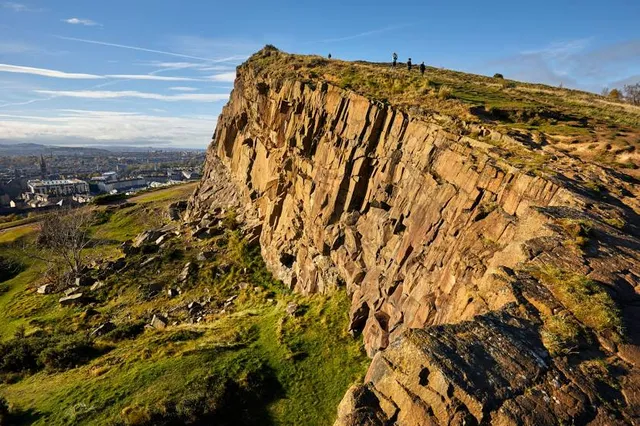
Adjacent to Arthur's Seat is the Salisbury Crags, a series of cliffs that provide additional walking paths and climbing opportunities. The Radical Road, a path that runs along the base of the cliffs, offers a historical connection as it was constructed by unemployed weavers following the Radical War of 1820.
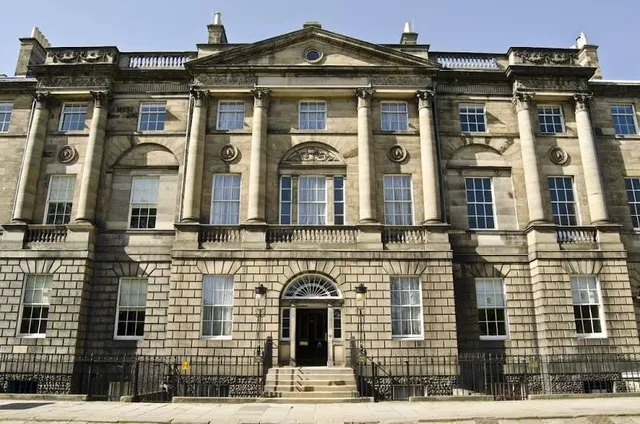
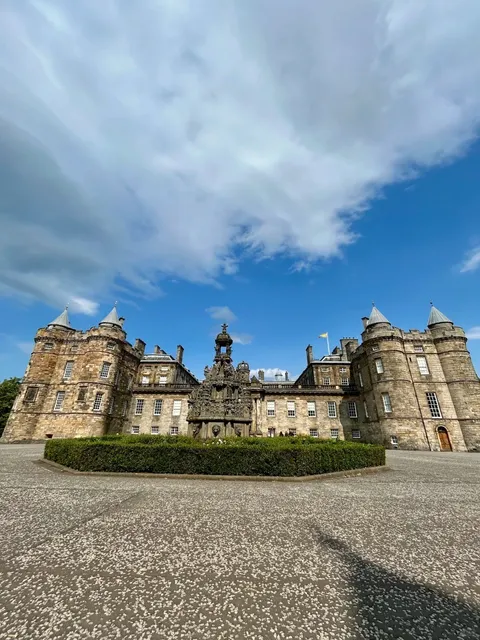
Holyrood Park is also home to several notable historical sites. Holyrood Palace, the official residence of the British monarch in Scotland, lies at the park's northern boundary. The palace has been a significant royal residence since the 16th century and is open to the public for tours. Nearby, the ruins of Holyrood Abbey, founded in 1128, add a layer of medieval history to the park.
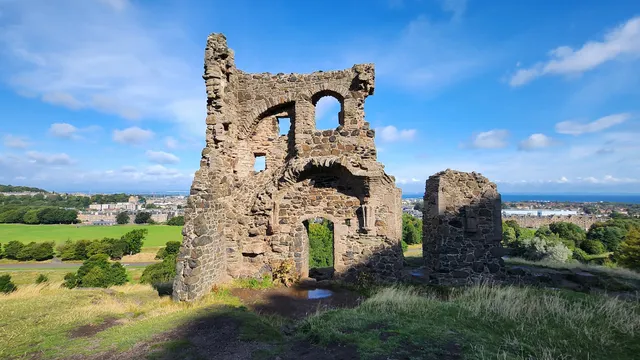
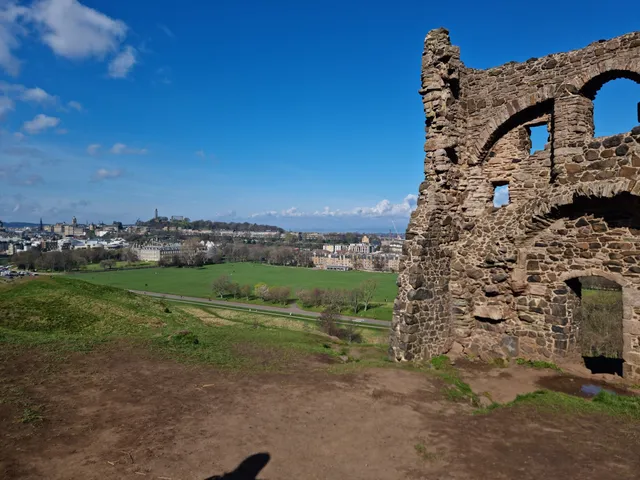
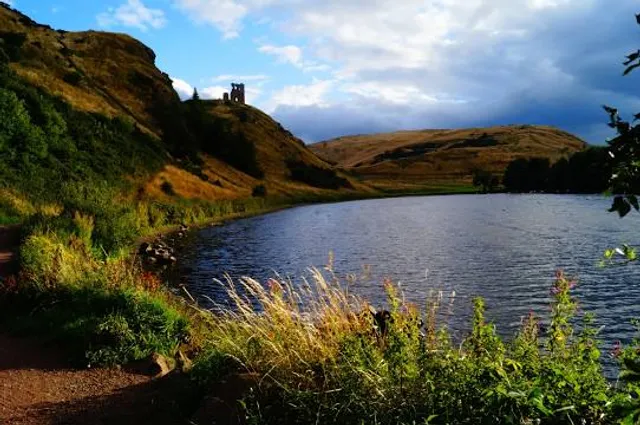
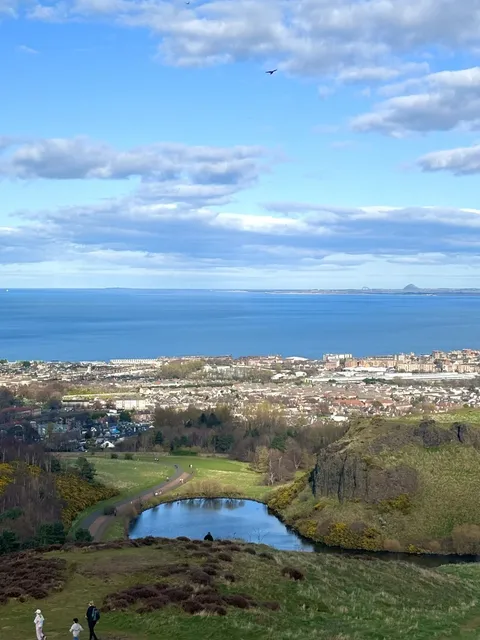
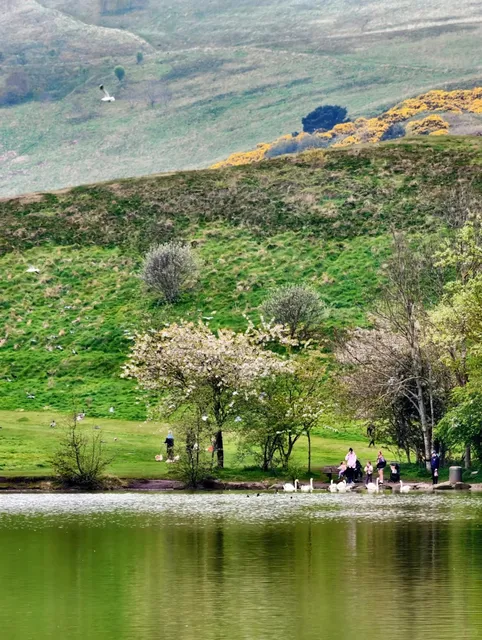
Another point of interest within the park is St. Anthony's Chapel, a 15th-century ruin that sits on a hillside above St. Margaret's Loch. The loch itself, along with Dunsapie Loch, is a haven for birdlife and adds to the park's serene environment.
Holyrood Park's diverse landscape includes grassy expanses, rocky crags, and tranquil lochs, making it a versatile location for various recreational activities. The park is a popular spot for picnicking, jogging, cycling, and nature walks, offering a respite from the city's hustle and bustle.
Managed by Historic Environment Scotland, Holyrood Park is maintained with an emphasis on preserving its natural and historical features while providing public access and educational opportunities. The park hosts events throughout the year, from historical reenactments to nature conservation activities, enhancing its role as a cultural and community asset.
Holyrood Park's combination of natural beauty, historical significance, and recreational value makes it a treasured landmark in Edinburgh, offering something for...
Read moreIt is a significant and scenic green space situated near the heart of the city, adjacent to the Palace of Holyroodhouse, the official residence of the British monarch in Scotland. The park is known for its rugged and varied landscape, dominated by Arthur’s Seat, an ancient, extinct volcano that offers panoramic views of Edinburgh and beyond.
Here are some key highlights about Holyrood Park:
• Arthur’s Seat: This is the most iconic feature of the park. Standing at 251 meters, it is the highest point in Edinburgh and offers an excellent hiking experience for both locals and visitors. The summit provides breathtaking views of the city, the Firth of Forth, and the surrounding countryside. • Salisbury Crags: Another prominent geological feature of Holyrood Park, Salisbury Crags is a series of cliffs that run along the west side of the park. They are a popular spot for walkers and geologists alike. • Historical Sites: The park is rich in history, with landmarks such as St. Anthony’s Chapel, a medieval ruin dating back to the 15th century, and the remnants of old lochs and prehistoric sites. • Holyrood Palace: At the base of the park is the Palace of Holyroodhouse, the Queen’s residence when she is in Scotland. The palace is a major tourist attraction, steeped in centuries of royal history. • Wildlife: Holyrood Park is also home to diverse wildlife, including birds, foxes, and occasionally deer, offering a natural escape within the urban environment of Edinburgh.
Holyrood Park is not only a natural treasure in Scotland but also a place where history, geology, and outdoor adventure intersect. It attracts visitors seeking to explore its trails, enjoy the views, and delve into the historical layers...
Read moreHolyrood Park (also called the King's Park or Queen's Park depending on the reigning monarch's gender) is a royal park in central Edinburgh, Scotland about 1 mile (1.6 kilometres) to the east of Edinburgh Castle. It is open to the public. It has an array of hills, lochs, glens, ridges, basalt cliffs, and patches of gorse, providing a wild piece of highland landscape within its 650-acre (260 ha) area. The park is associated with the Palace of Holyroodhouse and was formerly a royal hunting estate. The park was created in 1541 when James V had the ground "circulit about Arthurs Sett, Salisborie and Duddingston craggis" enclosed by a stone wall.
1880s map of the park Arthur's Seat, an extinct volcano and the highest point in Edinburgh, is at the centre of the park, with the cliffs of Salisbury Crags to the west. There are three lochs: St Margaret's Loch, Dunsapie Loch, and Duddingston Loch. The ruins of St Anthony's Chapel stand above St Margaret's Loch. Queen's Drive is the main route through the Park. St Margaret's Well and St Anthony's Well are both natural springs within the park. Holyrood Park is located to the south-east of the Old Town, at the edge of the city centre. Abbeyhill is to the north, and Duddingston village to the east. The University of Edinburgh's Pollock Halls of Residence are to the south-west, and Dumbiedykes is to the west.
The whole of Holyrood Park was made a Scheduled Monument in 2013. It is owned, apart from the roadways which are retained by the Crown, by Scottish Ministers the whole being managed by Historic Environment Scotland. Various archaeological survey has taken place across the site, though findings are not yet...
Read more