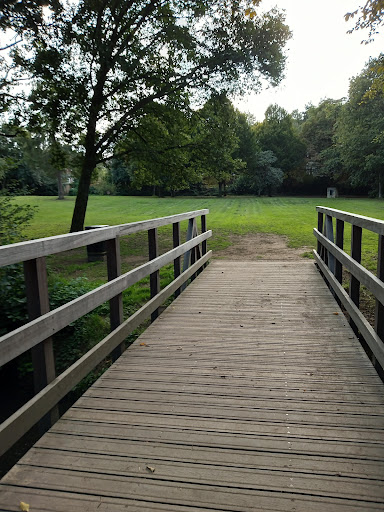
Radford Park things to do, attractions, restaurants, events info and trip planning
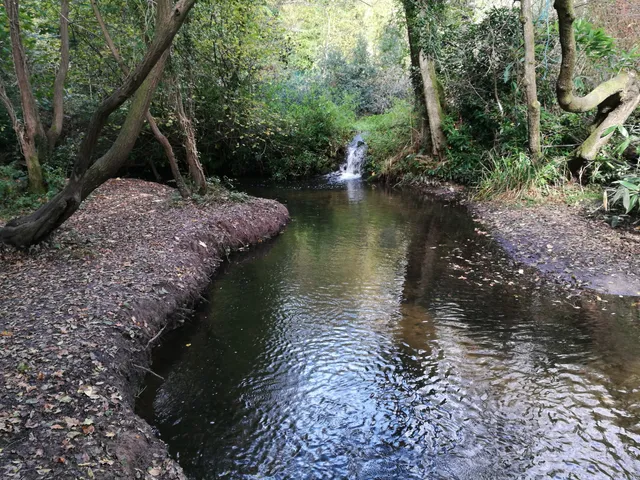
Basic Info
Radford Park
Liphook GU30 7QE, United Kingdom
4.7(64)
Open until 12:00 AM
Save
spot
spot
Ratings & Description
Info
Outdoor
Relaxation
Scenic
Family friendly
Pet friendly
attractions: , restaurants: Royal Anchor, Lazy Lizard Cafe, Kiki T's at Number One, Happy Valley Chinese Restuarant&Take Away, Po-Pan Ltd, local businesses: The Living Room Cinema
 Learn more insights from Wanderboat AI.
Open hoursSee all hours
TueOpen 24 hoursOpen
Plan your stay

Pet-friendly Hotels in East Hampshire
Find a cozy hotel nearby and make it a full experience.

Affordable Hotels in East Hampshire
Find a cozy hotel nearby and make it a full experience.

The Coolest Hotels You Haven't Heard Of (Yet)
Find a cozy hotel nearby and make it a full experience.

Trending Stays Worth the Hype in East Hampshire
Find a cozy hotel nearby and make it a full experience.
Reviews
Live events

Drum Circle
Tue, Feb 3 • 1:30 PM
Wellbeing Cabin, Education Centre Courtyard, Guilford, United Kingdom
View details

Surrey Business School Global Game Jam 2026
Tue, Jan 27 • 10:00 AM
IFH - Innovation for Health Building, Stag Hill, University Campus, Site, Guildford GU2 7XH, UK
View details

NCT Guildford Bumps & Babies
Thu, Jan 15 • 10:15 AM
Riverbank Kitchen at the Yvonne Arnaud Theatre, Millbrook, Guilford, United Kingdom
View details
Nearby restaurants of Radford Park
Royal Anchor
Lazy Lizard Cafe
Kiki T's at Number One
Happy Valley Chinese Restuarant&Take Away
Po-Pan Ltd
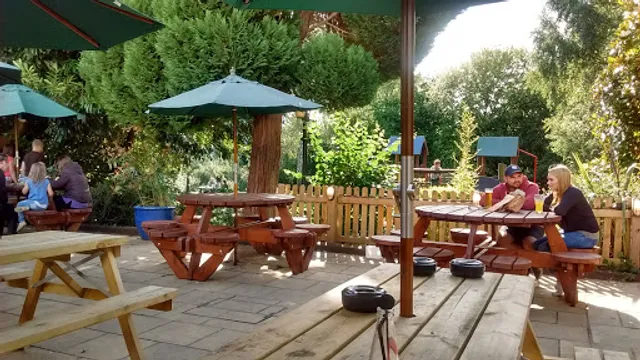
Royal Anchor
4.1
(853)
Open until 10:30 PM
Click for details
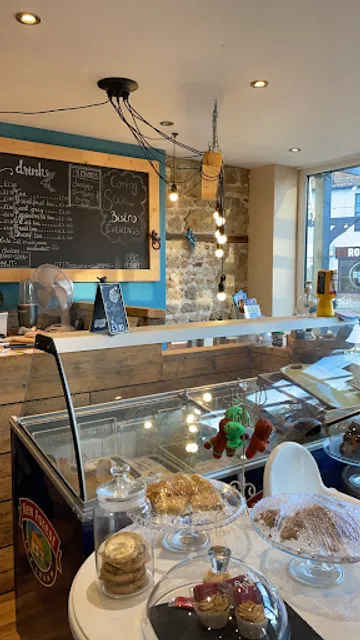
Lazy Lizard Cafe
4.4
(76)
$
Open until 4:00 PM
Click for details
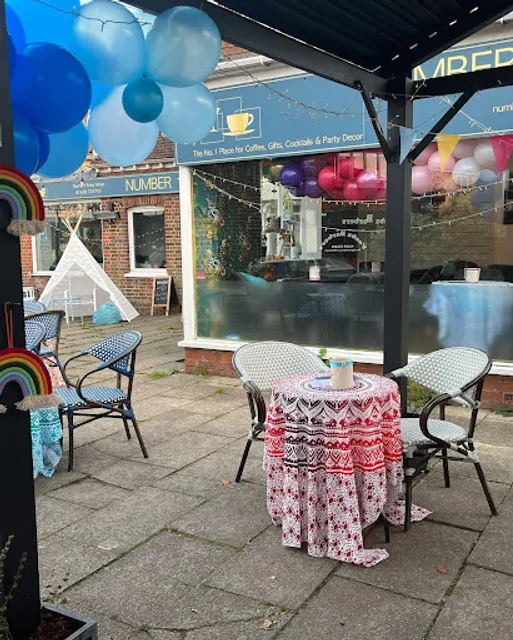
Kiki T's at Number One
4.7
(115)
$
Open until 4:00 PM
Click for details
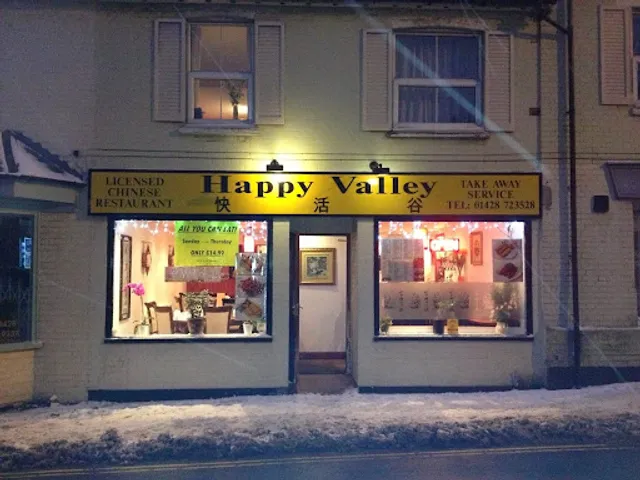
Happy Valley Chinese Restuarant&Take Away
3.9
(76)
Open until 12:00 AM
Click for details
Nearby local services of Radford Park
The Living Room Cinema

The Living Room Cinema
4.6
(114)
Click for details