HTML SitemapExplore
logo
Find Things to DoFind The Best Restaurants

Battle Of Bannockburn — Attraction in Great Britain

Name
Battle Of Bannockburn
Description
Nearby attractions
The Battle of Bannockburn Visitor Centre
Glasgow Road, Whins Of Milton, Stirling FK7 0LJ, United Kingdom
Nearby restaurants
Dougies Chippy
38 Morrison Dr, Bannockburn, Stirling FK7 0JD, United Kingdom
Black Rooster
45 Borestone Cres, St Ninians, Stirling FK7 9BQ, United Kingdom
Nearby hotels
King Robert Hotel
Glasgow Rd, Stirling FK7 0LJ, United Kingdom
Coralinn Bed & Breakfast
160 Glasgow Rd, Whins of Milton, Stirling FK7 0LN, United Kingdom
Whitehouse Guest House
13 Glasgow Rd, Stirling FK7 0PA, United Kingdom
Related posts
Keywords
Battle Of Bannockburn tourism.Battle Of Bannockburn hotels.Battle Of Bannockburn bed and breakfast. flights to Battle Of Bannockburn.Battle Of Bannockburn attractions.Battle Of Bannockburn restaurants.Battle Of Bannockburn travel.Battle Of Bannockburn travel guide.Battle Of Bannockburn travel blog.Battle Of Bannockburn pictures.Battle Of Bannockburn photos.Battle Of Bannockburn travel tips.Battle Of Bannockburn maps.Battle Of Bannockburn things to do.
Battle Of Bannockburn things to do, attractions, restaurants, events info and trip planning
Battle Of Bannockburn
United KingdomScotlandGreat BritainBattle Of Bannockburn

Basic Info

Battle Of Bannockburn

10 Carron Pl, Stirling FK7 0PN, United Kingdom
4.7(58)
Open until 12:00 AM
Save
spot

Ratings & Description

Info

Cultural
Family friendly
Accessibility
attractions: The Battle of Bannockburn Visitor Centre, restaurants: Dougies Chippy, Black Rooster
logoLearn more insights from Wanderboat AI.
Open hoursSee all hours
TueOpen 24 hoursOpen

Plan your stay

hotel
Pet-friendly Hotels in Great Britain
Find a cozy hotel nearby and make it a full experience.
hotel
Affordable Hotels in Great Britain
Find a cozy hotel nearby and make it a full experience.
hotel
The Coolest Hotels You Haven't Heard Of (Yet)
Find a cozy hotel nearby and make it a full experience.
hotel
Trending Stays Worth the Hype in Great Britain
Find a cozy hotel nearby and make it a full experience.

Reviews

Nearby attractions of Battle Of Bannockburn

The Battle of Bannockburn Visitor Centre

The Battle of Bannockburn Visitor Centre

The Battle of Bannockburn Visitor Centre

4.5

(1.4K)

Open 24 hours
Click for details

Things to do nearby

Tea with Naughty Sheep
Sun, Dec 14 • 12:00 PM
Gartmore, FK8 3RY, United Kingdom
View details
Snuggle Special-Needs Sanctuary Dogs
Wed, Dec 10 • 2:00 PM
Aberfoyle, FK8 3UZ, United Kingdom
View details
Chill, cuddle and connect with rescued animals
Tue, Dec 9 • 1:00 PM
Buchlyvie, FK8 3NR, United Kingdom
View details

Nearby restaurants of Battle Of Bannockburn

Dougies Chippy

Black Rooster

Dougies Chippy

Dougies Chippy

4.1

(16)

Click for details
Black Rooster

Black Rooster

4.0

(92)

Click for details
Get the Appoverlay
Get the AppOne tap to find yournext favorite spots!
Wanderboat LogoWanderboat

Your everyday Al companion for getaway ideas

CompanyAbout Us
InformationAI Trip PlannerSitemap
SocialXInstagramTiktokLinkedin
LegalTerms of ServicePrivacy Policy

Get the app

© 2025 Wanderboat. All rights reserved.
logo

Reviews of Battle Of Bannockburn

4.7
(58)
avatar
5.0
2y

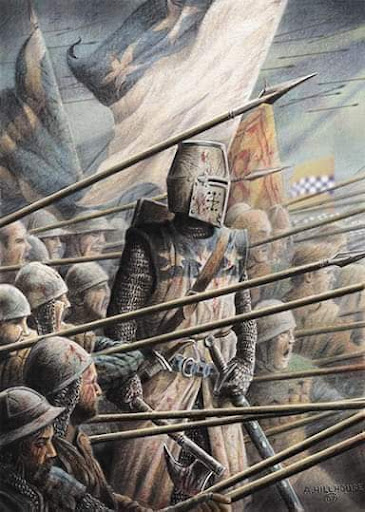
The Battle of Bannockburn is one of the most significant events in Scottish history. It was fought on June 23-24, 1314, near Stirling, Scotland. The battle was fought between the forces of the Scottish monarchy led by King Robert Bruce and the forces of the English monarchy led by King Edward II. The battle marked a decisive victory for the Scots, and it played a crucial role in the eventual independence of Scotland.

The lead up to the Battle of Bannockburn was a complicated one. It began in 1296 when King Edward I, known as the "Hammer of the Scots," invaded Scotland, deposed its king, and claimed the throne of Scotland for himself. The Scottish nobility resisted the English occupation and began to mount a rebellion led by Robert Bruce, the grandson of one of the claimants to the Scottish throne. Bruce was an ambitious and skilled warrior, but he faced a daunting challenge in the English army. The English were the most powerful military force in Europe at the time, and they had a formidable army that included knights, infantry, and archers.

The Scottish rebellion suffered several defeats at the hands of the English, and Bruce was forced to flee Scotland to avoid capture. However, he returned to Scotland in 1307 and was crowned King of Scots in 1309. He immediately began to plan an attack on the English, and he commanded his army to prepare for war.

The English army consisted of around 20,000 men, including knights, infantry, and archers. The Scots had a much smaller army of around 7,000 men. However, the Scottish army was composed of experienced warriors who knew the terrain of Scotland and were highly motivated to defend their homeland.

The two armies clashed on June 23, 1314, near the Bannockburn stream in Stirling. The English army was led by King Edward II, who had arrived in Scotland to personally command the forces. The initial skirmishes were fought between the Scottish and English cavalry, with the Scots using their long spears to prevent the English from closing in. While these skirmishes were taking place, the Scottish infantry was preparing to launch a surprise attack on the English.

The Scottish infantry was led by Bruce himself, who had devised a brilliant strategy to defeat the English. He ordered his soldiers to dig trenches and pits on the battlefield, which would trip up the charging English cavalry. He also positioned his men in tight formations, which allowed them to fend off the English attacks without taking too many casualties. In contrast, the English were poorly organized and lacked coordination, which made their attacks ineffective.

The battle raged on for two days, with both sides suffering heavy casualties. However, the Scots were able to hold their ground, and their superior tactics and familiarity with the terrain allowed them to outmaneuver the English. On the second day of the battle, the Scots unleashed a devastating charge on the English lines, which broke their formations and caused a mass rout. The English suffered over 10,000 casualties, and the Scots emerged victorious.

The victory at the Battle of Bannockburn was a turning point in Scottish history. It marked the first time that the Scots had defeated the English in a pitched battle, and it proved that the Scottish army was a formidable force when led by a skilled commander. The victory also secured Bruce's claim to the Scottish throne and paved the way for the eventual independence of Scotland.

The Battle of Bannockburn also had significant cultural and political implications. It became a symbol of Scottish resistance against English domination, and it inspired generations of Scots to fight for their independence. The story of the battle has been immortalized in Scottish folklore and literature, with tales of heroic deeds and bravery recounted in ballads and poems.

The battle also had political implications, as it led to the signing of the Declaration of Arbroath in 1320. This document was a letter to the Pope, asserting Scotland's sovereignty and its right to independence. It was a significant moment in...

   Read more

avatar
5.0
3y

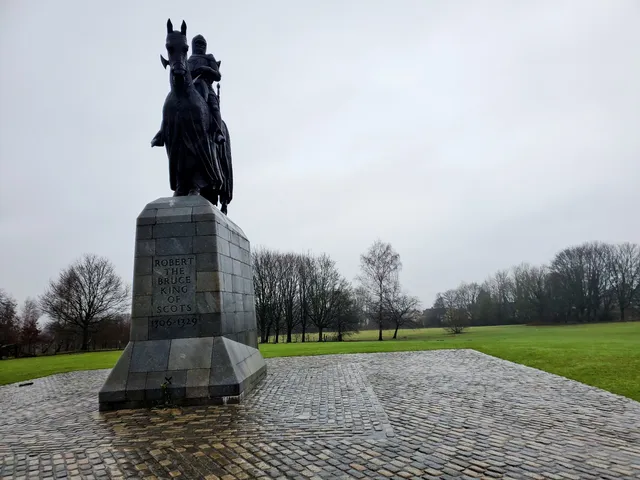
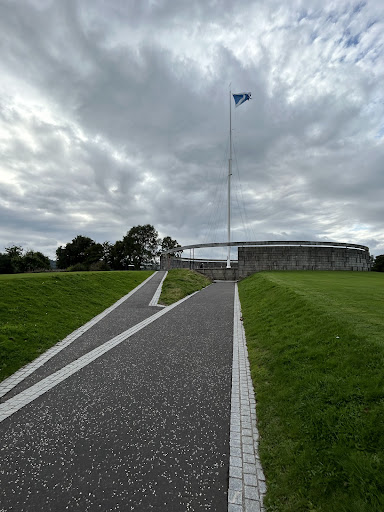
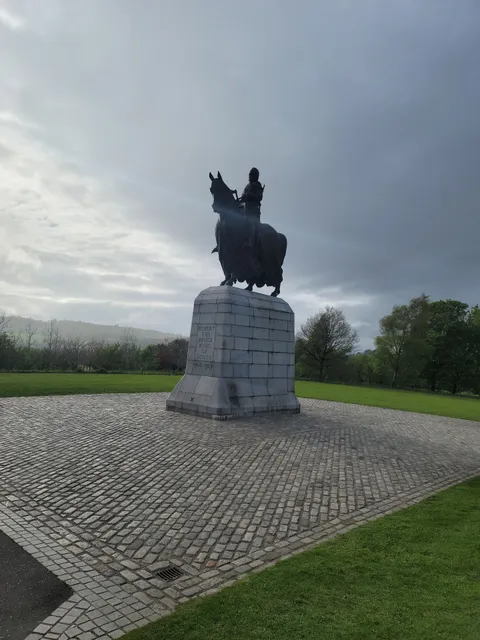
A beautiful and evocative site. Visiting the modern rotunda with its commemorative cairn and haunting Scottish music, and beyond it the horseback statue of Robert the Bruce in full battle dress is quite a moving experience. The paths leading up to the monument are wheelchair accessible and have info panels about the battle and events leading up to it and there's also a timeline and maps pinpointing the location of the Scottish camp and other points of interest. Wonderful views of Stirling Castle in the distance and the surrounding countryside. There's a modern visitor centre with a café, toilets and gift shop. Arrived too late for the hour-long guided tour and 3D film shows but you can visit the outdoor exhibits at any time free of charge. A must-see for anyone with an interest in...

   Read more
avatar
5.0
5y

So the mystery continues. Will the dispute over where the battle of bannockburn ever finish or will it forever last. Who knows? This is a beautiful place with a huge visitor centre that at the moment is permanently closed until further notice. Once it opens plenty toilets cafes etc. The ground is open along with the parking facilities which are free. The grounds command amazing views of surrounding countryside and mountains and of course the world famous stirling castle and Wallace's monument oh eye and a statue of robert the Bruce. It truly is a beautiful place that can be enjoyed by people who use wheel chairs to mobilise around. I have put up pictures of this place and a video of...

   Read more
Page 1 of 7
Previous
Next

Posts

Gary MitchellGary Mitchell
The Battle of Bannockburn is one of the most significant events in Scottish history. It was fought on June 23-24, 1314, near Stirling, Scotland. The battle was fought between the forces of the Scottish monarchy led by King Robert Bruce and the forces of the English monarchy led by King Edward II. The battle marked a decisive victory for the Scots, and it played a crucial role in the eventual independence of Scotland. The lead up to the Battle of Bannockburn was a complicated one. It began in 1296 when King Edward I, known as the "Hammer of the Scots," invaded Scotland, deposed its king, and claimed the throne of Scotland for himself. The Scottish nobility resisted the English occupation and began to mount a rebellion led by Robert Bruce, the grandson of one of the claimants to the Scottish throne. Bruce was an ambitious and skilled warrior, but he faced a daunting challenge in the English army. The English were the most powerful military force in Europe at the time, and they had a formidable army that included knights, infantry, and archers. The Scottish rebellion suffered several defeats at the hands of the English, and Bruce was forced to flee Scotland to avoid capture. However, he returned to Scotland in 1307 and was crowned King of Scots in 1309. He immediately began to plan an attack on the English, and he commanded his army to prepare for war. The English army consisted of around 20,000 men, including knights, infantry, and archers. The Scots had a much smaller army of around 7,000 men. However, the Scottish army was composed of experienced warriors who knew the terrain of Scotland and were highly motivated to defend their homeland. The two armies clashed on June 23, 1314, near the Bannockburn stream in Stirling. The English army was led by King Edward II, who had arrived in Scotland to personally command the forces. The initial skirmishes were fought between the Scottish and English cavalry, with the Scots using their long spears to prevent the English from closing in. While these skirmishes were taking place, the Scottish infantry was preparing to launch a surprise attack on the English. The Scottish infantry was led by Bruce himself, who had devised a brilliant strategy to defeat the English. He ordered his soldiers to dig trenches and pits on the battlefield, which would trip up the charging English cavalry. He also positioned his men in tight formations, which allowed them to fend off the English attacks without taking too many casualties. In contrast, the English were poorly organized and lacked coordination, which made their attacks ineffective. The battle raged on for two days, with both sides suffering heavy casualties. However, the Scots were able to hold their ground, and their superior tactics and familiarity with the terrain allowed them to outmaneuver the English. On the second day of the battle, the Scots unleashed a devastating charge on the English lines, which broke their formations and caused a mass rout. The English suffered over 10,000 casualties, and the Scots emerged victorious. The victory at the Battle of Bannockburn was a turning point in Scottish history. It marked the first time that the Scots had defeated the English in a pitched battle, and it proved that the Scottish army was a formidable force when led by a skilled commander. The victory also secured Bruce's claim to the Scottish throne and paved the way for the eventual independence of Scotland. The Battle of Bannockburn also had significant cultural and political implications. It became a symbol of Scottish resistance against English domination, and it inspired generations of Scots to fight for their independence. The story of the battle has been immortalized in Scottish folklore and literature, with tales of heroic deeds and bravery recounted in ballads and poems. The battle also had political implications, as it led to the signing of the Declaration of Arbroath in 1320. This document was a letter to the Pope, asserting Scotland's sovereignty and its right to independence. It was a significant moment in Scotland's hist
Dave HollandDave Holland
Follow the path from the visitor centre car park. It’s a nice place to walk the dogs or have a picnic. The “circle” is ready for some TLC but overall,(acro-props and scaffolding aside), this is a great place to visit. Bring your imagination, the information and signage is well thought out.
Darren BartonDarren Barton
Audio installation about the Battle of Bannockburn and Scotland's past, future. The signage helps you interpret the landscape from the time of the battle, a bit of imagination goes a long way. The installation needs a bit of TLC but very well thought out and presented.
See more posts
See more posts
hotel
Find your stay

Pet-friendly Hotels in Great Britain

Find a cozy hotel nearby and make it a full experience.

The Battle of Bannockburn is one of the most significant events in Scottish history. It was fought on June 23-24, 1314, near Stirling, Scotland. The battle was fought between the forces of the Scottish monarchy led by King Robert Bruce and the forces of the English monarchy led by King Edward II. The battle marked a decisive victory for the Scots, and it played a crucial role in the eventual independence of Scotland. The lead up to the Battle of Bannockburn was a complicated one. It began in 1296 when King Edward I, known as the "Hammer of the Scots," invaded Scotland, deposed its king, and claimed the throne of Scotland for himself. The Scottish nobility resisted the English occupation and began to mount a rebellion led by Robert Bruce, the grandson of one of the claimants to the Scottish throne. Bruce was an ambitious and skilled warrior, but he faced a daunting challenge in the English army. The English were the most powerful military force in Europe at the time, and they had a formidable army that included knights, infantry, and archers. The Scottish rebellion suffered several defeats at the hands of the English, and Bruce was forced to flee Scotland to avoid capture. However, he returned to Scotland in 1307 and was crowned King of Scots in 1309. He immediately began to plan an attack on the English, and he commanded his army to prepare for war. The English army consisted of around 20,000 men, including knights, infantry, and archers. The Scots had a much smaller army of around 7,000 men. However, the Scottish army was composed of experienced warriors who knew the terrain of Scotland and were highly motivated to defend their homeland. The two armies clashed on June 23, 1314, near the Bannockburn stream in Stirling. The English army was led by King Edward II, who had arrived in Scotland to personally command the forces. The initial skirmishes were fought between the Scottish and English cavalry, with the Scots using their long spears to prevent the English from closing in. While these skirmishes were taking place, the Scottish infantry was preparing to launch a surprise attack on the English. The Scottish infantry was led by Bruce himself, who had devised a brilliant strategy to defeat the English. He ordered his soldiers to dig trenches and pits on the battlefield, which would trip up the charging English cavalry. He also positioned his men in tight formations, which allowed them to fend off the English attacks without taking too many casualties. In contrast, the English were poorly organized and lacked coordination, which made their attacks ineffective. The battle raged on for two days, with both sides suffering heavy casualties. However, the Scots were able to hold their ground, and their superior tactics and familiarity with the terrain allowed them to outmaneuver the English. On the second day of the battle, the Scots unleashed a devastating charge on the English lines, which broke their formations and caused a mass rout. The English suffered over 10,000 casualties, and the Scots emerged victorious. The victory at the Battle of Bannockburn was a turning point in Scottish history. It marked the first time that the Scots had defeated the English in a pitched battle, and it proved that the Scottish army was a formidable force when led by a skilled commander. The victory also secured Bruce's claim to the Scottish throne and paved the way for the eventual independence of Scotland. The Battle of Bannockburn also had significant cultural and political implications. It became a symbol of Scottish resistance against English domination, and it inspired generations of Scots to fight for their independence. The story of the battle has been immortalized in Scottish folklore and literature, with tales of heroic deeds and bravery recounted in ballads and poems. The battle also had political implications, as it led to the signing of the Declaration of Arbroath in 1320. This document was a letter to the Pope, asserting Scotland's sovereignty and its right to independence. It was a significant moment in Scotland's hist
Gary Mitchell

Gary Mitchell

hotel
Find your stay

Affordable Hotels in Great Britain

Find a cozy hotel nearby and make it a full experience.

Get the Appoverlay
Get the AppOne tap to find yournext favorite spots!
Follow the path from the visitor centre car park. It’s a nice place to walk the dogs or have a picnic. The “circle” is ready for some TLC but overall,(acro-props and scaffolding aside), this is a great place to visit. Bring your imagination, the information and signage is well thought out.
Dave Holland

Dave Holland

hotel
Find your stay

The Coolest Hotels You Haven't Heard Of (Yet)

Find a cozy hotel nearby and make it a full experience.

hotel
Find your stay

Trending Stays Worth the Hype in Great Britain

Find a cozy hotel nearby and make it a full experience.

Audio installation about the Battle of Bannockburn and Scotland's past, future. The signage helps you interpret the landscape from the time of the battle, a bit of imagination goes a long way. The installation needs a bit of TLC but very well thought out and presented.
Darren Barton

Darren Barton

See more posts
See more posts