Hengistbury Head: Where Neolithic Settlers and Modern Couch Potatoes Both Struggle with the Same Hill
Hengistbury Head presents itself as a gentle seaside walk until you actually attempt the ascent, at which point it reveals its true nature as a cardiovascular stress test disguised as a nature reserve. No wonder I spotted an ambulance arriving – this climb isn't for the faint-hearted or anyone whose most recent aerobic activity involved reaching for the TV remote.
The irony isn't lost that this headland has been inhabited for thousands of years, meaning Neolithic settlers were huffing and puffing up this same slope around 12,000 years ago, probably muttering prehistoric complaints about whoever chose this particular hill for settlement. They clearly valued defensible positions over convenient commutes – though to be fair, they didn't have the option of ordering groceries online to avoid the trek.
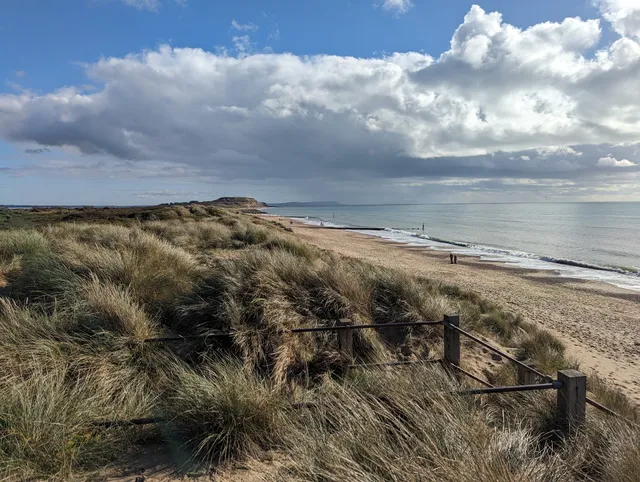
Once you've conquered what feels like Britain's answer to Everest, the view is genuinely outstanding. The Isle of Wight Needles stand so clearly defined across the water that swimming over seems almost feasible – until reality and basic self-preservation kick in. Instead, I descended toward the beach huts at Mudeford Sandbanks like a sensible person, trading aquatic ambitions for ice cream and the knowledge that those ancient inhabitants probably made the same choice between adventure and refreshment.
The Neolithic folk who first called this place home were clearly made of sterner stuff than modern visitors – they built their settlements here when the biggest threat was saber-toothed cats, not cardiac arrest from climbing hills after years of inactivity.
Four stars for the view, two stars for accessibility, five stars for making you appreciate both ice cream and our ancestors' fitness levels.
Bring water, comfortable shoes, and realistic expectations about your...
Read moreThe headland’s stunning geological formations hold secrets from years gone by; millions of years in fact. Evidence has shown that people have lived, worked and played at this site for around 12,000 years. Although much of that evidence is hidden, there are clues all over the site if you know where to look – the Visitor Centre is a great place to start your visit, to either pick up a trail leaflet, look at the exhibition, or find out from the team what to look out for en route.
Over a million visitors come to enjoy Hengistbury Head each year - that’s a lot of footsteps on a fragile landscape. But the rangers and volunteers manage a constant balancing act between providing access for people and protecting the landscape, wildlife and archaeology that make this place so special.
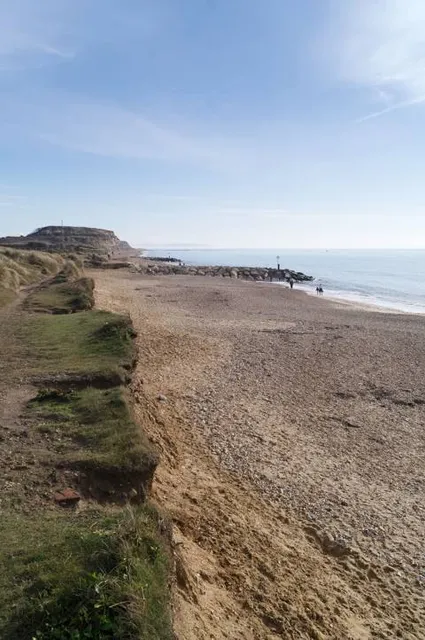
Hengistbury Head is a relatively unspoilt beach, consistently featuring in the annual TripAdvisor Travellers’ Choice® awards for Beaches. It has a south-facing pebble beach, with imposing clay and ironstone cliffs, and soft, sandy beaches at Mudeford spit, which is lined with the famous colourful Mudeford beach huts. Well-behaved dogs are welcome on site, but off the beaches, please respect that this is a nature reserve with plenty of rare and easily-frightened wildlife, keeping your four-legged friends under close control (on a lead is just perfect).
A nice idea might be to spend the day at Hengistbury Head – ride the land train from the Hiker Café down to Mudeford and enjoy the beaches, take a pleasant stroll back (if you wish), stopping in at the Visitor Centre to pick up a few local, coastal or environmentally-friendly souvenirs (the money spent in the shop helps support the conservation work on site). There is plenty of parking, with toilets and cafés at both ends...
Read moreMany people only think of Hengistbury Head as a small hill and not much more but that is far from the truth. Here’s why…
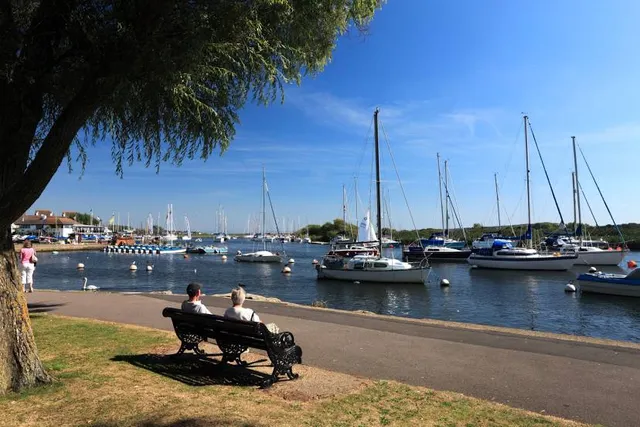
The long peninsular that forms the southern and south-western arm around Christchurch Harbour, is a fascinating place with so much for the visitors. It has an excellent visitor centre which tells the history of this important piece of land. Near the centre is a good cafe and toilet facilities including a Radar accessible toilet.
There are many well maintained paths that form excellent walks around and up to the Head itself. When approaching the top from the landward side where there is plenty of parking, it’s a fairly easy walk up to the top with some benches and a trig point beacon. About 150 metres along the top is a coastguard watch hut with useful information regularly updated about the tide times and so forth. You can then walk right along to the end of the headland and then down all the way to the sea level and Mudeford Spit with its famous beach huts.
The birdlife all along the Head is hugely varied. On just one walk recently I saw lots of common, Ballack-headed and heron gulls, sandwich terns, shelducks, oyster catchers, a buzzard, a dartford warbler, a greenfinch, a turnstone, sand martins, starlings and other common passerines.
This is also a rare area for seeing the protected Natterjack toad.
A wonderful place for walkers, history, fabulous views of the harbour and the sea and the coast back to...
Read more